[stock-market-ticker symbols=" ^NYA;CRYPTO:BTC;CRYPTO:ETH;CRYPTO:USDT;CRYPTO:USDC;CRYPTO:BNB;CRYPTO:ADA;CRYPTO:XRP;CRYPTO:SOL;CRYPTO:DOGE " stockExchange="NYSENASDAQ" width="100%" transparentbackground=1 palette="financial-light"]

Home Blog Page 63

Unlocking Saudi Arabia: The Impact of QFI Removal on Global Investment

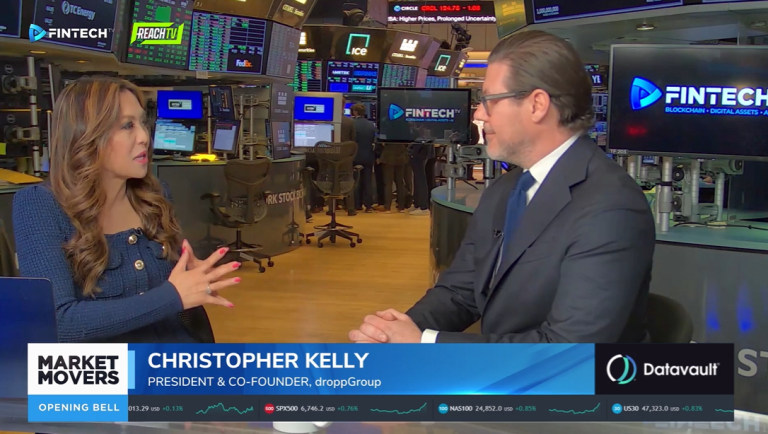
In this episode, we dive into the recent shifts in the Saudi Arabian capital markets, particularly the significant removal of the Qualified Foreign Investor (QFI) framework, which has opened up access for global financial institutions. Christopher Kelly, President & Co-founder of Dropp Group, joins Remy Blaire to provide valuable insights into why this change is crucial for foreign direct investment (FDI) in Saudi Arabia.

Chris explains that the removal of the QFI requirement is a key indicator of the region’s market transformation and aligns with Saudi Arabia’s Vision 2030. This vision not only focuses on national infrastructure projects but also aims to make valuable sovereign assets more accessible to a broader market.

We also discuss the evolving landscape of tokenization in finance, with Chris highlighting Saudi Arabia’s ambition to leapfrog traditional Western financial models by developing a tokenized infrastructure. He emphasizes the importance of regulatory frameworks in ensuring the safe transfer and trading of sovereign-grade assets.

As we explore the differences between the financial and regulatory environments in Saudi Arabia and the U.S., Chris shares how his firm is building a regulator-first financial infrastructure to facilitate this transition. He outlines their goal of driving FDI by tokenizing complex assets, making them investable for international markets.

Finally, we touch on the current volatility in the digital asset space and how major financial leaders are embracing tokenization as a means to connect real-world assets to financial markets.
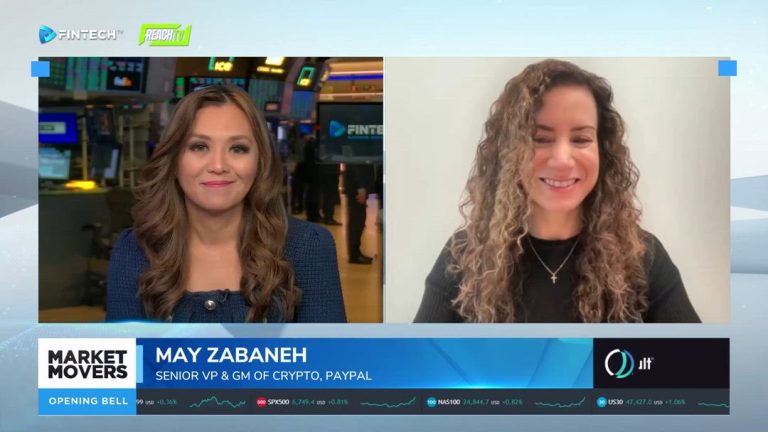
Revolutionizing Cross-Border Payments: PayPal’s PYUSD Expansion

In this episode of Market Movers, we dive into the expansion of PayPal’s U.S. dollar-backed stablecoin, PYUSD, which is now being rolled out to 70 markets worldwide. May Zabaneh, SVP, GM of Crypto at PayPal, joins Remy Blaire to explain why this is the right moment for such a significant launch.

May highlights the growing demand for faster and cheaper cross-border money transfers, particularly for everyday consumers and small businesses. With traditional wire and remittance fees often eating into funds—ranging from 6 to 10%—PYUSD offers a more economical solution. Users can send money internationally at a one-to-one dollar value, allowing recipients to hold or convert it into local currency while also earning rewards.

We also discuss the impact of PYUSD on small and medium-sized businesses, which often face liquidity challenges due to slow fund settlement times. By accepting PYUSD, these businesses can access their funds more quickly, enhancing their operational efficiency and profitability.

Another key point was the importance of seamless conversion from PYUSD to local currencies, which PayPal is committed to improving as they expand functionality in newly supported markets. May emphasizes that trust is crucial in finance, and the regulatory backing of PYUSD as a U.S. federally regulated stablecoin is vital for driving global adoption.

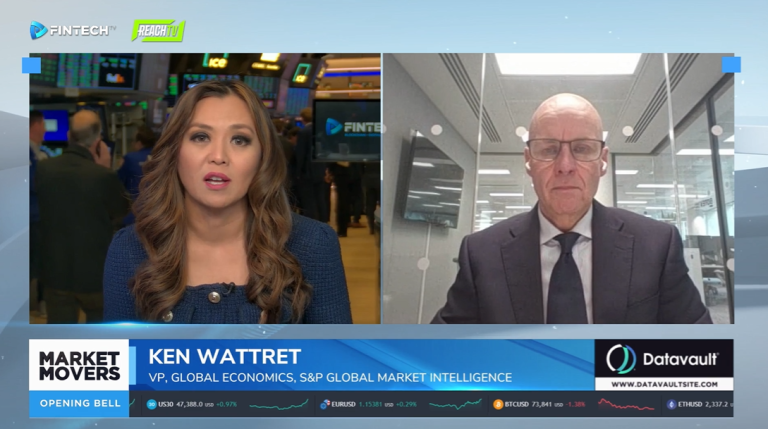
Navigating Oil Prices: Insights on the Middle East Conflict and Global Economies

Ken Wattret, VP, Global Economics at S&P Global Market Intelligence, joins Remy Blaire to provide valuable insights into the current energy market dynamics. We delve into the ongoing conflict in the Middle East and its impact on global oil prices, which remain elevated despite recent governmental interventions.

We discuss the recent coordinated release of oil reserves by the U.S. and the International Energy Agency, and whether these measures are sufficient to alleviate the supply issues, particularly in the Strait of Hormuz. Ken emphasizes that the persistent high oil prices indicate that more clarity is needed regarding the conflict’s resolution.

As we approach a significant week for global central banks, including the ECB, BOE, BOJ and the Federal Reserve, we explore the potential mechanisms policymakers might employ to stabilize prices. Ken highlights the distinction between fiscal and monetary responses, noting that while some governments are already taking steps to mitigate the impact of rising energy costs, central banks are likely to remain cautious until they gather more information on inflation and labor market conditions.

We also examine the varying implications of the energy crisis for different economies, particularly in the Asia-Pacific region, where many countries are heavily reliant on energy imports from the Middle East. Ken points out that while some economies may face negative impacts from higher energy prices, others, particularly net energy exporters, could benefit from increased export revenues.

Finally, we look ahead to the upcoming Federal Reserve meeting, where no change in interest rates is expected. Ken shares that the market’s reaction will hinge on whether Fed Chair Jerome Powell emphasizes inflation risks or labor market concerns in his upcoming speech.

Market Insights: Fed’s Stance and Oil Price Dynamics Amid Middle East Tensions

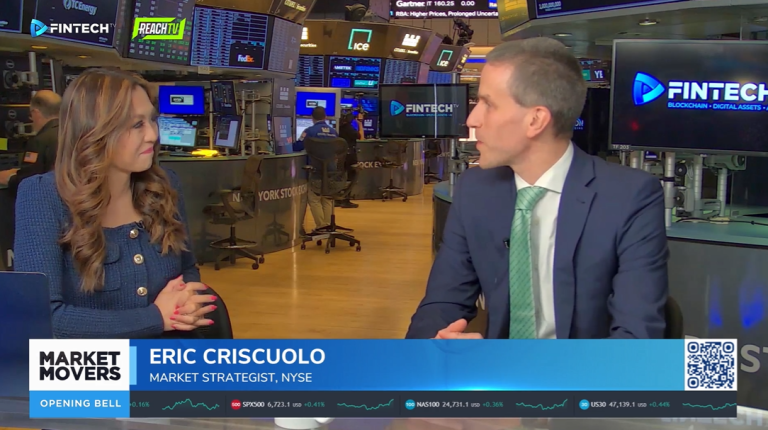
Eric Criscuolo, a Market Strategist at the New York Stock Exchange, joins Remy Blaire to delve into the current state of the markets and the anticipated remarks from Federal Reserve Chair Jerome Powell following the Fed’s decision to keep the benchmark Fed funds rate unchanged. With the ongoing conflict in the Middle East and rising oil prices, we explore how these factors are influencing investor sentiment and the broader U.S. economy.

We discuss the volatility in stock futures and the critical role that oil prices play in market movements. Eric highlights that the market is closely watching developments in the Strait of Hormuz, as any changes there could significantly impact oil flow and prices.

We also touch on the upcoming Q&A session with Powell, where we expect questions about inflation expectations and the central bank’s economic projections. Eric shares insights on how the market is reacting to recent tech developments, including Nvidia’s ambitious plans for GPU chips and the potential layoffs at major tech companies like Meta.

As we look ahead to the upcoming earnings season, we discuss various price targets and the mixed opinions among strategists regarding commodities like gold and silver, as well as the performance of Bitcoin. With geopolitical tensions and economic uncertainties, we emphasize the importance of monitoring these developments closely.

Jargon Translator: Capital Stack

0

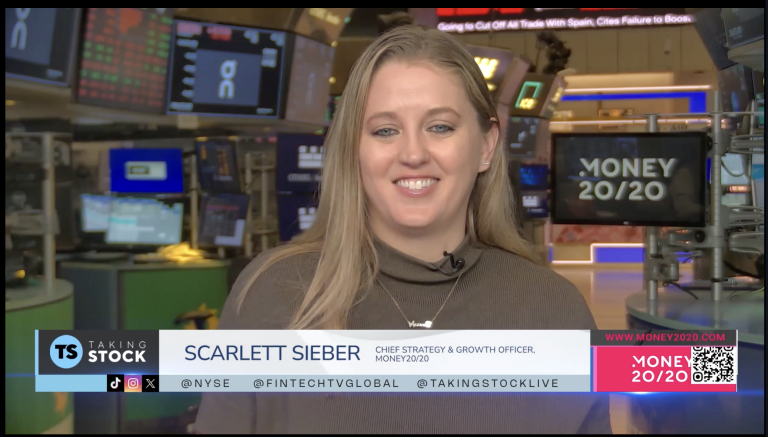
Jargon Translator with Scarlett Sieber from Money20/20 is the segment where financial terms that seem simple on the surface but carry real weight underneath are broken down . In this episode, we unpack the “capital stack,” a core concept in finance that defines who gets paid first and who gets what’s left when a company succeeds or struggles. Think of it as a hierarchy: at the top are senior secured lenders, first in line and backed by collateral; followed by mezzanine lenders, who take on more risk for higher returns; then preferred equity holders with added rights and priority; and finally, common equity holders, founders, employees, and shareholders who receive whatever remains.

Understanding the capital stack is essential because it shapes risk, return, and control across any business or investment. It’s the ultimate financial pecking order, where your position determines your outcome especially when things don’t go as planned. Whether you’re an investor, operator, or just curious about how money flows behind the scenes, this is a concept you need to know.

Empowering Future Women Leaders in Finance

0

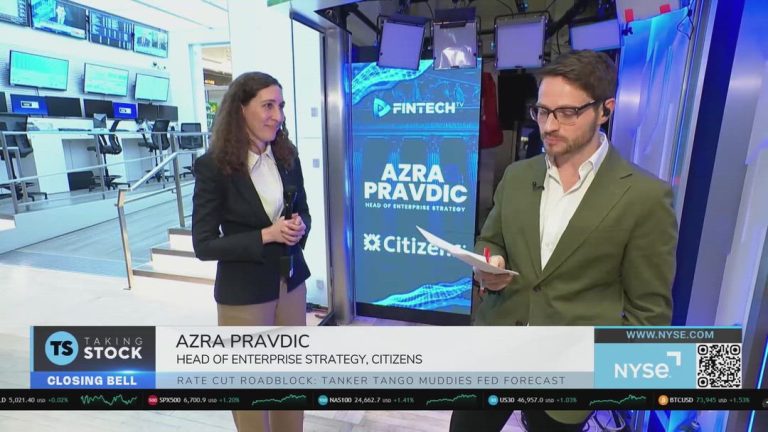
Azra Pravdic, Head of Enterprise Strategy at Citizens Financial Group, joins us live from the New York Stock Exchange to discuss an inspiring day on the trading floor and the future of banking. Citizens was on-site to celebrate the impactful “She Means Business” initiative an event designed to empower young women and high school students to explore careers in finance and business. With a full day of programming, mentorship, and exposure to the financial world, the initiative aims to inspire confidence, ambition, and a sense of belonging among the next generation of female leaders.

Azra shares powerful insights from her own journey in banking, emphasizing the importance of hard work, confidence, and claiming your place in any room you aspire to be in. She also highlights the energy and optimism brought by the students, reinforcing the importance of representation and early exposure to career opportunities. Beyond the event, the conversation dives into Citizens’ long-term strategy, built around a customer-first approach spanning consumer, commercial, and private banking. With a strong focus on innovation, including AI and emerging technologies, Citizens is positioning itself for the future while continuing to evolve in an ever-changing financial landscape.

Strong Economy, Rising Risks: What’s Driving Markets Right Now?

0

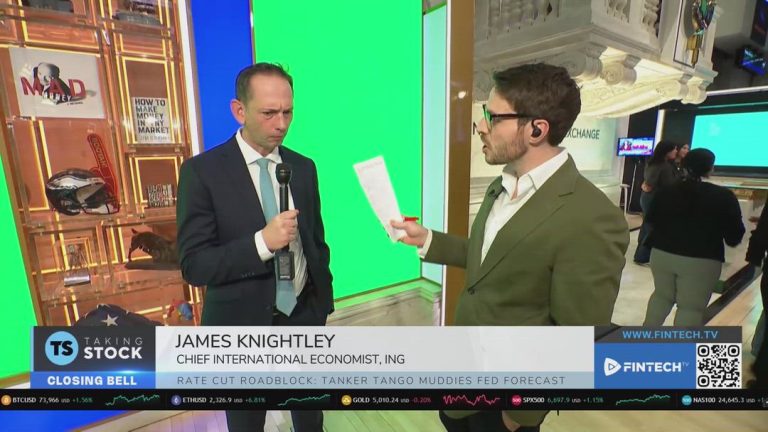
James Knightley, Chief International Economist at ING, joins from the floor of the New York Stock Exchangeto break down the latest market moves and global economic outlook. Despite ongoing volatility and geopolitical uncertainty, markets remain surprisingly resilient, with the S&P 500 still hovering just below all-time highs. Knightley highlights the strength of the U.S. economy, pointing to low unemployment, solid consumer demand, and continued investment in technology and AI as key drivers supporting the current market environment. However, he notes that sentiment remains closely tied to developments in the Middle East, particularly around the Strait of Hormuz, where any progress toward stability could act as a catalyst for lower oil prices and stronger equity markets.

The conversation also turns to a busy week for global central banks, including the Federal Reserve, European Central Bank, and Bank of England, with investors closely watching policy signals and economic data. Knightley expects most central banks to hold rates steady while reinforcing confidence in the economic outlook, though he flags Reserve Bank of Australia as one to watch for a potential surprise move. Looking ahead, he also emphasizes the importance of business investment trends in the U.S., noting strong growth in tech and AI-related capital expenditure but raising concerns about a lack of broader investment across other sectors. As markets navigate inflation pressures, labor market signals, and global uncertainty, Knightley provides key insights into the forces shaping the next phase of the economic cycle. 

Blockfills bankruptcy, Ethereum sale, Bitcoin milestone, Datavault Tokenization

0

Chicago-based crypto mining company Blockfills has filed for Chapter 11 bankruptcy in the U.S. Bankruptcy Court for the District of Delaware. The company reported estimated assets between $50 million and $100 million, with liabilities ranging from $100 million to $500 million. According to the company, the filing follows extensive discussions with investors, clients, and creditors as it seeks a path forward through restructuring.

Meanwhile, the Ethereum Foundation sold 5,000 ETH to Tom Lee’s BitMine in a deal valued at about $10.2 million. The funds will support the foundation’s core operations, including protocol research and development and ecosystem grants as part of a broader treasury strategy balancing Ethereum and fiat assets.

The Bitcoin network also reached a major milestone after miners produced the 20 millionth Bitcoin, leaving just one million coins left to be mined. Because of Bitcoin’s fixed supply cap, analysts estimate it could take more than a century to mine the remaining coins.

Finally, DataVault AI introduced its Tokenized Legacy platform during Luminary 2026 held during Academy Awards weekend. The platform aims to help entertainment and sports talent monetize and protect their name, image, and likeness (NIL) rights using blockchain technology.

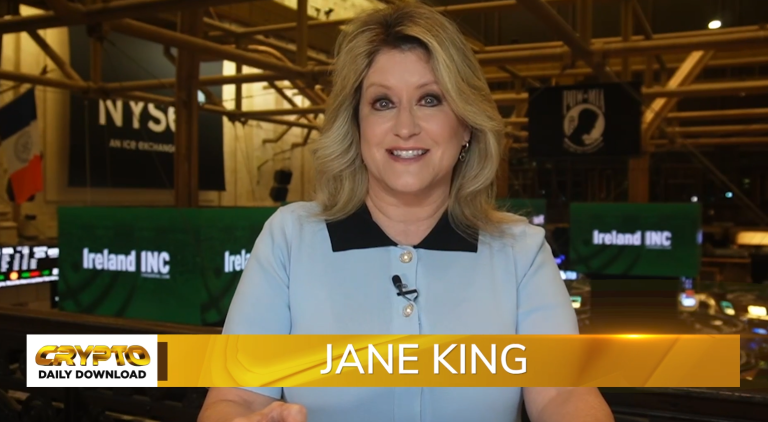
Jane King with the latest from the NYSE.

1099-DA Debut: Why Crypto Traders Must Now Track Their Own Cost Basis

Crypto tax reporting in the United States is entering a new and more complex era. For the first time, digital asset brokers are required to issue IRS Form 1099-DA, creating major implications for investors ahead of the Internal Revenue Service filing deadline.

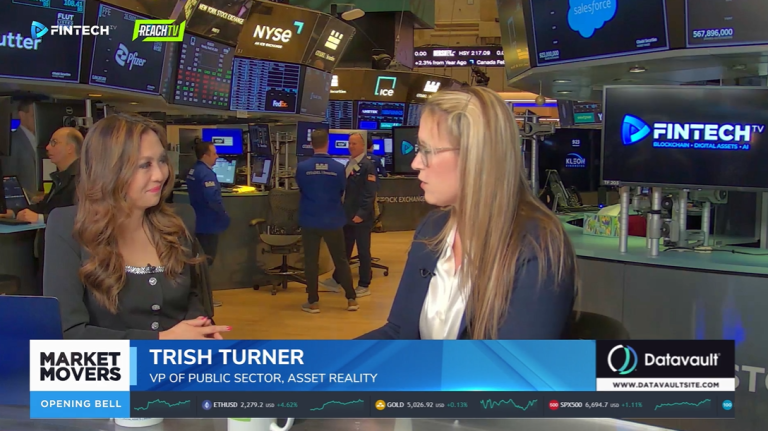
Trish Turner, Vice President of Public Sector at Asset Reality and a former IRS digital assets specialist, joins Remy Blaire to explain what crypto investors need to know as tax season approaches.

A key challenge in the 2026 filing season is that exchanges are currently reporting gross proceeds only on Form 1099-DA. That means if you sold Bitcoin or other digital assets in 2025, you must personally track your cost basis to calculate gains or losses. For many investors—especially those using DeFi, yield farming strategies, and multiple wallets—this could require reconstructing years of transaction history.

Turner breaks down the practical issues tax professionals and investors are encountering, including inconsistent data across exchanges, missing records from defunct platforms, and the difficulty of tracing peer-to-peer transactions.

Turner also shares practical tips for investors who haven’t started their crypto taxes yet—including when it might make sense to file a tax extension before the April 15 deadline.

Yat Siu: Why Bitcoin Could Become the “Digital Gold” of a More Digital Economy

The crypto market is entering a new phase of structural change. After a year where many investors pinned their hopes on political support and the so-called “Trump trade,” the industry is now shifting toward institutional capital, tokenization and artificial intelligence as its primary growth drivers.

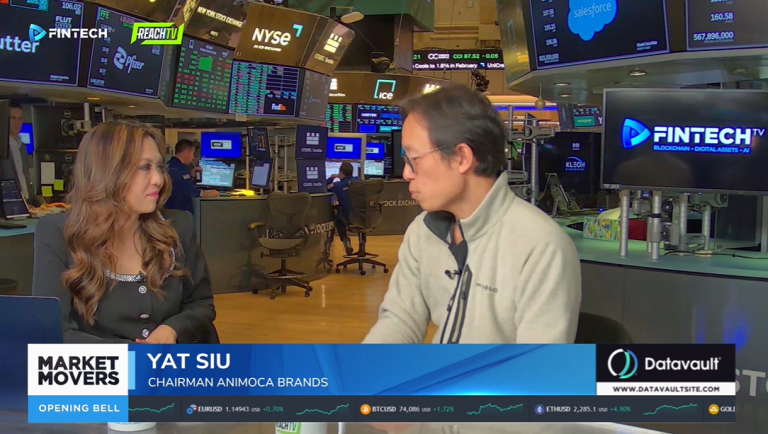
Yat Siu, Chairman of Animoca Brands, joins Remy Blaire to break down the evolving crypto landscape and explains why Bitcoin could increasingly be viewed as digital gold in a more digital global economy.

The conversation also explores how regulatory clarity in the United States—particularly from the U.S. Securities and Exchange Commission—is shaping the future of crypto innovation worldwide. While many in the industry once hoped that President Donald Trump would quickly transform crypto regulation, Siu explains why the industry must continue building adoption organically rather than relying solely on politics.

Another major theme is the rise of tokenization, where real-world assets like gold, stocks, and funds are converted into blockchain-based tokens that can be traded globally with lower fees and faster transactions. This shift is already gaining traction among major financial institutions and expanding access to markets for millions of people worldwide.

The discussion also dives into the powerful intersection of crypto and artificial intelligence, particularly agentic AI—autonomous AI systems capable of executing transactions, managing digital wallets, and interacting on blockchain networks. According to Siu, billions of AI agents could eventually operate on blockchain infrastructure, dramatically accelerating crypto adoption.