
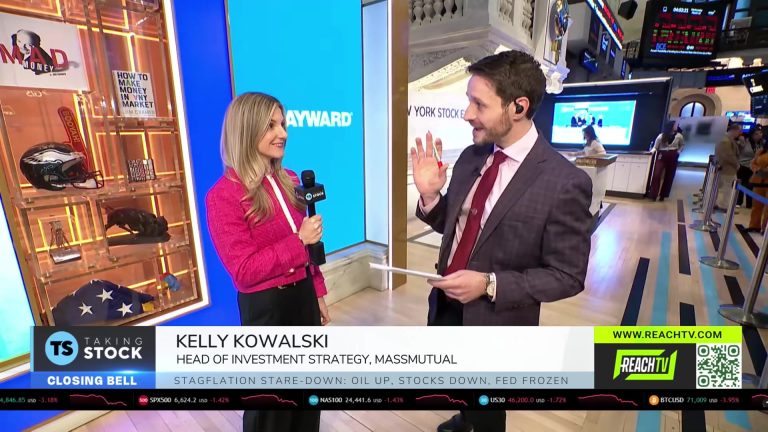
On this edition, Kelly Kowalski, Head of Investment Strategy at MassMutual, joins the show to break down market reactions following the latest Federal Open Market Committee decision and remarks from Jerome Powell. Despite expectations for potential rate cuts, markets turned red amid a hotter-than-expected CPI print, geopolitical tensions, and a cautious tone from the Fed. Kelly highlights that while the Fed maintained some optimism, revising growth higher and keeping unemployment steady, the bar for rate cuts remains high. The conversation also dives into rising Treasury yields, with the 10-year hovering within a critical range, and what a potential breakout could mean for equities in 2026. Looking ahead, Kelly outlines key investment themes shaping portfolios, including persistent geopolitical uncertainty, the rise of “hard asset” strategies, energy sector strength, and the ongoing impact of AI on markets and business models.
Jargon Translator: Order Flow
On this episode of Jargon Translator, Scarlett Sieber breaks down order flow, the stream of buy and sell orders moving through the market. Order flow shows brokers what investors want, helps market makers set prices, and matches trades, acting like traffic patterns but with money instead of cars. It’s incredibly valuable, which is why brokers sometimes sell it to market makers to manage inventory, price trades, and profit from spreads also known as payment for order flow. Controversial? A bit. But it’s also how many commission-free trading apps stay in business. Understanding order flow gives insight into where demand is building, where prices might move, and in a world of algorithms, it’s the closest thing to “reading the room.” Quiet, constant, and essential, that’s order flow.
Oversold Financials & ETF Flows Signal Market Inflection
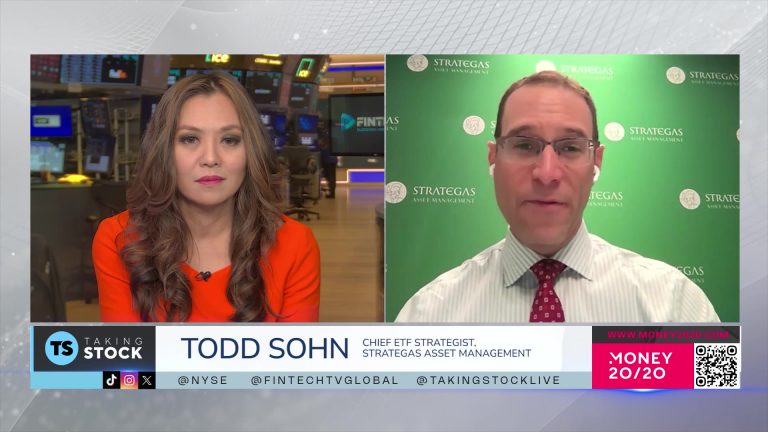
Joining us on this episode of FinTech TV, Todd Sohn, Chief ETF Strategist and Managing Director at Strategas Asset Management, breaks down the latest movements in the financial sector. With the S&P 500’s financials pulling back over 11% and economically sensitive areas like banks and the Mega 7 screening as oversold, Todd explains what this could mean for the broader market. He highlights how ETF flows and megacap banks may be masking underlying weaknesses in insurance, regional banks, and private asset managers, signaling potential stress points in the sector. Todd also weighs in on rising financial ETF trading volumes, private credit concerns, and widening corporate spreads, advising investors to stay alert and consider defensive strategies like low-volatility ETFs and managed futures to navigate potential market turbulence.
Crypto Strategy, Market Trends & Bitcoin’s 2026 Outlook
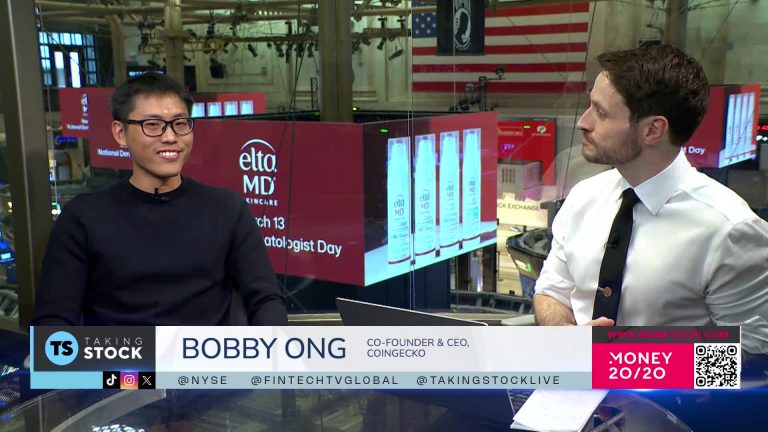
Bobby Ong, CEO and co-founder of CoinGecko, joins us live from the balcony of the New York Stock Exchange to break down how he would allocate $1,000 in today’s crypto market and where he sees the biggest opportunities ahead. From a Bitcoin-heavy approach to exposure in major assets like Ethereum and Solana, Bobby also highlights emerging tokens like Hyperliquid (HYPE), a fast-growing decentralized exchange ecosystem gaining traction for its 24/7 trading and real-world asset exposure. The conversation dives into how macro forces especially expectations around a more dovish Federal Reserve under potential leadership from Kevin Warsh could impact crypto prices through interest rate cuts and increased liquidity. Bobby also shares insights on why Bitcoin continues to react to geopolitical developments, including oil market dynamics, and why regulatory clarity, particularly around the Clarity Act could unlock the next wave of institutional adoption. Wrapping up, he emphasizes the importance of security and self-custody in crypto, while outlining a bullish outlook for Bitcoin heading into 2026, driven by regulation, macro shifts, and improving market sentiment.
100 Years Strong: Hayward CEO on Growth, AI, and the Future of Outdoor Living
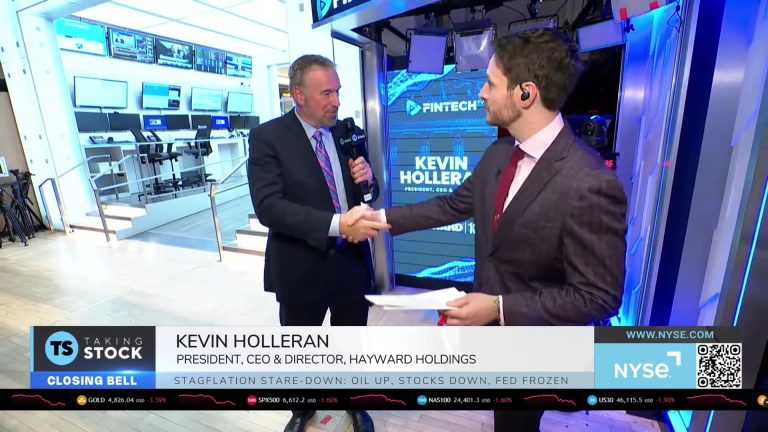
Kevin Holleran, President, CEO, and Director of Hayward Holdings, joins from the FinTech TV booth on the floor of the New York Stock Exchange to celebrate a major milestone, five years since the company’s public listing in March 2021, alongside its remarkable 100-year legacy. Reflecting on the journey, Kevin shares how Hayward has built momentum heading into 2026, driven by its core business of manufacturing pool equipment such as pumps, filters, cleaners, and automation systems that help create backyard spaces centered around wellness and connection. He discusses how the company navigated the surge in demand during the COVID-19 era, subsequent challenges like rising interest rates and inflation, and why long-term trends still favor outdoor living and home investment. Kevin also highlights how Hayward is embracing innovation, particularly through the use of AI to enhance customer service operations, reduce response times, and improve efficiency. As the company enters its next chapter, the focus remains on product innovation, supporting pool professionals, and continuing to shape the future of outdoor living experiences.
The Dual Threat of AI: Job Displacement and the Need for Human Oversight
In this episode of Market Movers, we delve into the evolving landscape of the global economy, particularly in light of advancements in artificial intelligence (AI). Christian Catalini, founder of the MIT Cryptoeconomics Lab, joins Remy Blaire to share his insights on the concept of “counterfeit utility” and the implications of the measurability gap in AI.
We discuss how the rapid acceleration of AI capabilities is outpacing our ability to monitor and verify these technologies, leading to potential risks and unverified debt within our financial systems. As the revenue model shifts from software as a service (SaaS) to liability as a service, businesses must adapt their models to prioritize risk management alongside product output.
Christian highlights the dual threat posed by AI to the labor market, particularly the impact on entry-level jobs and the need for senior experts to continuously enhance their skills. He emphasizes the importance for CEOs to maintain a pipeline of talent capable of scaling AI technologies safely and effectively.
Building Bridges: How KoreInside is Transforming Private Market Infrastructure
Oscar Jofre, co-founder and CEO of KoreInside, joins Remy Blaire to discuss why private markets, which are ten times larger than public markets, require a more efficient and cohesive operational framework. We dive into the rapidly evolving landscape of private capital markets and the critical need for modernization in their infrastructure.
Oscar highlights the recent announcement from KoreInside on transforming their KoreChain stack into an interoperability hub, which aims to bridge regulated private markets with major blockchains like Ethereum and Solana. This innovation is set to enhance the tokenization and trading of real-world assets, marking a significant shift in how these markets operate.
We discuss the importance of regulation, especially in light of SEC Chair Paul Atkins’ remarks about the future of digital securities oversight. Oscar emphasizes that while innovation is crucial, it must be accompanied by a layer of compliance to protect investors. He points out that many economies are transitioning from unregulated environments to more structured frameworks to ensure investor safety.
The conversation also touches on the maturity of the digital asset space, with Oscar noting that infrastructure is key to fostering collaboration among market participants. He expresses optimism about the future, stating that KoreInside is focused on enhancing distribution in private capital markets, connecting the vast amounts of capital sitting in brokerage accounts with the myriad of private companies seeking investment.
The All-in-One Dilemma: Why Unified Platforms May Be Holding Businesses Back
In this episode of Market Movers, we dive into the complexities and challenges associated with all-in-one platforms, particularly in the retail sector. Sam Ranieri, CEO and founder of Reach, joins Remy Blaire to share valuable insights on why these platforms often backfire for businesses.
Sam explains that while all-in-one solutions promise convenience, they are typically designed for easy entry rather than growth and scalability. He highlights a survey indicating that 68% of retailers believe they would have experienced faster growth if they weren’t tied to a single platform.
We also discuss the impact of current market themes such as artificial intelligence and tariffs, which add layers of complexity for businesses. Sam emphasizes the importance of having flexible infrastructure that can adapt to these changes, rather than being constrained by a single platform.
We explore the concept of integrated landing cost infrastructure, which can help merchants avoid unexpected shipping fees and rejections. Sam points out that many platforms force businesses to operate within their constraints, whereas Reach aims to embed itself within the merchant’s existing ecosystem.
Finally, we touch on the role of the merchant of record in e-commerce transactions, clarifying its advantages and the importance of understanding its function in relation to software solutions.
$1B Valuation: How Midi Health Is Redefining Women’s Longevity & Care
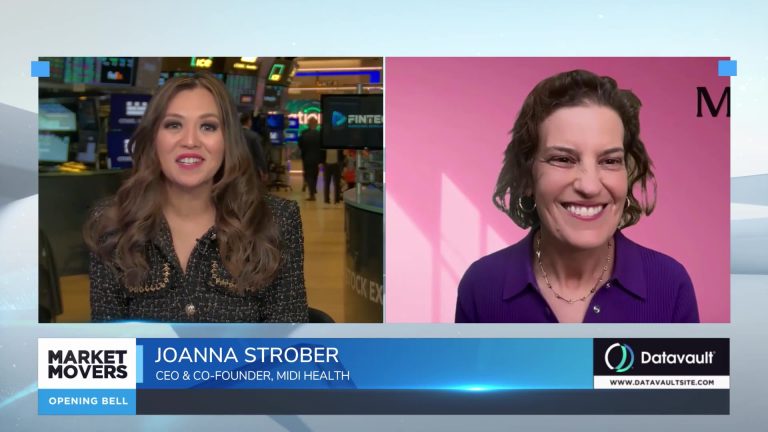
For many women, the healthcare system has long overlooked their needs, especially in midlife and beyond. In this episode, we’re joined by Joanna Strober, CEO and founder of Midi Health, a virtual clinic dedicated to supporting women through midlife across all 50 states. Fresh off a major milestone, a $100 million Series D raise and a $1 billion valuation, Joanna shares the mission behind Midi Health: to help women feel better, stay proactive, and truly thrive as they age. The conversation explores the shift from simply managing symptoms to optimizing long-term health, emphasizing the importance of proactive care in women’s 40s, 50s, and beyond. Joanna also highlights how artificial intelligence is transforming care delivery at Midi Health, improving quality, efficiency, and access to expert support covered by insurance. With ambitions to serve millions of women annually, Midi Health is not only redefining women’s healthcare but also proving that investing in this space can drive both meaningful impact and strong financial returns.
Oil Shocks and Economic Outlook: A Conversation with Chief Economist Jeffrey Roach
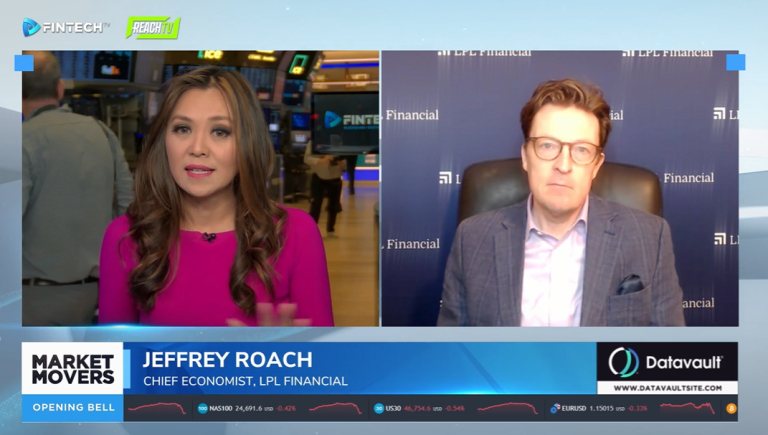
Jeffrey Roach, Chief Economist at LPL Financial, joins Remy Blaire to share his insights ahead of the Federal Reserve’s rate decision. We dive into the current state of the U.S. stock market and the implications of rising oil prices amid ongoing geopolitical tensions in the Middle East. As U.S. stock futures are down sharply, we discuss the shift from a classic risk shock to a terms of trade shock, marking the end of the benign Goldilocks market regime.
We explore the potential impact of the recent conflict on economic projections, with expectations of downward revisions in growth and upward revisions in inflation. Jeffrey anticipates that while rate cuts may be on the horizon for 2026, inflation is unlikely to moderate in the near term.
We also examine the implications of soaring oil prices, with WTI nearing the $100 mark and Brent surpassing it. Jeffrey highlights the different paths for the U.S. and global economies, emphasizing that a sustained oil price above $150 could pose recession risks, although he does not consider this his base case.
For everyday investors, we discuss the critical risks to watch for in the coming weeks, particularly the importance of diversification and the potential for correlations to rise in the event of a global shock. We also touch on the strength of the U.S. dollar and its implications for global central banks, noting that recent macro shocks have led to a deterioration in the global growth outlook.