
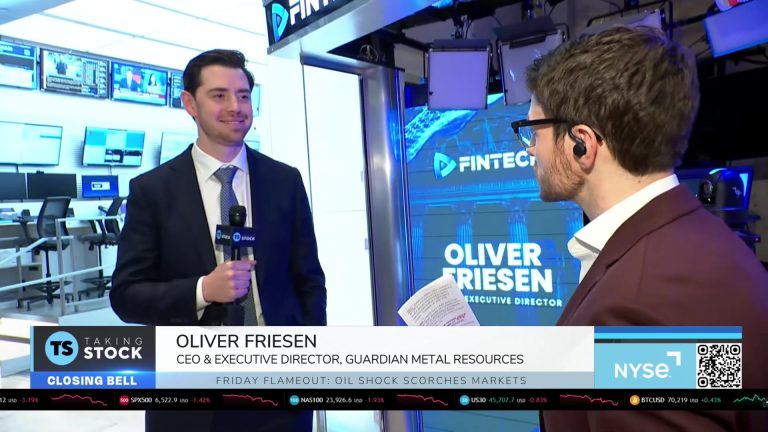
Oliver Friesen, CEO of Guardian Metal Resources, joins from the trading floor of the New York Stock Exchange following a major milestone for the company. Fresh off the bell podium, Oliver shares how the firm is advancing plans to develop two new tungsten mines in Nevada, positioning itself at the center of a critical supply chain opportunity. He explains the importance of tungsten one of the densest metals with the highest melting point and its essential role across defense, aerospace, energy, semiconductors, and renewable technologies. With over 90% of global supply currently dominated by countries like China, Russia, and North Korea, Guardian’s mission to build domestic U.S. production carries significant national security implications. The conversation also highlights why Nevada is a premier mining jurisdiction, the company’s strategic advantage operating on U.S. soil, and how access to U.S. capital markets will accelerate drilling, engineering, and development efforts. Looking ahead, Oliver outlines the company’s roadmap to bring these projects into production by 2028, marking a pivotal step toward strengthening domestic resource independence.
From Nevada to National Security: The Race to Build U.S. Tungsten Supply
SLR Relief Ends: The Fed’s Hidden Move That Shook Banks
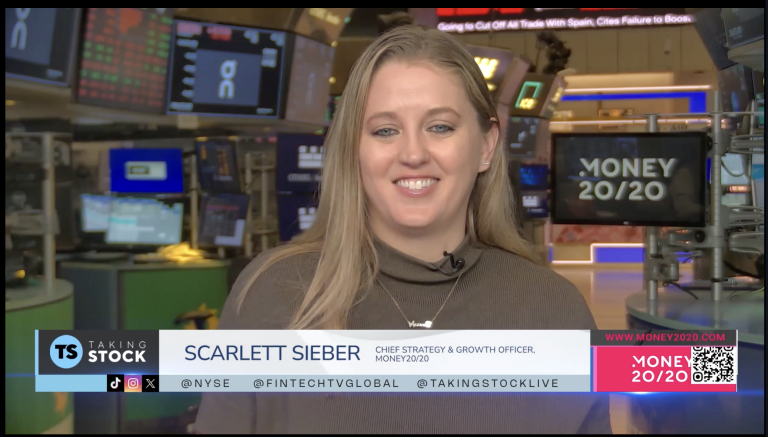
In this episode of Money20/20, Hindsight, Scarlett Sieber rewinds five years to March 19th, 2021, when the Federal Reserve announced it would not extend Supplementary Leverage Ratio (SLR) relief, a pandemic-era measure that temporarily eased capital requirements for banks. Essentially, banks had been able to ignore certain assets like Treasuries and Fed deposits when calculating leverage a regulatory “work from home in sweatpants” moment. But on that day, the sweatpants era ended. Banks suddenly needed more capital, Treasury markets shifted, dealer inventories adjusted, bond yields moved, and fixed income traders felt the impact immediately. Though not headline-grabbing, this plumbing-level event reshaped balance sheet management and liquidity across the financial system. The lesson? Temporary relief is exactly that temporary and banking stability is built one disciplined rule at a time, even in chaotic markets.
How AI is Bringing Big Investment Power to Everyone
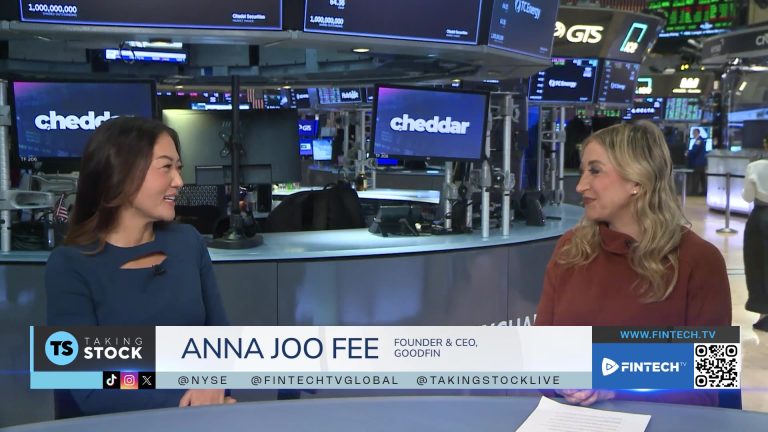
Anna Joo Fee, Founder & CEO of Goodfin, joins in to explore how AI is transforming investing for retail investors. Goodfin sits at the intersection of AI and wealth, offering investment opportunities in high-growth private companies across sectors like AI, defense, space, and robotics. Anna explains how the platform uses advanced AI models to automate complex research and investment workflows that traditionally required large institutional teams, making professional-grade insights accessible to individual investors. From generating detailed research reports in minutes to orchestrating dozens of AI “agents” working semi-autonomously, Goodfin is redefining how people analyze, access, and act on investment opportunities. Anna also dives into the challenges of building the platform from the ground up, the breakthroughs in AI models over the past few years, and the unprecedented opportunities this technology unlocks for democratizing financial expertise.
Resonate Wealth Insights: Market Volatility, Oil Shocks & Defensive Investing
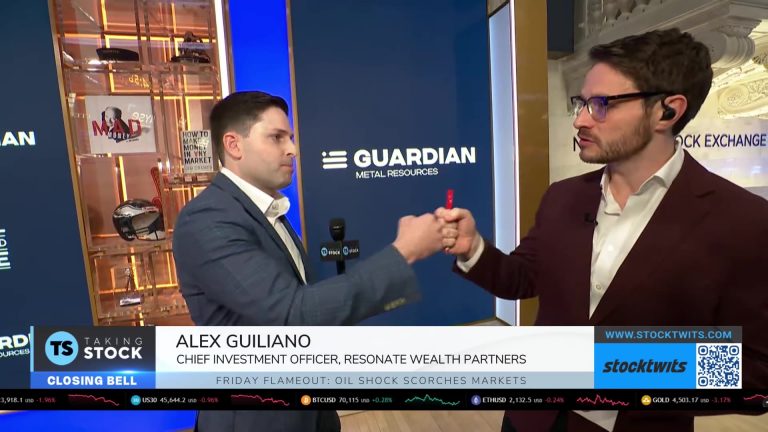
Alex Guiliano, Chief Investment Officer at Resonate Wealth Partners, joins us on the trading floor of the New York Stock Exchange to break down a volatile session marked by heavy options activity and heightened geopolitical uncertainty. With markets deep in what he describes as the “middle phase” of a geopolitical event, Alex explains how investors should think about volatility, drawing parallels to past shocks like the Russia-Ukraine War. He highlights how oil price surges impacting both inflation and equities are often driven by short-term headlines, urging investors to focus instead on whether these shifts represent structural changes or temporary disruptions. The conversation also explores how markets can move ahead of sentiment, why waiting for clarity may mean missing opportunities, and how investors are reassessing portfolio positioning after a strong year for equities. Looking ahead, Alex shares insights on defensive strategies, including dividend-paying stocks and potential opportunities emerging from recent market pullbacks, emphasizing the importance of staying disciplined and using volatility as a chance to reset long-term investment strategies.
How Blockchain Could Solve AI Misinformation & Transform Global Finance
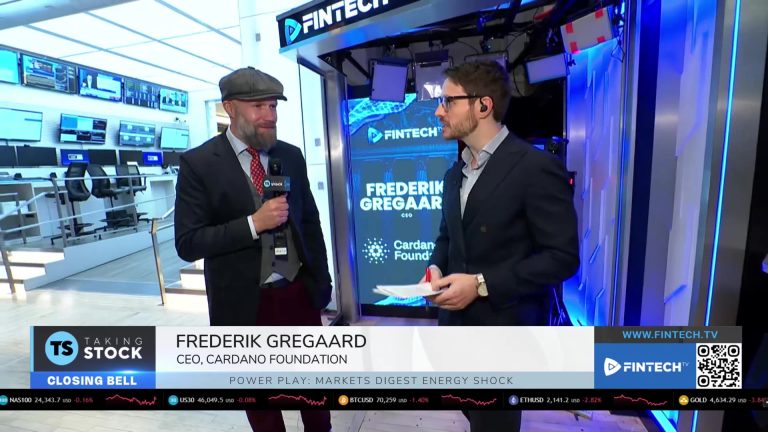
Frederik Gregaard, CEO of the Cardano Foundation, joins in from the trading floor of the New York Stock Exchange to discuss how blockchain is transforming trust, verification, and the future of global finance. He explains how blockchain technology can be used for cryptographic verification of earnings, enabling real-time transparency and helping investors confidently trust company data especially in an era increasingly shaped by AI-driven misinformation and deepfakes. Frederik also compares the evolving regulatory landscape between the European Union and the United States, highlighting frameworks like MiCA and emerging U.S. legislation that could accelerate blockchain adoption at scale. The conversation dives into how decentralized ledgers can combat misinformation through verifiable data and multi-party validation, as well as how Cardano is supporting enterprise use cases, including AI-driven systems that rely on blockchain for identity, security, and collaboration. Looking ahead, Frederik outlines a bold vision for the future where blockchain unlocks access for billions of people without formal identity, dramatically expanding participation in global financial systems and redefining the reach of markets worldwide.
Bitcoin Mining vs AI Data Centers & the Race for Electricity
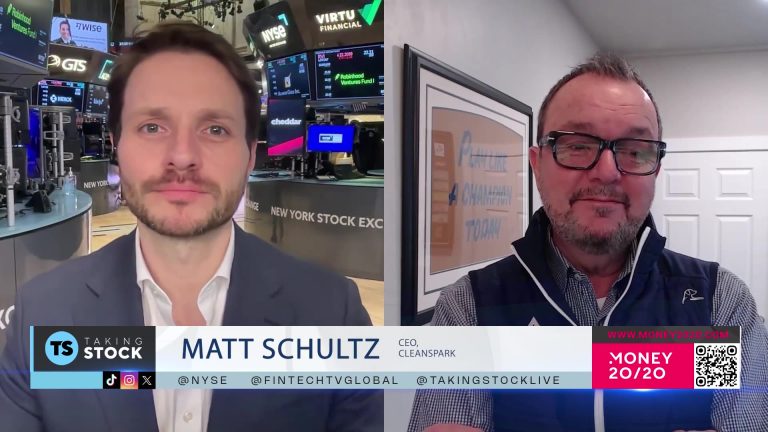
Matt Schultz, CEO of CleanSpark, joins the show to discuss how Bitcoin miners are navigating the growing power crunch driven by the rapid expansion of AI data centers. As demand for electricity surges, Matt explains that Bitcoin miners are uniquely positioned due to their ability to utilize stranded energy assets and operate as “interruptible loads,” meaning they can quickly scale power usage up or down based on grid demand. This flexibility creates a potential synergy with AI and high-performance computing (HPC) data centers, which require consistent uptime. Drawing on insights from a study by Duke University, Matt highlights that there may be significant untapped grid capacity if managed efficiently. He also dives into the intensifying competition for energy, noting that CleanSpark currently controls 1.8 gigawatts of power and is seeing strong demand from hyperscalers looking to secure capacity. The conversation explores why electricity is becoming one of the most valuable assets in the digital economy, the strategic importance of land and power ownership, and how CleanSpark is positioning itself through major site acquisitions in Texas, including developments near Houston and Austin. As the worlds of Bitcoin mining and AI infrastructure converge, Matt outlines how energy strategy will define the next phase of growth across both industries.
Empowering the Next Generation: Money Management in a Digital World

Deepa Raja Carbon, Managing Director & the Vice Chair of the Virtual Assets Regulatory Authority (VARA) in Dubai, joins Children’s Financial Network host Dalia D’Agostino to discuss her fascinating journey into the world of digital finance, particularly how she became involved in regulating virtual assets in Dubai as part of the city’s ambitious growth agenda.
Deepa explains virtual assets in relatable terms, comparing them to the in-game currencies and items that kids are familiar with from popular games like Fortnite and Minecraft. She emphasizes the importance of understanding money in both traditional and digital forms, highlighting three key lessons for young people: the finite nature of money, the economic principles that govern it, and the importance of security in the digital age.
We also touch on the role of video games in teaching financial lessons, with Deepa encouraging parents to view these platforms as opportunities for children to learn about money management through experimentation.
Lastly, we explore Dubai’s rapid transformation into a global financial hub, driven by a visionary leadership that embraces innovation and learning.
Teaching Kids About Money: Insights from Keith Grossman on Financial Literacy
Keith Grossman, President of Moonpay, joins Children’s Financial Network host Dalia D’Agostino to discuss the importance of financial literacy for kids and share personal stories that shaped their understanding of money.
Keith reflects on his entrepreneurial journey starting at the age of 12, where he launched a computer consulting business to save for his first car. He emphasizes the significance of setting ambitious financial goals and how those lessons can be shared with the next generation.
Daria, who has her own YouTube channel dedicated to teaching financial literacy to kids, shares her mission to make finance relatable and accessible. Together, they explore how media created for children can empower them to understand money, the economy, and emerging technologies like cryptocurrency.
Discover practical advice for parents, schools, and the finance industry on closing the opportunity gap for students facing financial hardship. This episode is packed with valuable insights and actionable steps to help kids navigate their financial journeys.
Smart Money Habits for Kids: A Conversation with Carey Halio

Carey Halio, Global Treasurer at Goldman Sachs, joins Children’s Financial Network host Dalia D’Agostino to discuss the importance of financial literacy for kids and how to instill smart money habits from an early age. Carey emphasizes the fundamental concepts of earnings, spending, and saving, which are applicable not only to children but also to adults and corporations.
We explore how middle school students can apply risk management principles, such as diversification, to their allowances and small jobs. Carey shares insights from her own experiences, including how her high schooler benefited from a financial literacy class that taught budgeting and the realities of managing money as an adult.
Carey also highlights the challenges children face in understanding money, especially in an increasingly digital world where transactions are often abstract. She stresses the importance of making money concepts tangible and relatable for kids.
Reflecting on her career journey, Carey shares valuable lessons she wishes she had learned at a young age, emphasizing the significance of exposure to diverse experiences and continuous learning. We also touch on her time in the Peace Corps, where she learned about resilience and the economic contributions of women in under-resourced communities.
Finally, we discuss a survey conducted, revealing a disconnect between how adults perceive their communication about money and how children understand it. Carey agrees that simplifying financial concepts could bridge this gap and suggested that visual representations could enhance understanding.
Navigating New SEC Guidance: What It Means for the Crypto Market
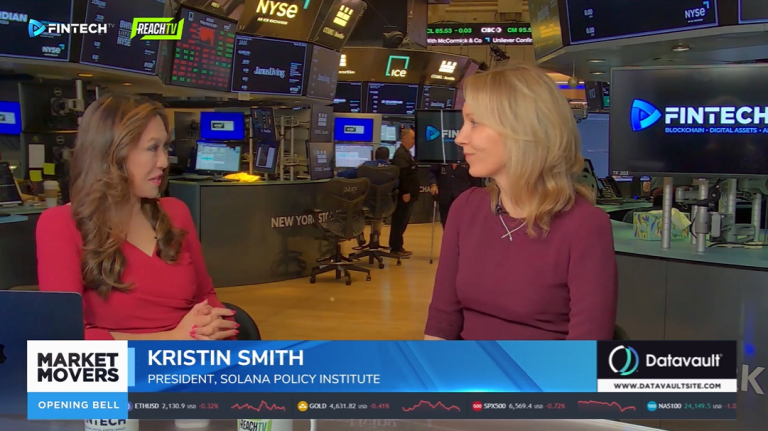
Kristin Smith, President of the Solana Policy Institute, joins Remy Blaire to delve into the latest developments in the crypto market, particularly focusing on the new guidance from the SEC, which has declared that most crypto tokens are not securities.
Kristin emphasizes the importance of the SEC’s guidance, describing it as a substantial document that categorizes digital assets and clarifies the application of the Howey Test. This guidance is expected to bring much-needed certainty to the crypto space, especially as we navigate ongoing legislative efforts.
We discuss the potential paths forward, including the lengthy rulemaking process and the critical need for legislation that solidifies these guidelines into law. Kristin highlights the urgency of getting a bill out of committee before the end of April, especially with the midterm elections approaching, which could complicate the legislative calendar.
As we look ahead, the upcoming Digital Asset Summit in New York and the Senate Banking Committee’s anticipated markup in April are key dates to watch. Kristin points out the importance of bipartisan support for the legislation, particularly in securing votes from both sides of the aisle.
We also touch on the recent no-action letter from the CFTC to Phantom Tech, which underscores the importance of self-custody and individual asset management in the crypto ecosystem. Kristin expresses optimism about the protections being put in place for software developers, which are crucial for fostering innovation in the space.
Finally, we explore the exciting developments in tokenization from major exchanges like NASDAQ and NYSE, which promise to revolutionize capital markets by lowering costs and expanding access for mid-sized companies.