[stock-market-ticker symbols=" ^NYA;CRYPTO:BTC;CRYPTO:ETH;CRYPTO:USDT;CRYPTO:USDC;CRYPTO:BNB;CRYPTO:ADA;CRYPTO:XRP;CRYPTO:SOL;CRYPTO:DOGE " stockExchange="NYSENASDAQ" width="100%" transparentbackground=1 palette="financial-light"]

Home Blog Page 42

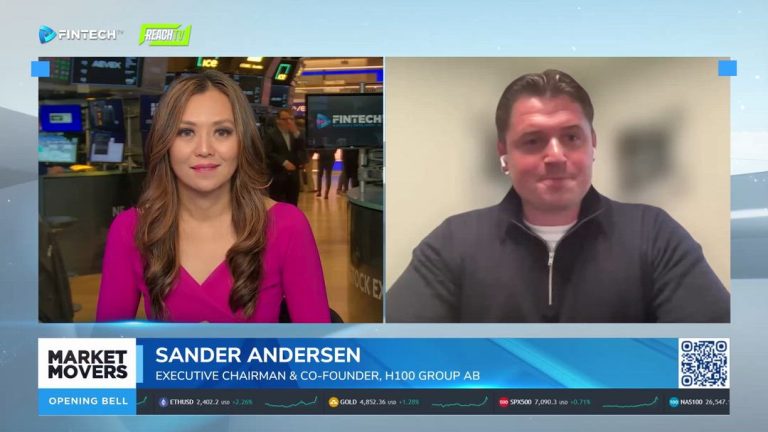
Bitcoin Rebound and the Re-opening of the Strait of Hormuz Fuel Market Optimism: Insights from Sander Andersen

Sander Andersen, Executive Chairman & Co-Founder of H100 Group, joins Remy Blaire to discuss the recent rally in U.S. stock futures and the positive momentum in the crypto markets, particularly Bitcoin, which has recovered from its February 5th sell-off. This uptick coincides with Iran’s announcement that the Strait of Hormuz is open, providing a favorable backdrop for market recovery.

They explore how treasury companies are evolving beyond financial engineering and developing unique strategies to navigate the bear market.

Sander highlights the importance of Bitcoin treasuries in redefining corporate finance, noting that different regions are adopting varied strategies, with Michael Saylor’s digital credit strategy in the U.S. leading the way. They also discuss the slower adoption of similar strategies in Europe, where there is still significant room for growth.

A key point of the conversation was the significance of Bitcoin per share as a performance indicator for treasury companies, emphasizing that active management is crucial for differentiating these companies from ETFs.

Finally, Sander shares his outlook for Bitcoin, suggesting that while we may not see all-time highs soon, a gradual recovery is beneficial for the industry, paving the way for institutional investment and a more solid market structure.
Eddie Ghabour: Why Strait of Hormuz Stability Is a Best-Case Scenario for Markets

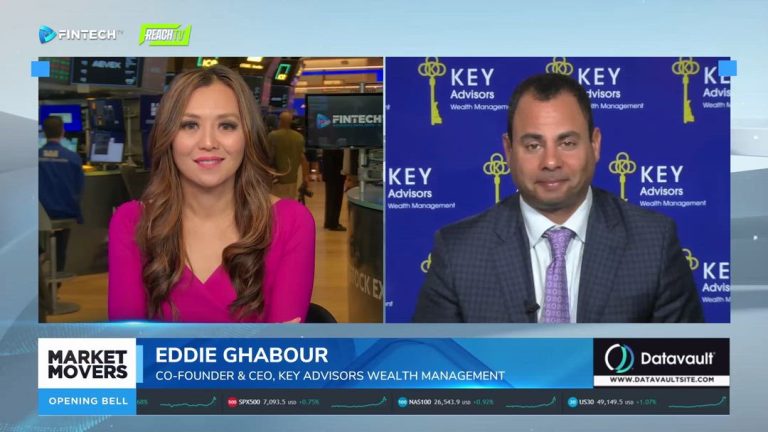
Eddie Ghabour, co-owner and Managing Partner at Key Advisors Group, joins Remy Blaire to dive into the recent developments in U.S. stocks, oil futures, and the implications of geopolitical events, particularly regarding Iran and the Strait of Hormuz. They discuss how the market is reacting positively, with stocks rallying and oil prices dropping significantly. President Donald Trump said the naval blockade on Iran will stay in place until a full agreement is finalized, boosting market optimism.

Eddie shares his insights on the current market conditions, emphasizing that the technical indicators suggest a strong rally and that the worst may be behind us. He believes that small caps, industrials, semiconductors, and software sectors are poised to outperform the S&P 500, driven by an accelerating economy and potential earnings surprises.

They also touch on the resilience of the U.S. market in the face of an energy shock, noting that the economy appears stronger than expected. Eddie predicts a 12% return on the S&P 500 by 2026, highlighting the importance of being positioned correctly for upcoming market trends.

Bitcoin Is Building a Strong $65K Floor as Institutional Demand Surges

0

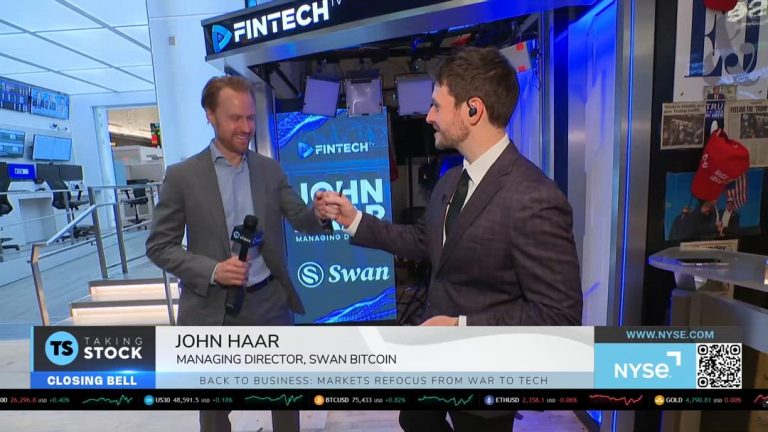
John Haar, Managing Director at Swan Bitcoin, joins in to break down the latest in crypto market action and what’s driving Bitcoin’s current price range. He explains that Bitcoin has remained relatively range-bound between $65K and $75K since early February, with growing confidence that the $65K–$70K level is forming a strong support floor. While it’s still too early to call a major breakout, the stability at these levels suggests a more resilient market compared to previous cycles.

A major factor behind this resilience is the surge in institutional adoption. John highlights moves by firms like Morgan Stanley entering the Bitcoin ETF space as a strong signal that crypto is becoming a long-term portfolio allocation rather than a short-term trend. Unlike past downturns, today’s market is supported by large financial institutions, wealth managers, and advisors who are increasingly integrating Bitcoin into client portfolios.

The conversation also touches on the aggressive accumulation strategy led by Michael Saylor and his company MicroStrategy. Through innovative financing vehicles, the firm is acquiring Bitcoin at an unprecedented pace far exceeding previous years demonstrating growing conviction in the asset’s long-term value.

Markets at Record Highs While Consumers Struggle 

0

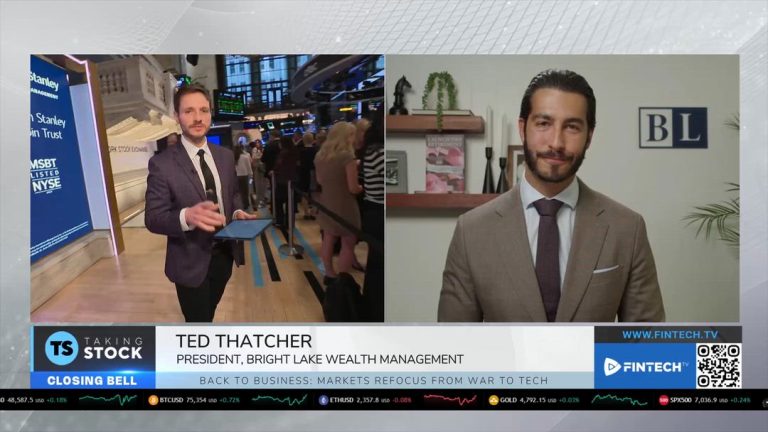
Ted Thatcher, President at Bright Lake Wealth Management, joins in to break down the surprising market dynamics as the S&P 500 pushes past 7,000 and hits fresh all-time highs. Despite the strong rally, Ted highlights a growing disconnect between Wall Street and Main Street, where weakening consumer sentiment and rising financial pressures tell a very different story. He points to a surge in equities driven largely by semiconductor giants like Nvidia, Broadcom, and Micron Technology as a key force behind the recent momentum, even as broader economic concerns linger beneath the surface.

The conversation dives into the state of the consumer, with sentiment levels dropping sharply and inflationary pressures still present. Ted notes that while markets may appear to be brushing off geopolitical risks and macroeconomic stress, indicators like producer prices and household debt suggest that real economic impacts are still working their way through the system. This creates a fragile backdrop where strong market performance may not fully reflect underlying economic realities.

Ted also weighs in on the sustainability of the AI-driven rally, particularly within the tech sector. He highlights Microsoft as a standout opportunity, noting its strong positioning and relatively attractive valuation compared to the broader market. Drawing parallels to Alphabet Inc.’s past recovery, he suggests that fears around AI competition may be overblown, with major tech players still holding significant long-term advantages.

The Future of U.S. Monetary Policy: Insights on Kevin Warsh’s Potential Impact as Fed Chair

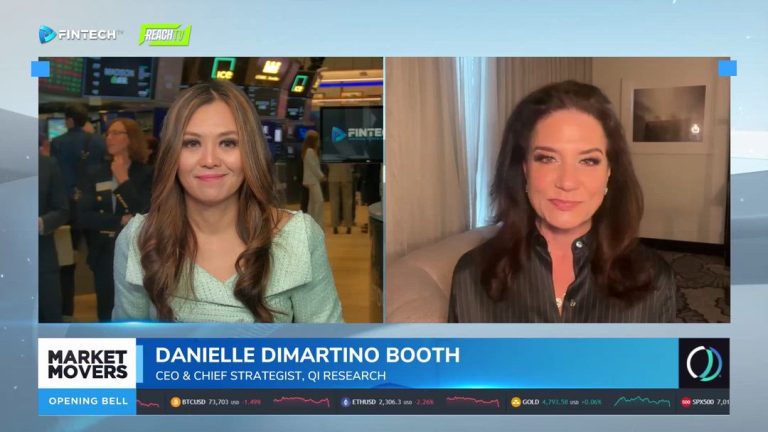
Danielle DiMartino Booth, CEO and Chief Strategist for QI Research, joins Remy Blaire to discuss the complexities surrounding the nomination of Kevin Warsh as the next Federal Reserve Chair. Warsh’s confirmation hearing date has been set, but on the same day, prosecutors intensified their investigation into current Fed Chair Jerome Powell. They discuss the implications of President Trump’s comments, suggesting he may remove Powell if there are delays in Warsh’s nomination.

Danielle emphasizes the legal protections that prevent the firing of a Fed chair once confirmed, highlighting that Powell can remain in his position until a new chair is sworn in. They explore how a Warsh-led Fed might differ in its approach to monetary policy, particularly regarding the use of alternative data measures and the disconnect between formal economic data and the realities faced by Americans.

Danielle also sheds light on the current macroeconomic landscape, noting the challenges posed by rising inflation and the impact of geopolitical conflicts on U.S. households. With many Americans struggling in the gig economy and facing increased costs, we discuss the importance of focusing on real-time data rather than lagged statistics.

Bitcoin’s Resurgence: Institutional Demand Surge, Regulatory Clarity and Market Dynamics

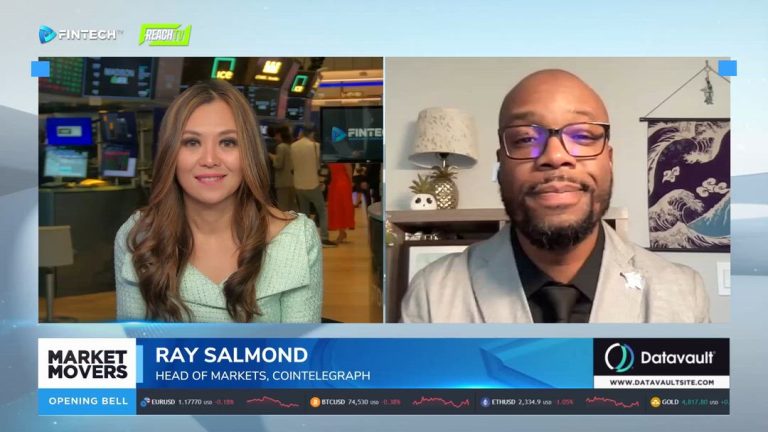
Ray Salmond, Head of Markets at Cointelegraph, joins Remy Blaire to discuss the current state of Bitcoin as it tests critical resistance levels, briefly topping $76,000 amid a weaker U.S. dollar and easing geopolitical tensions. They discuss the significant spike in on-chain data, with hourly exchange inflows reaching their highest levels since late 2025, indicating a resurgence of institutional interest in Bitcoin.

Ray believes we are witnessing a paradigm shift, with Bitcoin becoming a mainstream Wall Street asset, evidenced by substantial ETF flows and new product offerings from major financial institutions like BlackRock and Goldman Sachs.

They also explore why Bitcoin is struggling to break out despite this institutional momentum, with Ray explaining that we are currently trading at range highs and that market sentiment takes time to rebuild after significant price fluctuations. He highlights the complex interplay between macroeconomic factors, including inflation and Fed rate cuts, and how these dynamics are influencing the crypto market.

Additionally, they touch on the importance of regulatory clarity, particularly regarding the Clarity Act, and how it could unlock further institutional capital. Ray provides an update on the legislative progress and the potential timeline for meaningful regulatory advancements.

Fixed Income Markets Under Pressure as Rate Volatility and Geopolitics Shake Bonds

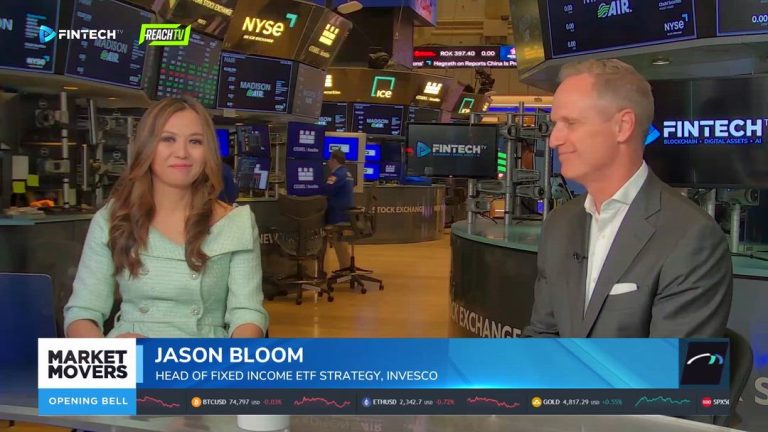
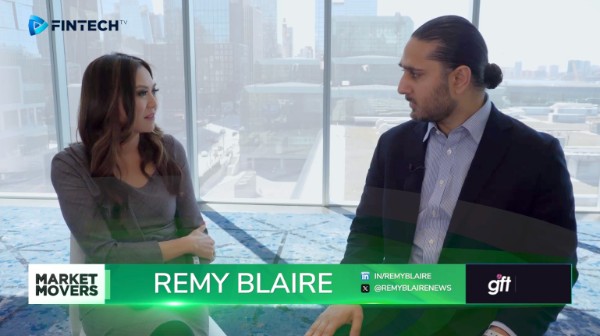
In this episode of Market Movers, Remy Blaire and Jason Bloom, the Head of Fixed Income ETF Strategy at Invesco dive into the current state of the fixed income markets, which have faced significant challenges this year due to volatility in interest rates and geopolitical tensions.

Jason highlights that the bond market is reacting to rising commodity prices and a surprisingly resilient economy, which has shifted market concerns from recession to inflation. They explore the resurgence of interest in floating rate and short duration ETFs, noting that these options provide better risk-reward profiles in a rising rate environment.

As they discuss the upcoming quarter and beyond, Jason emphasizes the value of municipal bonds, particularly in the 10 to 20-year range, which offer attractive yields compared to treasuries. He reassures potential investors that while long-duration bonds can serve as a safety net in economic downturns, there are still opportunities in the fixed income space.

Finally, they touch on the Federal Reserve’s monetary policy, with Jason suggesting that the Fed’s decisions will remain data-dependent amidst the political noise surrounding the midterm elections in 2026.

Why Purpose-Driven Investing Is Reshaping the Future of Finance 

0

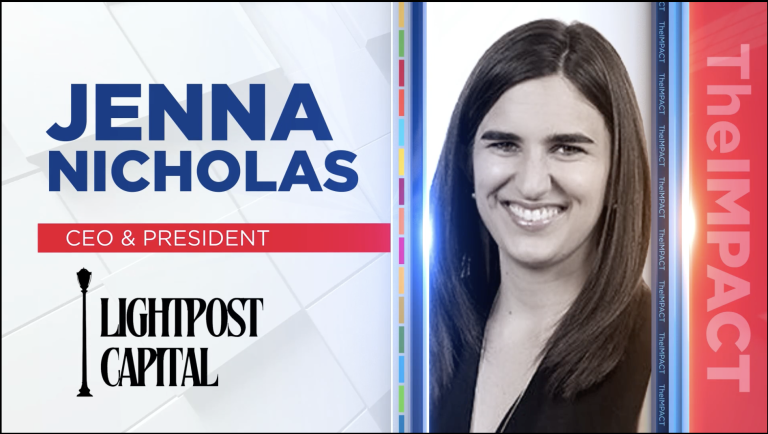
Jeff Gitterman sits down with Jenna Nicholas, CEO & President of Lightpost Capital and author of Enlightened Bottom Line, to explore the intersection of spirituality, purpose, and investing. Jenna shares her personal journey from her upbringing in a values-driven community to her career in socially responsible investing and how those experiences shaped her mission to bridge business, finance, and deeper human purpose.

The conversation dives into her investment philosophy and the inspiration behind her book, highlighting how transformative personal experiences can lead to meaningful structural change in organizations. Jenna introduces her HEAL framework, Hope, Empathy, Abundance, and Legacy as a guide for leaders, investors, and entrepreneurs navigating today’s complex and often uncertain world. Through real-world examples, she explains how simple mindset shifts and intentional practices can reshape how businesses operate and how people connect, even in highly polarized environments.

They also discuss the realities of today’s financial landscape, from fundraising challenges and systemic inequalities to the evolving role of AI in finance. Jenna emphasizes the importance of aligning capital with values, fostering human connection in an increasingly digital world, and recognizing this moment of global uncertainty as an opportunity for transformation. Ultimately, this conversation is a powerful reminder that impact and profitability are not mutually exclusive and that purpose-driven investing can create both meaningful change and long-term value.

S&P 500 Hits 7,000: Why Markets Are Rising Despite Global Chaos

0

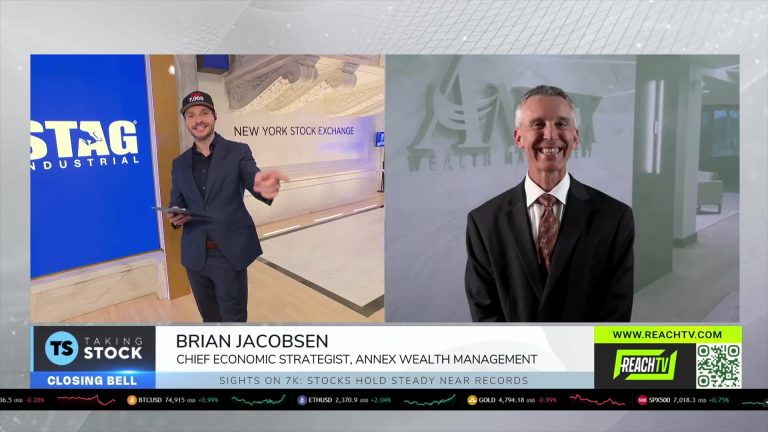
Brian Jacobsen, Chief Economic Strategist at Annex Wealth Management, joins in to break down a historic moment in the markets as the S&P 500 pushes past the 7,000 level. Despite ongoing global uncertainty and geopolitical tensions, Brian explains that markets are demonstrating resilience by looking beyond short-term disruptions and focusing on future growth. He notes that while many expected a downturn, equities have instead moved higher, driven by optimism around what lies ahead rather than current challenges.

The discussion also touches on early earnings season trends, particularly within the banking sector. While results from major institutions have shown some weakness, Brian highlights that provisions for loan losses have come in better than expected, signaling underlying stability. He also anticipates an increase in merger and acquisition activity as the year progresses, further supporting market momentum.

Looking ahead, Brian emphasizes that the health of the consumer will be the key theme to watch, especially as major companies like Netflix and PepsiCo report earnings. With wage growth slowing relative to inflation and businesses facing ongoing cost pressures, the focus will be on how well companies can maintain margins and whether consumer demand remains resilient. While the consumer may not be as strong as last year, Brian sees signs that conditions could stabilize, with clearer skies potentially on the horizon for both businesses and investors.