[stock-market-ticker symbols=" ^NYA;CRYPTO:BTC;CRYPTO:ETH;CRYPTO:USDT;CRYPTO:USDC;CRYPTO:BNB;CRYPTO:ADA;CRYPTO:XRP;CRYPTO:SOL;CRYPTO:DOGE " stockExchange="NYSENASDAQ" width="100%" transparentbackground=1 palette="financial-light"]

Home Blog Page 41

Precious Metals Gain Appeal Amid Rising Volatility and Inflation Risks

Jim Wiederhold, Commodity Indices Product Manager at Bloomberg, joins Remy Blaire to dive into the current geopolitical tensions in the Middle East and their impact on the global crude market. The closure of the Strait of Hormuz by Iran, just a day after promising to keep it open, has resulted in uncertainty as the ceasefire between the U.S. and Iran approaches its expiration.

Jim explains that the situation is highly unpredictable, with a 50-50 chance of a complete ceasefire or continued conflict. He highlights how oil prices have surged due to significant supply disruptions, with 10% of the world’s oil supply still offline. This has raised costs for businesses across various sectors, potentially impacting earnings and leading to increased prices in other commodities, including grains and metals.

They also discuss the role of precious metals in investment portfolios, noting their uncorrelated nature to other asset classes and the recent shifts in market dynamics. Jim emphasizes the growing interest in commodities as a new macro regime emerges in the 2020s, characterized by higher costs and changing global trade patterns.

Additionally, they touch on the cryptocurrency market, particularly Bitcoin, which has shown signs of institutional adoption despite its recent price consolidation. Jim shares his observations on market volatility and the importance of monitoring various indices, including the VIX and the Bloomberg Commodity Index.
Michael Reinking on Market Rally: S&P 500 Tops 7,000 Despite Geopolitical Tensions

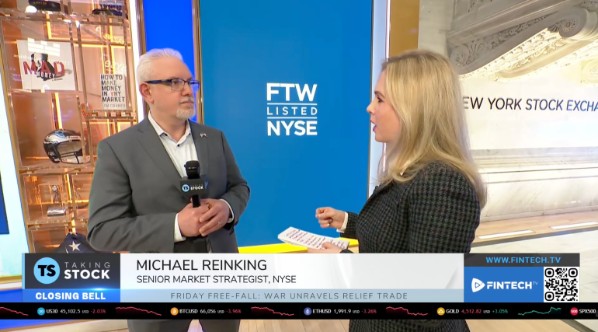
Michael Reinking, Senior Market Strategist at the New York Stock Exchange, joins Remy Blaire to delve into the current state of the stock market as Wall Street anticipates a lower open due to geopolitical tensions between the U.S. and Iran. Despite these concerns, they reflect on the impressive rally seen in the S&P 500, which recently closed above the 7,000 mark for the first time, rebounding significantly since its March lows.

They discuss the notable performance of tech megacaps like Alphabet and Meta Platforms, which have led the charge in this rally. Michael highlights the significant V-shaped recovery we’ve witnessed, driven by a combination of mispositioning in the market and the recent ceasefire announcement.

As they look ahead, they note that this week is crucial for earnings reports, with about 20% of the S&P 500 set to report. We explore the divergence in sector performance, with tech and communications gaining since March 30th, while energy and materials led year-to-date. Michael emphasizes the importance of upcoming earnings, particularly from the software sector, which has seen a bounce after a period of underperformance.

They also touch on key economic data, including retail sales, and the upcoming confirmation hearing for Kevin Warsh. Finally, they discuss the narrow breadth of the recent rally, indicating that while the market has surged, only a small percentage of stocks have reached new highs, suggesting a need for consolidation before further gains.

U.S. Banks See Trading Revenue Surge as Loan Growth Slows

Nathan Stovall, Director of Financial Institutions Research at S&P Global Market Intelligence, joins Remy Blaire to dive into the current state of the U.S. banking sector as earnings season unfolds. The six largest U.S. banks have reported a significant surge in trading revenue, driven by a strategic focus on trading desks rather than traditional loan growth for consumers and mid-sized businesses. Nathan shares insights on the sustainability of this revenue boom amidst ongoing geopolitical tensions and regulatory scrutiny.

Nathan highlights that while some volatility in the markets can be beneficial for trading, excessive uncertainty is not ideal. Despite concerns about hedge fund leverage and potential deal deferrals, the overall sentiment among banks remains optimistic. He emphasizes the importance of the consumer in the economy, noting that while loan growth has been modest, banks are not seeing significant cracks in credit quality or consumer spending.

They also discuss key takeaways from the latest quarterly reports, where Nathan points out that the banks are performing well despite mixed trends in margins and ongoing macroeconomic questions. He mentions that capital returns are looking better due to lower capital requirements, setting a solid foundation for the banks.

Finally, they have a conversation on the implications of stabilizing commodity markets on bank profitability. Nathan explains that while reduced volatility could challenge trading revenues, it may also lead to increased investment banking activity, creating a balanced outlook for the sector.

Institutional Interest in Crypto: Morgan Stanley’s Groundbreaking Bitcoin ETF Launch

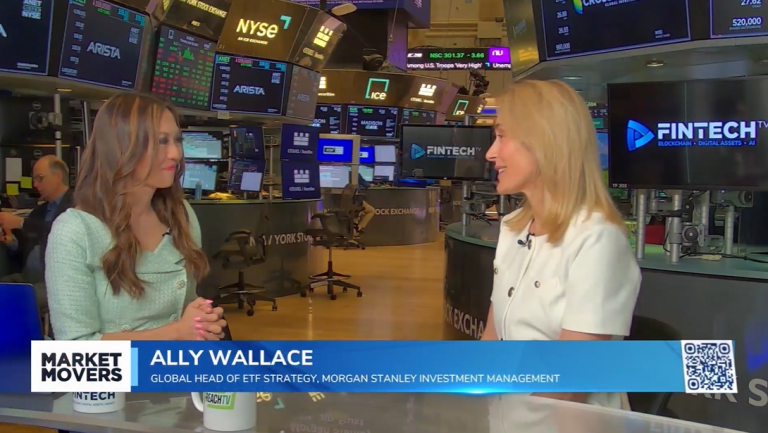
Ally Wallace, the Global Head of ETF Strategy at Morgan Stanley Investment Management, joins Remy Blaire to discuss the launch of Wall Street’s first bank-issued spot Bitcoin ETF.

They discuss the strong institutional interest in the cryptocurrency market, particularly the demand for MSBT, which was launched in response to client requests across various segments, including direct investors, high net worth clients, and institutional investors. Ally highlights the importance of understanding how digital assets can complement overall investment portfolios, especially as institutional investors begin to recognize the long-term potential of cryptocurrencies.

Ally elaborates on the structural advantages of MSBT, emphasizing its competitive fee of 0.14%, which is the lowest in the market for a Bitcoin ETF. They also explore the innovative dual custodial model that combines a native digital custodian with a traditional bank, aimed at providing security and comfort to investors who may be hesitant about digital assets.

Finally, they touch on Morgan Stanley’s broader ETF strategy, including plans for future cryptocurrency ETFs focused on Solana and Ethereum, and how these products will serve as building blocks for more complex investment solutions.

S&P 500 Hits 7000: Record Rally, Big Tech Leads & Investors Stay Bullish

0

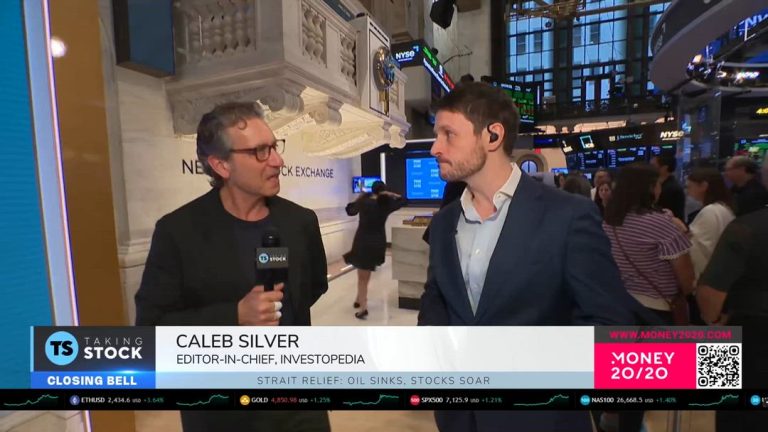
Caleb Silver, Editor-in-Chief at Investopedia, joins to break down a powerful week in the markets as the S&P 500 pushes to fresh all-time highs, crossing the 7000 mark amid a broad-based rally. From transports and financials to semiconductors, nearly every sector is participating in the surge, fueled by improving sentiment and easing geopolitical concerns. While risks like global conflict, oil price spikes, and inflation still linger, investor enthusiasm remains strong, with momentum continuing to drive markets higher in what appears to be an extended relief rally.

Despite ongoing uncertainty, retail investors are staying the course leaning into familiar names like Apple, Microsoft, and Amazon, along with major chipmakers. Over the past several weeks, buying activity has concentrated around these large-cap leaders, while some investors have taken profits in stocks like Netflix and select oil plays. Even as consumer sentiment data, such as the latest University of Michigan survey, hit historic lows, investor behavior tells a different story, one driven by expectations of strong earnings growth, projected at over 12% year-over-year.

NBA Playoffs Boom: Record Valuations, Rising Ratings & Thunder Lead the Charge

0

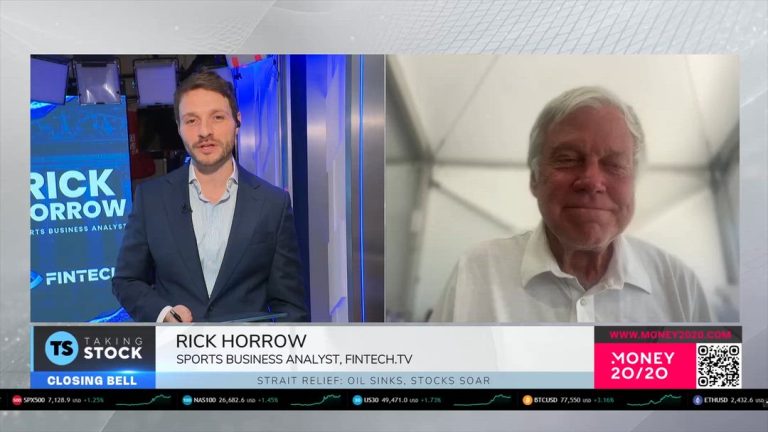
FINTECH.TV’s sports business analyst Rick Horrow breaks down the latest buzz around the National Basketball Association as the playoffs tip off, and the numbers are hard to ignore. Viewership is up roughly 8–9%, fueled in part by the rising popularity of the play-in tournament, which has added fresh excitement and kept more teams and fanbases engaged deeper into the season. From standout performances like Stephen Curry to tightly contested matchups, the new format has delivered drama and boosted ad rates significantly, with playoff games commanding a 25–100% premium. Add in a massive $76 billion media rights deal and new streaming involvement from Amazon, and it’s clear the league is expanding its footprint across both traditional and digital platforms.

Beyond the court, NBA franchise valuations are skyrocketing, with the average team now valued at over $5 billion. Iconic teams like the Golden State Warriors, New York Knicks, and Los Angeles Lakers continue to lead the pack, driven by new arenas, global brand expansion, and the league’s growing international appeal especially as it aligns with global events like the Olympics. Even smaller-market teams are seeing massive valuations, highlighting how strong the business of basketball has become. With potential expansion cities like Las Vegas and Seattle reportedly pushing toward $10 billion franchise bids, the ceiling keeps rising.

Cleve Mesidor on Bitcoin Strength and S&P 500 Surge to Record Highs

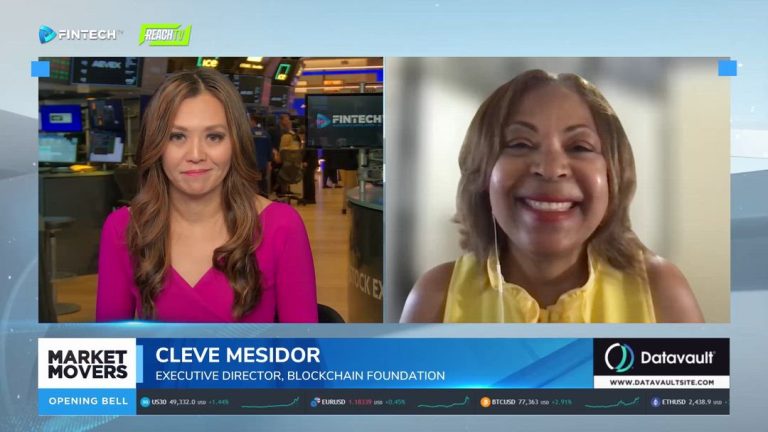
Cleve Mesidor, Executive Director of the Blockchain Foundation, joins Remy Blaire to discuss the recent record highs on Wall Street, with the S&P 500 surpassing 7100 and Bitcoin holding strong above the 77,000 mark. They also have a conversation on Ethereum’s rise and Solana briefly topping $90. Amidst this financial backdrop, they explore the ongoing developments in cryptocurrency regulation, particularly focusing on the Clarity Act, which aims to resolve the jurisdictional disputes between the SEC and CFTC.

Cleve emphasizes that while we may not fully understand the factors driving Bitcoin’s price, the growth of the industry and the increasing involvement of traditional financial institutions in tokenization are significant indicators of its robustness.

They also delve into the complexities surrounding the Clarity Act, highlighting the importance of bipartisanship in advancing crypto policy. Cleve points out that while progress has been slow, there are ongoing discussions and efforts in Congress to address key issues, including decentralized finance oversight and taxation.

Earnings Season Insights: Will Tech Stocks Sustain Their Momentum?

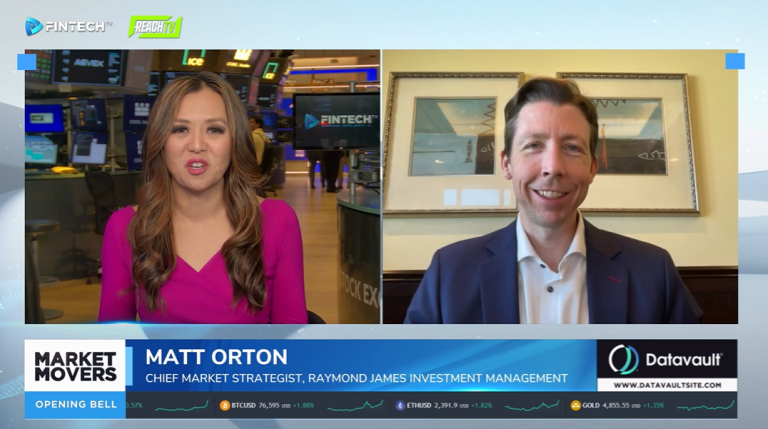
Matt Orton, Chief Market Strategist at Raymond James Investment Management, joins Remy Blaire to discuss the significant market developments as equities rally and oil prices plunge following Iran’s announcement that the Strait of Hormuz is open for commercial vessels.

They explore the potential durability of the market rally, especially in light of strong earnings reports from major banks and the upcoming earnings season for technology companies. Matt emphasizes the importance of company fundamentals and expresses optimism about the earnings power of tech giants, particularly as they navigate the current economic landscape.

They also touch on inflation concerns, with Matt suggesting that easing oil prices could provide the Federal Reserve with the flexibility to cut rates later this year, helping to anchor inflation expectations. He highlights the resilience of the U.S. economy and the positive sentiment surrounding technology stocks, especially those involved in significant capital expenditures.

Additionally, they discuss the divergence between semiconductor and software stocks, with Matt advocating for semiconductor investments as a more reliable play for sustainable revenue growth in the long term. He points out the ongoing demand for cybersecurity solutions as a potential area of interest within the software sector.

As they wrap up, Matt shares insights on key levels to watch in the S&P 500 and reiterates the importance of focusing on long-term growth opportunities, even amidst market fluctuations.

Bitcoin Rebound and the Re-opening of the Strait of Hormuz Fuel Market Optimism: Insights from Sander Andersen

Sander Andersen, Executive Chairman & Co-Founder of H100 Group, joins Remy Blaire to discuss the recent rally in U.S. stock futures and the positive momentum in the crypto markets, particularly Bitcoin, which has recovered from its February 5th sell-off. This uptick coincides with Iran’s announcement that the Strait of Hormuz is open, providing a favorable backdrop for market recovery.

They explore how treasury companies are evolving beyond financial engineering and developing unique strategies to navigate the bear market.

Sander highlights the importance of Bitcoin treasuries in redefining corporate finance, noting that different regions are adopting varied strategies, with Michael Saylor’s digital credit strategy in the U.S. leading the way. They also discuss the slower adoption of similar strategies in Europe, where there is still significant room for growth.

A key point of the conversation was the significance of Bitcoin per share as a performance indicator for treasury companies, emphasizing that active management is crucial for differentiating these companies from ETFs.

Finally, Sander shares his outlook for Bitcoin, suggesting that while we may not see all-time highs soon, a gradual recovery is beneficial for the industry, paving the way for institutional investment and a more solid market structure.