[stock-market-ticker symbols=" ^NYA;CRYPTO:BTC;CRYPTO:ETH;CRYPTO:USDT;CRYPTO:USDC;CRYPTO:BNB;CRYPTO:ADA;CRYPTO:XRP;CRYPTO:SOL;CRYPTO:DOGE " stockExchange="NYSENASDAQ" width="100%" transparentbackground=1 palette="financial-light"]

Home Blog Page 29

Bridging TradFi and DeFi: Corpay’s Innovative Partnership with JPMorgan and BVNK

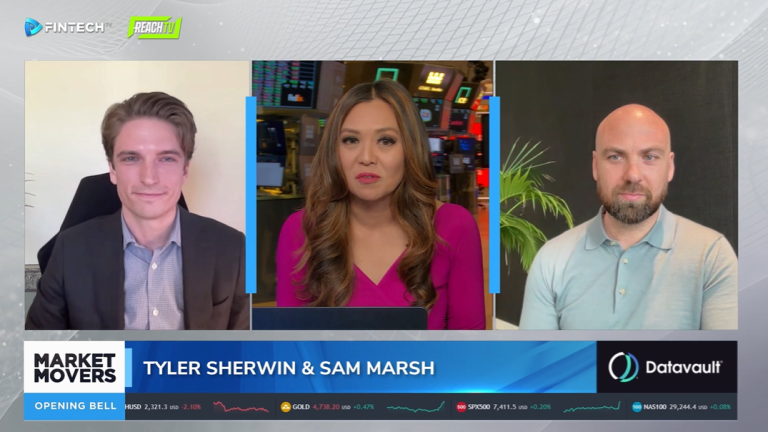
Sam Marsh, Chief Commercial Officer at Corpay Cross-Border, and Tyler Sherwin, VP, Banking, Cards & Capital Markets at BVNK, join Remy Blaire to explore the collaboration among Corpay, JPMorgan Chase, and BVNK to enhance cross-border payments through blockchain technology.

Sam explains that integrating blockchain-based settlement into Corpay’s multi-rail system is designed to expand options for clients, particularly by enhancing treasury capabilities and liquidity. The partnership with BVNK focuses on stablecoin interoperability, allowing clients to send, receive, store, and convert stablecoins seamlessly within their existing fiat payment systems.

Tyler elaborates on BVNK’s role in simplifying the complexities of blockchain payments, emphasizing the importance of safety and compliance in making blockchain technology more accessible. He also shares his excitement about Mastercard’s acquisition of BVNK, which he believes will enhance their ability to provide a compliant and technologically sound solution for clients.

They also discuss the upcoming Senate Banking Committee markup on the Clarity Act, which both guests believe could significantly accelerate the stablecoin industry. Tyler highlights the importance of this legislation in bridging the gap between traditional banking and blockchain innovation, while Sam believes that regulatory frameworks are essential for mainstream adoption of blockchain payments.
Why Markets Keep Hitting All-Time Highs Despite Global Tensions

0

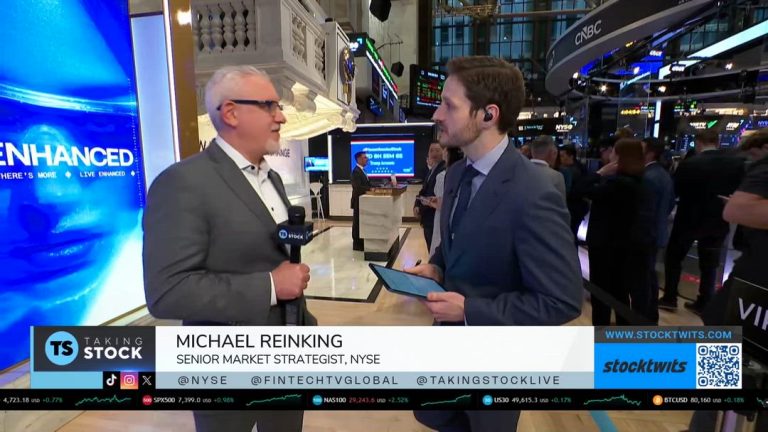
Fresh all-time highs continue to fuel Wall Street optimism, and according to senior market strategist Michael Reinking, the driving force behind the rally is clear: AI and stronger earnings revisions. Despite ongoing geopolitical tensions, rising energy prices, and uncertainty surrounding Iran, markets have powered higher for six straight weeks, with the S&P 500 briefly touching 7400. Michael explained that investors have had to balance concerns about global conflict with the overwhelming momentum coming from the AI spending boom, which continues to drive massive gains across the technology sector. For the first time this year, the market-cap-weighted S&P 500 has started outperforming the equal-weighted index again, signaling renewed leadership from mega-cap tech names.

Semiconductors remain the standout performers, with the semiconductor index surging more than 10% for the week and an incredible 70% year-to-date. Meanwhile, software stocks, which had lagged earlier in the year amid fears surrounding AI disruption and “vibe coding,” finally showed signs of recovery following several strong earnings reports. Cybersecurity names also rebounded sharply, with Fortinet leading the charge. On the economic front, Michael described the latest April jobs report as a mixed but overall positive picture. While wage growth softened slightly and higher-paying sectors like financial services and information services showed weakness, the economy still added more than 100,000 jobs, far above the estimated break-even pace for unemployment stability. He noted that the Federal Reserve remains on hold for now, with investors far more focused on AI growth and market momentum than near-term rate policy. Even with mixed messaging around ceasefire talks and geopolitical tensions, investors appear confident that diplomacy will ultimately prevent major escalation, helping markets continue their push higher.

The Future of Sports, Supplements & Human Optimization

0

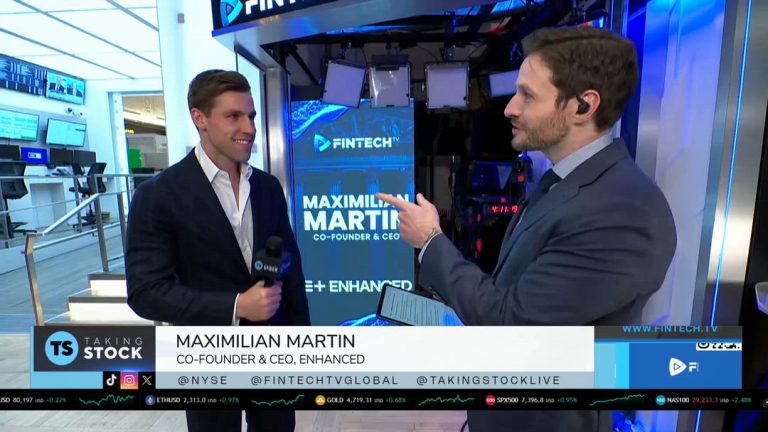
Maximilian Martin, co-founder and CEO of Enhanced, joined the show on the day the company officially listed under ticker ENHA, fresh off a strong first trading day. In the interview, Max broke down Enhanced’s bold vision of helping people “live enhanced” through two core business segments: elite sports and consumer health optimization. The company’s sporting arm powers the upcoming Enhanced Games, a high-energy competition featuring track, swimming, and weightlifting, designed more like the Super Bowl than the Olympics, complete with live performances from The Killersand million-dollar prizes. Enhanced promotes the medically supervised use of FDA-approved performance-enhancing substances to help athletes recover faster, prevent injuries, and push human performance to new levels with some athletes already reportedly breaking world records during training.

Beyond sports, Enhanced is building a consumer platform focused on supplements, longevity, hormone therapies, and peptides aimed at helping everyday people improve performance, recovery, and overall health. Maximilian showcased products like “Stronger” and “Longer,” highlighting ingredients such as Urolithin A, which supports mitochondrial and cellular health. He also revealed that longevity entrepreneur Brian Johnson will appear at the Enhanced Games as the event’s first “human enhancement expert.” Looking ahead, Maximilian says Enhanced plans to expand into endurance sports like marathons, cycling, and triathlons while also working with artists and celebrities focused on optimizing performance and health. The first-ever Enhanced Games will take place in Las Vegas over Memorial Day weekend, and if early training results are any indication, fans could witness history in the making.

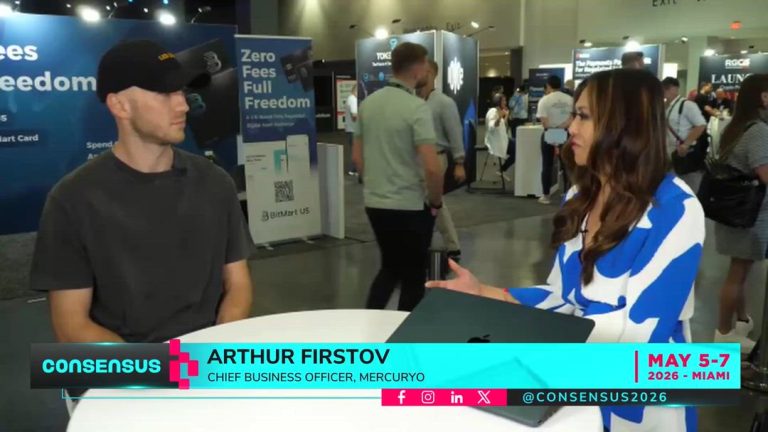
Stablecoins, AI and Automation Set to Reshape the Future of Finance: Insights from Arthur Firstov

Arthur Firstov, the Chief Business Officer at Mercuryo, joins Remy Blaire at Consensus 2026 Miami to discuss the evolving landscape of digital assets and the conference’s theme of convergence, highlighting the growing intersection of traditional finance and the crypto world.

Arthur shares his insights on the increasing institutional presence at events like Consensus, noting that more enterprises are engaging with the digital asset space than ever before. He emphasizes Mercuryo’s focus on payments and emerging technologies, including stablecoins and neobanks, and how they are acting as a consultancy to help various partners navigate this complex environment.

They explore the current pain points in the industry, particularly the fear surrounding new technologies and the importance of privacy in blockchain transactions. Arthur highlights the role of automation and the potential for financial agents to facilitate transactions without human interaction, paving the way for a more efficient future.

As they look ahead, Arthur speculates on the future of digital assets and the integration of AI, envisioning a world where financial companies operate in a SaaS model, similar to Stripe. He also addresses the ongoing balance between innovation and regulation, emphasizing the need for compliance to evolve alongside technological advancements.

Bringing Crypto Back to the U.S.: The Need for Comprehensive Market Structure

Ji Hun Kim, the CEO of the Crypto Council for Innovation, joins Remy Blaire at Consensus 2026 Miami to discuss the state of the U.S. crypto industry and the urgent need for clear regulatory frameworks. They discuss the importance of passing comprehensive market structure legislation. Ji highlights that a significant portion of crypto activity is currently happening outside the U.S., with 88% of centralized exchange activity and 75% of stablecoin volume occurring in foreign jurisdictions.

They also explore the national security implications of crypto regulation, emphasizing the need for the U.S. to lead in establishing cohesive policies to foster innovation and attract crypto activity back to the country. Ji shares his unique perspective as a former federal bankruptcy law clerk, explaining how his background equips him to navigate the crypto industry’s complex regulatory landscape.

As they delve into the current legislative process, Ji outlines the steps needed for the Senate to move forward, including a potential markup from the Senate Banking Committee. Additionally, they discuss CCI’s recent integration with the Digital Energy Council, which aims to enhance advocacy efforts in Washington and beyond.

Finally, they reflect on the positive energy surrounding the crypto community, particularly at events like Consensus 2026 in Miami, where industry leaders and policymakers come together to discuss the future of digital assets.

Coinbase earnings, Block outlook, Kalshi value, Ramp raise

In today’s episode of Crypto Daily download, Jane King covers several significant developments in the cryptocurrency and fintech sectors.

First, Jane highlights Coinbase’s recent earnings report, which revealed a loss attributed to falling crypto prices impacting their primary revenue source, spot trading. In response, Coinbase is diversifying its revenue through subscription services and stablecoin offerings.

Jane also highlights Block’s first earnings report since CEO Jack Dorsey made substantial workforce cuts. Despite the job reductions, Block is optimistic about future profits and growth, particularly in the AI sector.

Prediction market startup Kalshi has announced a remarkable $1 billion Series F funding round, doubling its valuation to $22 billion in just five months. The company reported an impressive 800% increase in institutional trading activity on its platform.

Finally, Jane touches on Ramp, a corporate card and expense management startup, which is embarking on a $750 million fundraising effort, aiming for a valuation exceeding $40 billion. Ramp serves a diverse clientele, from family farms to space startups, and offers a wide range of financial services.

Jane King with the latest from the NYSE.

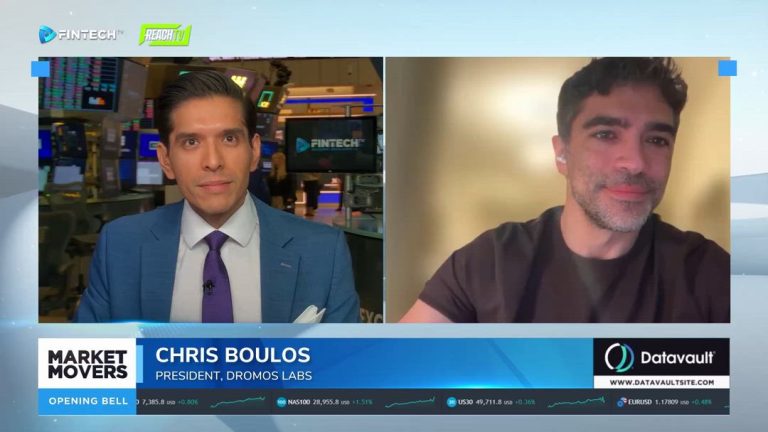
Predictive Allocation Could Reshape Decentralized Exchanges: A Conversation with Chris Boulos

Chris Boulos, President of Dromos Labs, joins Johny Fernandez to discuss developments in decentralized exchanges (DEX) and the upcoming launch of Aero, a unified protocol of decentralized exchanges Aerodrome and Velodrome.

They delve into the concept of Predictive Allocation, a new initiative that aims to enhance liquidity in DEX markets. Chris explains how this mechanism differs from traditional methods by using market mechanisms to predict where liquidity will be needed, allowing for more efficient compensation of liquidity providers. This innovative approach not only improves execution for traders but also aligns incentives in a decentralized manner.

They also discuss the importance of native tokens in the current market landscape. Chris emphasizes that tokens must provide real value and utility to attract investment and ensure long-term success. He notes a significant shift in investor interest towards tokens that offer concrete benefits.

Additionally, they touch on the rising ratio of DEX spot volume compared to centralized exchanges, which has surpassed 24% in Q1. Chris highlights that this trend is not just a temporary spike but part of a long-term shift towards on-chain activity, driven by better technology and user experience.

Stablecoins Becoming the Backbone of Global Payments: Insights from Kevin Lehtiniitty

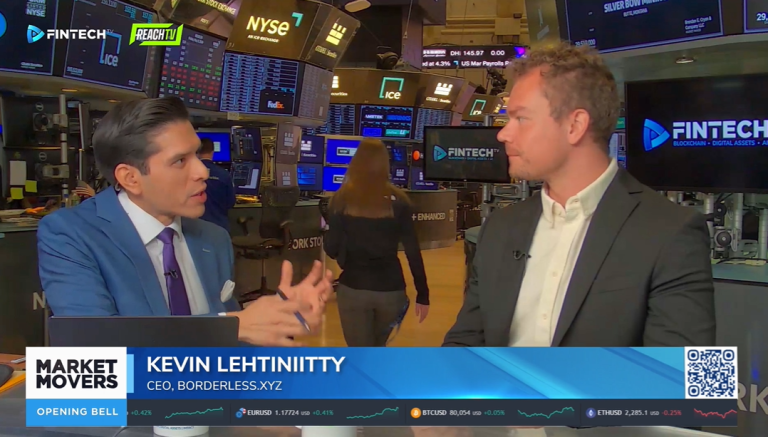
Kevin Lehtiniitty, CEO of Borderless.xyz, joins Johny Fernandez to dive into the evolving landscape of the cryptocurrency industry, focusing on the recent trend of major crypto companies, such as Circle and Coinbase, applying for national trust bank charters with the OCC. Kevin sheds light on how this move signifies a merging of traditional finance and blockchain infrastructure, allowing crypto companies to operate under similar regulations as traditional financial institutions.

They explore the significant growth of stablecoins, especially in the realm of cross-border payments, where transaction volumes have skyrocketed from $100 million to over $6 billion annually. Kevin explains how stablecoins serve as a global asset, creating real-time bridges between fragmented local payment networks.

Additionally, they discuss the global regulatory framework for stablecoins, highlighting the challenges posed by differing regulations across countries. Kevin emphasizes the need for a network that connects these regulated entities to facilitate communication and transactions.

Finally, they touch on the Clarity Act and its potential impact on the industry. Kevin shares his perspective that while the Act may not significantly change the payments landscape in the U.S., it could play a role in unlocking stablecoins as a savings mechanism in emerging markets.

Empowering Young Professionals: The Rise of Gen Tech AI in Personal Finance

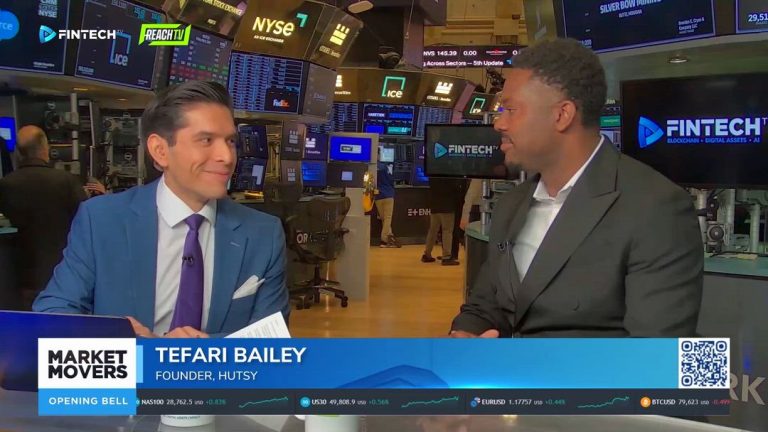
Tefari Bailey, founder of Hutsy, joins Johny Fernandez to dive into the world of Gen Tech AI and its transformative potential for young professionals seeking financial advice. Tefari discusses how agentic AI can revolutionize personal finance management for the 75 million young professionals in the U.S. who currently lack access to financial advisors.

Tefari explains the concept of agentic AI, detailing how it can automate tasks like tax filing and transaction disputes, while also providing personalized financial recommendations. Discover the daily financial habits that can empower young people to take control of their finances and learn why traditional fintech companies are shifting towards creator-led growth.

They also explore the importance of data privacy and security in financial apps, and Tefari shares insights about Hutsy, a digital CFO designed specifically for young professionals. With features like daily financial briefings and a chat function for personalized advice, Hutsy aims to help users build credit, stabilize cash flow and access affordable loans.

Sean Bill on Michael Saylor’s Dividend Strategy Shift: What It Means for Bitcoin Holders

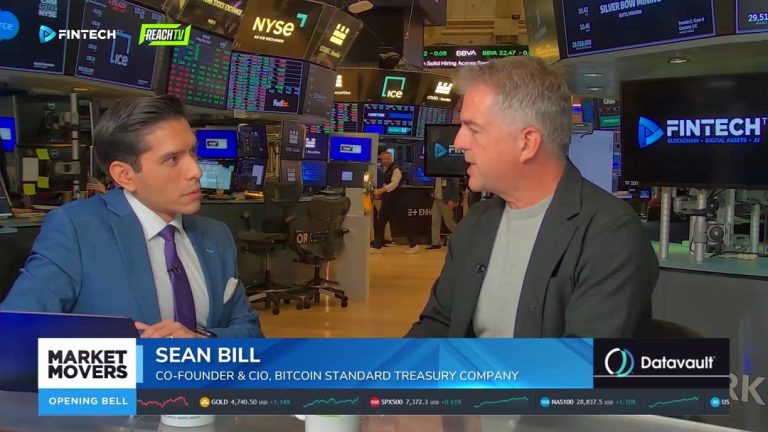
Sean Bill, co-founder and CIO of Bitcoin Standard Treasury Company, joins Johny Fernandez to dive into the latest developments in the cryptocurrency market, particularly focusing on Bitcoin. They kick off with a recap of the stock market’s performance following a better-than-expected jobs report, highlighting the Dow, Nasdaq and S&P 500’s gains, while Bitcoin has dipped below $80,000.

Sean provides insights into the technical support levels and resistance points for Bitcoin, suggesting a potential range trade in the near term.

A significant topic of discussion is Michael Saylor’s recent comments about possibly selling some Bitcoin to fund dividends, which contrasts with his well-known stance of never selling Bitcoin. Sean shares his thoughts on this strategy and the implications it may have for Bitcoin holders.

They also explore the current state of Bitcoin treasuries and how consolidation within the industry may lead to a few major winners, similar to other technology sectors. Sean discusses his company’s plans to go public next month and the potential to become the second-largest Bitcoin treasury company.

Finally, they touch on the future of layer two solutions, particularly Agentic AI’s preference for Bitcoin and the opportunities for faster, confidential transactions using technologies like Blockstream Liquid.