[stock-market-ticker symbols=" ^NYA;CRYPTO:BTC;CRYPTO:ETH;CRYPTO:USDT;CRYPTO:USDC;CRYPTO:BNB;CRYPTO:ADA;CRYPTO:XRP;CRYPTO:SOL;CRYPTO:DOGE " stockExchange="NYSENASDAQ" width="100%" transparentbackground=1 palette="financial-light"]

Home Blog Page 28

How Darling Ingredients Turns Food Waste Into Renewable Fuel and Profits

0

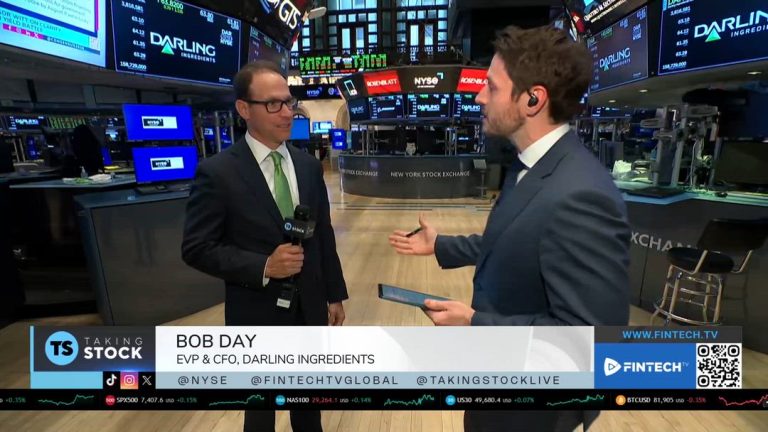
Darling Ingredients is positioning itself at the center of the global sustainability and renewable fuels movement as the company continues transforming agricultural waste into high-value products used across food, energy, and health industries. Speaking to J.D Durkin, Executive Vice President and CFO Bob Day discussed the company’s growing momentum following its Investor Day and highlighted why Darling believes now is the right time to showcase its long-term growth strategy. After navigating the COVID era and waiting for key renewable fuel policy developments, the company says it is entering a new phase focused on expansion, innovation, and rising global demand for sustainable solutions.

Darling Ingredients is focused on collecting and repurposing animal byproducts and used cooking oil, materials that would otherwise contribute significant methane emissions if discarded. The company converts these waste streams into proteins for animal feed and pet food, collagen products for human health and nutraceuticals, and fats used to produce renewable diesel and sustainable aviation fuel. One of the company’s biggest growth engines is Diamond Green Diesel, its joint venture with Valero, which has become one of the largest advanced biofuel producers in the world. According to Day, the venture is strategically positioned to meet growing demand for cleaner fuel alternatives at a time when global energy supply remains constrained.

Beyond renewable fuels, Darling Ingredients is also seeing major opportunities in collagen and personal health products as consumer demand for wellness and sustainable sourcing continues to rise. Day emphasized that global growth is closely tied to increasing animal production across regions like South America and Asia, where demand for poultry and beef continues to expand. He also noted that one of the biggest misconceptions about the industry is how efficiently food waste and byproducts are already being recycled into valuable resources. As investors increasingly focus on sustainability, circular economies, and energy transition themes, Darling Ingredients believes its business model sits at the intersection of environmental responsibility and long-term profitability.
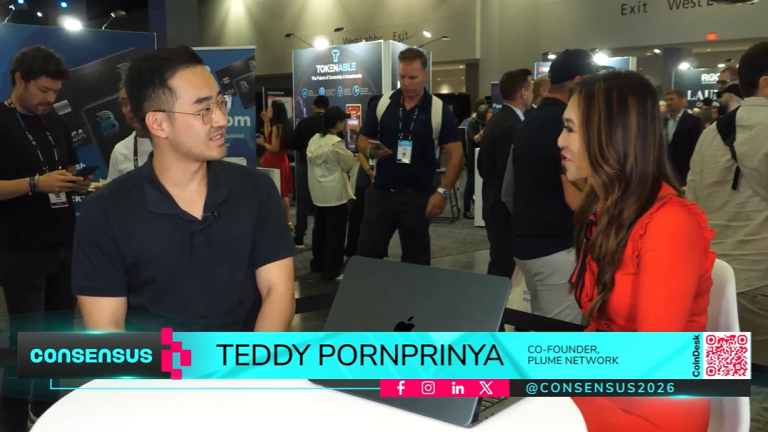
The Future of Tokenized Assets: Exploring the Projected $40 Billion Market with Teddy Pornprinya

Teddy Pornprinya, the co-founder and CBO of Plume Network, joins Remy Blaire at Consensus 2026 in Miami to delve into developments in Real-World Assets (RWAs) finance, particularly the growing trend of tokenization, which is projected to exceed $40 billion by year-end.

Teddy highlights the current “flight to safety” in the Web3 landscape, where many partners are seeking institutional-grade products to mitigate risks associated with recent hacks and exploits in decentralized finance (DeFi). Plume’s main product, Nest, is designed to tokenize institutional-grade assets, allowing users to access stablecoin payouts while investing in these products.

They discuss the importance of compliance in this evolving space. Teddy explains how Plume has integrated compliance features into their platform, ensuring safety for users by screening for illicit finance and enabling asset management capabilities similar to traditional finance.

Convergence at Consensus 2026: Institutional Interest in Blockchain

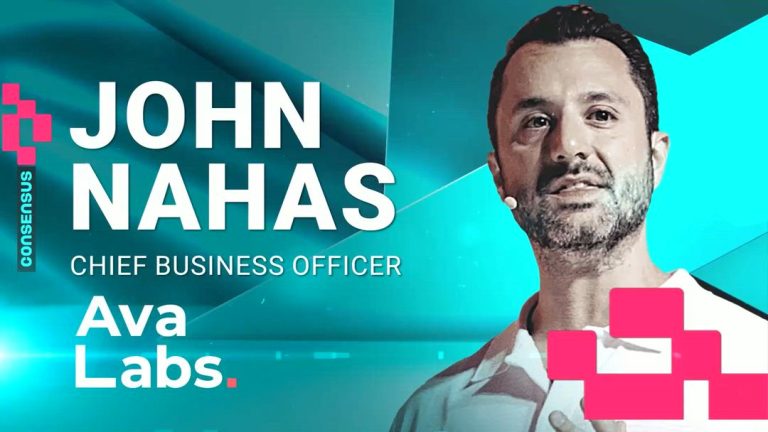
John Nahas, the Chief Business Officer for Ava Labs, joins Remy Blaire at Consensus 2026 Miami to discuss the institutional interest in blockchain technology and how major firms are now sending full teams to explore its potential. Unlike previous years, where only innovation teams would attend, their is a broader engagement from banks, asset managers, and enterprises eager to leverage blockchain for quicker settlements and enhanced operational efficiencies.

John highlights the evolving regulatory landscape, noting that while clarity is still developing, there is a growing comfort among institutions to explore blockchain solutions. He emphasizes that the focus is shifting towards building products that meet client demands while also enhancing business operations.

As they delve into Ava Labs’ mission, John explains how Avalanche stands out by allowing the creation of custom blockchains tailored to specific business needs, whether public, private, or permissioned. Their goal is to tokenize the world’s assets and support companies in optimizing their workflows and services.

They also touch on the theme of convergence at Consensus 2026, with John expressing optimism about the future of blockchain and its integration with AI. He believes that as the industry matures, a proliferation of blockchains will take place, much like the internet transformed information sharing.

Why Central Banks Are Buying Massive Amounts of Gold as Blockchain Reshapes Finance

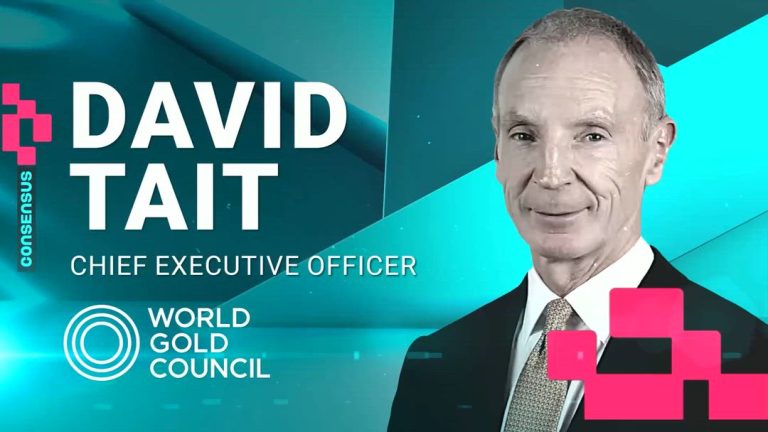
Gold is once again at the center of the global financial conversation as investors navigate rising geopolitical tensions, volatile commodity markets, and growing fears surrounding global debt levels. Speaking at Consensus 2026 in Miami, World Gold Council CEO David Tait explained why he believes the real driver behind gold’s massive rally over the past several years is not simply interest rates or monetary policy, but deep concerns about a potential global debt spiral. While oil prices have fluctuated on optimism surrounding a possible U.S.-Iran deal and gold prices recently pulled back from record highs, central banks quietly accumulated an enormous 244 tons of gold during the first quarter alone. According to Tait, that aggressive buying reflects a broader fear among nations and investors that debt burdens worldwide may eventually become unsustainable. Despite appearing at one of the world’s largest crypto conferences, Tait made it clear that gold and digital assets are not necessarily competing forces. Instead, he argued that gold can serve as an important portfolio diversifier alongside cryptocurrencies like Bitcoin, which he says remain highly correlated to broader risk assets. The World Gold Council is now actively exploring how blockchain technology can modernize the gold market through tokenization and digital infrastructure. Tait explained that while gold-backed digital tokens already exist, adoption has remained limited because investors still worry about transparency, custody, compliance, and whether the physical gold actually exists behind the tokens. To solve this problem, the World Gold Council is working on what Tait describes as “Gold as a Service” a blockchain-powered ecosystem designed to standardize and simplify access to gold while removing many of the operational and regulatory risks that currently exist in the market.

Tait also pushed back against common myths surrounding gold-backed investment products, emphasizing that large gold ETFs like GLD and GLDM are fully backed by physical gold reserves. He believes one of the biggest challenges for the industry moving forward is standardization, ensuring that gold becomes easier to trade, verify, and integrate into modern financial systems. As institutional interest in both blockchain and alternative assets continues to grow, the World Gold Council sees a major opportunity to bridge the gap between traditional stores of value and next-generation digital finance infrastructure. According to Tait, the future of gold may not just be physical bars stored in vaults, but a fully digitized and globally accessible asset class powered by blockchain technology.

Clarity Act Gains Momentum as Coinbase Pushes for U.S. Crypto Leadership

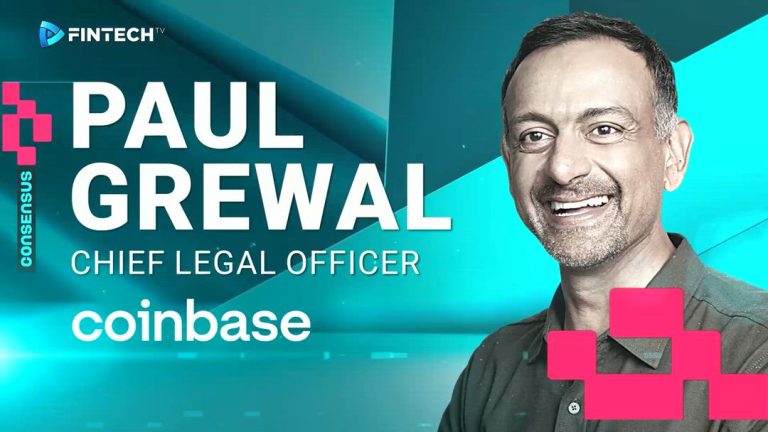
Momentum is building on Capitol Hill as lawmakers move closer to passing the long-awaited Clarity Act, a major piece of crypto market structure legislation aimed at defining how digital assets are regulated in the United States. Speaking from Consensus 2026 in Miami, Coinbase Chief Legal Officer Paul Grewal said recent bipartisan compromises in the Senate Banking Committee represent a major breakthrough for the crypto industry after weeks of negotiations surrounding stablecoin rewards, DeFi protections, and developer liability. While traditional banking groups continue to push back against parts of the proposal, warning that stablecoin adoption could pull deposits away from banks, Grewal believes the overall direction of the legislation is a strong signal that the United States is finally ready to embrace crypto innovation through clear rules instead of enforcement-driven regulation.

Grewal explained that the Clarity Act is about much more than stablecoins. At its core, the legislation aims to establish a clear legal framework for digital assets by defining which tokens fall under SEC oversight, which belong to the CFTC, and how decentralized finance platforms and developers should be treated under U.S. law. He argued that regulatory uncertainty over the past several years has caused significant talent and innovation to leave the United States for jurisdictions with more supportive crypto policies. According to Grewal, passing market structure legislation would restore confidence among developers, entrepreneurs, and investors while helping America remain globally competitive in blockchain technology and digital finance.

The conversation also highlighted the growing political influence of crypto voters heading into the 2026 midterm election cycle. Grewal noted that more than 52 million Americans have owned digital assets and that lawmakers on both sides of the aisle are increasingly aware that crypto policy could impact election outcomes. He also pushed back against the idea that crypto threatens traditional banking, arguing instead that digital assets and traditional finance can coexist in ways that improve financial access, participation, and economic opportunity. With bipartisan momentum continuing to build in Washington, Grewal says the U.S. may finally be approaching a turning point where crypto regulation shifts from uncertainty and lawsuits to a stable framework designed to support long-term innovation.

MoonPay Expands Into AI & Institutional Crypto With Major Acquisitions

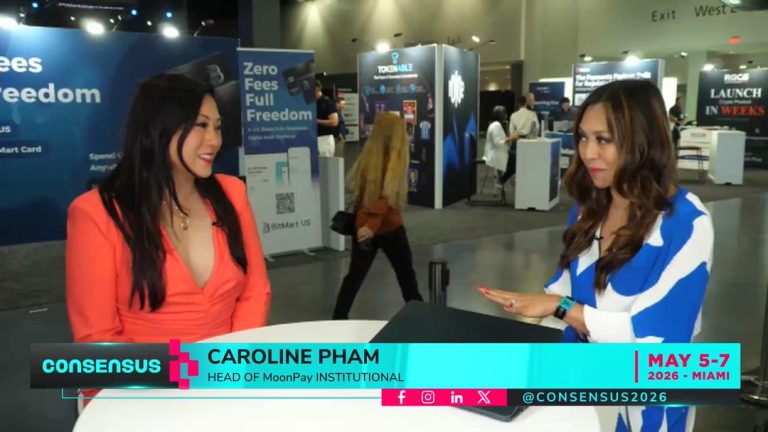
MoonPay is making a major push beyond crypto on-ramps and into the future of global financial infrastructure. Caroline Pham, Head of MoonPay Institutional, joined Remy Blaire to discuss the company’s rapid expansion, including two strategic acquisitions aimed at strengthening institutional crypto adoption. MoonPay recently acquired Solana trading infrastructure platform Deflow and Israeli security startup SoDOT, moves designed to help the company own the entire blockchain technology stack from payments to secure wallet infrastructure. Pham says MoonPay’s long-term vision is to become the “operating system for value,” where users can interact with money as seamlessly as they interact with AI chatbots today.

According to Pham, MoonPay’s infrastructure already operates at massive scale, serving over 30 million users across 180 countries while supporting settlements in more than 120 fiat currencies. She believes the future of finance lies in agentic commerce, where AI-powered financial agents can handle tasks like recurring bill payments, budgeting, trading strategies, and even event planning through simple natural language commands. The company’s institutional expansion also reflects growing demand from traditional financial firms seeking blockchain capabilities without spending years building them internally. MoonPay’s “blockchain-in-a-box” approach aims to bridge traditional finance and decentralized finance while maintaining compliance standards like KYC and AML protections.

Pham also shared her perspective on the evolving regulatory landscape, arguing that regulators must modernize financial market rules to allow blockchain technology to function as core financial infrastructure. Drawing on her experience in Washington and traditional finance, she emphasized the need for technology-neutral regulations that support blockchain-powered trading engines, collateral systems, and recordkeeping. On artificial intelligence, Pham said existing financial risk management frameworks can largely handle AI oversight, though she believes stronger guardrails are needed around transparency, disclosures, and market integrity. Looking ahead, she says 2026 is shaping up to be a defining year for institutional crypto adoption, with MoonPay focused on building more autonomous and intelligent financial experiences for users worldwide.

Wall Street Hits Record Highs as AI Boom Fuels Historic Market Rally

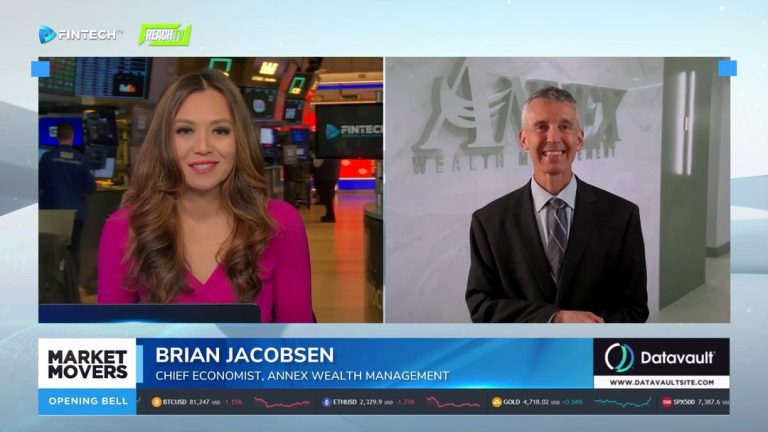
Wall Street continues its historic rally as the S&P 500 notched another record high, marking its sixth straight week of gains, while the Nasdaq Composite posted its strongest winning streak since 2009. Fueled by a massive semiconductor surge, stronger-than-expected U.S. jobs data, and relentless AI investment, markets are charging ahead despite rising geopolitical uncertainty. Annex Wealth Management Chief Economist Brian Jacobsen says the AI super cycle is very real, but warns investors are now asking whether markets have already priced in most of the upside. According to Jacobsen, the next phase of growth may shift away from mega-cap tech and semiconductors toward companies building practical AI applications that can bring innovation directly to businesses and consumers.

At the same time, global tensions remain front and center for investors. Markets are closely watching developments surrounding U.S.-China relations and the ongoing concerns around the Strait of Hormuz, where disruptions could impact global energy prices, especially across Europe and emerging markets. Jacobsen believes any easing of tensions in the oil market could help calm inflation fears and refocus attention on trade and economic cooperation between Washington and Beijing. Meanwhile, investors are also preparing for another major week of U.S. economic data, with inflation reports and labor market figures expected to play a critical role in shaping Federal Reserve policy expectations.

Despite signs of resilience in the economy, mixed labor market signals continue to create uncertainty. While unemployment has ticked higher, jobless claims and layoffs remain historically low, suggesting the economy may still have underlying strength. Jacobsen says more real-time indicators like ADP payroll data and weekly jobless claims may currently provide a clearer picture than traditional government reports. As the Federal Reserve navigates sticky inflation, elevated gas prices, and slowing economic momentum, markets are also preparing for a major transition at the central bank with Jerome Powell’s tenure as Fed Chair coming to an end. Investors now face the question of whether the next Fed leadership era can maintain stability in one of the most unpredictable economic environments in years.

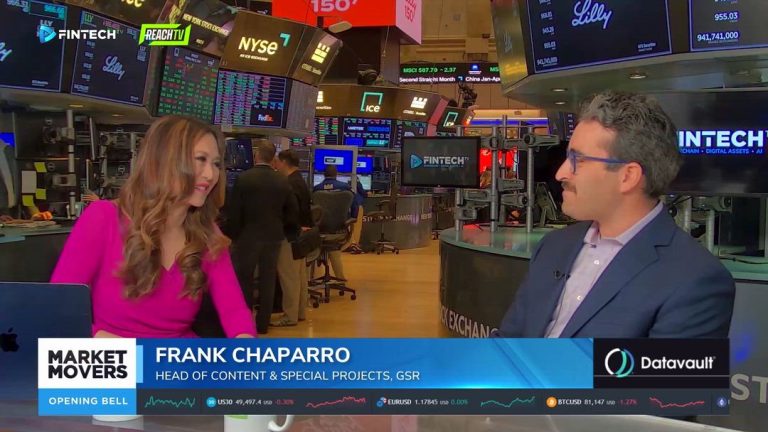
Clarity Act Could Ignite Next Wave of Institutional Crypto Adoption: Insights From Frank Chaparro

Frank Chaparro, Head of Content and Special Projects at GSR, joins Remy Blaire to dive into the recent shifts in the crypto landscape following Consensus 2026 in Miami. The atmosphere has noticeably matured, with a significant presence of traditional finance (TradFi) executives and policymakers, contrasting sharply with the retail fervor seen in previous years.

With the Senate Banking Committee set to mark up a landmark digital asset bill, they explore the potential impact on institutional engagement in crypto. Despite a lull in retail interest, evidenced by low trading volumes, a resurgence in specific sectors like privacy and AI within the crypto space has been noted.

Frank highlights the strong institutional demand, citing recent investments and job openings in digital asset roles at major firms. They also discuss the importance of building a robust market structure to support the growing flow of capital into crypto, emphasizing the need for interconnectivity between traditional banking and crypto markets.

Finally, discover how these developments could ultimately benefit retail investors by creating a more resilient trading environment.

Clarity Act, BlackRock tokenization, Trump Media, NFT comeback? 

0

Today’s headlines are packed with major regulatory moves and institutional shifts that could reshape the market. First up, the Clarity Act is gaining significant momentum as the U.S. Senate Banking Committee prepares for a high-stakes executive session on May 14th. This pivotal legislation aims to finally draw the line between SEC and CFTC jurisdiction over digital assets while setting a firm regulatory framework for stablecoin issuers. Meanwhile, traditional finance giant BlackRock is doubling down on the ecosystem by planning two new money market funds specifically for the “on-chain” investor. They’ve filed paperwork for a digital share class of their $6.1 billion Treasury-based liquidity fund on the Ethereum blockchain, alongside a second vehicle the BlackRock Daily Reinvestment Stablecoin Reserve designed for those who manage their wealth through crypto wallets rather than traditional brokerages.

In the corporate world, the Trump Media & Technology Group reported a staggering $406 million net loss for Q1, a dip almost entirely fueled by unrealized losses on the company’s cryptocurrency holdings. Despite Truth Social’s sales rising 6%, the platform only generated $870,000 in revenue, highlighting the volatility currently hitting crypto-heavy balance sheets. However, the mood is much brighter in the NFT space, which appears to be staging a massive comeback. With the total crypto market cap hovering near $2.8 trillion and trading volumes soaring, analysts are eyeing potential gains of up to 2,800% in specific segments. Leading the charge is the Bored Ape Yacht Club (BAYC), which is seeing a major resurgence in floor prices and trading activity as both retail and institutional “whales” dive back into digital collectibles.

Prime Minister Keir Starmer’s Struggles: Can He Reconnect with the Working Class?

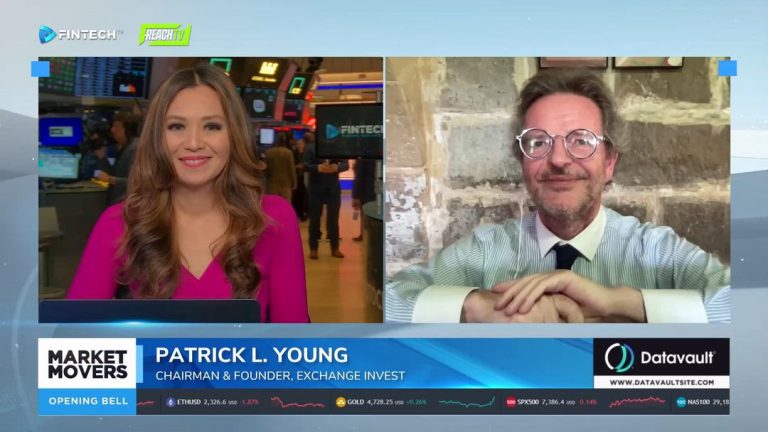
Patrick L. Young, Chairman and founder of Exchange Invest, joins Remy Blaire to delve into the current political landscape in the U.K., focusing on Prime Minister Keir Starmer and the challenges facing his Labour Party. Following significant losses in local council elections, including a historic defeat in Wales after 27 years, Starmer is under increasing pressure from within his party, with many members calling for a timeline for his departure.

They discuss his plan to nationalize British steel as an attempt to reconnect with working-class voters. Patrick highlights that the Labour Party has lost its core working-class support, which is critical for its survival. Patrick also points out that the Reform Party is gaining traction and could potentially become the next major governing party in the UK.

Shifting the focus to international affairs, they touch on the ongoing conflict in the Middle East, particularly the situation with Iran and its impact on oil prices. Patrick shares his views on the precarious position of the Iranian Revolutionary Guard and the challenges they face.

They also discuss the upcoming meeting between President Donald Trump and China’s Xi Jinping, emphasizing the significance of the war with Iran and its implications for global trade, especially for China.

Finally, they address public health concerns regarding the Hantavirus, with Patrick expressing skepticism about assurances from health officials, drawing parallels to the initial responses to covid-19.