[stock-market-ticker symbols=" ^NYA;CRYPTO:BTC;CRYPTO:ETH;CRYPTO:USDT;CRYPTO:USDC;CRYPTO:BNB;CRYPTO:ADA;CRYPTO:XRP;CRYPTO:SOL;CRYPTO:DOGE " stockExchange="NYSENASDAQ" width="100%" transparentbackground=1 palette="financial-light"]

Home Blog Page 27

Consensus 2026: Moomoo CEO Neil McDonald on AI, RWA, and Convergence

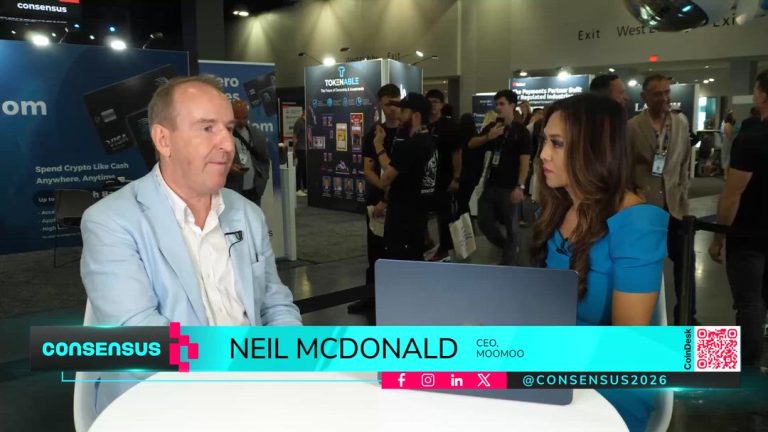
On this episode Remy Blaire sits down with Moomoo CEO Neil McDonald at Consensus 2026 in Miami to explore the ongoing retail revolution and the total democratization of high-level trading tools. McDonald, a veteran with 37 years in the markets, explains how the gap between Wall Street quant desks and everyday investors has finally vanished, with the Moomoo app now offering institutional-grade features like backtesting, algorithm building, and complex option strategy tools directly on a smartphone. He highlights a massive shift toward a “pull economy” where investors demand 24/7 access to global markets, supported by Moomoo’s vast educational resources and a 30-million-strong global community that functions like an internal Reddit for real-time market intelligence.

The conversation dives deep into the cutting-edge role of Artificial Intelligence, specifically the launch of Agentic AI. McDonald shares how this technology allows users to use natural language to build trading bots and analyze past performance without needing to learn Python, effectively doing the “heavy lifting” for investors who have more ideas than time. As the theme of the conference is convergence, the discussion shifts to the explosion of Real World Assets (RWA) and tokenization. McDonald details Moomoo’s leadership in executing the first blockchain-native SEC-registered IPO and explains why tokenized stocks offer superior utility allowing investors to use their holdings as collateral for loans or to earn yield via smart contracts, a level of flexibility that traditional equities simply cannot provide.
How TAP Terminal is Simplifying Markets for Retail Investors

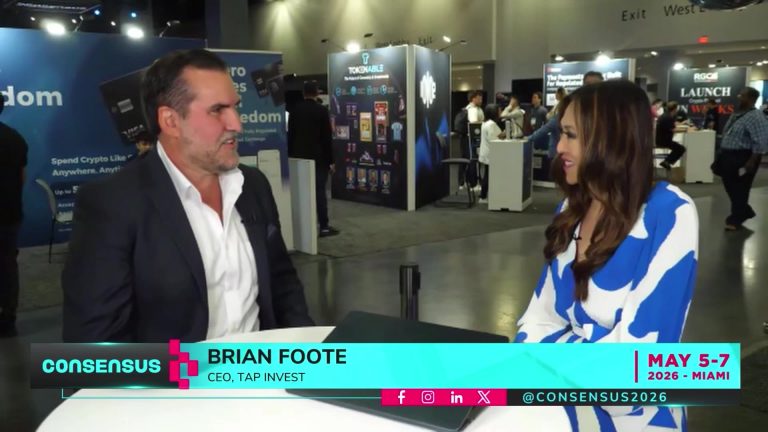
From Consensus 2026 in Miami, Tap Invest CEO Brian Foote outlined the company’s vision to modernize financial services through a fully integrated platform built around investing, payments, and communication. TAP, which stands for Transact, Authenticate, and Pay, recently launched Tap Terminal, a next-generation financial platform designed to simplify how retail investors interact with markets. Foote explained that traditional finance is undergoing a massive generational shift as trillions of dollars move from Baby Boomers to younger investors who increasingly prefer digital-first financial experiences. At the same time, consumers are managing their finances across multiple fragmented apps, creating inefficiencies that Tap aims to solve by combining market data, investing tools, payments, and verified social communication into one ecosystem.

Foote emphasized that the company’s mission goes beyond just democratizing finance as a buzzword. Instead, Tap is focused on making sophisticated financial tools, market intelligence, and investment strategies more accessible and actionable for everyday users. The platform allows investors to quickly gain exposure to major investment themes like AI, healthcare, robotics, and defense through simplified “one tap” strategies across multiple asset classes. Tap also integrates high-yield savings products, portfolio-building tools, and real-time market information while leveraging AI and blockchain technology to help users compete in increasingly fast-moving financial markets.

One of Tap’s biggest differentiators is its blockchain payment infrastructure and intellectual property portfolio. The company holds a broad patent related to transferring currency using blockchain technology between wallets and computer systems, positioning Tap to benefit from the rapid growth of stablecoin payments and tokenized assets. Foote noted that stablecoin transaction volumes recently surpassed Visa and Mastercard combined, highlighting the scale of the opportunity. Tap is also preparing to launch Tap Pay, a verified payment and communication platform aimed at reducing fraud, scams, and identity issues common in legacy payment systems. Looking ahead, the company plans to expand its technology through white-label partnerships and SDK integrations across industries including media, real estate, and tokenized asset investing. While Tap currently operates as a private company, Foote said the long-term vision includes potentially returning to public markets once the company’s user growth and revenue fundamentals fully mature.

Market Watch: Analyzing CPI Figures and the Tech Rally with Michael Reinking

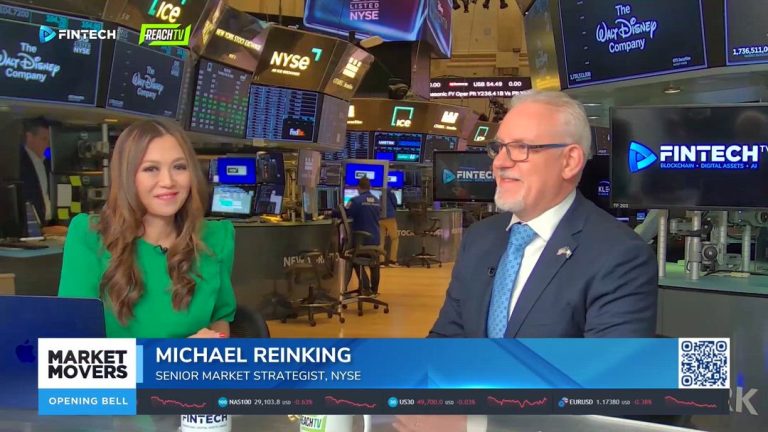
Michael Reinking, Senior Market Strategist at the New York Stock Exchange, joins Remy Blaire to dive into the current market dynamics following the latest Consumer Price Index (CPI) figures, which have sparked a mixed reaction among investors. While the tech sector, particularly chip stocks like Nvidia and Intel, has been on a significant rally, they also discuss the underlying macroeconomic warning signs, including rising oil prices due to geopolitical tensions in the Strait of Hormuz.

They explore how the core inflation figures, particularly the unexpected rise in the shelter component, are influencing market sentiment. Michael emphasizes that the Federal Reserve is likely to remain on hold regarding interest rate cuts, especially with the labor market showing resilience and job growth exceeding expectations.

They also analyze the recent rally in the S&P 500, which has reached record highs, driven largely by strong earnings in the technology sector. However, Michael points out that while technology stocks are leading the charge, there is a notable gap in earnings guidance across other sectors, indicating a cautious outlook among companies.

Finally, they discuss the potential impact of geopolitical events, including President Donald Trump’s visit to China and ongoing conflicts in the Middle East, on energy prices and consumer spending. Michael highlights that the upcoming retail sales numbers will be crucial in assessing the economic landscape.

DeFi Becoming the Backbone of Traditional Finance: Insights on Yields and Institutional Adoption

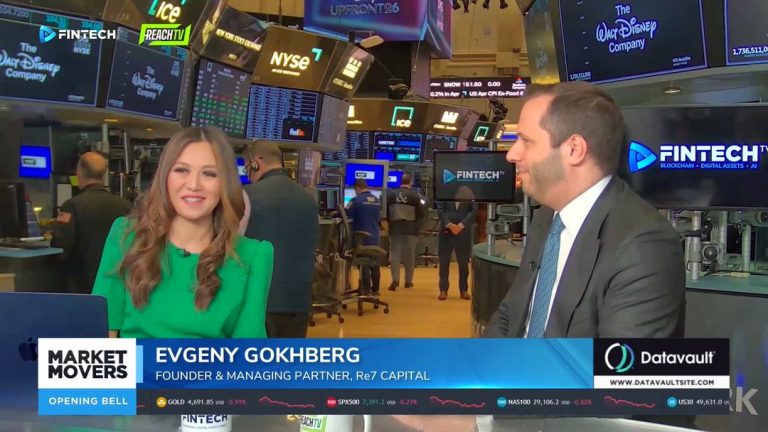
Evgeny Gokhberg, founder and Managing Partner of Re7 Capital, joins Remy Blaire to dive into the evolving decentralized finance (DeFi) landscape and its intersection with traditional finance, especially in light of the upcoming markup on the Clarity Act.

They discuss how DeFi has transformed from a niche space into a robust sector, now housing hundreds of billions of dollars in assets. Evgeny highlights the significant growth in trading volume and the increasing convergence of DeFi with traditional financial institutions. He emphasizes that DeFi is becoming the backbone for traditional finance, with banks and asset managers actively tokenizing stocks and credit instruments.

As they explore the future of the market, Evgeny points out the rising trend of trading beyond traditional hours, driven by demand for 24/7 access to markets. He also addresses the challenges of diversification within the digital asset space, noting that while cryptocurrencies are often correlated, the landscape is expanding to include traditional stocks and credit instruments.

They touch on the misunderstood nature of altcoins, comparing them to shares in small-cap startups, and discuss the importance of focusing on fundamentals rather than getting lost in crypto jargon. As the episode wraps up, they acknowledge the maturation of the digital asset market and the need for investors to approach it with a clear understanding of their goals.

The Future of Tech Stocks: Evaluating Nvidia, Alphabet and Tesla

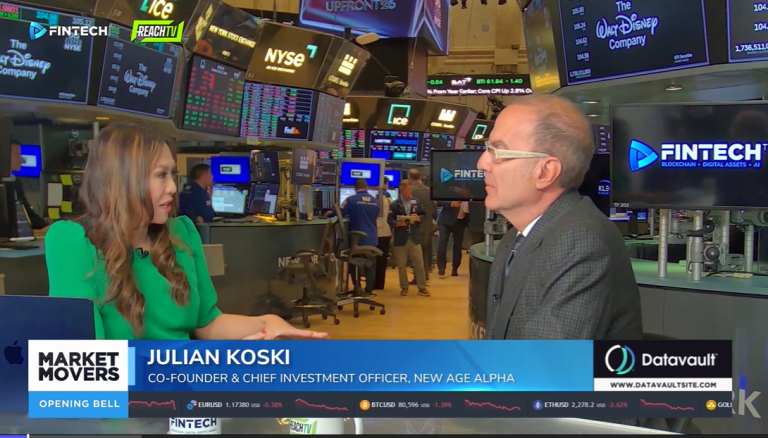
Julian Koski, co-founder and CIO of New Age Alpha, joins Remy Blaire to discuss the recent pullback in major stock averages following hotter-than-expected core CPI figures, while the S&P 500 continues to reach new record highs, largely driven by advancements in AI.

Julian emphasizes that despite the behavioral reactions in the market, it’s not yet time to panic. He highlights that the core CPI figures, while slightly higher than expected, do not indicate a fundamental shift in earnings. They also explore the implications of rising oil prices and their potential impact on consumers.

A significant portion of the conversation focuses on the AI sector, particularly Nvidia, which Julian believes is undervalued based on its historical growth rates. They also touch on Alphabet, where he notes a low probability of failure in delivering growth, contrasting this with concerns about Tesla, which he feels is trading on vague storytelling rather than solid fundamentals.

Julian shares his approach to valuing stocks, likening it to how insurance companies assess risk, and discusses the importance of focusing on known information rather than market noise. They also examine the volatility across various asset classes in 2026 and how he assesses risk using four key measures, including Fed decisions and leading economic indicators.

As they look ahead, Julian expresses a bullish outlook on the U.S. economy, while acknowledging the unique challenges faced by European and emerging markets. He stresses the importance of evaluating individual companies rather than making blanket statements about entire economies.

Rebuilding America’s Semiconductor and Battery Supply Chain: Insights from Forge Nano’s Dr. Paul Lichty

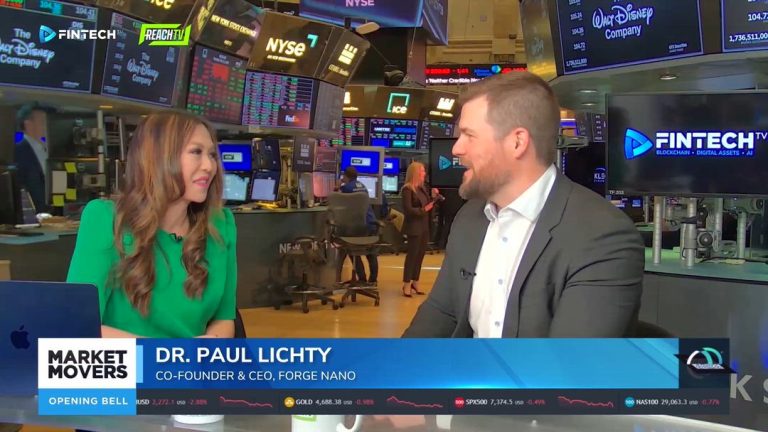
Dr. Paul Lichty, co-founder and CEO of Forge Nano, joins Remy Blaire to discuss U.S. domestic supply chain security for advanced semiconductors and batteries, especially in light of the 2028 legislative mandate prohibiting the Pentagon from using foreign-made battery cells.

Dr. Lichty discusses how their innovative atom-by-atom manufacturing process can significantly enhance the performance of products like batteries and semiconductors, which are essential for national security and defense. He emphasizes that rebuilding U.S. manufacturing is a complex, long-term endeavor that requires a comprehensive approach to developing the entire supply chain.

They also explore Forge Nano’s plans to expand into data centers and quantum computing, highlighting the importance of advanced manufacturing technologies in re-onshoring production. Dr. Lichty simplifies the technology by likening it to building with Legos, where precise control at the atomic level allows for customization and improvement of products.

Additionally, they touch on the implications of the 2028 mandate for national security and the challenges of becoming a trusted supplier to the Department of War. Dr. Lichty shares insights on the $100 million grant from the Department of Energy, which has been instrumental in accelerating their manufacturing timeline and business strategy.

As Forge Nano prepares to go public, Dr. Lichty expresses excitement about the opportunity to convey the importance of their work to a broader audience and the potential for significant growth in the coming years.

Strategy stock, Circle earnings, Ripple Neuberger, DRW digital assets

0

Crypto markets continue to see major institutional momentum as Strategy, formerly known as MicroStrategy, hit a new yearly high with shares closing at $195. The company remains heavily committed to its Bitcoin accumulation strategy, recently purchasing an additional 535 Bitcoin worth roughly $43 million, even as it signals potential asset sales to help manage financial obligations. Analysts remain bullish on the company’s outlook, with benchmark firms raising price targets as rising Bitcoin prices and improved Bitcoin yield metrics continue to strengthen investor confidence around the stock.

Meanwhile, Circle is drawing significant attention following strong earnings and growing interest in stablecoin infrastructure tied to its Arc blockchain ecosystem. The company recently raised $222 million in a token pre-sale connected to the Arc blockchain, giving the network a fully diluted valuation of approximately $3 billion. The funding round attracted major institutional players including Andreessen Horowitz, BlackRock, Apollo funds, and Intercontinental Exchange, highlighting the increasing appetite from traditional finance firms looking to gain exposure to blockchain-based financial infrastructure.

Ripple is also expanding its institutional footprint through its prime brokerage division after securing $200 million in fresh financing from Neuberger Berman. The capital will be used to increase margin availability for clients trading both traditional and digital assets, using digital asset holdings as collateral. At the same time, Canton Network, a blockchain platform designed for privacy-focused financial transactions, is reportedly raising around $300 million at a valuation near $2 billion, with Andreessen Horowitz Crypto leading the round. The growing wave of funding across crypto infrastructure, stablecoins, and institutional blockchain platforms signals continued confidence from major financial firms as digital assets become increasingly integrated into mainstream finance.

Markets Hit New Highs as AI Boom and Strong Jobs Data Fuel Investor Optimism

0

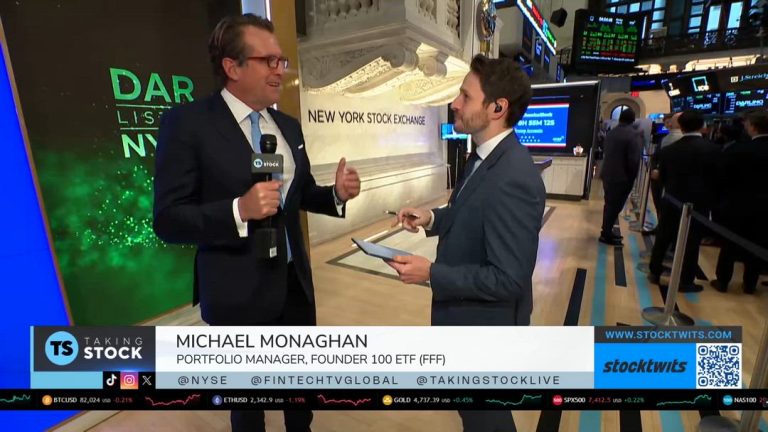
Markets continue pushing to fresh all-time highs as investors navigate a mix of geopolitical tensions, AI-driven capital spending, and evolving economic data. Speaking to J.D. Durkin, Michael Monaghan, portfolio manager and founder 100 ETF, said the market is currently being shaped by three major forces: instability in the Middle East, the massive AI infrastructure spending cycle, and ongoing concerns surrounding the labor market. Despite early weakness in trading, buyers quickly stepped back into the market, driven largely by optimism surrounding strong jobs data and continued momentum in artificial intelligence investment. According to Monaghan, fears around geopolitical risks and employment concerns have recently eased, allowing investors to refocus on the long-term growth story tied to AI and technology infrastructure.

While mega-cap tech companies continue to lead the rally, Monaghan emphasized that strength is spreading across multiple sectors of the economy, not just technology stocks. He noted that investors typically want to see market “generals” like large-cap tech outperform during bull markets, but he also sees encouraging participation from a broader range of industries. Looking ahead, Monaghan said investors are closely watching high-stakes geopolitical developments, including meetings between President Donald Trump and Chinese President Xi Jinping, though he stressed the importance of maintaining a long-term perspective rather than overreacting to individual headlines. Instead, his investment approach focuses on analyzing the broader “mosaic” of factors shaping markets, including oil prices, inflation trends, AI spending, and labor market conditions.

How Darling Ingredients Turns Food Waste Into Renewable Fuel and Profits

0

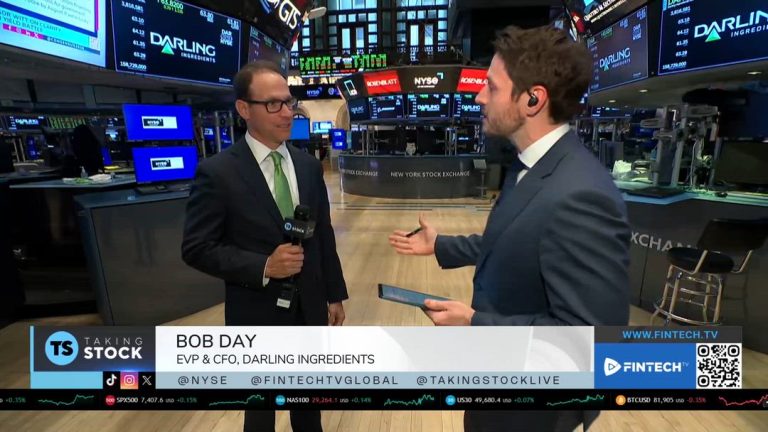
Darling Ingredients is positioning itself at the center of the global sustainability and renewable fuels movement as the company continues transforming agricultural waste into high-value products used across food, energy, and health industries. Speaking to J.D Durkin, Executive Vice President and CFO Bob Day discussed the company’s growing momentum following its Investor Day and highlighted why Darling believes now is the right time to showcase its long-term growth strategy. After navigating the COVID era and waiting for key renewable fuel policy developments, the company says it is entering a new phase focused on expansion, innovation, and rising global demand for sustainable solutions.

Darling Ingredients is focused on collecting and repurposing animal byproducts and used cooking oil, materials that would otherwise contribute significant methane emissions if discarded. The company converts these waste streams into proteins for animal feed and pet food, collagen products for human health and nutraceuticals, and fats used to produce renewable diesel and sustainable aviation fuel. One of the company’s biggest growth engines is Diamond Green Diesel, its joint venture with Valero, which has become one of the largest advanced biofuel producers in the world. According to Day, the venture is strategically positioned to meet growing demand for cleaner fuel alternatives at a time when global energy supply remains constrained.

Beyond renewable fuels, Darling Ingredients is also seeing major opportunities in collagen and personal health products as consumer demand for wellness and sustainable sourcing continues to rise. Day emphasized that global growth is closely tied to increasing animal production across regions like South America and Asia, where demand for poultry and beef continues to expand. He also noted that one of the biggest misconceptions about the industry is how efficiently food waste and byproducts are already being recycled into valuable resources. As investors increasingly focus on sustainability, circular economies, and energy transition themes, Darling Ingredients believes its business model sits at the intersection of environmental responsibility and long-term profitability.

The Future of Tokenized Assets: Exploring the Projected $40 Billion Market with Teddy Pornprinya

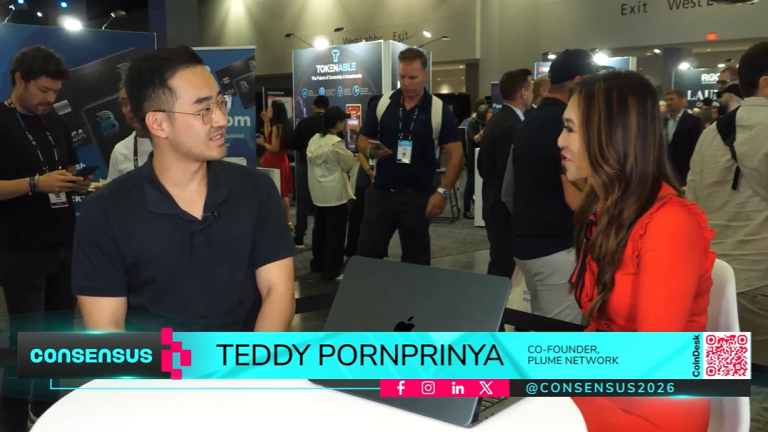
Teddy Pornprinya, the co-founder and CBO of Plume Network, joins Remy Blaire at Consensus 2026 in Miami to delve into developments in Real-World Assets (RWAs) finance, particularly the growing trend of tokenization, which is projected to exceed $40 billion by year-end.

Teddy highlights the current “flight to safety” in the Web3 landscape, where many partners are seeking institutional-grade products to mitigate risks associated with recent hacks and exploits in decentralized finance (DeFi). Plume’s main product, Nest, is designed to tokenize institutional-grade assets, allowing users to access stablecoin payouts while investing in these products.

They discuss the importance of compliance in this evolving space. Teddy explains how Plume has integrated compliance features into their platform, ensuring safety for users by screening for illicit finance and enabling asset management capabilities similar to traditional finance.