[stock-market-ticker symbols=" ^NYA;CRYPTO:BTC;CRYPTO:ETH;CRYPTO:USDT;CRYPTO:USDC;CRYPTO:BNB;CRYPTO:ADA;CRYPTO:XRP;CRYPTO:SOL;CRYPTO:DOGE " stockExchange="NYSENASDAQ" width="100%" transparentbackground=1 palette="financial-light"]

Home Blog Page 26

Long-Term Thinking Giving Founder-Led Companies an Edge in Volatile Markets: Insights from Michael Monaghan

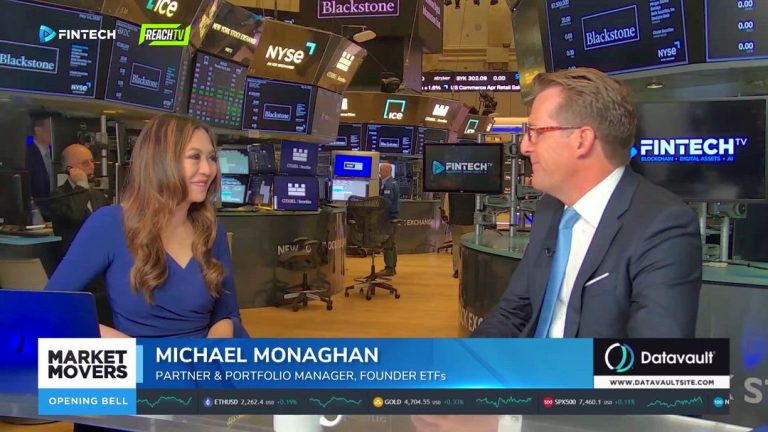
Michael Monaghan, Partner & Portfolio Manager at Founder ETFs, joins Remy Blaire to dive into the current state of the stock market, focusing on the role of founder-led companies amid geopolitical tensions and rising inflation. Michael shares valuable insights on why founder-led firms are thriving in today’s volatile environment.

Michael emphasizes that founders tend to think long-term, which allows them to navigate short-term uncertainties effectively. He highlights data showing that founder-led companies have outperformed the broader market by about 4% over the past 30 years. They also discuss the significance of the ongoing U.S.-China relations, particularly in the tech sector, and how cooperation could benefit American companies and workers.

As they explore the market’s current dynamics, Michael identifies three key waves influencing investor sentiment: Middle East instability and energy prices, a capital expenditure super cycle driven by hyperscalers, and concerns about job destruction. He advises investors to focus on the long term and avoid chasing specific sectors, particularly amid the chip rally.

They also touch on the implications of artificial intelligence in the market, with Michael expressing optimism about enterprise software, which he believes will see increased demand as AI continues to evolve. He notes that while inflation remains a concern, big tech spending could help improve productivity and mitigate some inflationary pressures.

Finally, they discuss the recent trend of layoffs in the tech industry, attributing some of this to overhiring rather than solely to AI advancements. Michael reassures that while some jobs may be lost, new opportunities will emerge, much like past technological innovations have created new job categories.
Revolutionizing Skin Cancer Treatment: The Role of Innovative Technology in Healthcare

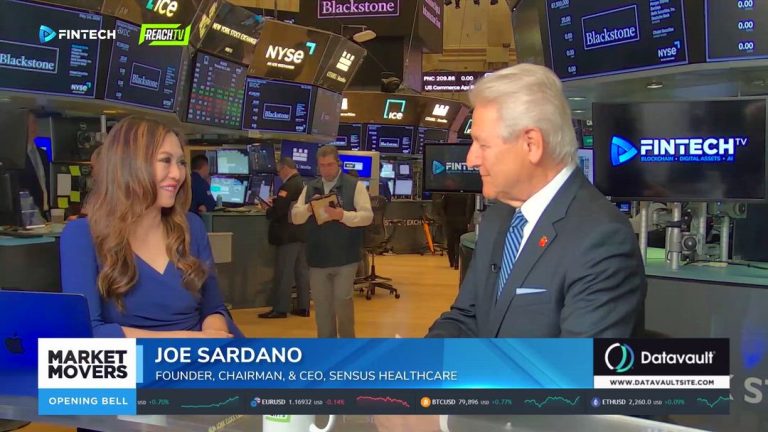
Joe Sardano, founder, chairman, and CEO of Sensus Healthcare, joins Remy Blaire to dive into the world of scalable healthcare technology. Fresh off a successful IPO, they discuss the growing demand for innovative healthcare solutions, particularly in light of the alarming physician burnout rates exceeding 50%.

Joe shares insights on the importance of agentic AI in enhancing productivity for healthcare professionals and the critical role of technology in supporting both physicians and their staff. They also explore the recent advancements in reimbursement rates from the Centers for Medicare and Medicaid Services, which present significant opportunities for Sensus Healthcare and its innovative skin cancer treatment solutions.

With skin cancer rates on the rise, Joe highlights the shift from traditional surgical methods to non-surgical options like superficial radiation therapy, which has emerged as a leading treatment in recent years. He emphasizes the competitive advantage Sensus Healthcare holds in this crowded sector, being the only provider of this groundbreaking technology. As summer approaches, Joe offers essential tips for skin protection and cancer prevention.

Why AI Demand Could Drive Markets Higher for Years

0

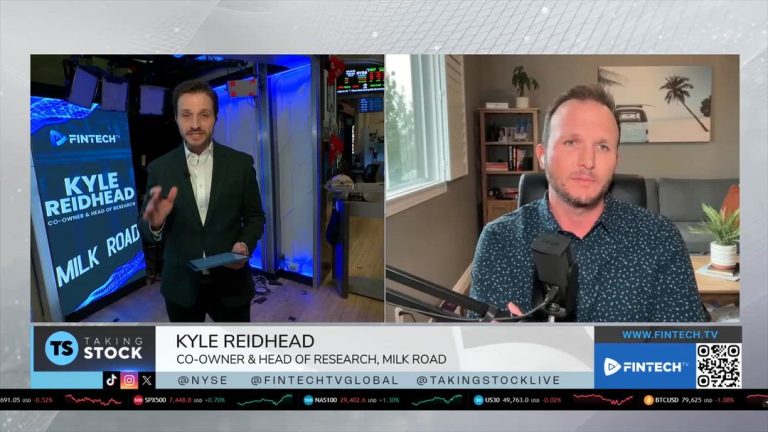
Kyle Reidhead, co-owner and Head of Research at Milk Road, joined in to break down the continued dominance of big tech and the growing AI boom driving markets higher. Reidhead pointed to massive earnings results from companies like Alphabet, Amazon, and Microsoft, noting that cloud growth and AI demand continue to justify current valuations. According to Reidhead, the AI revolution is still in its early stages, with infrastructure, semiconductors, and cloud computing all benefiting from explosive growth as businesses and governments race to invest in artificial intelligence capabilities.

Reidhead also shared his outlook on chip stocks, saying he believes semiconductor demand will remain strong for years to come. He explained that the world is effectively “converting energy into intelligence,” creating massive demand for chips, memory, and AI infrastructure. With projections calling for more than $1 trillion in AI capital expenditures next year, Reidhead says there is still significant runway for companies tied to semiconductors and data center expansion. While he expects bottlenecks to shift over time from chips to areas like energy supply for data centers, he believes the overall AI infrastructure buildout is far from slowing down.

The conversation also touched on the recent wave of tech layoffs, which Reidhead sees less as a warning sign and more as part of a major economic transition. While thousands of jobs have been cut across the tech industry, he argues companies are still hiring aggressively for workers who can effectively use AI tools and adapt to changing workplace demands. Reidhead believes the economy is entering a productivity boom fueled by artificial intelligence, where businesses are prioritizing highly adaptable, AI-enabled talent over traditional roles. In his view, the future job market will reward people who evolve alongside the technology rather than resist it.

Why the Pest Control Industry Keeps Winning Through Every Economy

0

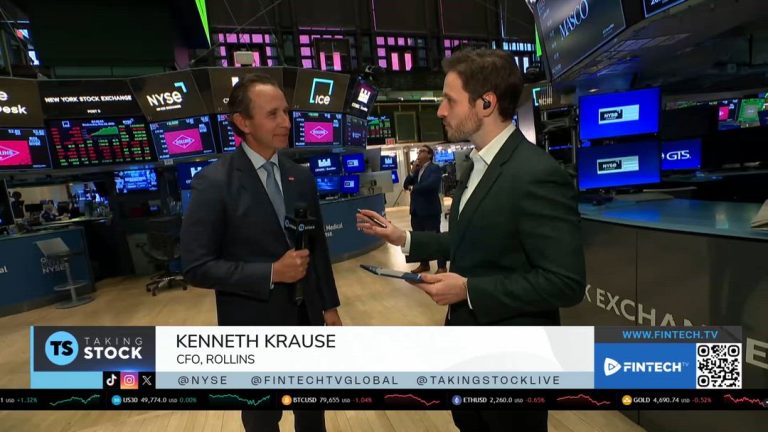
Kenneth Krause, CFO of Rollins, Inc., joined J.D. Durkin after ringing the closing bell to discuss the company’s upcoming Investor Day and the long-term strength of the pest control industry. Krause highlighted Rollins’ remarkable track record, noting that the company has performed in the 99th percentile of S&P 500 companies over the past 26 years. But for Krause, the real excitement lies ahead, as Rollins continues to focus on future growth opportunities, expanding its team, and strengthening its position as one of the world’s leading pest control providers.

Krause explained that the pest control business remains highly resilient because it protects people’s health, property, and brands, making it essential regardless of economic conditions. He pointed to Rollins’ ability to grow through major challenges including the financial crisis, industrial slowdowns, and the COVID-19 pandemic as proof of the company’s durable business model. The company has now achieved nearly 25 consecutive years of annual revenue growth and over 100 straight quarters of growth, underscoring the consistency of the business even during uncertain times.

Mergers and acquisitions have also played a major role in Rollins’ expansion, with the company acquiring more than 100 businesses over the past three years. Krause emphasized that the focus is not simply on buying companies, but on bringing talented people and strong cultures into the Rollins family. He also stressed the importance of investing in employees, sharing that Rollins aims for every team member to have a personalized development plan by 2028. With more than 22,000 teammates across the organization and strong employee ownership in company stock, Krause says Rollins’ culture and customer service remain key competitive advantages driving the company forward.

AI Stocks Are Driving the Market to New All-Time Highs

0

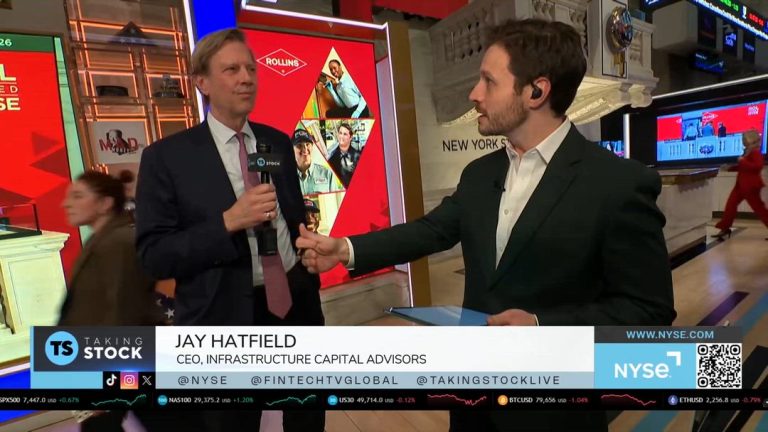
Markets continue to push toward fresh all-time highs, and according to Jay Hatfield, CEO of Infrastructure Capital Advisors, the rally is being driven almost entirely by semiconductor and AI infrastructure stocks. While the Nasdaq and S&P 500 keep climbing, Hatfield pointed out that the equal-weight market has remained mostly flat over the past month, showing how concentrated the gains have become. Investors are pouring money into AI-related companies while sectors like software, financials, and other traditional industries continue to lag behind. Despite this narrow rally, Hatfield says the market still refuses to meaningfully pull back because tech earnings remain incredibly strong.

Hatfield also addressed hotter-than-expected CPI and PPI inflation data, arguing that the Federal Reserve should stay on hold rather than tightening policy further. In his view, current inflation pressures are largely tied to energy costs, not a broad overheating economy, and pushing rates higher could risk sending the U.S. into a recession. He believes the Fed is already too restrictive and says housing inflation has actually cooled year over year. Even with ongoing geopolitical tensions in the Middle East and concerns around oil supply disruptions, Hatfield remains bullish, calling his S&P 500 target of 8000 conservative and suggesting the index could climb as high as 8700 if tech earnings continue accelerating.

Looking ahead, Hatfield remains optimistic on AI-driven stocks, highlighting Marvell Technology and Amazon as two of his top picks. He believes Marvell still has major upside as demand for AI infrastructure grows, while Amazon could benefit not only from its retail dominance but also from its expanding chip business. Hatfield also shared optimism about a potential Kevin Warsh-led Federal Reserve, saying reforms to the Fed’s forecasting models and inflation measurements could eventually open the door for future rate cuts once global energy pressures begin to ease.

Innovation and AI Continuing to Power Market Resilience: Insights from Wayne Penello

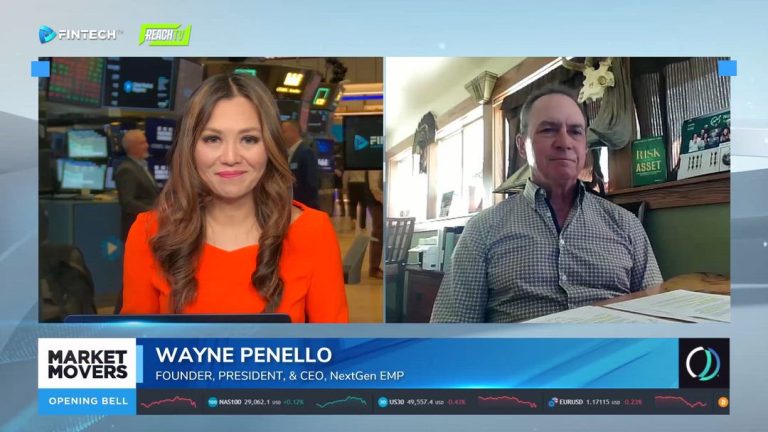
Wayne Penello, founder, President and CEO of NextGen EMP, joins Remy Blaire to dive into the current state of the U.S. markets, which are experiencing some downward pressure due to hotter-than-expected producer price inflation and elevated oil prices. Despite these challenges, the S&P 500 recently closed above 7,400 for the first time, showcasing the resilience of the market, particularly driven by innovation and the ongoing AI race.

Wayne emphasizes the importance of innovation as a key driver of market performance and shares his optimistic outlook for the economy over the next several years. They discuss the significance of separating the top 25 companies in the S&P 500 from the rest, as it reveals market dynamics and helps investors make more informed decisions.

Wayne also addresses the complexities of risk management in today’s volatile environment. He critiques traditional diversification methods and advocates for a more thoughtful selection of assets, disciplined sizing, and selective hedging to protect against systemic risks.

Additionally, they explore Wayne’s role as co-CIO of the Efficient Market Portfolio Plus ETF (EMPB), a long-short fund designed to navigate industry performance disparities. He explains how the fund aims to minimize drawdowns while still striving to match overall market performance over time.

Rising CPI, Treasury Yields and Consumer Debt Raise Questions About Economic Resilience

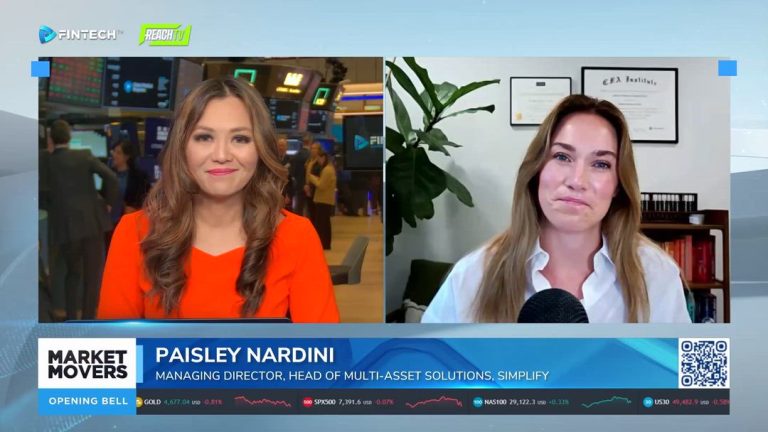
Paisley Nardini, Managing Director, Head of Multi-asset Solutions at Simplify Asset Management, joins Remy Blaire to dive into the current state of the U.S. economy, which is showing concerning signs with rising producer prices and a CPI of 3.8%. They discuss the implications of falling real wages and the pressure consumers are feeling at the gas pump and grocery store. Paisley shares her insights on the recent inflation figures and the market’s reaction, particularly regarding treasury yields and potential rate hikes.

They explore the resilience of corporate earnings amid rising consumer delinquencies in credit cards and auto loans, questioning how long these earnings can mask the struggles of everyday Americans. As they look ahead to upcoming retail sales data, they consider the potential impact of inflation on consumer behavior.

The conversation shifts to the tech sector, particularly the AI trade, where Paisley expresses optimism about its continued growth and resilience. They also address the geopolitical landscape, especially the upcoming meeting between President Trump and Xi Jinping, and how markets should navigate these risks.

Finally, they discuss the importance of diversification in investment strategies, especially in light of the dynamic market conditions. Paisley emphasizes the need for flexibility and active management in portfolios, particularly as we see shifts in focus from precious metals to energy and commodities.

Nayax’s Vision for a Cashless Future: Revenue Growth and Market Expansion

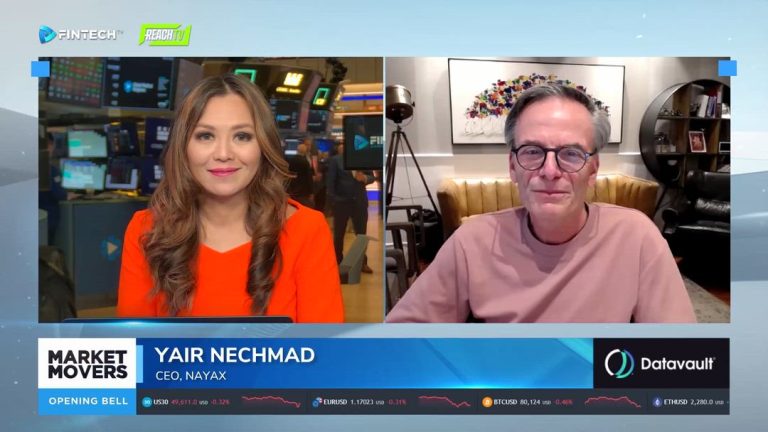
Yair Nechmad, CEO of Nayax, a global payments and software company, joins Remy Blaire to dive into the cashless economy. They explore how Nayax is leading the charge in unattended commerce, including everything from vending machines to electric vehicle (EV) charging stations.

Yair explains the competitive advantages of operating in a self-service environment, highlighting how Nayax’s all-in-one platform reduces friction for customers compared to traditional payment processing methods. He discusses the significant growth potential in the EV sector, noting a shift from app-only models to more user-friendly tap-and-pay solutions.

Looking ahead, Nayax has set ambitious targets, aiming for $1 billion in revenue by 2028, with a strong focus on expanding its recurring revenue model across various verticals. Yair emphasizes the importance of data tracking for operators, such as laundromat owners and EV station operators, and how Nayax’s integrated solutions can help them grow their businesses more effectively.

Trump-Xi Summit, Consumer Spending and AI Stocks Take Center Stage in Uncertain Market Environment

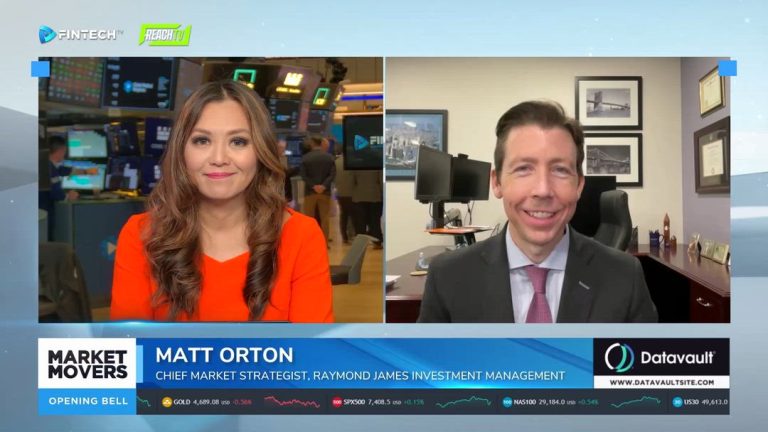
Matt Orton, Chief Market Strategist at Raymond James Investment Management, joins Remy Blaire to dive into the latest inflation figures, with both the Producer Price Index (PPI) and core Consumer Price Index (CPI) coming in hotter than expected. This has led to a rise in tech stocks as investors seize the opportunity to buy the dip, particularly in AI-driven companies.

Matt shares his insights on the current market dynamics, emphasizing that while inflation trends are concerning, there are still opportunities for investors, especially in the tech sector. He believes that the recent decline in AI stocks presents a chance for investors to increase their exposure to high-quality companies that are benefiting from the ongoing AI boom.

They also touch on the potential impact of the upcoming Trump-Xi Jinping summit in China and the implications for U.S. consumers, particularly regarding grocery and gas prices. Matt explains that while there is speculation about the Federal Reserve raising interest rates, the current financial conditions may not necessitate such a move.

As they look ahead to the upcoming retail sales report, Matt highlights the importance of distinguishing between gas sales and other consumer spending. He expresses caution about the consumer sector, given the uncertainties surrounding discretionary spending.

Why Investors Keep Buying Despite Geopolitical Fears

0

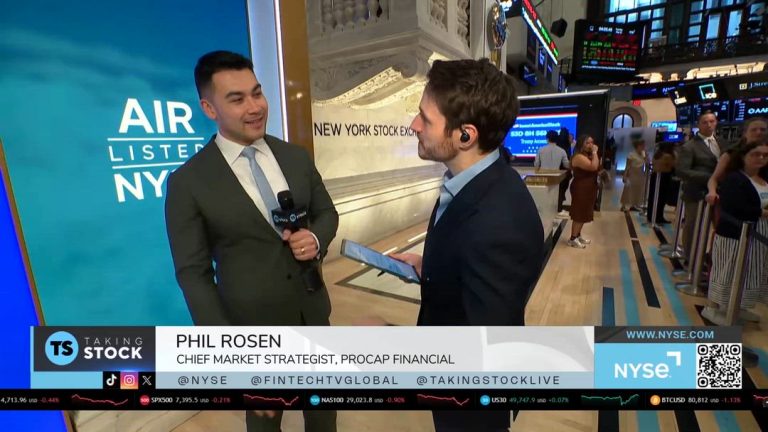
Markets remain near record highs as investors continue to focus on one major theme: earnings and the unstoppable momentum behind AI. In a conversation with Phil Rosen, Chief Market Strategist at ProCap Financial, he explained that strong corporate earnings especially in tech are still acting as “jet fuel” for the market. Despite concerns around inflation, geopolitical tensions in Iran, and slowing momentum in certain sectors, investors continue to shrug off short-term macro fears and lean into the long-term promise of artificial intelligence. Rosen noted that tech stocks are actually cheaper today than they were several months ago because earnings growth has been so strong, with companies consistently crushing expectations.

Looking ahead, all eyes are once again turning to NVIDIA earnings, which Rosen believes will continue to validate the AI trade despite growing skepticism from bears calling it a bubble. While Nvidia’s stock reaction on earnings can vary, Rosen emphasized that the company has repeatedly delivered massive results and continues to see strong demand across the AI cycle. In his view, AI has become “the new macro,” outweighing concerns around inflation reports, Fed commentary, and global conflicts as the driving force behind the current bull market.