[stock-market-ticker symbols=" ^NYA;CRYPTO:BTC;CRYPTO:ETH;CRYPTO:USDT;CRYPTO:USDC;CRYPTO:BNB;CRYPTO:ADA;CRYPTO:XRP;CRYPTO:SOL;CRYPTO:DOGE " stockExchange="NYSENASDAQ" width="100%" transparentbackground=1 palette="financial-light"]

Home Blog Page 25

The PGA Championship, Preakness Stakes, SEC College Football & The Playoffs: A Weekend of Sporting Action

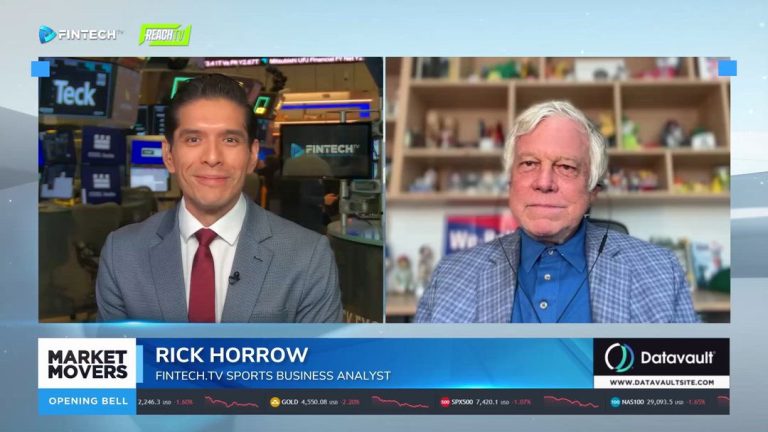
Rick Horrow, FINTECH.TV’s sports business analyst and CEO of Horrow Sports Ventures, joins Johny Fernandez to dive into the latest happenings in the world of sports, starting with the PGA Championship. Rick shares insights on the economic impact of the tournament, which is estimated at $125 million for Philadelphia, along with the attendance of 200,000 spectators.

They then shift focus to the Preakness Stakes, the second leg of the Triple Crown, which is set to take place in Maryland. Although there’s no chance for a Triple Crown winner this year, Rick highlights the significant $50 million economic impact of the race and discusses the wide-open field, especially with the Derby winner, Golden Tempo, sitting this one out.

Next, they explore the drama unfolding in college football within the SEC, where tensions are high among coaches and players. Rick humorously notes the need for a resident psychologist for each team, given the controversies that seem to drive financial success in the conference, which distributed over a billion dollars last year.

Finally, they touch on the NBA and NHL playoffs, with the New York Knicks and the Carolina Hurricanes both enjoying long breaks. Rick draws parallels between the two leagues, discussing franchise valuations and the dynamics of major versus mid-market teams. He emphasizes that the focus remains on the players rather than the markets, with exciting storylines emerging as the playoffs progress.
Private Fintech Firms Entering a New Liquidity Supercycle: Insights from Sahej Suri

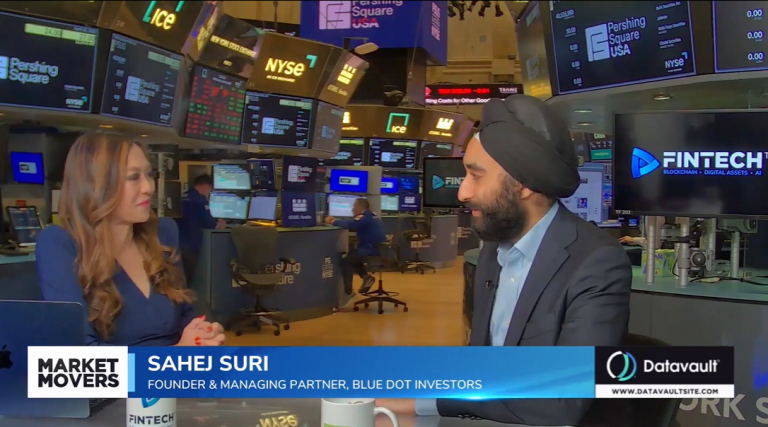
Sahej Suri, founder and Managing Partner of Blue Dot Investors, joins Remy Blaire, to dive into the transformative landscape of the fintech sector, which has evolved from a collection of disruptive startups into a robust backbone of global finance. Sahej shares insights from a recent report by FT Partners and Blue Dot Investors that highlights the emergence of a liquidity supercycle.

Sahej emphasizes that the top 100 private fintech companies are not only generating more revenue than their public counterparts but are also achieving valuations nearly three times higher. This shift indicates a significant maturation in the fintech space, with many private firms now operating as scaled institutional enterprises.

They discuss the key takeaways from the report, including the high quality of private fintech businesses and the anticipated growth in IPOs and M&A activity in the coming years. Sahej points out that fintech companies like Revolut and Nubank are outpacing traditional banks in customer growth, showcasing a democratization of banking services.

As they explore the metrics that institutional investors should monitor, Sahej notes that the bar for going public has risen significantly, with companies needing to demonstrate greater profitability and size than ever before. He also highlights a shift in M&A trends, with fintech firms increasingly acquiring one another rather than being bought by traditional banks.

Looking ahead, they discuss the sectors poised for growth, particularly in crypto, blockchain, and AI. Sahej believes that established fintech companies will benefit the most from AI integration, as they already have the necessary infrastructure and customer base.

Finally, they touch on the opportunities in secondary markets, where liquidity remains a challenge for many unicorns. Sahej expresses optimism about the future of secondaries in fintech, predicting a surge in IPOs and M&A activity over the next few years.

Thomas Piketty’s Influence Fuels Rising Democratic Populism: Insights From Mark Bloomfield

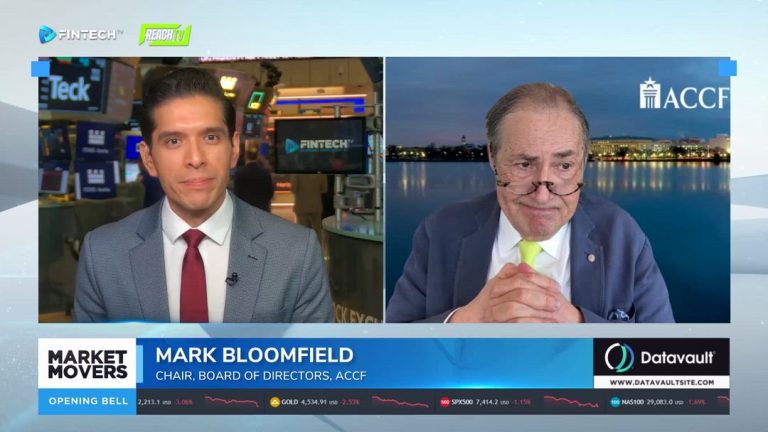
Mark Bloomfield, Chair of the Board of Directors of the American Council of Capital Formation, joins Johny Fernandez to delve into the influence of French economist Thomas Piketty on democratic populism. Mark shares insights from a conversation he had back in 2014, highlighting Piketty’s book, “Capital in the 21st Century,” which argues that free markets can lead to income inequality that threatens democracy.

They discuss how Piketty’s ideas are resonating with current political figures, particularly in states like Maine and California, where populist sentiments are gaining traction. Mark points out the significance of upcoming measures like the California Billionaire Tax Act, which aims to impose a tax on the ultra-wealthy, reflecting a shift in economic policy discussions.

Additionally, they explore the contrasting views of economists like Arhtur Laffer and Martin Wolf, who debate the balance between taxation and economic growth. Mark expresses concern that Piketty’s approach could jeopardize both capitalism and democracy.

They also touch on the ongoing redistricting battles and their implications for the midterms, noting how gerrymandering has historically shaped political landscapes. Lastly, they examine the complexities of U.S.-China relations, emphasizing the strategic competition that exists alongside economic interdependence.

The Clarity Act: A Game Changer for the Crypto Industry?

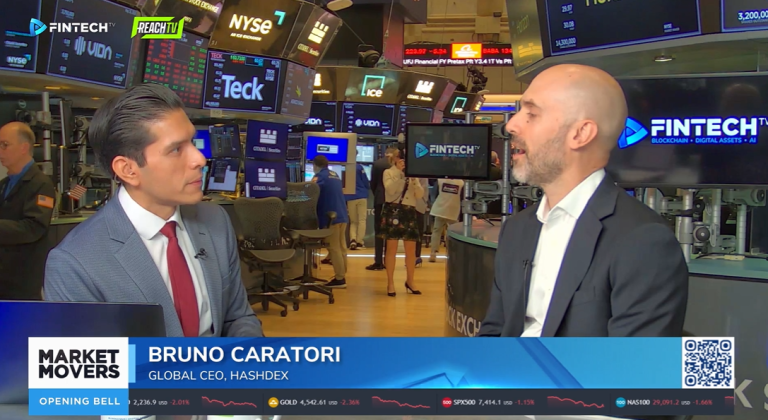
Bruno Caratori, co-founder and Global CEO of Hashdex, joins Johny Fernandez to discuss the current state of the crypto market and the potential impact of the Clarity Act. They discuss the macroeconomic backdrop affecting crypto, including geopolitical tensions and the recent appointment of the new Fed chairman, which have contributed to market volatility.

Bruno emphasizes the importance of understanding the long-term nature of crypto investments, highlighting that while short-term factors can drive volatility, the real value of crypto will accrue over years as the technology matures. They also explore the differences between Bitcoin and other cryptocurrencies, noting that they serve different purposes within the blockchain ecosystem.

A significant focus of the conversation was the Clarity Act, which Bruno believes could be a game-changer for the crypto industry, providing much-needed regulatory clarity and fostering innovation. He expresses optimism about the industry’s future, suggesting that the next two years could see substantial progress and adoption of various crypto use cases.

They also touch on the rise of decentralized exchanges (DEXs) and their growing utility in the current market environment. Bruno concludes by sharing his outlook for Hashdex and the broader crypto industry, indicating that they are well-positioned to capitalize on upcoming opportunities.

How Crypto Is Reshaping Global Market Infrastructure: Insights From Edward Woodford

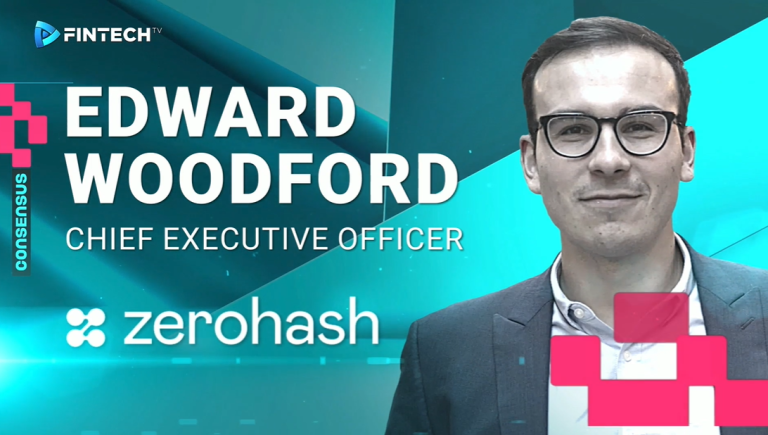
Edward Woodford, CEO of Zerohash, joins Remy Blaire on the sidelines of Consensus 2026 in Miami to discuss the significant advancements in the integration of digital assets into traditional finance (TradFi). They highlight how this shift is moving beyond experimentation to a fundamental restructuring of global market infrastructure.

Zerohash is at the forefront of this transformation, powering crypto initiatives for major financial institutions like BlackRock and Morgan Stanley. Edward shares insights about their partnership with Morgan Stanley, emphasizing its importance as a first step towards a broader relationship in the crypto space.

They delve into stablecoin account funding and how it is revolutionizing the brokerage business model by enabling 24/7 trading and enhancing the velocity of money in capital markets. Edward explains the critical role of tokenization in this evolution, noting that Zerohash is one of the largest providers in the space, facilitating instant global value transfer and fractionalization of assets.

Additionally, they explore the intersection of artificial intelligence and finance, particularly in the context of agentic finance. Edward discusses how stablecoins could enable real-time settlements in a decentralized economy, allowing content creators and agents to be compensated efficiently.

Looking ahead, Edward expresses confidence that major U.S. Global Systemically Important Banks (GSIBs) will begin interacting with crypto technology in real-world production activities within the next 24 months.

Inflation, Rate Cuts, AI Investing & the M&A Boom Ahead

0

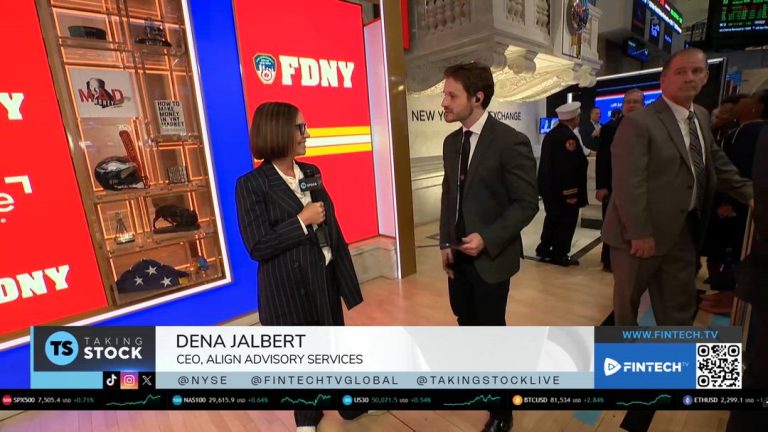
Dena Jalbert, CEO of Align Advisory Services, joined in to break down the latest inflation data, the outlook for interest rates, M&A activity, software stocks, and the growing appetite for AI investments across both public and private markets. Following hotter-than-expected CPI and PPI inflation readings this week, Jalbert said the data likely complicates the Federal Reserve’s rate cut trajectory for 2026. While investors were hoping for clearer signs of easing inflation, she believes the recent numbers may delay policy changes, though a market correction and leadership changes at the Fed could eventually unlock significant capital and investment activity later this year.

Jalbert also noted that many corporate CEOs remain cautious amid high borrowing costs, global uncertainty, and macroeconomic volatility. According to her, large-cap companies are likely to stay conservative with spending and investment decisions in the near term, but that hesitation could fuel growth opportunities in the middle market. She expects increased acquisition activity as larger companies look to buy growth instead of building it internally, creating favorable conditions for middle-market businesses and dealmaking.

On mergers and acquisitions, Jalbert said there is substantial pent-up demand from both corporate buyers and private equity firms, with many sellers finally preparing to re-enter the market after sitting on the sidelines during periods of uncertainty. She expects buyer appetite and seller expectations to align more closely in the second half of 2026, potentially driving a major rebound in M&A activity across sectors.

How AI & WhatsApp Are Revolutionizing E-Commerce in Brazil

0

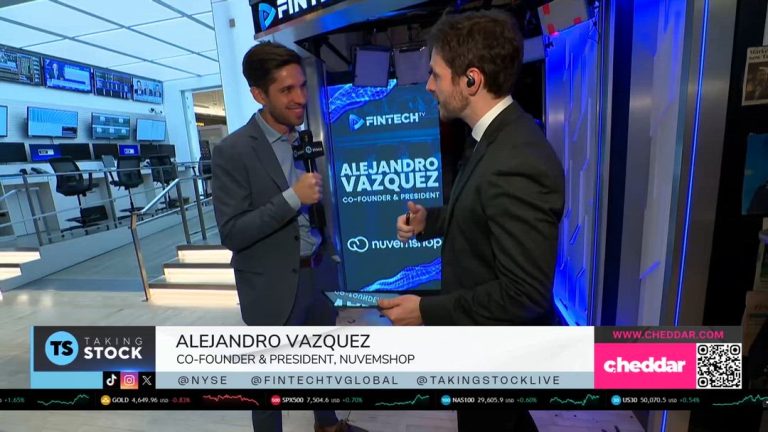
Alejandro Vazquez, co-founder and president of Nuvemshop, joined in to discuss the massive opportunities and unique challenges shaping the e-commerce landscape across Latin America, especially in Brazil. With more than 200 million people, Brazil represents one of the world’s largest and most competitive consumer markets, but operating there comes with major complexities ranging from logistics and payment systems to tax regulations that vary across states. Vazquez explained that winning in Brazil goes far beyond pricing, as merchants are increasingly focused on creating seamless and personalized customer experiences while maintaining their brand identity online.

Nuvemshop is helping more than 200,000 merchants navigate that complexity by powering direct-to-consumer storefronts for both local and international brands. Companies want frictionless shopping experiences, faster delivery, flexible payment options, and digital storefronts that fully reflect their brand DNA. Vazquez said the company’s infrastructure is designed to simplify the highly demanding e-commerce environment across Latin America while enabling merchants to scale efficiently.

Artificial intelligence is also transforming the region’s online shopping experience in ways many outside Latin America may not expect. Vazquez highlighted that nearly 70% of online purchases in Brazil involve some interaction through messaging platforms like WhatsApp or Instagram during the buying journey. Instead of changing consumer behavior, Nuvemshop is focused on enhancing it through conversational commerce powered by AI. The company launched “Nuvem Chat,” an AI shopping agent that allows customers to browse products, negotiate purchases, track orders, and complete transactions directly through WhatsApp using integrated payment solutions.

Warsh confirmed, Insider trading, Hyperliquid dominates, Mara sells

0

Kevin Warsh has officially been confirmed as the new Federal Reserve Chair, stepping into the role at a critical moment with inflation sitting at its highest level in three years. Warsh, who will be sworn in tomorrow, is notably the first Fed Chair known to personally own cryptocurrency and has previously described Bitcoin as “the new gold for anyone under 40,” signaling a potentially major shift in how digital assets could be viewed at the highest levels of U.S. monetary policy.

Meanwhile, a New York Times investigation is raising questions around unusual activity on Polymarket tied to the Israel-Iran conflict. According to the report, 13 users wagered roughly $140,000 that Israel would strike Iran before the end of the week, despite market odds suggesting an attack was unlikely. Several of the accounts had only recently been created, while another reportedly had a history of successful bets tied to military actions involving Iran. Polymarket says insider trading has no place on the platform and remains committed to combating it.

In the crypto markets, Hyperliquid continues dominating on-chain trading activity, now accounting for nearly 43% of all fee market share and generating approximately $11 million in fees last week alone. The surge has been fueled by perpetual futures trading, as traders increasingly migrate toward Hyperliquid’s specialized infrastructure for leveraged derivatives trading.

Elsewhere, Strategy Holdings reported a challenging first quarter as revenue fell 18% to $174 million. The company also posted a massive $1.3 billion net loss, largely tied to unrealized losses on its Bitcoin holdings. Strategy sold around $1.5 billion worth of Bitcoin, including $1.1 billion near the end of the quarter, in order to repurchase convertible notes. As a result, the company dropped from being the second-largest public Bitcoin treasury holder to fourth place.

S&P 500 Earnings Growth Nears Four-Year High as Tech Rally Powers Markets

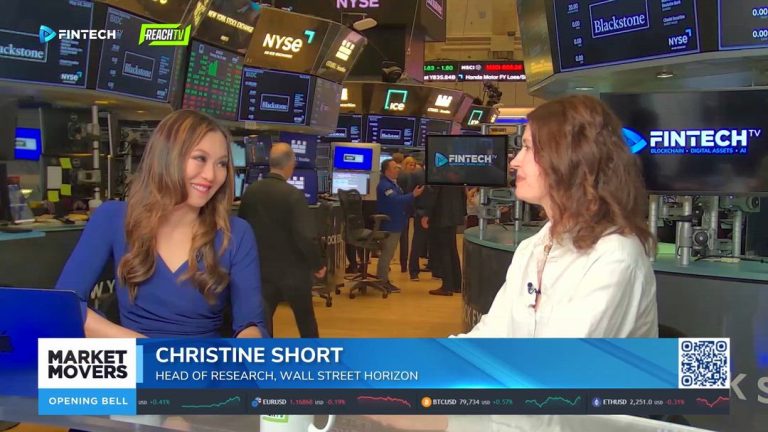
Christine Short, Head of Research at Wall Street Horizon, joins Remy Blaire to dive into the current market dynamics, highlighting a significant rally in the Dow, driven by tech giants like Cisco and Nvidia. Christine discusses the impressive earnings growth being witnessed, with the S&P 500 on track for nearly 28% earnings growth—the highest in over four years.

Christine emphasizes that 10 out of 11 sectors are experiencing growth, with only healthcare lagging slightly. They explore the strong beat rates for earnings reports, indicating robust corporate performance and CEO confidence, although there are signs of caution due to external factors like rising oil prices and geopolitical tensions.

They also analyze the latest retail sales figures, which showed a modest increase, and discuss the implications for the American consumer amid rising gas prices. Christine shares insights on the retail sector, focusing on discounters like Walmart and Target, as well as home improvement retailers, and how they are adapting to current economic conditions.

Finally, they look ahead to Nvidia’s upcoming earnings report and the IPO of Cerebras, noting the high expectations surrounding Nvidia’s performance and the significance of Cerebras’ IPO in the tech landscape.

Fighting Fraud with AI: Strategies for Financial Institutions

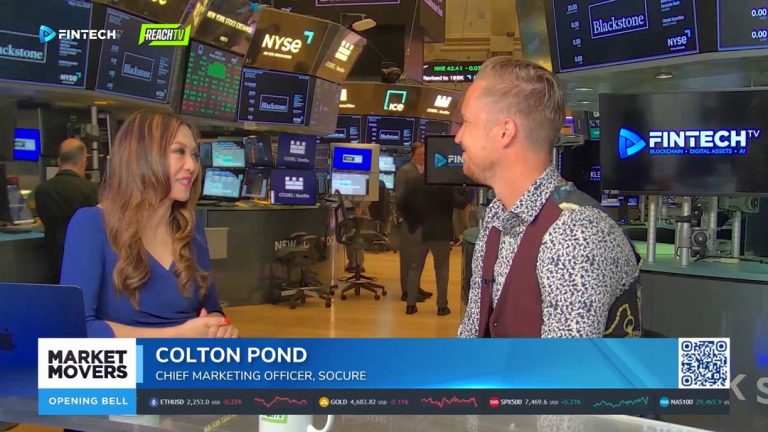
Colton Pond, Chief Marketing Officer at Socure, joins Remy Blaire to dive into the alarming rise of fraud fueled by generative AI, which is projected to lead to $40 billion in U.S. fraud losses by 2027.

Colton highlights the tactics employed by fraudsters, including workforce fraud, ghost students applying for loans, and deepfakes. He emphasizes that traditional defenses are no longer sufficient, as fraudsters are now attacking vulnerabilities beyond just the onboarding process. With 73% of consumers admitting to committing first-party fraud, the normalization of deceit in financial transactions is a growing concern.

They discuss the challenge faced by financial institutions, which must balance the need for security with consumer expectations for a seamless experience. Colton stresses the importance of collaboration within the industry to enhance data sharing and improve the identification of legitimate customers.

As they wrap up, Colton advises to “trust but verify,” underscoring the need for increased awareness of how AI is being exploited by fraudsters. He reiterates the importance of leveraging AI to combat these evolving threats effectively.