[stock-market-ticker symbols=" ^NYA;CRYPTO:BTC;CRYPTO:ETH;CRYPTO:USDT;CRYPTO:USDC;CRYPTO:BNB;CRYPTO:ADA;CRYPTO:XRP;CRYPTO:SOL;CRYPTO:DOGE " stockExchange="NYSENASDAQ" width="100%" transparentbackground=1 palette="financial-light"]

Home Blog Page 22

What Rising Yields and Nvidia Earnings Mean for Markets

0

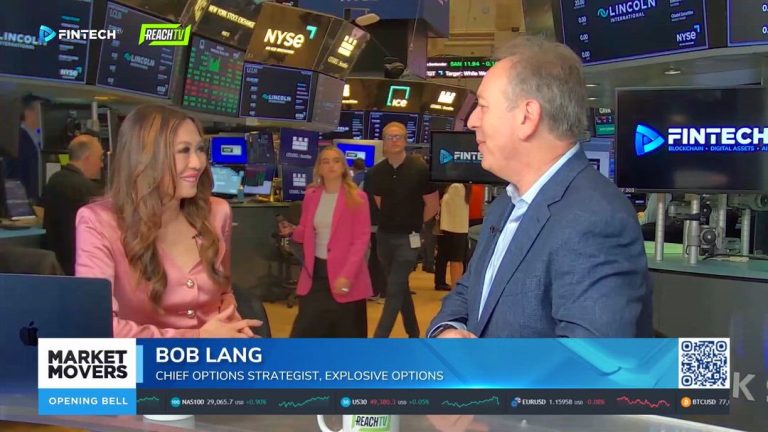
Markets are balancing rising bond yields, sticky inflation concerns, and massive expectations for Nvidia earnings. On this episode, J.D. Durkin is joined by Bob Lang, Chief Options Strategist at Explosive Options, to break down what the bond market is signaling, why inflation could remain a major issue for consumers and businesses, and how higher oil prices are adding pressure across the economy.

Bob explains why investors are closely watching the 10-year and 30-year Treasury yields, what a move toward 5% could mean for housing and markets, and why Nvidia’s upcoming earnings report could spark major moves across the semiconductor sector. The conversation also highlights AI-related opportunities in names like Broadcom, Arm Holdings, Marvell, Micron, Dell, and Western Digital, while exploring what might come after the AI boom and why Jensen Huang’s long-term vision matters so much to investors.

They also discuss Kevin Warsh’s potential impact on Federal Reserve policy, the future path of interest rates, and Bob’s new book “Know Your Options,” which dives into options trading strategies and technical analysis for traders at every level.
Climate Resilience, AI & the Future of Global Investing

0

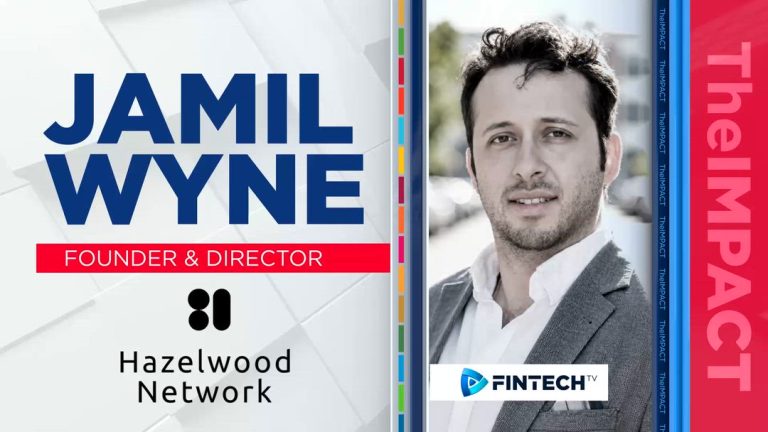
Climate adaptation, resilience, and AI are becoming some of the most important conversations in global finance. On this episode of TheImpact, Jeff Gitterman sits down with Jamil Wyne, Founder & Director of the Hazelwood Network, to discuss how climate innovation is evolving across emerging markets, why the Middle East is becoming a major hub for sustainability and climate finance, and how AI can help communities prepare for extreme weather, wildfire risks, water shortages, and infrastructure challenges.

Jamil shares his journey into climate-focused investing and explains how Hazelwood Network is supporting local innovators through venture studios, accelerator programs, and adaptation-focused research across Africa, Latin America, the Caribbean, and the U.S. The conversation also explores climate communication, why adaptation and resilience are becoming major investment themes, and how AI is already being used to forecast climate risks, improve insurance models, and strengthen critical infrastructure.

From climate finance to emerging technologies, this discussion highlights the growing opportunities around resilience, sustainability, and the future of global markets.

Polymarket Trading, Truth Social, OpenSea prediction, BOE tokenization

0

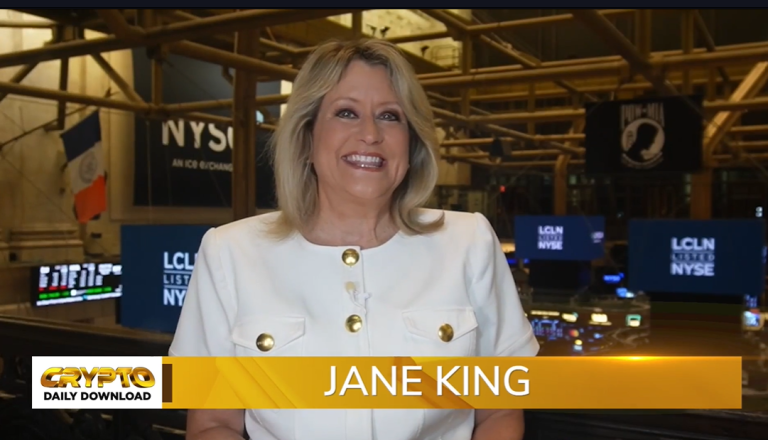
In this episode of Crypto Daily Download, Jane King dives into the latest developments in the world of cryptocurrency and digital assets.

PolyMarket is expanding into private markets with new prediction markets focused on private company milestones, including valuations and IPO timing for major players like OpenAI and Anthropic.

Truth Social, Donald Trump’s social media platform, has withdrawn its application to launch a spot Bitcoin ETF, aiming to reapply under a more efficient securities framework that promises enhanced investor protections and tax efficiency.

OpenSea’s Adam Hollander discusses how advancements in AI are paving the way for innovative, tokenized assets, including collectibles, digital tickets, and gaming items, with the SEA token set to launch once a sustainable business model is established.

The Bank of England highlights the potential of tokenized payments and digital money to lower costs and enhance competition in financial markets, emphasizing the importance of trust and interoperability.

Jane King with the latest from the NYSE.

AI Data Center Spending Fuels Massive Demand for High-Bandwidth Memory Chips

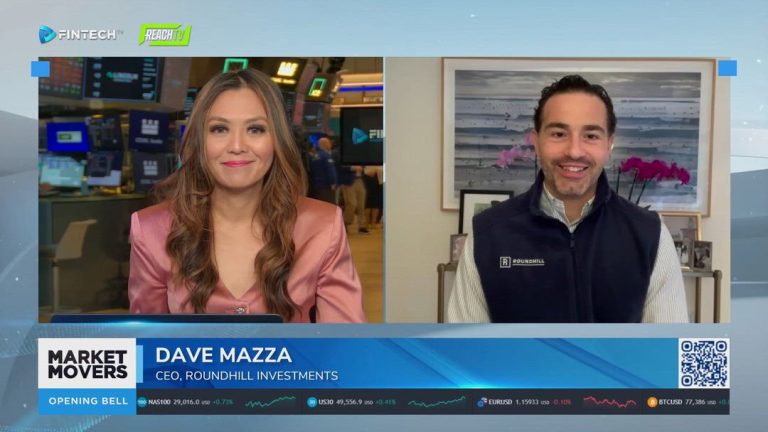
Dave Mazza, CEO of Roundhill Investments, joins Remy Blaire to discuss the recent surge in the Roundhill Memory ETF (DRAM), which has surpassed $10 billion in assets within just six weeks. They discuss the current state of the memory chip market, particularly in the context of the booming AI industry, and how memory chips are becoming a critical bottleneck for AI development.

Dave highlights that while investors are excited about the potential of AI, they must remain cautious of the cyclical nature of the memory industry, which has historically experienced significant boom and bust cycles. He explains that the demand for memory chips is driven by the massive spending on data center buildouts, which is projected to reach up to $1 trillion. However, supply constraints exist, as only a few companies produce high-bandwidth memory chips.

They also touch on the ETF’s heavy exposure to South Korean companies like Samsung and SK Hynix, especially in light of ongoing labor negotiations that could impact supply. Dave emphasizes that while some investors might prefer to invest in American companies like Micron, they would miss out on the growth potential of these major players in the memory market.

Additionally, they explored the differences between the memory chip sector and the storage side of the business, with Dave using a kitchen analogy to illustrate how these components work together in the AI ecosystem. Finally, they discuss whether investors should continue to chase momentum in this space or consider taking profits, with Dave suggesting that while the recent gains have been significant, there remains a long-term tailwind for memory companies.

The Six Disruptive D’s: Transforming Commodity Demand in Today’s Market

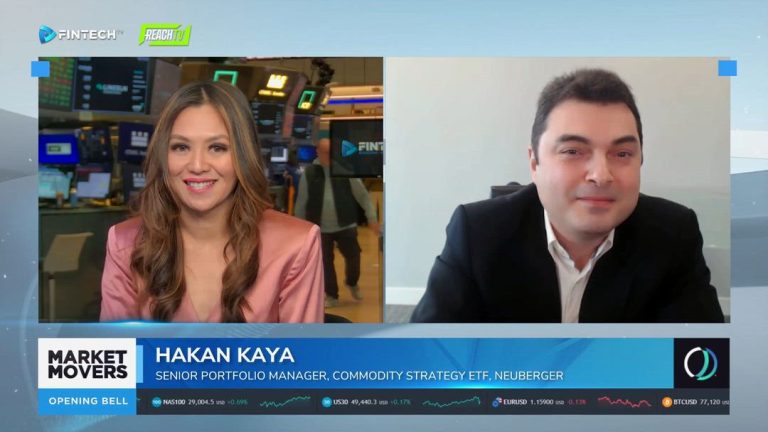
Hakan Kaya, Senior Portfolio Manager at Neuberger Berman, joins Remy Blaire to delve into the current vulnerabilities of traditional stock and bond portfolios, particularly in the face of inflation uncertainty. Hakan emphasizes the importance of commodities as a strategic insurance policy, acting as a buffer when both equities and fixed income are under pressure.

Discover the concept of the “six disruptive Ds” that are reshaping commodity demand today. These include divestment from long-cycle commodities, the push for decarbonization, the physical demands of digitization, the rethinking of supply chains towards resilience, the trend of de-dollarization, and the increasing need for defense. Each of these factors contributes to a growing fragility in supply and highlights why real assets, particularly commodities, are becoming impossible to ignore in today’s investment landscape.

Decentralization Meets Tradition: Exploring DoubleZero’s Edge in Financial Infrastructure

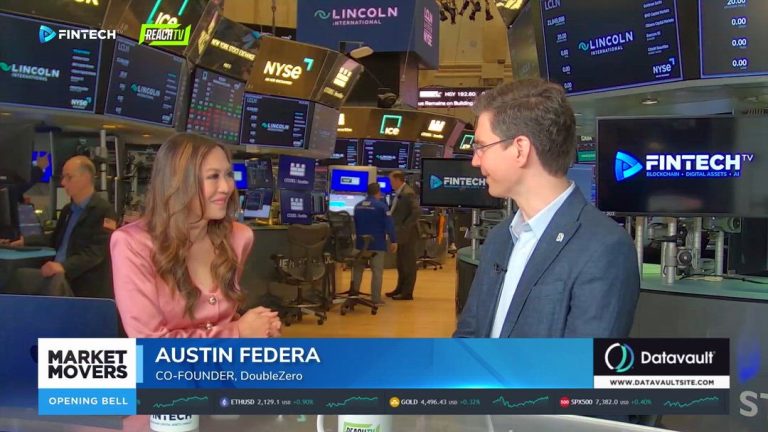
Austin Federa, co-founder of DoubleZero, joins Remy Blaire to provide an overview of DoubleZero, describing it as a physical fiber infrastructure network designed with blockchain principles. This innovative network aims to enhance data delivery in finance, particularly through their platform, Edge, which sources market data from thousands of validators globally, unlike traditional centralized systems.

They discuss the current market environment in 2026, highlighting the integration of traditional finance (TradFi) and decentralized finance (DeFi). Austin notes the exciting developments, such as the collaboration between PolyMarkets and NYSE, which exemplifies the growing synergy between these two financial worlds.

As they navigate the topic of market volatility, Austin emphasizes the importance of high-quality data infrastructure for trading, especially in highly volatile markets. He points out the challenges faced by the crypto market, particularly regarding information flow and price discovery, and how DoubleZero Edge aims to address these issues.

Looking ahead, they touch on regulatory changes in the past year and their potential impact on market access for both retail and institutional investors. Austin expresses optimism about the future of crypto assets, which are increasingly becoming standard in various financial products.

Austin acknowledges the difficulty in predicting market cycles but notes that the fundamentals in the industry are stronger than ever, suggesting a positive outlook.

Inflation and Consumer Spending: A Deep Dive into the Current Economic Landscape

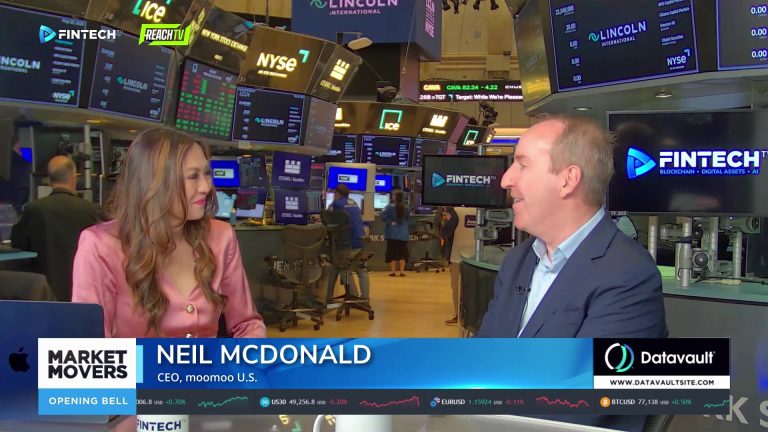
Neil McDonald, CEO of moomoo U.S., joins Remy Blaire to discuss the current state of the market, particularly in light of Nvidia’s upcoming earnings report, which is highly anticipated by retail investors. Neil highlights the unusual market dynamics, where despite consumer struggles and rising inflation, companies are reporting strong earnings, marking one of the best earnings seasons in recent years.

They delve into the implications of the bond market, with Neil expressing concerns about rising yields and the potential for rate hikes. He notes that the bond market often operates independently of political pressures, indicating a possible shift towards higher yields.

As they examine the macroeconomic environment, Neil points out the impact of inflation on American consumers, especially with the summer driving season approaching. He emphasizes the gradual yet significant effects of inflation on everyday expenses, from groceries to travel costs.

They also explore the bifurcation within the S&P 500, where retail investors have been actively buying into tech stocks like Tesla and Nvidia. Neil shares insights on how retail trading behavior has shifted since March, with a focus on tech and AI-related stocks.

Finally, they touch on the challenges of setting price targets in such a volatile market, with Neil expressing skepticism about their reliability given the numerous unknowns that can influence market movements.

Nvidia Bullish Bets Surge as Options Traders Eye Strong Earnings Rally

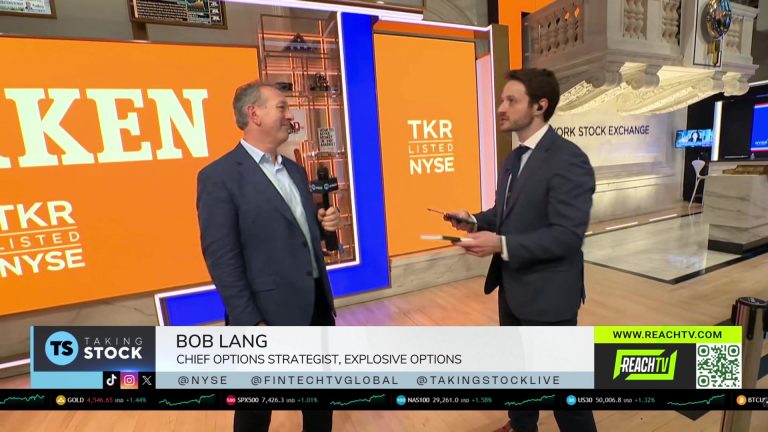
Bob Lang, Founder & Chief Options Analyst at Explosive Options, joins Remy Blaire to discuss how investors can navigate the current market, with a particular focus on Nvidia and Arm Holdings. Bob highlights a significant trend in Nvidia options, noting bullish sentiment, with a call-to-put ratio of about 4:1. Investors are optimistic about Nvidia’s upcoming earnings report, with expectations that the stock will rise to $2.35 to $2.50 in the coming weeks.

They also discuss Arm Holdings, which Bob is particularly bullish on, especially following their recent strong earnings report. He believes that a positive outcome from Nvidia could positively impact Arm and other tech companies, predicting a potential rise to $300 per share.

Shifting gears, they examine the energy sector, specifically Phillips 66. Bob expresses confidence in the company, especially as we approach the summer driving season. He notes that Phillips 66, along with Valero, is well-positioned to benefit from rising gas prices, despite the pain it may cause consumers at the pump.

Finally, they touch on market volatility, with Bob emphasizing that uncertainty remains high due to geopolitical factors and rising oil prices. He points out the conflicting forces of inflation and strong corporate earnings, leaving us to ponder which will prevail in the coming months.

AI Stocks, Market Volatility & Nvidia Earnings

0

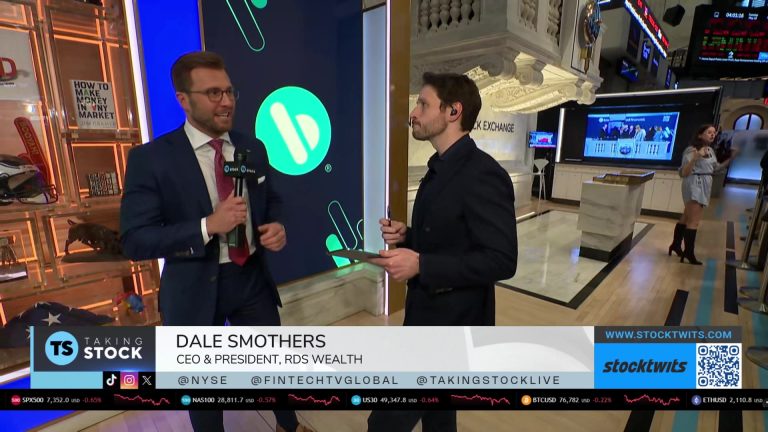
Dale Smothers, CEO and President of RDS Wealth and a longtime friend of the show, joined J.D. Durkin to break down the latest market action, the continued AI-driven rally, and why he believes the S&P 500 could still climb toward the 8000 level despite recent volatility. Smothers noted that while markets may experience more short-term “chop” and pullbacks, strong corporate earnings, expanding margins, and relentless demand tied to artificial intelligence continue to provide major support for equities. He pointed out that few investors would have expected the S&P to recover this quickly from the turbulence seen earlier in the year, underscoring the strength of the current rally.

When discussing portfolio positioning, Smothers emphasized the importance of staying invested in market leadership, particularly within the AI and semiconductor space. He highlighted companies like Nvidia, Microsoft, Amazon, Apple, Oracle, Micron, and Astera Labs as some of the major beneficiaries of the ongoing AI boom. According to Smothers, Nvidia remains the “load-bearing wall” of the AI trade, with investors expecting another massive earnings performance from the company. He explained that the market is no longer satisfied with simple outperformance from Nvidia, it expects blockbuster results capable of sustaining confidence across the broader technology sector.

Smothers also noted how dramatically semiconductors have reshaped the market over the past few years. Before the launch of ChatGPT, semiconductor companies accounted for roughly 6% of the S&P 500, but today they make up nearly a quarter of the index’s total market weight. He said this shift highlights just how critical AI infrastructure and chip demand have become to the broader market narrative.

Consumer Spending, Loyalty Rewards & FinTech Growth

0

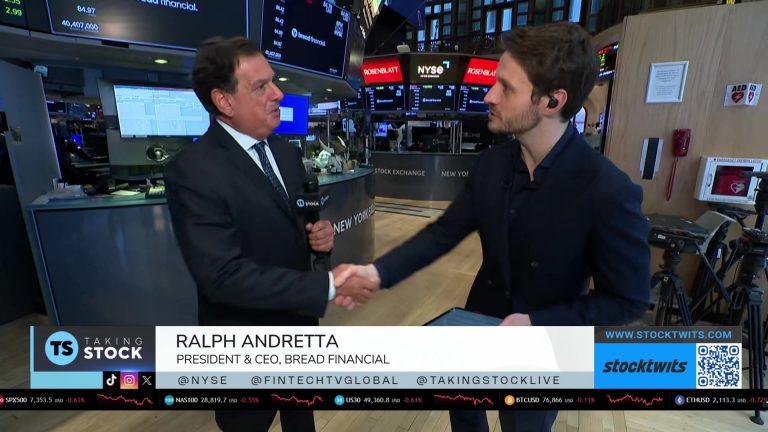
Ralph Andretta, President and CEO of Bread Financial, joined J.D. Durkin from the floor of the New York Stock Exchange fresh off ringing the closing bell as the company celebrated its 25th anniversary as a public company. The moment was especially meaningful for the team as Bread Financial’s chairman officially retired the same day, making the bell-ringing ceremony both a celebration of the company’s milestone and a tribute to its leadership.

During the conversation, Andretta discussed how Bread Financial partners with major consumer brands to provide payments, lending, and financing solutions designed to strengthen customer loyalty and improve the shopping experience. As a B2B2C business, Bread Financial focuses heavily on understanding the end consumer and helping partner brands deliver rewards, financing flexibility, and strong customer service. According to Andretta, today’s consumers are primarily looking for value, loyalty benefits, and greater spending flexibility, all of which Bread aims to provide through its financial products and partnerships.

Andretta also reflected on the company’s transformation over the past five years, emphasizing a renewed focus on fundamentals like customer service, innovation, technology, and disciplined risk management. As a banking institution operating in a rapidly evolving consumer finance landscape, Bread Financial has prioritized building scalable technology while maintaining strong underwriting standards and operational stability.