[stock-market-ticker symbols=" ^NYA;CRYPTO:BTC;CRYPTO:ETH;CRYPTO:USDT;CRYPTO:USDC;CRYPTO:BNB;CRYPTO:ADA;CRYPTO:XRP;CRYPTO:SOL;CRYPTO:DOGE " stockExchange="NYSENASDAQ" width="100%" transparentbackground=1 palette="financial-light"]

Home Blog Page 21

BNY Rings the Closing Bell at Record Highs

0

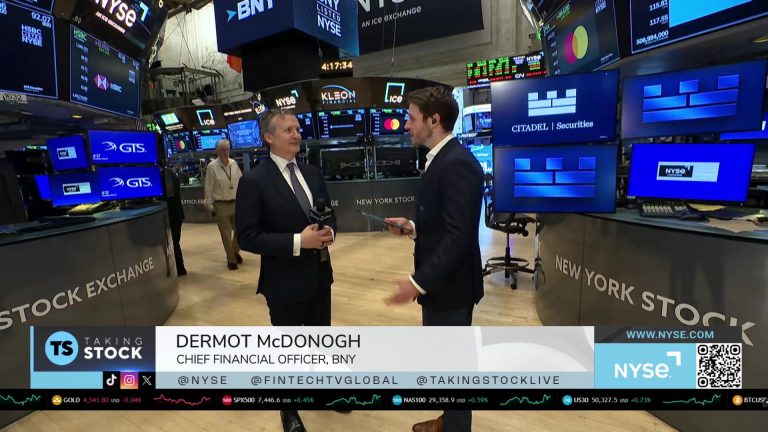
On this episode, BNY CFO Dermot McDonogh reflected on a historic milestone for one of America’s oldest financial institutions as BNY officially transitioned its ticker symbol from BK to BNY. Founded in 1792 by Alexander Hamilton, the same year the NYSE was established, BNY celebrated the occasion by ringing the closing bell with shares finishing at an all-time high. McDonogh described the moment as deeply emotional for employees, including several who have spent more than 50 years with the company, highlighting the bank’s enduring legacy and continued evolution as a modern financial institution focused on innovation, resilience, and trust.

The conversation also explored BNY’s sweeping three-year transformation under CEO Robin Vince, which has driven record earnings, revenue growth, and operational performance. McDonogh pointed to the bank’s people-first culture and strategic focus on client service as major contributors to its momentum, including a standout first quarter in 2026 with record sales and significant EPS growth. One of the biggest initiatives discussed was BNY’s partnership with the U.S. government on the newly launched “Trump Accounts” program, designed to help children born this year begin building long-term savings and investment accounts ahead of America’s 250th anniversary celebration. McDonogh emphasized that BNY’s unique role at the center of America’s financial system, combined with its historic legacy and expanding institutional partnerships, positions the firm for continued growth as it enters its next chapter on Wall Street.
Fintech review, SpaceX Bitcoin, Harvard ethereum, Zodia custody

0

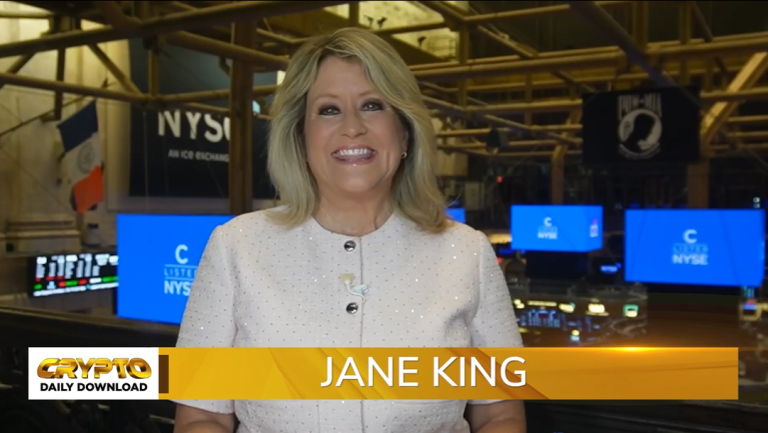
In this episode of the Crypto Daily download, Jane King covers developments in the world of cryptocurrency and fintech.

First, Jane discusses President Trump’s recent order for the Federal Reserve to review fintech companies’ access to payment accounts. This initiative aims to integrate digital assets and financial technology into traditional financial services, positioning the U.S. as a leader in financial innovation and potentially lowering costs for consumers.

She also highlights SpaceX’s impressive Bitcoin holdings, which amounted to over 18,000 BTC valued at $1.25 billion as of the end of the first quarter. This comes as the company prepares for a public offering with a valuation exceeding $1.5 trillion. In contrast, Harvard University made headlines by selling off its entire $87 million stake in Ethereum just a quarter after acquiring it, following a significant drop in ETH prices.

Lastly, she delves into the acquisition of Zodiac Custody’s business by Standard Chartered, leading to the establishment of Zodiac Solutions. This new entity will focus on providing digital asset infrastructure and services to banks and financial institutions, further enhancing the digital asset landscape.

Jane King with the latest from the NYSE.

Inflation, Nvidia, Market Risk & Wall Street’s Biggest Trends

0

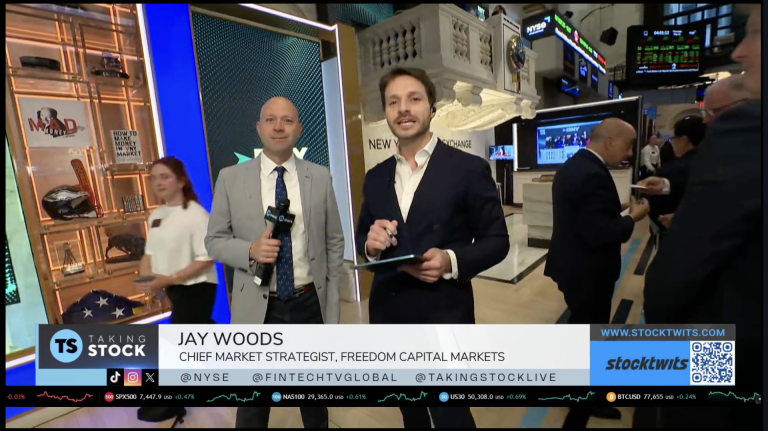
From the floor of the New York Stock Exchange, Jay Woods, Chief Market Strategist at Freedom Capital Markets and CNBC contributor, broke down the latest market action as investors continue navigating inflation concerns, geopolitical tensions, and the relentless momentum behind tech stocks. The conversation highlighted the historic significance of BNY Mellon, the first stock ever listed on the New York Stock Exchange before turning toward the current state of the markets. Woods warned that investors may be underestimating the risks tied to rising inflation, elevated oil prices, and mounting geopolitical uncertainty surrounding the Strait of Hormuz. While markets continue to shrug off negative headlines and rebound quickly, Woods noted that inflation pressures across energy and services remain a growing concern ahead of upcoming PCE data and the arrival of Kevin Warsh as the next Federal Reserve chair.

The interview also focused heavily on the continued dominance of technology stocks, particularly Nvidia, which remains one of the biggest drivers of the broader market rally despite muted reactions following strong earnings results. Woods explained that while Nvidia continues delivering exceptional growth, investors are beginning to question what could drive the stock significantly higher from already historic valuation levels. The discussion also touched on the surge in quantum computing names as government investment and AI-related infrastructure spending accelerate. Finally, Woods raised concerns about the sharp decline in Walmart shares following warnings tied to inflation and consumer spending pressure, suggesting the retailer’s outlook could serve as an important signal for the health of the U.S. consumer and the broader economy moving forward.

Inside the Crypto Infrastructure Boom: How Field Digital Is Bridging Wall Street & Blockchain

0

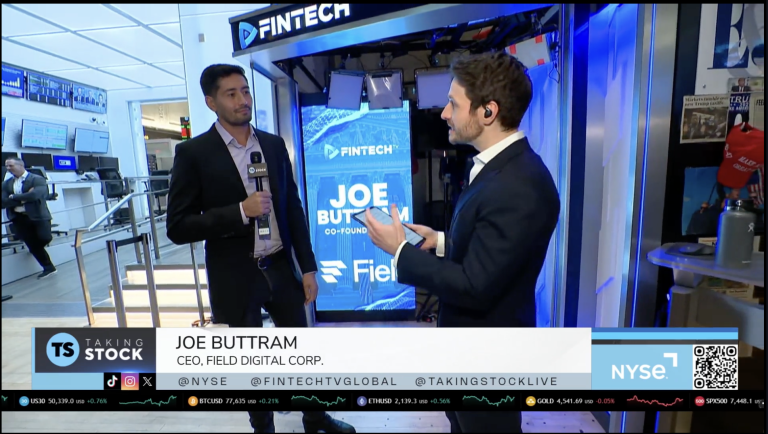
As crypto and digital assets continue moving deeper into mainstream finance, Field Digital Corp is positioning itself as a “picks and shovels” company focused on building the infrastructure powering the next generation of capital markets. Speaking live from the floor of the New York Stock Exchange, CEO Joe Buttram explained how Field Digital operates as a crypto-native fintech conglomerate focused on acquiring and supporting businesses that make the broader blockchain ecosystem function, regardless of where token prices move. The company’s mission is to help bridge the gap between traditional finance and the rapidly evolving on-chain economy while opening access to investment opportunities that have historically been reserved for venture capital firms, hedge funds, and accredited investors.

The conversation also explored the growing maturity of crypto markets and why institutional investors are becoming more comfortable entering the space. Buttram emphasized that today’s environment is less driven by hype and speculation and more focused on compliance, infrastructure, and long-term utility. With support for digital assets expanding across Wall Street and Washington, Field Digital sees this as a key moment to bring high-quality crypto businesses into the public markets. The interview also touched on investment discipline, the importance of conviction during market volatility, and why education remains one of the biggest opportunities for the crypto industry moving forward. According to Buttram, blockchain technology and tokenization are poised to fundamentally reshape global finance, and companies building the infrastructure behind that transformation could become some of the biggest winners in the years ahead.

The Future of Crypto Finance: Ethereum Treasuries, DeFi Yields & Wall Street Adoption

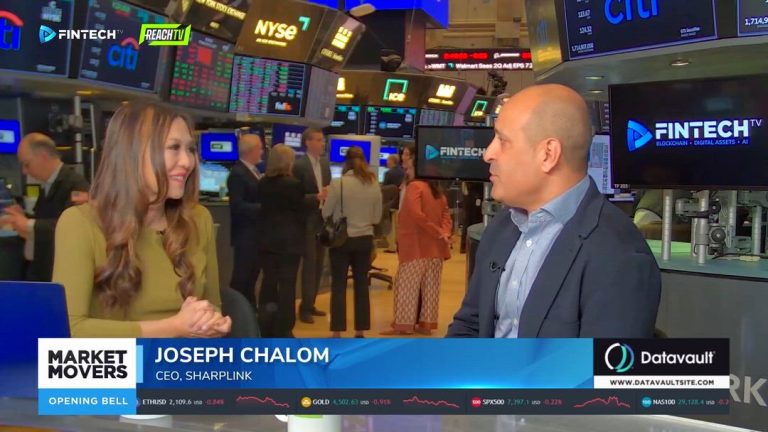
As crypto markets continue to mature, institutional investors are increasingly shifting their focus toward yield generation, tokenization, and decentralized finance infrastructure. Speaking from the floor of the New York Stock Exchange, the CEO of Sharplink, Joseph Chalom discussed the company’s evolution into one of the world’s largest public holders of Ethereum and how that position is being leveraged to generate productive, risk-managed returns. Through a first-of-its-kind partnership with Galaxy Digital, Sharplink plans to deploy capital into early-stage DeFi protocols, targeting yield-bearing opportunities backed by collateralized lending structures. The conversation explored how staking, DeFi participation, and institutional capital are reshaping Ethereum’s role in the broader digital asset ecosystem.

The interview also highlighted the growing institutionalization of crypto markets despite ongoing macroeconomic volatility tied to inflation, liquidity conditions, and interest rate uncertainty. With major financial players like BlackRock, Franklin Templeton, and exchanges including the New York Stock Exchange moving deeper into tokenization and 24/7 trading infrastructure, the long-term outlook for blockchain-based finance continues to strengthen. Looking ahead, the discussion turned toward the highly anticipated Clarity Act and the broader regulatory landscape in Washington, with expectations that clearer crypto legislation and coordinated SEC and CFTC rule making could unlock the next wave of institutional adoption and drive a “flight to quality” across the digital asset industry.

Crypto’s Next Evolution: How Stablecoins & Tokenized Assets Are Reshaping Finance

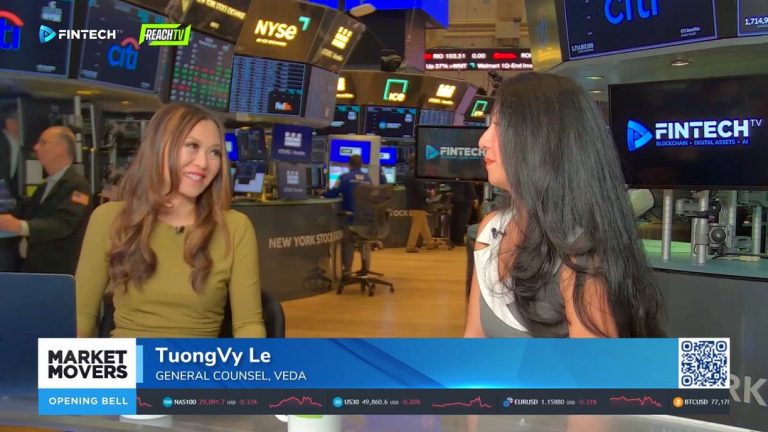
As stablecoins, tokenized assets, and decentralized finance continue to reshape the financial system, the conversation around crypto is evolving far beyond speculation. Speaking from the floor of the New York Stock Exchange, Veda’s lead general counsel, TuongVy Le discussed how blockchain technology is increasingly being viewed as critical financial infrastructure rather than just an emerging asset class. Veda is building custodial smart contract vaults designed to deploy capital programmatically while helping enterprises manage risk, a sign of how institutional adoption is accelerating across the industry. The discussion also highlighted the growing momentum behind crypto regulation in Washington, including the Clarity Act and broader efforts from the SEC, CFTC, and Treasury to create clearer rules for digital assets and decentralized systems. With regulatory clarity improving, the industry could see a major boost in institutional participation, consumer confidence, and innovation.

The interview also explored how decentralized financial infrastructure can improve capital efficiency, reduce friction, and streamline capital deployment during periods of market volatility. As traditional finance and blockchain technology increasingly converge, institutions are looking toward smart contracts and programmable finance as the next phase of financial innovation. The conversation closed with a look at what these developments mean for everyday consumers, emphasizing that clearer regulations and safer frameworks could unlock broader participation in crypto markets while strengthening investor protections across the ecosystem.

Markets Showing Fatigue Amid Escalating U.S.-Iran Tensions and Rising Yields

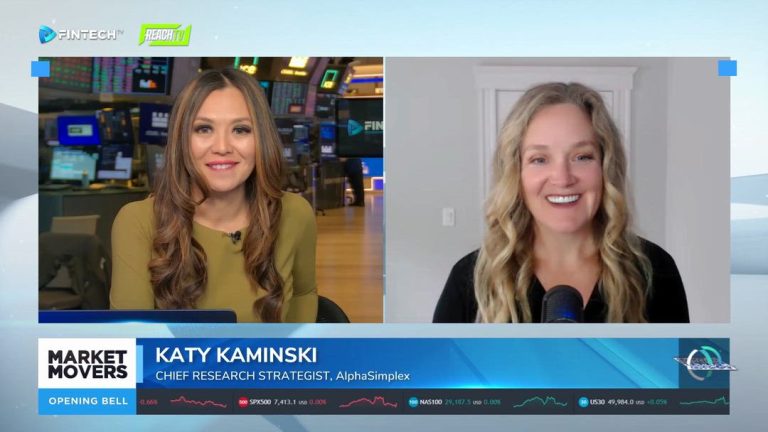
Katy Kaminski, Chief Research Strategist at AlphaSimplex, joins Remy Blaire to discuss the current state of the U.S. stock market and its relationship with ongoing global events, particularly the conflict in Iran. They discuss how the equity market is experiencing fatigue as it tries to navigate the implications of rising oil prices and yields. Katy highlights the uncertainty surrounding inflation and the Federal Reserve’s direction, especially with Kevin Warsh’s upcoming swearing-in.

They also explore the recent surge in global yields, noting the unusual positive correlation between stocks and bonds since the onset of the U.S.-Iran conflict. This correlation has implications for investors, as it suggests reduced diversification opportunities amidst inflation uncertainty.

Shifting the focus to the foreign exchange markets, they examine the complexities of the U.S. dollar’s position, especially in light of interest rate policies in other regions. Katy emphasizes that the dollar’s trajectory will be nuanced, with potential for varied movements against different currencies.

Lastly, they touch on gold’s recent retreat despite its traditional role as a safe haven. Katy points out the mixed signals in gold’s momentum and the need to monitor real rates closely.

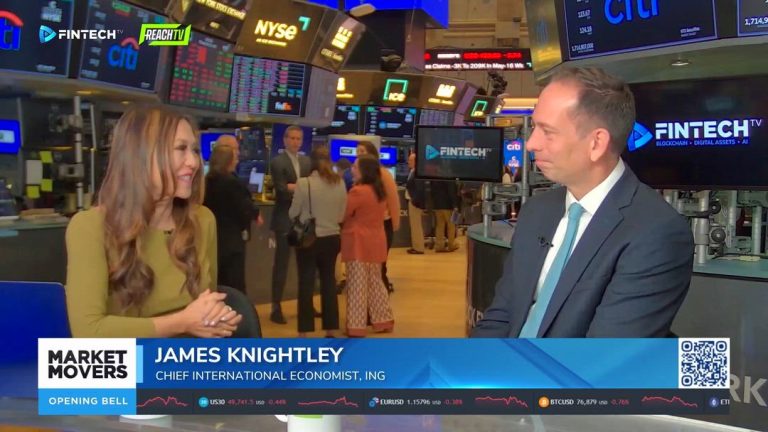
Rising U.S. Inflation Could Complicate Fed’s 2% Target: Insights From ING’s James Knightley

James Knightley, Chief International Economist at ING, joins Remy Blaire to delve into the recent inflation figures from the U.S. and discusses the implications of the Federal Reserve’s meeting minutes. James highlights that inflation is on the rise, with expectations reaching between 4-4.5%, which poses challenges for the Fed’s 2% target. He notes that while inflation is currently concentrated in areas like motor fuel and airline fares, the Fed is keen to prevent any spillover effects.

They also explore the differences in economic conditions between the U.S., U.K. and Japan, particularly regarding energy supply and pricing. James explains that the U.S. is relatively insulated from global energy issues, unlike Europe and Japan, which face broader price increases and potential supply shortages.

As they shift focus to the labor market, they discuss the recent jobless claims and the impact of tech layoffs and artificial intelligence on employment. With Kevin Warsh set to be sworn in, they examine his potential influence on monetary policy, particularly his views on productivity driven by technology.

In the currency markets, they analyze the strength of the U.S. dollar amid rising global yields and geopolitical uncertainty. James points out that the dollar benefits from its safe-haven status, especially as Europe grapples with weaker growth and inflation pressures.

Finally, they touch on the G7 finance ministers meeting and the current rate differentials. James expresses skepticism about the aggressive interest rate hikes being priced in, suggesting that the inflation situation today is different from the past, and anticipates a more transitory inflation outlook.

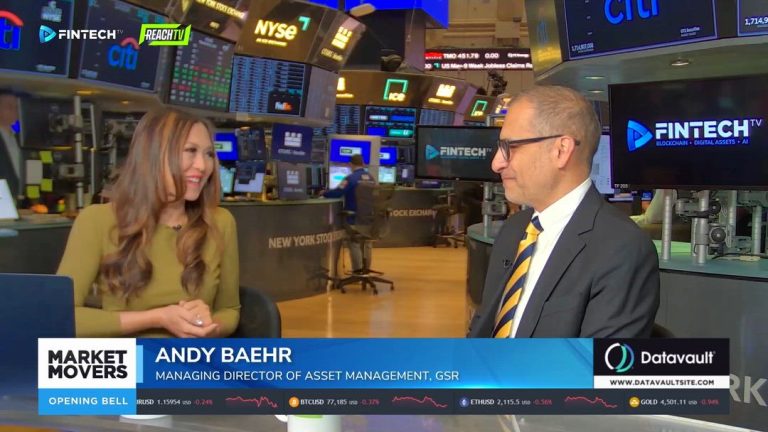
Bitcoin Holds at $77K as Andy Baehr’s ‘Conviction Gauge’ Signals Cautious Crypto Sentiment

Andy Baehr, Managing Director of Asset Management at GSR, joins Remy Blaire to discuss the cryptocurrency market, with Bitcoin hovering around $77,000, Ethereum at approximately $2,100 and Solana near $85.

Andy introduces us to the “conviction gauge”, a measure he developed to assess market sentiment by tracking the transition from daily to weekly trends. While there has been a slight recovery in conviction, it remains below the threshold that indicates strong market confidence. They also explore the relationship between volatility in crypto and trading activity, noting that the current low volatility reflects a lack of energy in the market.

As Memorial Day approaches, they examine what it might take to energize the market. Andy points out that catalysts such as progress on the Clarity Act and improvements in funding rates are being closely monitored, but the outlook remains cautious. He highlights a significant shift in their Core 3 portfolio, with Bitcoin’s weight increasing from 13% to over 50%, indicating a more defensive stance.

They also touch on the resilience of the current market structure amid geopolitical events and fluctuating energy prices. While Bitcoin, Ether, and Solana have shown impressive stability, there is a desire for more dynamic movement in the market.

Finally, they compare the crypto landscape in the U.S. and Europe. Andy notes the progress the U.S. has made in becoming a crypto hub, with increased activity and investment in New York, while London faces regulatory challenges.

AI, Tokenized Equities & the Next Era of Finance Infrastructure

0

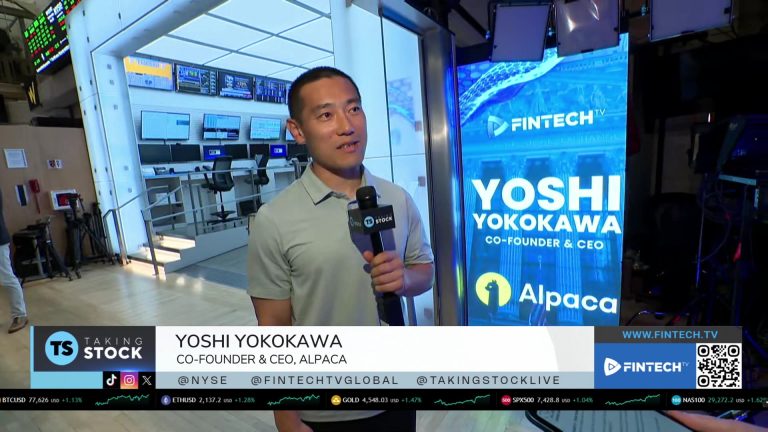
The future of finance is becoming programmable, tokenized, and AI-driven. On this episode, Yoshi Yokokawa, co-founder and CEO of Alpaca, joins J.D. Durkin to discuss how the company is building the infrastructure layer for next-generation financial services and why he compares Alpaca to the “AWS of finance.”

Yoshi explains how APIs, clearing, custody, and settlement infrastructure are powering a new wave of financial applications, especially as AI agents and automation become more integrated into investing and trading experiences. The conversation also dives into the rise of tokenized equities, the shift from traditional finance systems to on-chain markets, and why Yoshi believes this transformation could be as significant as the move from paper-based finance to computerized systems decades ago.

They also explore how AI is reshaping the relationship between investors and brokerages, why programmable finance could unlock more global and 24/7 markets, and how Alpaca is positioning itself at the intersection of traditional finance and crypto-native infrastructure.