[stock-market-ticker symbols=" ^NYA;CRYPTO:BTC;CRYPTO:ETH;CRYPTO:USDT;CRYPTO:USDC;CRYPTO:BNB;CRYPTO:ADA;CRYPTO:XRP;CRYPTO:SOL;CRYPTO:DOGE " stockExchange="NYSENASDAQ" width="100%" transparentbackground=1 palette="financial-light"]

Home Blog Page 20

Navigating the Future of Media: Kevin McGurn on Trump Media’s Vision and Strategy

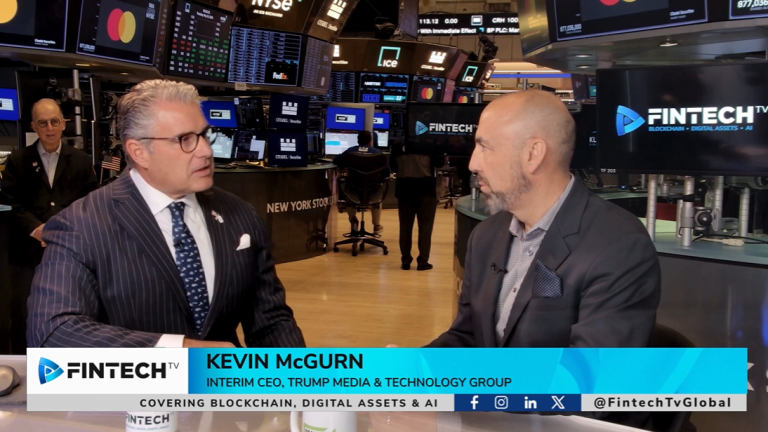
Kevin McGurn, the interim CEO of Trump Media & Technology Group, joins FINTECH.TV’s Founder & CEO Vince Molinari to discuss a range of topics, including the company’s strategic approach to treasury management, particularly regarding Bitcoin and digital assets. Kevin emphasizes the importance of diversifying holdings for risk management and enhancing yield, which he believes will strengthen the company’s balance sheet.

They explore the convergence of media platforms, financial market infrastructure, and digital ownership, with Kevin expressing his belief that we are still early in this evolution. He highlights the potential of blockchain and crypto assets to improve the consumer experience in media, particularly through the integration of their mobile and television platforms.

A significant portion of the conversation focused on Truth Plus, the company’s new content distribution platform. Kevin shares insights on how original content will play a crucial role in engaging users and differentiating Truth Plus in a crowded streaming market. He explains that their closed-loop platform allows for rapid iteration and a cleaner user experience.

Discover Truth Plus’ plans for increasing content, user engagement, and advertising partnerships. He also addresses common misunderstandings about the company, particularly regarding its technology stack and the potential of blockchain to unify fragmented media.

They touch on the importance of energy in the context of their operations and the broader industry, as well as the upcoming merger and its implications for shareholder value. Kevin articulates a vision of success that includes more content, deeper connectivity between mobile and television, and a commitment to serving all stakeholders.

Finally, they briefly discuss Yorkville America and their evolving ETF offerings, emphasizing the importance of providing diversified products in the cryptocurrency space.

Decoding Money: Understanding the Evolution from Barter to Bitcoin

Henri Arslanian and Michael Dotsikas, the co-authors of the children’s book “Decoding Crypto,” join Dalia D’Agostino to delve into the topic of money, exploring its evolution from barter systems to modern cryptocurrencies like Bitcoin.

The book is designed for kids aged 7 to 13, and introduces the history of money in a fun and engaging way. As a 13-year-old, Dalia shares her perspective that many kids are ready to dive deeper into the mechanics of money and cryptocurrency.

Henri and Michael explain that money is fundamentally a shared agreement between parties and discuss its three essential functions: being a unit of account, a store of value, and a medium of exchange. They provide relatable examples, such as trading snacks at school, to illustrate these concepts.

They also touch on the differences between in-game currencies and real money, emphasizing that in-game currencies are controlled by companies, while cryptocurrencies like Bitcoin operate on a decentralized network. This leads to a discussion about how the concept of money is changing, especially for Dalia’s generation, which has grown up with digital money.

The authors stress the importance of financial literacy and responsible education about cryptocurrencies, aiming to equip kids with the knowledge they need to navigate the evolving financial landscape.

Transforming Capital Access: How Private Credit is Driving Social Change

0

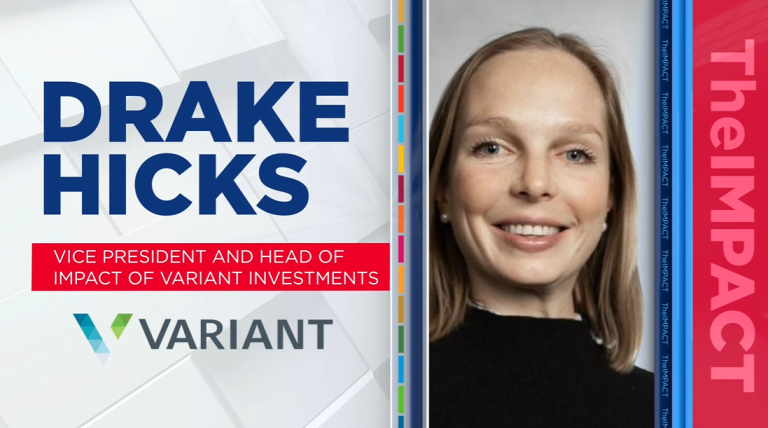
Drake Hicks, Vice President and Head of Impact at Variant Investments, joins Jeff Gitterman to share insights into Variant’s mission, which began with a focus to provide capital access for niche private credit assets globally. In 2021, they launched an impact fund aimed at financing underfunded areas in places like Rwanda and Kenya. They discuss the unique role of private credit in the impact space, highlighting its non-extractive nature and how it can support founders without taking ownership, thus fostering scalable growth.

A key part of the discussion revolves around how capital can leverage change, illustrated by a recent investment in a lease-to-own financing platform in Rwanda. This initiative not only provides credit for motorcycles to boost entrepreneurial activity but also introduces sustainability measures that attract additional capital.

They discuss Drake’s journey into impact investing, shaped by her upbringing in Hong Kong and the desire to understand diverse ways of life. After gaining traditional finance experience at BlackRock, she sought to merge finance with social impact, which led to her current role.

Drake emphasizes the importance of impact reporting and the rigorous seven-step process Variant employs to ensure its investments align with sustainable development goals. She also addresses the current challenges in the private credit market and how Variant has maintained its focus on niche assets to navigate these difficulties.

They wrap up by discussing the ideal investors for Variant, which include high-net-worth individuals and institutional investors looking to align their portfolios with their values. Drake encourages investors to “ask more for their money” and consider the impact of their investments, reinforcing the idea that doing good can also lead to financial returns.

IPO Market Rebounds as Tech, Healthcare, and Industrials Drive New Listings

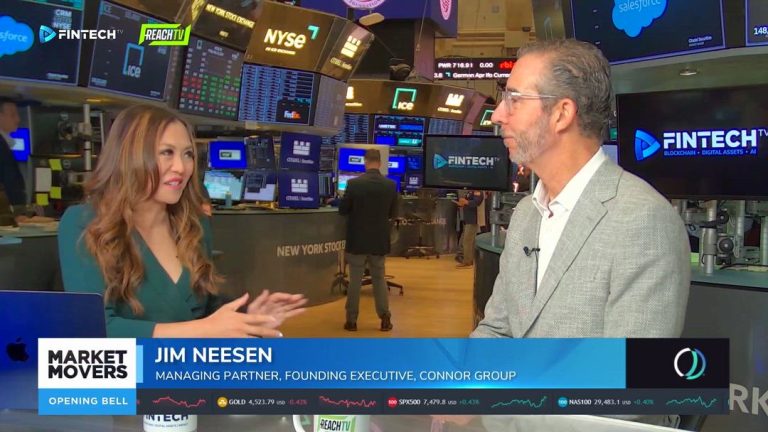
Jim Neesen, Managing Partner & Founding Executive at Connor Group, joins Remy Blaire to discuss the current state of the American capital markets and the highly anticipated IPO pipeline, particularly focusing on SpaceX and OpenAI.

Jim highlights that SpaceX’s upcoming IPO is set to be one of the most significant in recent history, boasting the largest valuation and proceeds ever, along with unprecedented retail participation. He emphasizes that SpaceX is not just a rocket company but a conglomerate that integrates space, AI, data centers, and communications. However, he cautions retail investors that this is a long-term play, akin to the Tesla IPO, and they should be prepared for a lengthy journey before seeing substantial returns.

They also discuss the broader IPO landscape, noting that despite some criticisms regarding liquidity and listings, there has been a notable increase in IPO activity this year compared to last. Jim points out that various sectors, including industrials, healthcare, and technology, are cycling through the market, with many companies gearing up for future liquidity events.

Turning attention to OpenAI, Jim explains the competitive landscape with Anthropic and the challenges both companies face as they seek to scale and maintain market share. He mentions that OpenAI, while currently a net loss company, has a significant customer base and will need substantial capital to grow.

As they wrap up, they touch on the implications of the rising equity market and how it correlates with IPO activity. Jim likens the situation to the “circle of life,” where increased valuations lead to more liquidity and opportunities for both IPOs and mergers and acquisitions.

Clarity Act Momentum and SEC Shift Fuel Optimism Across Digital Asset Markets

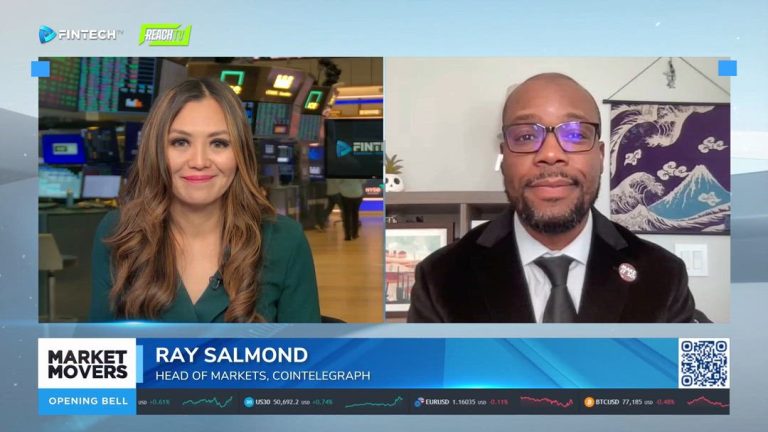
Ray Salmond, Head of Markets at Cointelegraph, joins Remy Blaire to delve into the current state of Bitcoin and the broader cryptocurrency market. They kick off the discussion by examining Bitcoin’s recent price action, noting a dip after reaching the $83,000 mark, with current trading around $77,000. Ray emphasizes that for investors, consistent exposure and cost basis are more critical than short-term price fluctuations, highlighting optimistic long-term projections from analysts like Tom Lee and Arthur Hayes.

They also explore macroeconomic factors influencing the market, including potential geopolitical developments, IPO excitement surrounding companies like SpaceX and OpenAI, and the implications of rising U.S. inflation. Ray points out that while inflation affects consumers, investors seem to be looking past it, focusing instead on positive regulatory developments and the potential for Bitcoin to serve as a strategic reserve.

As they discuss the Clarity Act and its timeline, Ray expresses hope for its passage before the midterms, noting the urgency given the political landscape. He mentions the challenges posed by the upcoming June recess and the potential for delays in getting clarity on crypto regulations.

Finally, they touch on the recent rally in tokenization and crypto tokens, with Ray highlighting the SEC’s shift towards a lighter regulatory approach and the growing interest in trading pre-IPO stocks and tokenized assets.

Azuria Capital’s Otavio Costa Bullish on Copper, Gold and Silver Amid Inflation Risks

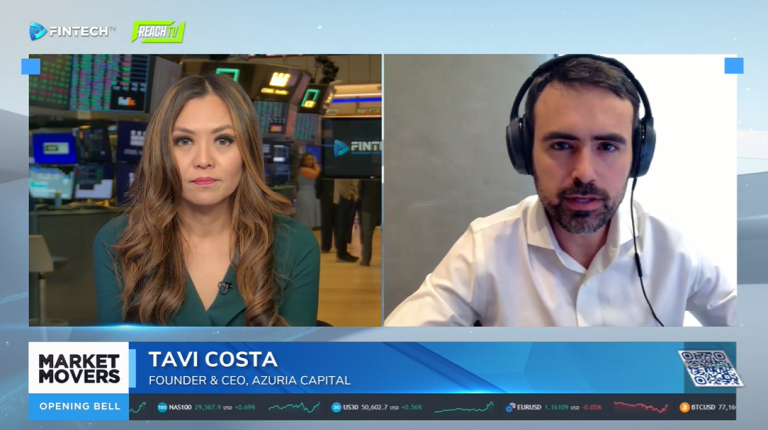
Otavio Costa, founder and CEO of Azuria Capital, joins Remy Blaire to discuss the current state of treasury yields and the macroeconomic outlook. Otavio highlights that while we are seeing some easing in yields, the recent spike is reminiscent of the inflationary environment of 2021. However, he believes the Federal Reserve is not in a position to tighten as aggressively as it did then, suggesting the two-year yield may be nearing its peak.

They also discuss the implications of global inflation drivers, particularly the impact of energy prices due to geopolitical tensions, and the importance of monitoring the global money supply and the Fed’s balance sheet. Otavio expresses skepticism about the market’s expectations for Kevin Warsh, the new Federal Reserve chair, predicting a more dovish approach than many anticipate.

Turning the attention to commodities, Otavio shares his bullish outlook on metals, particularly copper, which he believes is set to continue its upward trajectory due to supply constraints and increasing demand. He emphasizes the importance of dollar-cost averaging into positions during pullbacks, especially in gold and silver.

They also explore the potential of emerging markets, particularly Brazil, as a strategic investment opportunity driven by a shift towards more capitalist policies in the region. Otavio notes that the political landscape in Latin America is changing, making it an exciting time for investors.

Finally, they touch on agricultural commodities, with Otavio predicting a breakout in corn prices and a broader trend towards agricultural investments as energy costs rise. He believes that this sector will become increasingly attractive to investors, linking it back to the opportunities in Latin America.

Dissecting Nvidia’s Earnings: Growth Concerns and Market Reactions

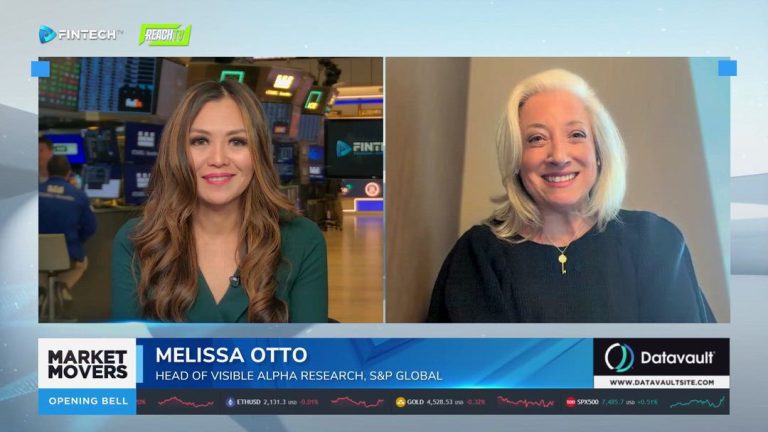
Melissa Otto, Head of Visible Alpha Research at S&P Global, joins Remy Blaire to dissect Nvidia’s recent earnings results. They explore why the stock barely moved despite beating expectations on both the top and bottom lines. Melissa points out that while their revenue guidance was solid, concerns about slightly lower gross margins and expectations of a slowdown in growth next year may have contributed to investor apathy.

They also discuss the positive reaction in Asian markets, particularly with companies like LG Electronics and Hyundai seeing significant gains after CEO Jensen Huang’s comments on the future of physical AI, including robotics and automated vehicles. Melissa emphasizes the importance of domain expertise in generative AI applications and how it could impact Nvidia’s growth trajectory.

Discover Nvidia’s dependency on hyperscalers and the potential vulnerability of their gross margins if these tech giants successfully pivot to in-house chip production. Melissa notes Nvidia’s efforts to provide more transparency in their financial reporting, particularly with the introduction of new line items for edge computing.

They touch on the geopolitical risks associated with Nvidia’s supply chain, especially following Huang’s recent trip to China, and how any positive developments could provide an incremental upside for the company.

Finally, they examine Nvidia’s competitive landscape, with Melissa highlighting the company’s strong position due to its CUDA software ecosystem. She expresses that while competitors are emerging, Nvidia’s dominance in the data center market remains robust, at least for now.

The Future of Money, Bitcoin, and the Digital Dollar

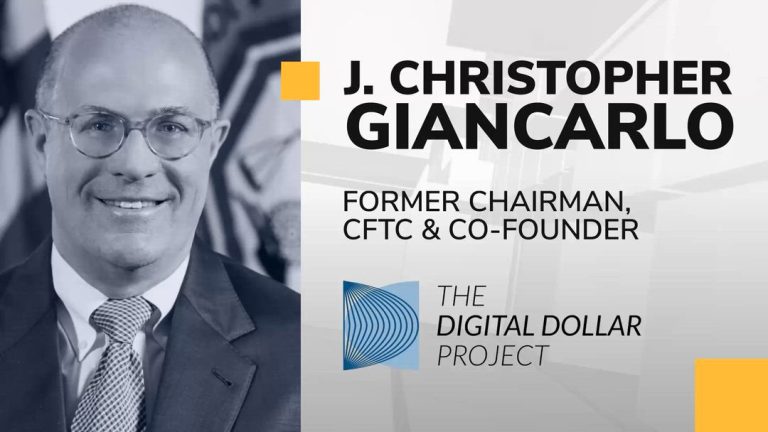
In this episode of FinTech TV, Dalia D’Agostino is joined by J. Christopher Giancarlo, former Chairman of the U.S. Commodity Futures Trading Commission, co-founder of the Digital Dollar Project, and widely known as “Crypto Dad.” He reflects on his experience serving under two very different U.S. presidents, explaining that his approach was to stay focused on the substance of financial markets rather than politics, which allowed him to work effectively across administrations. He also discusses how that same mindset can be applied in everyday life, including how young people can navigate different viewpoints by focusing on understanding the work and staying grounded in knowledge.

Giancarlo breaks down the mission of the Digital Dollar Project and how money itself is evolving in a rapidly digitizing world. He explains that the dollar must adapt to become a networked, digital instrument while still preserving its role as a global reserve currency and reflecting democratic values such as privacy and lawful oversight. Comparing the shift to digital money to the evolution of photography from film to digital, he highlights how future money will become more programmable, transferable, and useful while also requiring greater awareness around security and scams.

He also explores the future of money in broader terms, including stablecoins, central bank digital currencies, and even in-game currencies, emphasizing that while the formats may change, money will continue to be backed by trust and governance. For younger generations, he believes growing up in a digital-first world will create stronger intuition around financial technology and fraud prevention. Still, he stresses that timeless financial habits remain essential especially saving, building a safety net, and developing discipline with money.

Inside CLOs: How Risk, Return & Credit Really Work in Finance

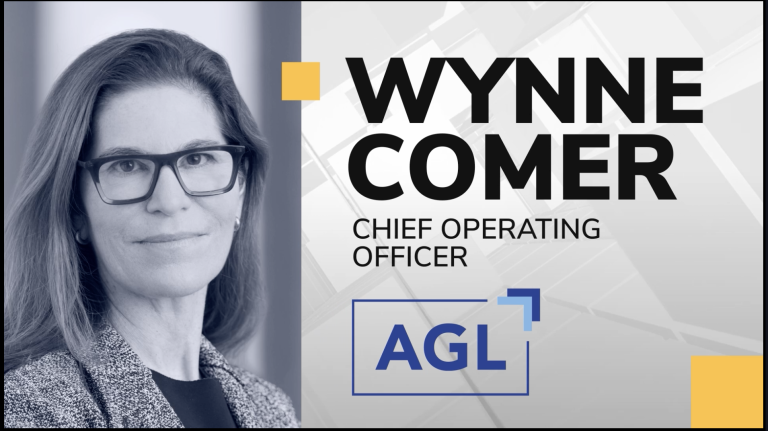
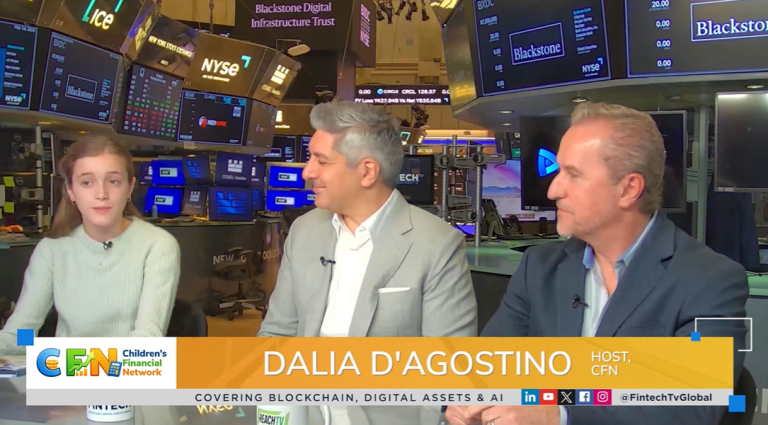
At the New York Stock Exchange, Dalia D’Agostino sat down with Wynne Comer, Chief Operating Officer of AGL Credit Management, for an insightful conversation breaking down the complex world of CLOs, corporate credit, and risk management in a way younger audiences can actually understand. From using cake metaphors to explain collateralized loan obligations to discussing how banks, hedge funds, and institutional investors approach risk differently, the interview turned one of finance’s most complicated topics into an engaging lesson on how money moves through the financial system. Wynne explained how CLOs evolved from traditional bank lending into diversified investment structures that help companies borrow money more efficiently while giving investors different levels of risk and return opportunities.

The conversation also explored broader lessons about financial literacy, investing, and decision-making. Wynne shared how early experiences in project finance taught the importance of balancing risk and reward, while emphasizing that understanding finance is really about solving problems and allocating resources wisely. Dalia and Wynne also discussed why some investors prefer safer returns while others chase higher yields, what kids should know about credit at an early age, and whether structures like CLOs will continue evolving alongside modern finance. The interview highlighted how concepts like patience, diversification, prioritization, and critical thinking are foundational not only in investing, but in everyday life as well.