[stock-market-ticker symbols=" ^NYA;CRYPTO:BTC;CRYPTO:ETH;CRYPTO:USDT;CRYPTO:USDC;CRYPTO:BNB;CRYPTO:ADA;CRYPTO:XRP;CRYPTO:SOL;CRYPTO:DOGE " stockExchange="NYSENASDAQ" width="100%" transparentbackground=1 palette="financial-light"]

Home Blog Page 19

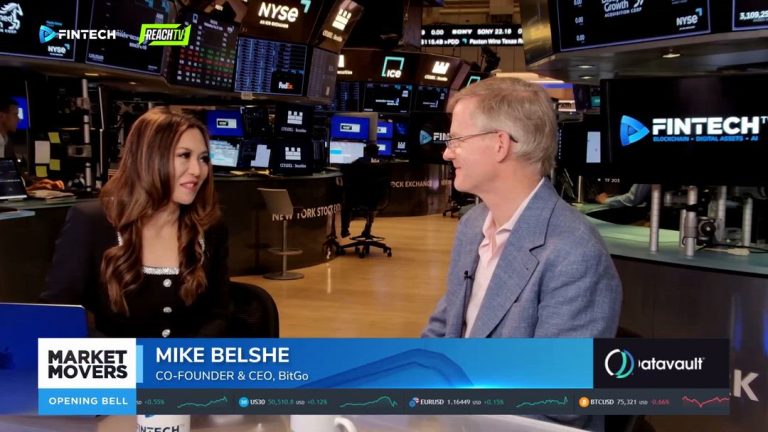
Clarity Act Could Accelerate Traditional Finance Adoption of Digital Assets: Insights From Mike Belshe

Mike Belshe, co-founder and CEO of BitGo, joins Remy Blaire to delve into the current state of the cryptocurrency market and the broader financial landscape. They examine Bitcoin’s trading position in the mid-$70K range and the institutional demand for digital assets, which Mike believes is thriving despite macroeconomic risks.

Mike highlights the significance of the Clarity Act, which he feels provides a clear path for traditional financial institutions to integrate digital assets into their platforms. He shares insights on BitGo’s recent developments since going public, emphasizing the company’s strong performance and the increasing interest in crypto infrastructure.

They also touch on the impact of artificial intelligence on the digital asset space, with Mike noting that while there are concerns about AI’s potential for hacking, it also offers opportunities to enhance security measures. He reassures investors that the industry is proactively addressing these challenges.

Towards the end of the conversation, they discuss BitGo’s vision moving forward as a public company, focusing on providing essential infrastructure for institutions looking to engage with tokenized assets.
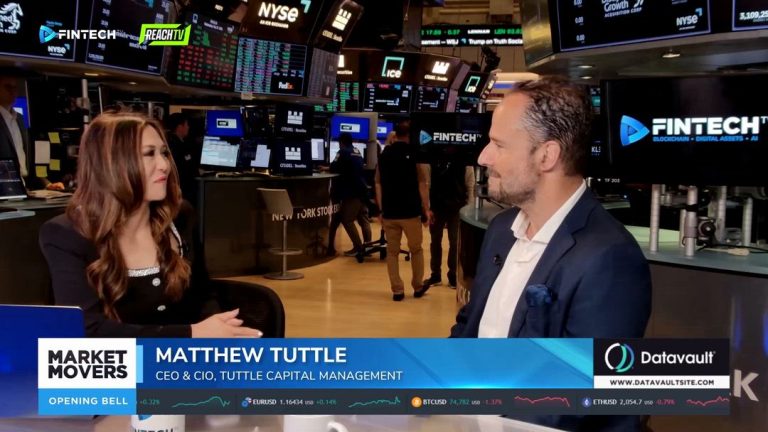
From Quantum to Space Tech: Matthew Tuttle Highlights Emerging Sectors Beyond Traditional AI Plays

Matthew Tuttle, CEO & CIO of Tuttle Capital Management, joins Remy Blaire to discuss the current state of the markets, the AI trade boom and its impact on stock performance. They discuss the record highs in the S&P 500 and Nasdaq 100, driven by significant players like Micron, which recently crossed a trillion-dollar market cap.

Matthew shares his insights on the fundamental backdrop of the market, highlighting the dichotomy between falling oil prices and the ongoing geopolitical tensions in the Middle East. He emphasizes the importance of identifying bottlenecks in the AI ecosystem, particularly in memory and photonics, and suggests that investors should look for companies that are addressing these challenges.

They delve into specific investment opportunities, with Matthew recommending names like Schmid for glass substrates, Cleveland Cliffs for steel production, and Infleqtion in the quantum space. He also mentions the burgeoning space sector, noting the recent launch of a Space ETF and the potential for companies like Rocket Lab and Lunar to benefit from future developments in space technology.

As they wrap up, they discuss the current market dynamics, characterized by FOMO (fear of missing out) rather than fundamental-driven movements. Matthew advises investors to focus on momentum and pullbacks in individual stocks rather than getting caught up in the averages. He encourages a strategy of buying the dip, especially during moments of market correction.

Wall Street Prepares for 2026 Unicorn IPO Wave as SpaceX & OpenAI Fuel Investor Excitement

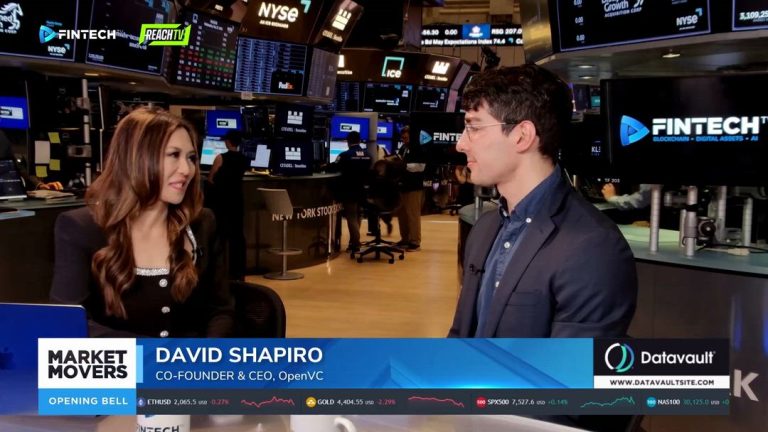
David Shapiro, co-founder and CEO of OpenVC, joins Remy Blaire to dive into the evolving landscape of public and private markets as Wall Street braces for a significant wave of unicorn IPOs in 2026. David shares valuable insights about their two key indices: the NYSE Open Venture Capital Unicorn Index and the NYSE OpenVC 500. These indices provide crucial data on pre-IPO assets, helping both institutional and retail investors navigate the complexities of the market.

David highlights the growing enthusiasm for major players like SpaceX, OpenAI, and Anthropic, which are expected to go public soon. He discusses how the secondary market is reflecting investor confidence, particularly with SpaceX’s valuation being priced above previous merger valuations but still below the anticipated IPO range. This indicates a strong belief in the company’s potential growth.

They also explore the implications of new trading rules and how they might affect volatility in the market, especially for large ETFs that may need to purchase these assets quickly post-IPO. David emphasizes the importance of understanding the data available to retail investors, urging them to utilize tools like OpenVC’s indices to make informed decisions on their investments.

As they look ahead to 2026, David expresses optimism about the IPO market becoming more accessible, despite the current geopolitical challenges.

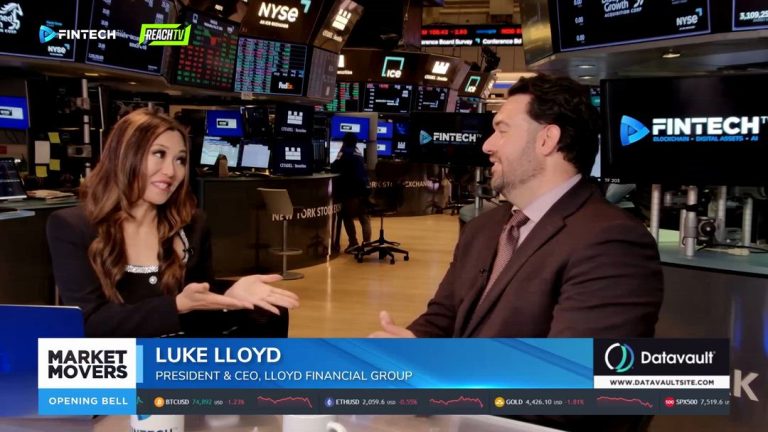
Luke Lloyd Sees Bullish Market Ahead as Tech and Software Stocks Lead the Charge

Luke Lloyd, President and CEO of Lloyd Financial Group, joins Remy Blaire to discuss the current state of the U.S. stock market and the implications of upcoming economic data. They begin by examining the mixed performance of major stock averages, with the Dow Industrials showing gains while the Nasdaq 100 and S&P 500 recently hit record highs. Luke emphasizes that this is a bullish environment for investors, particularly in the technology sector, where he sees significant opportunities in software stocks that have been undervalued.

They delve into “SaaSpocalypse”. Luke explains how AI is not replacing software but rather enhancing it. He believes that AI will enable software companies to innovate more rapidly and reduce overhead costs, leading to increased profitability.

As the release of key economic data approaches, including the PCE inflation index, Luke expresses optimism about the potential for lower inflation due to falling oil prices. He also discusses the Federal Reserve’s approach under Kevin Warsh, highlighting the importance of managing the balance sheet alongside interest rates.

They touch on AI’s impact on job creation and the entrepreneurial landscape, encouraging potential investors to take risks and invest in themselves. Luke advises middle-class Americans to quantify their value in the workplace to negotiate better salaries, given the current corporate profit margins.

Finally, they explore the relationship between taxes and long-term investment returns. Luke reminds us that while taxes are a consideration, they should not deter investors from capitalizing on profitable opportunities.

AI Stocks Keep Breaking Records as Wall Street Doubles Down on the Tech Rally

0

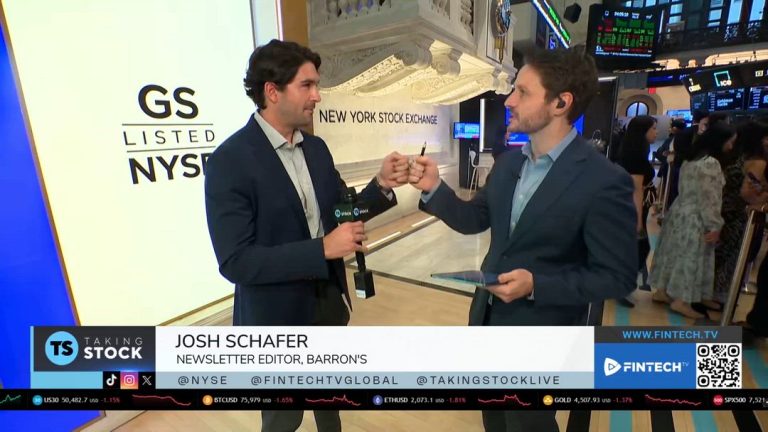
Josh Schafer, newsletter editor at Barron’s, joins the show to break down the forces driving markets to repeated all-time highs and why the AI trade continues to dominate Wall Street sentiment. Schafer points to technology stocks—especially semiconductors—as the key leaders behind the market rally, highlighting massive moves in names tied to AI infrastructure and memory chips. He specifically discusses Micron’s explosive surge after analysts dramatically raised price targets, signaling growing confidence that the AI-driven demand cycle may be far more durable and long-term than many initially expected.

The conversation also dives into the broader semiconductor sector, including companies like Western Digital and Sandisk, as investors wrestle with fears of missing out on one of the market’s hottest trades. Schafer explains that while Barron’s has stayed cautious on some of the more speculative memory names, they remain bullish on best-in-class AI leaders such as Nvidia and Intel, arguing that the underlying demand for AI computing power and infrastructure still has significant room to grow over the next year.

Beyond semiconductors, Schafer highlights another overlooked corner of the market: energy infrastructure tied to AI growth. As data centers and AI systems require enormous amounts of electricity, he points to sectors like solar energy as potential secondary beneficiaries of the AI boom. ETFs such as TAN, focused on solar companies, are gaining renewed attention as investors search for ways to capitalize on rising global energy demand driven by artificial intelligence expansion.

Inside the Private Credit Boom: Why Blockchain Could Fix Broken Credit Markets

0

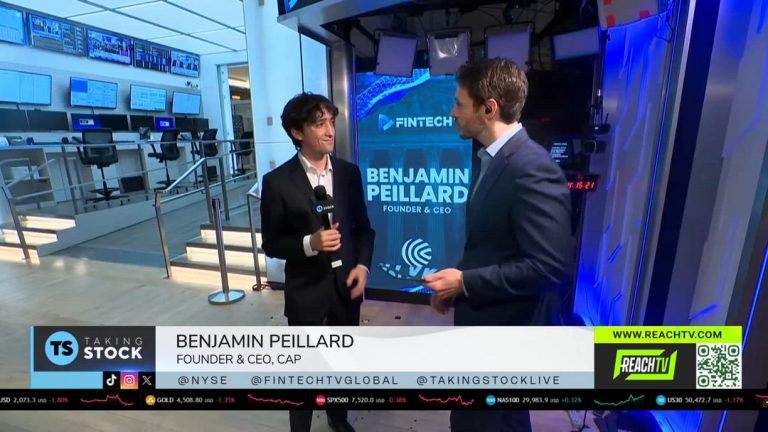
In this conversation, Benjamin Peillard, founder and CEO of CAP, breaks down the growing conversation around private credit and why transparency and incentives matter more than ever in modern finance. As private credit continues to dominate headlines amid recent market blowups, Peillard explains how CAP—backed by Franklin Templeton is building a new kind of credit marketplace designed to bring private credit opportunities to everyday investors in a safer and more transparent way. He argues that many of the problems in traditional finance stem from misaligned incentives, where fund managers make risky decisions without personally bearing the consequences when investments go wrong.

Peillard dives into the “principal-agent problem” in credit markets, explaining that investors often trust institutions to manage their money while having little visibility into how decisions are actually made. According to him, improving credit markets is not simply about finding better underwriters, but about creating better systems and mechanisms that align incentives between decision-makers and investors. CAP’s approach focuses on using blockchain-based infrastructure and automated rules to ensure transparency and accountability throughout the lending process.

He also discusses why tokenized private credit has not yet seen the explosive adoption many expected in the crypto and financial industries. Peillard believes many crypto-native investors remain skeptical of traditional private credit products because they often lack transparency around collateral quality and liquidity. While institutions are attempting to bring these products on-chain, he says investors still question the true safety of the underlying assets and the assumptions behind low-risk marketing narratives.

One of the standout moments of the interview comes when Peillard describes CAP as a “vending machine for credit.” He explains that every stage of the lending and investment process on the platform is governed by code rather than human discretion, minimizing trust requirements and reducing the possibility of fraud or manipulation. By automating decisions and limiting risk through transparent rules, CAP aims to create a more secure and efficient marketplace for private credit.

AI’s Impact on Venture Capital: Trends and Strategies for Founders

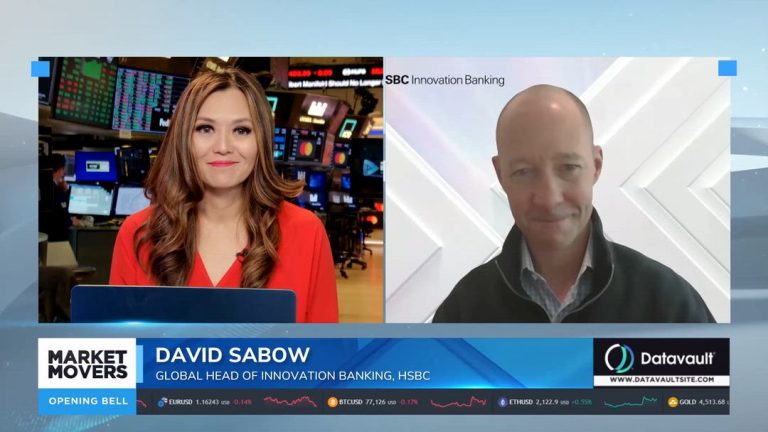
David Sabow, Global Head of Innovation Banking at HSBC, joins Remy Blaire to dive into the current venture capital landscape, which is experiencing a surge, particularly in the realm of artificial intelligence. With U.S. venture investments surpassing $300 billion in 2025, driven largely by significant AI mega rounds, they explore the complexities behind these valuations.

David sheds light on the structural terms that founders often overlook when negotiating deals. They discuss the importance of understanding various financial terms, such as preferred versus common shares, liquidation preferences, and option pool sizing, which can significantly impact a founder’s long-term success.

David highlights that while AI companies are attracting substantial capital and are more likely to secure up rounds, they are also facing different governance structures compared to non-AI companies. They also touch on the nuances of sector and stage, emphasizing how founders can protect their wealth and control through strategic negotiations around anti-dilution rights and dividend structures.

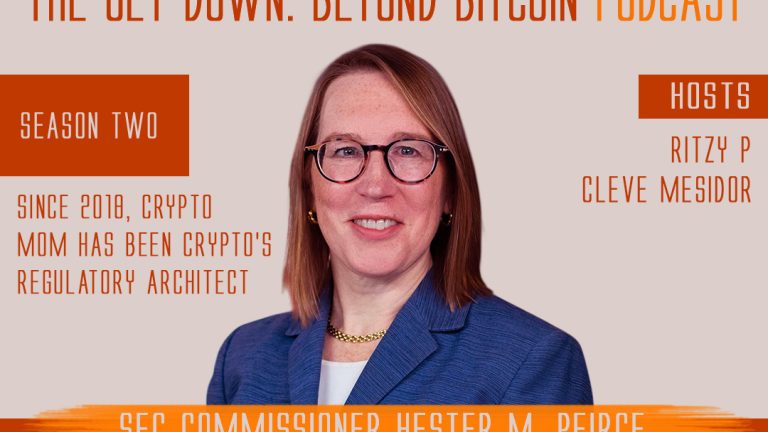
‘Crypto Mom’, SEC Commissioner Hester Pierce, is Also Industry’s Regulatory Architect

In this episode of “Beyond Bitcoin,” SEC Commissioner Hester Peirce discusses her crypto journey and federal regulatory footprint since 2018, impending departure from the Commission, and enduring optimism about the transformative nature of blockchain technology and cryptocurrency.

Wall Street Hits Record Highs as Investors Balance Inflation, Fed Policy and Middle East Risks

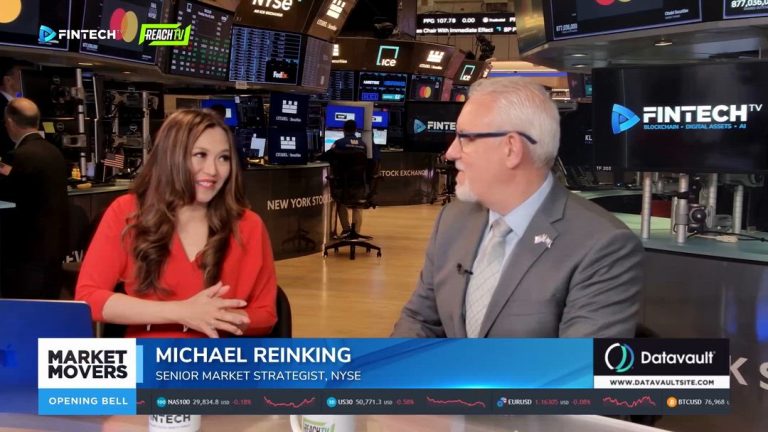
Michael Reinking, Senior Market Strategist at the New York Stock Exchange, joins Remy Blaire to dive into the current state of the markets as Wall Street records historic highs. With earnings season winding down, the market is entering a phase of market digestion, influenced by various factors including corporate profits, persistent inflation, a new Fed chair, and rising geopolitical tensions in the Middle East.

Despite a soggy holiday weekend, the atmosphere in New York City is electric, especially with the New York Knicks reaching the NBA finals for the first time since 1999.

Michael highlights that Iran remains a focal point for investors, with recent U.S. strikes raising questions about diplomatic resolutions. He notes that while futures are up, oil prices have seen a significant drop, which could impact the Federal Reserve’s approach to interest rates. With the swearing-in of new Fed Chair Kevin Warsh, they discuss the central bank’s potential moves in light of inflation data and oil prices.

They also touch on the cautious optimism from corporate America, particularly in the tech sector, driven by AI capital expenditure. Michael emphasizes the importance of watching key market levels, including the S&P 500’s performance around 7,500 and the 10-year Treasury yield, which is critical for market sentiment.

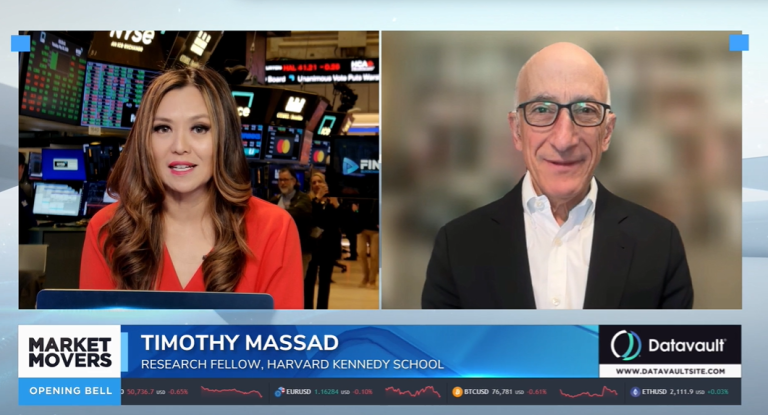
Tokenized Stocks and Atomic Settlement Could Transform Traditional Finance: Insights From Timothy Massad

Timothy Massad, Director of the Digital Assets Policy Project at Harvard Kennedy School and former CFTC chairman, joins Remy Blaire to dive into the current state of the cryptocurrency market, with Bitcoin remaining flat and Ethereum attempting to gain traction. They discuss the mixed performance of altcoins, particularly privacy coins like Zcash, and the ongoing developments in the regulatory landscape surrounding cryptocurrencies.

They explore the need for our central bank system to adapt to tokenized money, clarifying misconceptions about the Federal Reserve’s role in creating a Central Bank Digital Currency (CBDC). Timothy emphasizes the importance of ensuring that our settlement systems can accommodate the growth of stablecoins and tokenized deposits.

They also tackle the Clarity Act, which aims to provide regulatory clarity for the crypto industry but faces challenges in passing due to concerns from various stakeholders, including ethics provisions and the potential for illicit finance. Timothy shares his thoughts on the Genius Act and its implementation, highlighting the need for a robust framework to ensure the safety and reliability of stablecoins.

Additionally, they discuss the increasing interest in tokenized stocks and the potential for atomic settlement, which could revolutionize the way we handle traditional securities. Timothy notes that while there are promising initiatives in this area, it will be a lengthy process.

Finally, they touch on prediction markets and the CFTC’s efforts to assert authority over them. Timothy argues that these markets are more akin to gambling and should be regulated at the state level rather than by the CFTC.