[stock-market-ticker symbols=" ^NYA;CRYPTO:BTC;CRYPTO:ETH;CRYPTO:USDT;CRYPTO:USDC;CRYPTO:BNB;CRYPTO:ADA;CRYPTO:XRP;CRYPTO:SOL;CRYPTO:DOGE " stockExchange="NYSENASDAQ" width="100%" transparentbackground=1 palette="financial-light"]

Home Blog Page 2

SpaceX IPO Ignites Wall Street Excitement as Investors Rotate Into Defensive Stocks

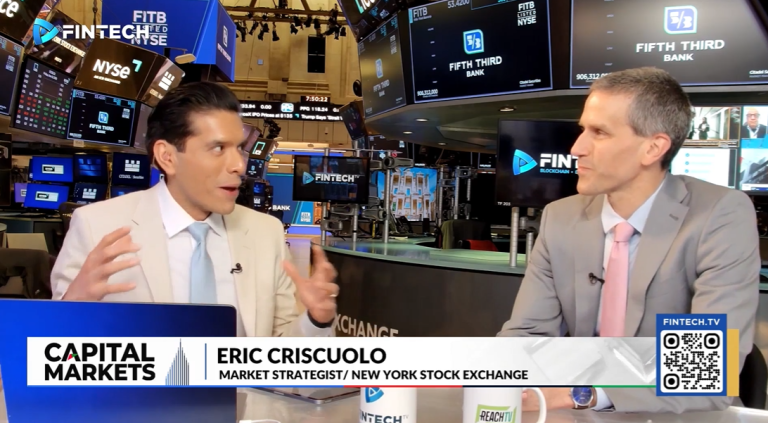
Eric Criscuolo, a market strategist at the New York Stock Exchange, joins Johny Fernandez to discuss the current state of the markets, particularly in light of the highly anticipated SpaceX IPO. Eric shares insights on the excitement surrounding this listing, emphasizing the importance of IPOs in rejuvenating capital flow within the equity markets.

They also delve into the mood on the trading floor, noting the impact of geopolitical news, especially President Donald Trump’s recent comments regarding Iran, which seemed to boost market sentiment. Additionally, they touch on the ongoing concerns about inflation and the Federal Reserve’s potential rate decisions, especially with the new Fed chair, Kevin Warsh, set to hold his first meeting soon.

Eric highlights a recent rotation in market investments, with money moving away from high-flying tech stocks into more defensive sectors like healthcare and consumer staples. As they wrap up, they talk about the upcoming sports events, including the NBA Finals and more World Cup matches.
From $100 Stablecoin Investments to Tokenized Funds: Revolutionizing Private Equity in Abu Dhabi

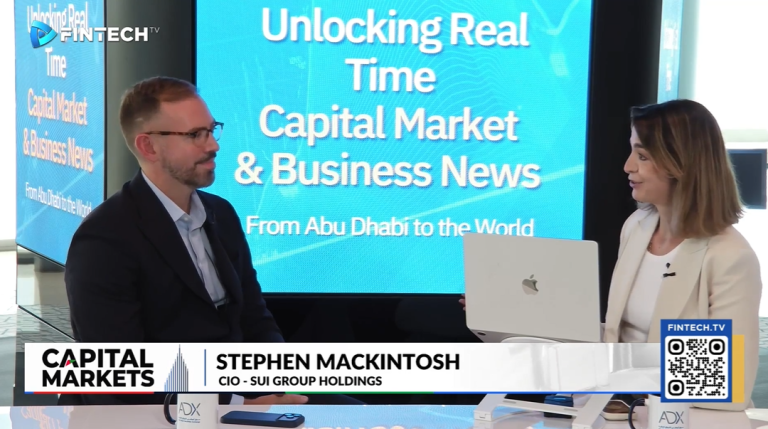
Stephen Mackintosh, the CIO of Sui Group Holdings, joins Lucy Gazmararian to discuss developments in tokenizing funds, particularly in Abu Dhabi’s private equity and credit sectors. Stephen shares insights into how tokenized funds work in practice, using Kaio, a tokenization platform, as a prime example. He highlights a significant partnership with Mubadala Capital, allowing users to invest with a minimum of $100 using stablecoins. This innovation aims to broaden access and enhance liquidity for investors.

They also discuss Abu Dhabi’s potential as a global hub for real-world asset tokenization, noting its forward-thinking regulatory environment compared to other regions, particularly the U.S. Stephen emphasizes the influx of exchanges and blockchain initiatives into the region, showcasing the excitement and innovation present at events like Abu Dhabi Finance Week.

Additionally, they explore the SUI ETF listed on NASDAQ, which provides public market access to SUI tokens. Stephen explains the rationale behind this initiative and the unique attributes of the Sui blockchain, which boasts high performance and scalability.

Finally, they touch on the burgeoning field of AI-driven finance, where Stephen is actively investing. He shares his experiences and the significant capital flowing into AI in the region, highlighting the transformative potential of this technology.

DEX in the City: Why AI Agents Are Good for Crypto and Stablecoins

The White House is intervening in the fight over stablecoin yield. And AI agents are… organizing? In this special episode of DEX in the City, Zerohash CEO Edward Woodford joins hosts Jessi Brooks and Katherine Kirkpatrick Bos to unpack the White House meeting to resolve disputes over the CLARITY Act and the Moltbook craze. Listen to find out why Edward thinks CLARITY should have a narrower focus and what he thinks is more important than the yield debate. Plus why Jessi thinks the crypto industry is pinning too much hope on the bill. Don’t also miss Edward’s rationale behind rejecting $2B from Mastercard and KK’s awkward interaction with a teacher after offering to teach crypto at her son’s school. Meanwhile, as AI agents proliferate, where does accountability lie?

DEX in the City: How Prediction Markets Pose a National Security Risk

Prediction markets are in the spotlight again. On one hand adoption appears to be growing as the Nasdaq has announced plans of entering the space. On the other hand, they scrutinize markets that pose a national security risk. In this DEX in the City episode, hosts Jessi Brooks, Katherine Kirkpatrick Bos and TuongVy Le discuss suspected insider trading activity around a market tied to the strikes on Iran. Beyond ethical concerns about betting on war, they grapple with the definition of “a death market” and ask whether all prediction markets around an individual are death markets. The big question: How can these markets on literally any possible event be policed? Plus, is Jane Street manipulating the Bitcoin market? Why the OCC is saying NO to stablecoin yield and the takeaway from Jack Dorsey’s Block layoffs.

Why the Consensus After-Party Set Crypto Back: DEX in the City

The CLARITY Act cleared the Senate Banking Committee 15-9, but Katherine, Jessi, and Vy Le are not popping champagne. KK puts passage odds at 35-40%. Vy Le came down from 90% after only two conditional Democratic votes out of committee. The ethics fight — whether any bill that leaves Trump family crypto holdings intact can get to 60 votes — remains the most credible blocker. Meanwhile, WallStreetBets filed an SEC comment letter defending quarterly reporting that inadvertently makes the strongest case yet for why onchain transparency makes periodic disclosure obsolete. And the crew addresses the Consensus conference after-party, held at E11even, which features strippers: not a word from most of the trade organizations that claim to represent the industry.

DEX in the City: Why Prediction Markets Could Spark a Huge Constitutional Fight

The CFTC has announced an innovation council, Chair Mike Selig has asserted that prediction markets are under the agency’s ambit, SBF wants another trial and Nancy Guthrie’s kidnapping is casting crypto in a negative light. In this episode of DEX in the City, hosts Jessi Brooks, Katherine Kirkpatrick Bos and TuongVy Le discuss how the distribution of the CFTC’s council highlights industry’s need for better gender equity, why Selig’s stance on prediction markets triggers “a huge constitutional debate,” why SBF’s push for a new trial is so dangerous for crypto, and whether the crypto industry can do more to mitigate crime. Find out why SBF’s search for a new trial has far reaching effects beyond his case. Plus, can crypto tackle crime without sacrificing its benefits?

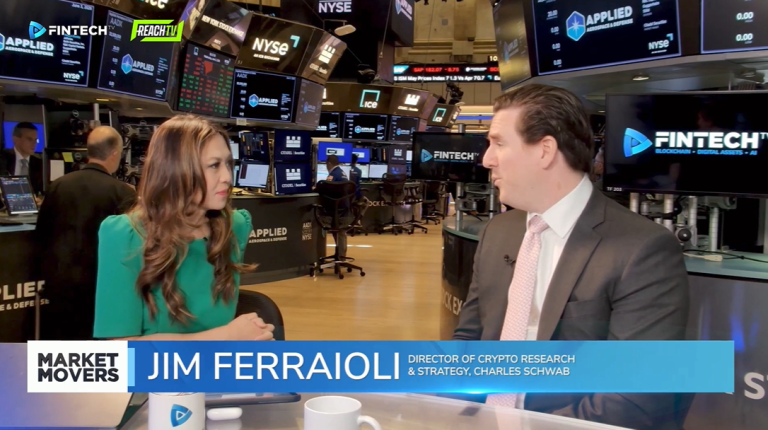
From Regulation to Seasonality: Charles Schwab’s Jim Ferraioli Breaks Down the Forces Shaping Bitcoin’s Next Move

Jim Ferraioli, Director of Crypto Research & Strategy at Charles Schwab, joins Remy Blaire to delve into the current state of the cryptocurrency. Jim explains how this bear market is flushing out leverage from the system, with spot market activity being pressured by digital asset treasuries and recent sales challenging the narrative of “never selling Bitcoin.”

They discuss the critical role of regulation, specifically the potential passage of the Clarity Act, as a catalyst for reviving interest in cryptocurrencies. Jim emphasizes that the market is narrative-driven, and a new momentum could be sparked by regulatory clarity.

Shifting the focus to Bitcoin mining, Jim addresses concerns about miners diverting operations towards artificial intelligence and its implications for the security of the Bitcoin blockchain. He argues that this shift could actually provide more stable revenue for miners, ultimately benefiting the network’s security.

They also explore the correlation between Bitcoin and equities, noting that while Bitcoin is fundamentally a low-correlation asset, short-term correlations can fluctuate based on market conditions. As they discuss seasonality, Jim highlights that historically, summer months tend to be weaker for Bitcoin, which could impact investor behavior.

Finally, they speculate on Bitcoin’s price range for the remainder of the year, with Jim suggesting it may remain bound between $60,000 and $80,000 until a fundamental catalyst emerges.

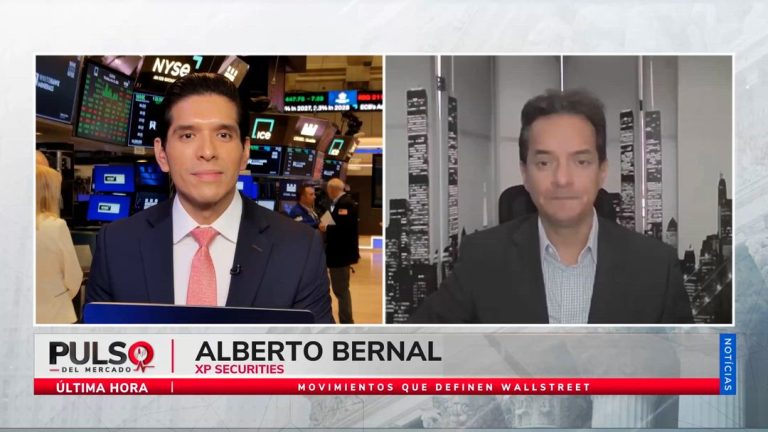
¿Cuánto tiempo tomaría normalizar los mercados si el conflicto en Medio Oriente termina?

0

El Estrecho de Ormuz ha sido el centro de tensión global — pero si la situación se estabilizara mañana, ¿cuánto tiempo tomaría que los mercados volvieran a la normalidad? Alberto Bernal, estratega global de mercados emergentes y energéticos de XP Securities, analiza los niveles actuales de reservas petroleras globales, por qué un alto al fuego no resuelve todo de inmediato, el rol cada vez más relevante de China en el conflicto, y si estamos ante una crisis superada o el inicio de una nueva etapa de incertidumbre económica global.

El futuro energético de América Latina: ¿quién está preparado para la próxima década?

0

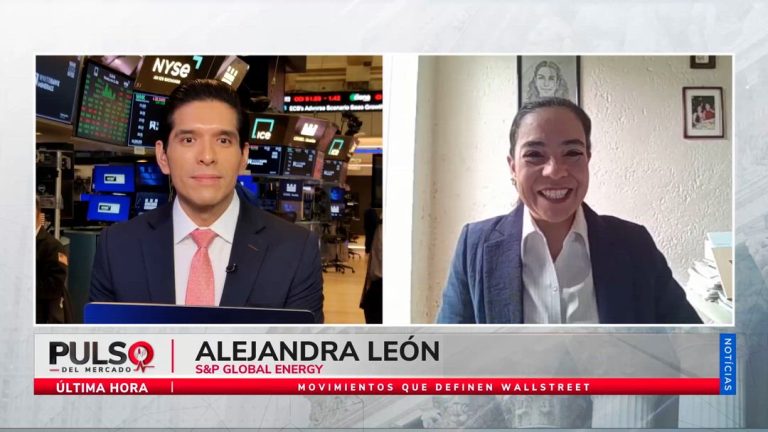
La pregunta ya no es solo de dónde viene la energía sino quién está mejor posicionado para producirla, distribuirla y aprovecharla en la próxima década. Alejandra León, Directora Asociada de S&P Global Energy, analiza qué países de América Latina están mejor preparados para el próximo ciclo energético, el papel del gas natural como combustible de transición, los enormes recursos renovables de la región desde Brasil hasta Chile y cómo la demanda eléctrica impulsada por la inteligencia artificial está redefiniendo el mapa energético global.

AI Rally Faces Growing Risks as Energy, Geopolitics, and Inflation Cloud Market Outlook

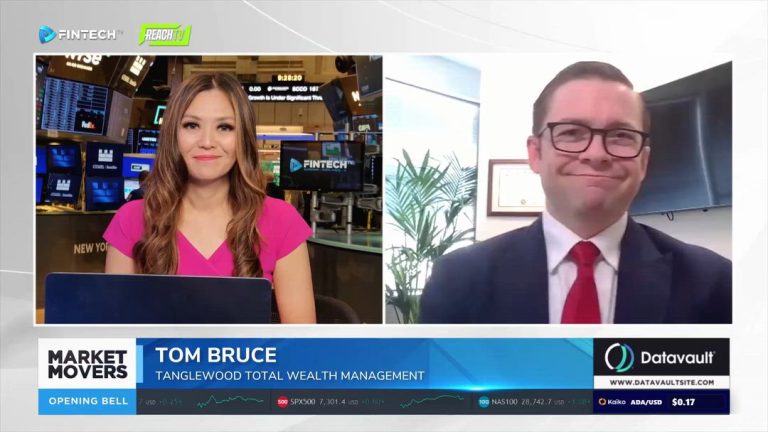
Tom Bruce, a macro investment strategist from Tanglewood Total Wealth Management, joins Remy Blaire to discuss the current state of the U.S. stock market. They explore the ongoing challenges in the chip sector and the potential implications of geopolitical tensions, particularly regarding the conflict in Iran and its impact on the Strait of Hormuz.

They delve into the AI rally, which, while impressive, faces several risks including capital spending issues, share dilution, and political backlash against data centers. Tom highlights the broader market risks, particularly the energy crisis and its potential to drive inflation higher, which could lead to a shift in monetary policy from easing to tightening.

They also touch on the upcoming SpaceX IPO and its impact on individual sectors, as well as the recent rate hike by the European Central Bank and its global implications. As the U.S. midterm elections approaches, Tom notes that investors may soon start to factor in the potential for political volatility and its effects on legislative progress.