[stock-market-ticker symbols=" ^NYA;CRYPTO:BTC;CRYPTO:ETH;CRYPTO:USDT;CRYPTO:USDC;CRYPTO:BNB;CRYPTO:ADA;CRYPTO:XRP;CRYPTO:SOL;CRYPTO:DOGE " stockExchange="NYSENASDAQ" width="100%" transparentbackground=1 palette="financial-light"]

Home Blog Page 18

Why Private Credit Is Booming

0

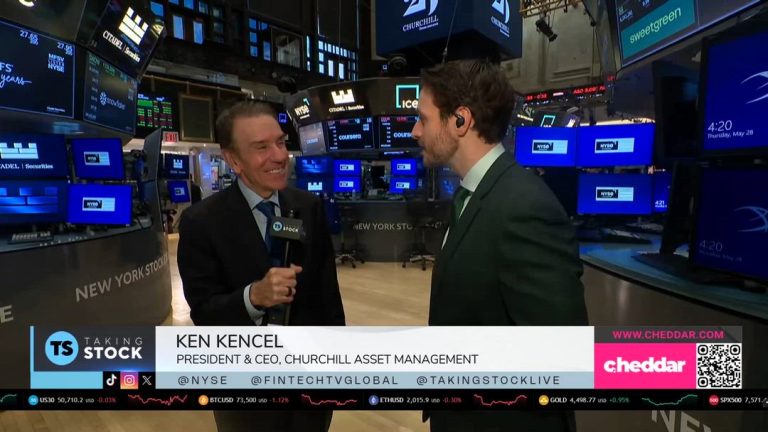
Churchill Asset Management President and CEO Ken Kencel joins in from the floor of the New York Stock Exchange after ringing the closing bell in celebration of the firm’s 20th anniversary. Kencel reflects on two decades of building one of the leading names in private credit, emphasizing the importance of long-term relationships, disciplined investing, and staying committed to core middle-market lending strategies through every market cycle from the Global Financial Crisis to COVID and today’s higher interest rate environment.

The conversation explores why private credit has evolved from a quiet corner of finance into one of the hottest topics on Wall Street. Kencel explains that institutional investors are increasingly focused on performance, default rates, credit quality, and the growing role of private credit in retail markets. Despite concerns surrounding liquidity and redemptions across the industry, Churchill has remained heavily institutionally focused, delivering what Kencel describes as strong, consistent, risk-adjusted returns for investors around the world.

Kencel also discusses the current opportunity set in private credit markets, calling today’s environment one of the best he has seen in years for new investments. While speculative “shiny object” trades continue to dominate headlines, he argues that successful long-term investing often comes down to consistency, stability, and discipline rather than chasing the latest market craze. His message is simple: in investing, boring can be very profitable.
Markets Hit Record Highs as AI, Healthcare & Falling Oil Prices Fuel the Rally

0

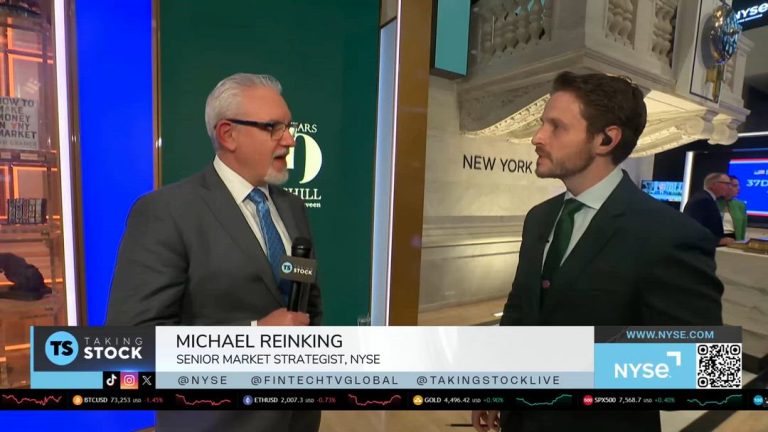
Senior market strategist Michael Reinking joins in to break down another record-setting day on Wall Street as stocks continue climbing higher amid easing inflation fears, cooling oil prices, and growing optimism around the broader market rally. While the latest PCE inflation data showed some lingering pricing pressures, markets appeared relieved that the numbers came in slightly better than feared, reinforcing expectations that the Federal Reserve may remain on hold for the time being. Michael also explains how ongoing diplomatic discussions surrounding Iran and the recent pullback in oil prices are helping reduce inflation concerns and support investor sentiment.

The conversation dives into the technical outlook for oil markets, with Brent crude breaking below key moving averages as traders assess the possibility of a sustained ceasefire and lower geopolitical risk premiums. Michael notes that easing energy prices could create additional room for equities to extend higher, particularly as bond yields pull back and market leadership broadens beyond just the major tech giants.

Beyond macroeconomics, the discussion highlights the sectors currently driving the rally. While technology and semiconductor stocks continue to dominate thanks to the AI boom, healthcare also emerged as a standout performer, led by strong earnings and major developments from companies like Eli Lilly. Michael also points to renewed strength in software stocks such as Snowflake, signaling that the AI-driven rally may be expanding into new corners of the market as investors search for the next wave of growth opportunities.

How Stablecoins Are Transforming Global Payments 

0

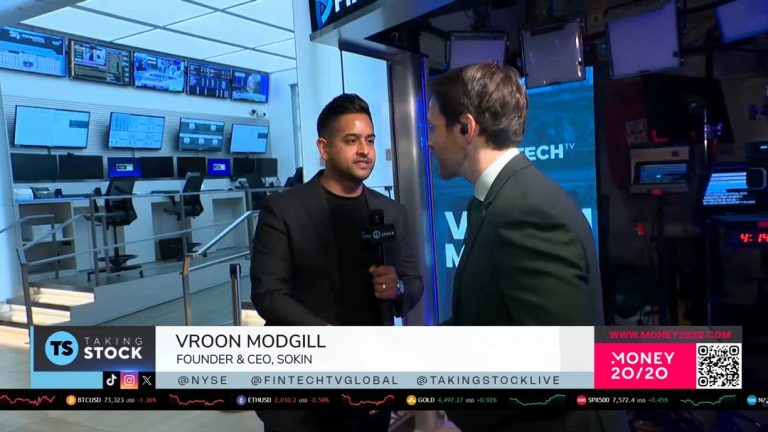
In this interview, Vroon Modgill, founder and CEO of Sokin, joins J.D. Durkin to discuss how his company is helping businesses move money globally faster, cheaper, and with far less friction. Sokin provides an all-in-one financial platform that combines global bank accounts, stablecoin wallets, treasury management solutions, and payment acceptance tools designed to help businesses scale internationally. Serving everyone from SMBs and fintechs to payroll platforms and enterprise clients, Sokin aims to simplify the increasingly complex world of cross-border finance by replacing multiple vendors, banking partners, and integrations with a single streamlined platform.

The conversation highlights the growing importance of stablecoins in modern payments infrastructure and why CFOs and treasury teams are increasingly turning to blockchain-powered settlement solutions. Modgill explains how stablecoins enable 24/7 payment settlement, eliminating the delays associated with traditional banking rails like SWIFT. He compares the shift to moving from trucks to airplanes, same destination, but significantly faster and more efficient. With businesses demanding constant liquidity and real-time access to capital, stablecoins are becoming a major upgrade for cross-border transactions and treasury operations.

The interview also explores Sokin’s partnership with Adyen and how the collaboration combines Sokin’s global treasury and banking infrastructure with Adyen’s payment acquiring network. The result is a unified platform where businesses can accept payments, hold funds, and make transactions globally from one place. Modgill shares insights into the work required to build strategic fintech partnerships and reveals how Sokin has achieved impressive growth, including over 110% year-over-year expansion, profitability, and billions in transaction volume despite the broader fintech industry reset.

Beyond Ambulances: How GMR is Redefining Emergency Medical Services

Nick Loporcaro, Board Chair and CEO from Global Medical Response (GMR), joins Johny Fernandez to discuss GMR and why the company recently went public on the New York Stock Exchange under the ticker GMRS.

Nick highlights the scale of GMR’s operations, noting that they serve 60% of the U.S. population, which translates to around 200 million Americans. This extensive reach allows GMR to handle approximately 5.5 million patient encounters annually, providing critical services beyond just ambulance transport. They also offer nurse navigation services to direct patients to appropriate care, alleviating pressure on emergency rooms.

They discuss the importance of GMR’s integrated air and ground capabilities, especially in rural areas where access to healthcare can be challenging. Nick emphasizes that GMR is not just about transporting patients to emergency rooms; they aim to assess and address patients’ needs on-site or redirect them to urgent care or other facilities, thereby reducing congestion in emergency departments.

The conversation also touches on the implications of GMR’s IPO, which signals a growing recognition of EMS as a vital component of the healthcare delivery system. Nick expresses optimism about the future role of EMS, envisioning a model where patients receive care in various settings, including at home, urgent care centers, or behavioral health facilities.

As they wrap up, Nick shares his vision for success over the next year, which includes increasing patient encounters and demonstrating the positive outcomes of GMR’s interventions through their partnerships with hospitals.

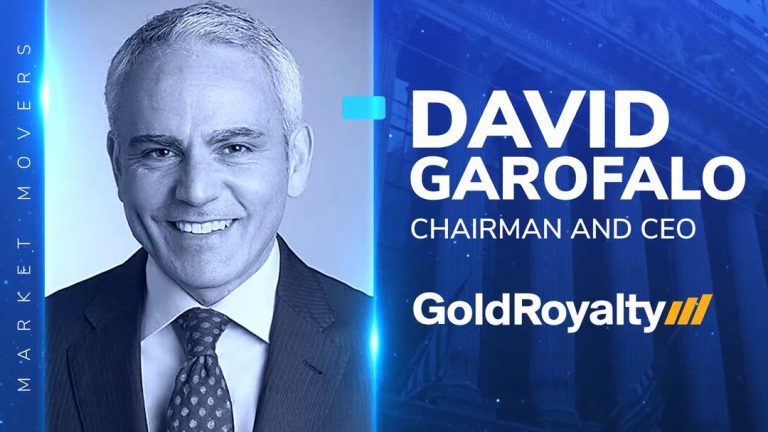
Unlocking Gold’s Potential: Insights from Gold Royalty’s CEO David Garofalo

David Garofalo, the chairman and CEO of Gold Royalty Corp., joins Johny Fernandez to discuss the current state of gold prices, which are at record highs, and how investors can gain exposure from this precious metal. He shares Gold Royalty’s growth over the past five years, highlighting their collection of over 250 royalties across mines in North America and beyond.

David explains the advantages of their royalty model, which allows shareholders to benefit from rising gold prices without being burdened by mining’s operational costs. He emphasizes that their growth is fully funded, meaning there are no capital calls or dilution for investors, which is a significant advantage in today’s economic climate.

They also touch on the importance of having a well-experienced team in the mining industry, as it enables the company to source and finance lucrative deals effectively. With no debt and a strong projected cash flow for 2025, Gold Royalty is well-positioned to capitalize on new opportunities without diluting shareholder value.

Towards the end of the conversation, David shares his outlook on gold prices, predicting they could reach as high as $10,000 an ounce due to the ongoing debasement of fiat currencies. He reiterates the importance of investing in companies that provide leverage to gold prices, making a compelling case for Gold Royalty’s business model.

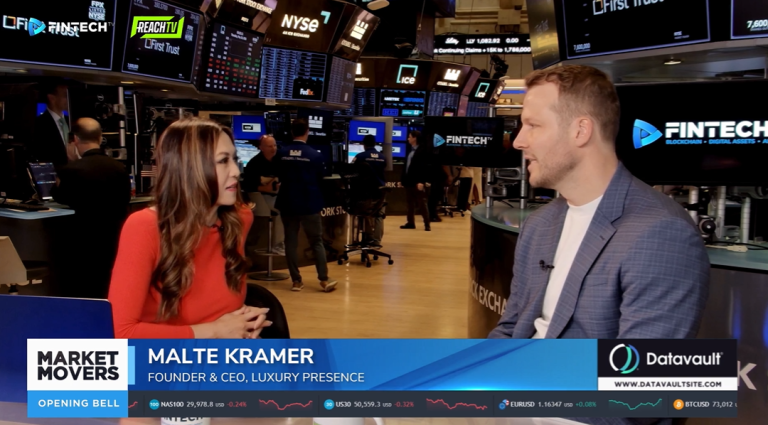
AI’s Impact on Real Estate: Transforming the Luxury Market Landscape

Malte Kramer, founder and CEO of Luxury Presence, joins Remy Blaire to delve into the dynamics of the current housing market. While middle-market home buyers are feeling the pinch from economic uncertainty and high mortgage rates, the luxury real estate market is thriving. The median sale price for luxury homes in the U.S. has surged by 3.6%, outpacing non-luxury homes, driven by cash buyers and the booming stock market.

Malte provides valuable insights into the luxury market, emphasizing its geographical variability. He explains that luxury real estate isn’t defined by a specific price point but rather by the experience it offers, with prices varying significantly from one region to another.

They also discuss the impact of artificial intelligence on the real estate industry, particularly in tech-heavy areas like San Francisco. Malte highlights how AI is beginning to transform real estate, making it more efficient and enabling agents to uncover opportunities that were previously unattainable. He shares developments, such as their AI-powered CRM that enhances client engagement by identifying optimal times for outreach.

As they wrap up, Malte celebrates a significant milestone for Luxury Presence, reaching $100 million in annual recurring revenue, a feat achieved by only 2% of venture-backed startups. He expresses optimism about the future of real estate and the ongoing transformation driven by technology.

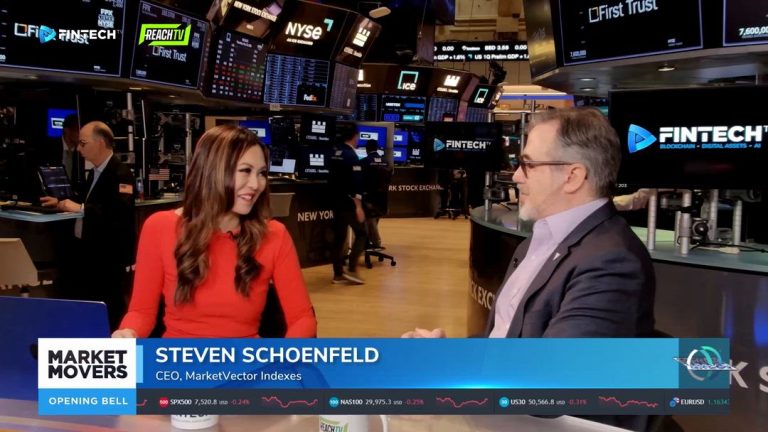
AI Chip Boom Drives Historic Market Rally as Semiconductor Index Surges Nearly 80% in 2026

Steven Schoenfeld, CEO at Market Vector Indexes, joins Remy Blaire to discuss the current state of the U.S. stock market, which is trading mixed but continues its historic run. They discuss the significant performance of the AI chip sector, highlighted by the PHLX semiconductor index soaring nearly 80% in 2026, marking its best start since its inception in 1993.

Steven provides insights into the economic data released earlier today, including revisions in first-quarter growth and the PCE figure. He notes that while geopolitical tensions, particularly involving Iran, are affecting oil prices, the excitement surrounding AI and upcoming IPOs, such as SpaceX and Anthropic, is bolstering market sentiment.

They also explore the implications of rising borrowing costs and spending pressures on American consumers, especially as the government faces pressure to manage record budget deficits. Steven highlights the positive earnings season for U.S. companies, particularly in the tech sector, and discusses the potential risks as the market trends upward.

As they look ahead to the IPO market, Steven shares his expectations for the upcoming mega deals and the debate around fast-tracking these companies into major indexes. He advises caution for retail investors, emphasizing the importance of diversification in their portfolios.

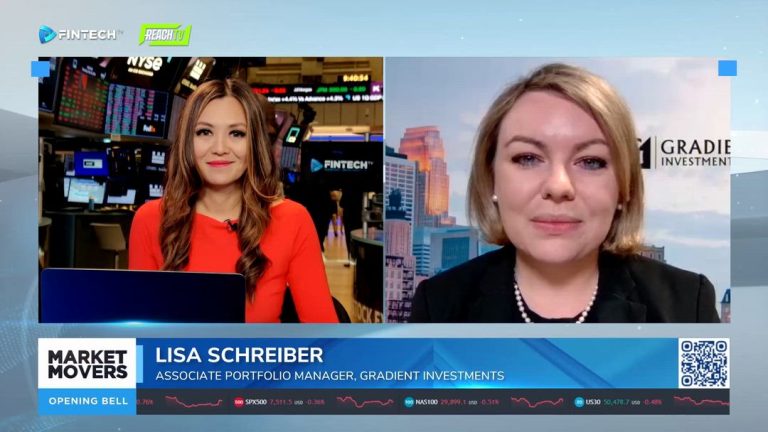
Emerging Markets Outperform U.S. Stocks as Investors Seek Broader Diversification Opportunities

Lisa Schreiber, Associate Portfolio Manager at Gradient Investments, joins Remy Blaire to dive into the current state of U.S. markets. The S&P 500 has been buoyed by optimistic corporate earnings growth projections for 2026, with notable performances from companies like Snowflake and Marvell Technology, thanks to their investments in AI.

They discuss the latest economic data, including revised GDP figures and the PCE price index, which indicate persistent inflation pressures, particularly from rising energy prices. Lisa analyzes how these factors are influencing market sentiment and the Federal Reserve’s potential interest rate decisions.

Lisa highlights the shift in market expectations from anticipated rate cuts to the possibility of rate hikes, especially in light of ongoing geopolitical tensions in the Middle East. They also explore the impact of higher energy prices on consumers, noting a K-shaped economy where higher-income individuals continue to spend while lower-income consumers face increasing financial strain.

The conversation shifts to emerging markets, which have shown impressive gains, outperforming U.S. markets. Lisa emphasizes the importance of this broadening market trend, which is beneficial for investment diversification.

Finally, they touch on the role of artificial intelligence in the market, particularly focusing on Palo Alto Networks. Lisa shares her perspective on how AI is not a threat but a tailwind for cybersecurity companies, as the rise in AI sophistication increases the need for robust cybersecurity solutions.

Revolutionizing Mortgages: How Figure is Transforming the Capital Markets by Leveraging Blockchain Technology

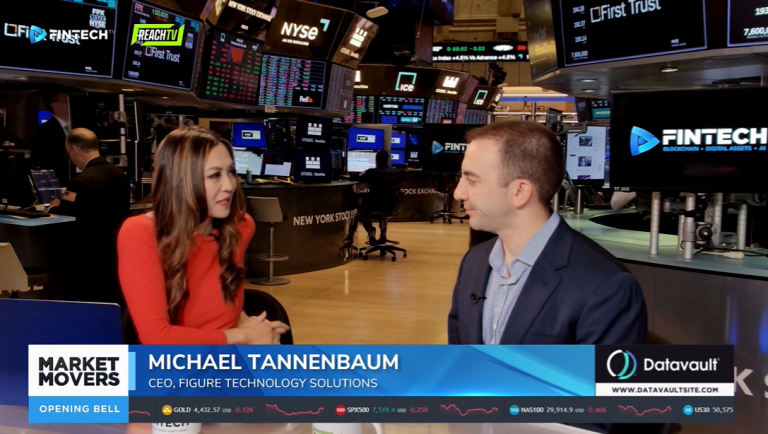
Michael Tannenbaum, CEO of Figure, joins Remy Blaire to dive into the evolving landscape of blockchain and cryptocurrency, particularly in the context of investment banking and mortgage origination. Michael shares insights on how their platform is revolutionizing the mortgage industry by leveraging blockchain technology.

Michael explains that Figure has built a marketplace with around 380 partners, including banks and fintechs, to streamline the mortgage origination process. By utilizing blockchain and automation, they have significantly reduced the cost of originating a mortgage from the industry average of $12,000 to just $1,000. This innovation not only lowers costs but also addresses issues like fraud, which has been a significant concern in the market.

They discuss the challenges of legacy paperwork in the mortgage process and how Figure is tackling these inefficiencies. Michael emphasizes the importance of integrating technology with capital markets to create a more efficient system. He also touches on the potential impact of artificial intelligence in further reducing costs and improving processes.

Discover the importance of regulatory developments, particularly the Clarity Act, which could catalyze further integration of traditional finance with blockchain technology. Michael highlights Figure’s leadership in real-world asset tokenization and their commitment to bringing more traditional finance entities onto the blockchain.

Bitcoin’s Long-Term Bull Case Strengthens Amid Rising Institutional Demand & Retirement Account Interest

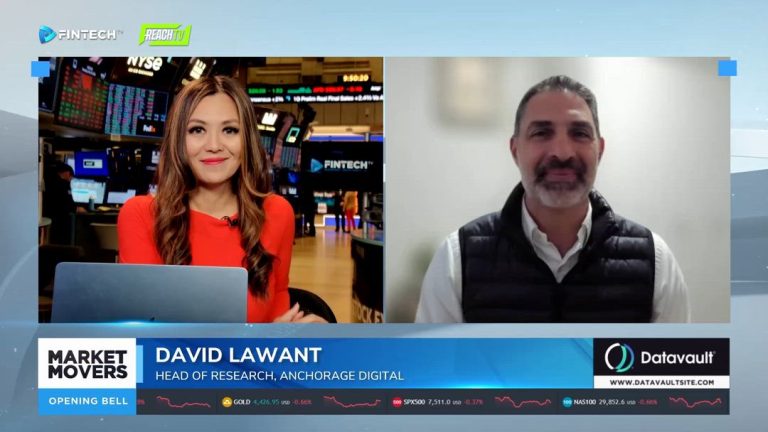
David Lawant, Head of Research at Anchorage Digital, joins Remy Blaire to dive into the current state of Bitcoin and Ethereum. They discuss the significant macroeconomic catalysts on the horizon, including major IPOs from companies like SpaceX, OpenAI and Anthropic, as well as the implications of a new monetary policy regime under incoming Fed Chair Kevin Warsh and the upcoming midterm elections.

David provides insights into how these factors could impact liquidity, price action and even the adoption of cryptocurrencies in retirement accounts. David highlights the challenges Bitcoin faces in breaking through the $80K barrier amid heavy selling pressure. He discusses the potential for historical volatility to return, driven by macroeconomic conditions, particularly the geopolitical situation in the Middle East and its effects on inflation and interest rates.

They also explore the slow but promising adoption of cryptocurrencies in 401(k) plans, noting that while the process may take time, the potential for significant capital inflow into the crypto market is substantial. David emphasizes the solid long-term investment case for Bitcoin, driven by increasing institutional engagement and the growing acceptance of cryptocurrencies as a non-sovereign store of value.