[stock-market-ticker symbols=" ^NYA;CRYPTO:BTC;CRYPTO:ETH;CRYPTO:USDT;CRYPTO:USDC;CRYPTO:BNB;CRYPTO:ADA;CRYPTO:XRP;CRYPTO:SOL;CRYPTO:DOGE " stockExchange="NYSENASDAQ" width="100%" transparentbackground=1 palette="financial-light"]

Home Blog Page 17

Why Stocks Keep Climbing Even With War, Inflation & Oil Volatility

0

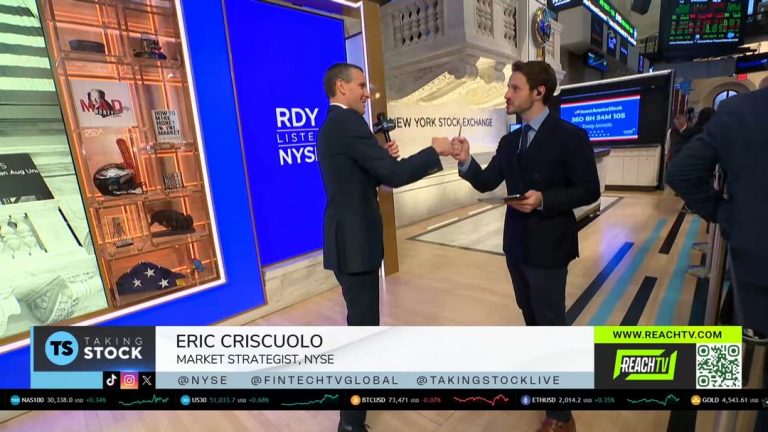
Market strategist Eric Criscuolo joins J.D. Durkin from the floor of the New York Stock Exchange to break down another remarkable week for the markets, as major indices continue pushing to fresh all-time highs despite ongoing geopolitical tensions, elevated oil prices, and persistent economic uncertainty. Criscuolo highlights the resilience of the S&P 500, describing the market’s rally as a relentless force that continues to move higher even amid concerns surrounding the conflict with Iran and volatility across global energy markets.

The discussion takes a closer look at oil prices, with both Brent Crude and West Texas Intermediate pulling back from recent highs while remaining near critical support levels. Criscuolo explains that futures markets continue to price in a potential diplomatic resolution in the Middle East, helping contain energy prices despite ongoing risks. He notes that investors are closely watching key technical levels in Brent crude as markets assess the likelihood of stability returning to the region.

One of the biggest stories of the week was Dell Technologies’ explosive rally following earnings, marking the strongest single-day gain in the company’s history. Criscuolo explains that Dell is no longer viewed simply as a hardware manufacturer but has become an increasingly important player in the artificial intelligence ecosystem. Significant upward revisions to future earnings expectations have fueled a major re-rating of the stock as investors position for continued AI-driven growth.

The conversation also examines sector leadership across the market, including the continued strength in technology, semiconductors, memory stocks, and software companies. While many investors continue to follow the traditional “Sell in May and Go Away” strategy, Criscuolo argues that today’s market environment is far more nuanced. Beneath relatively stable index performance, individual stocks are experiencing dramatic moves both higher and lower, creating opportunities for active investors willing to look beyond the headline numbers.
Why AI Isn’t Delivering the Productivity Boom Companies Expected

0

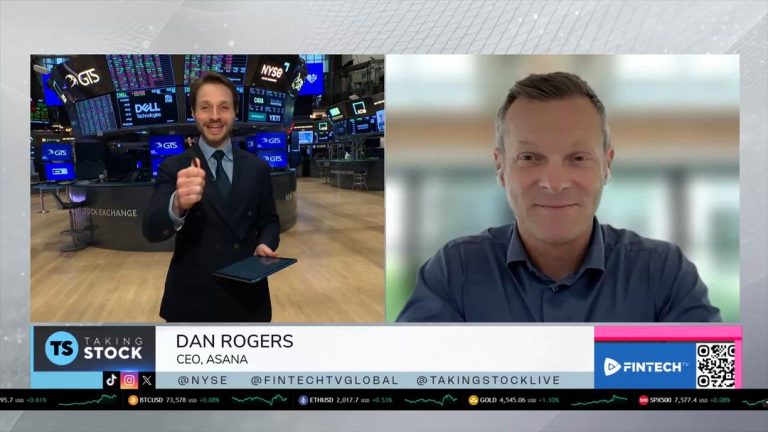
In this episode, Dan Rogers, CEO of Asana, joins J.D. Durkin to discuss the future of work, artificial intelligence, and the company’s strong earnings performance. Following a quarter that exceeded expectations with revenue growth, margin expansion, and a positive market reaction, Rogers explains how Asana is positioning itself at the center of the next evolution of workplace productivity.

Rogers believes the future of work will be defined by collaboration between humans and AI agents. While much of today’s AI adoption has focused on personal productivity gains, he argues that businesses have yet to unlock AI’s full potential at the enterprise level. This disconnect, which Asana calls the “AI Gap,” reflects the difference between individuals becoming more productive and organizations fundamentally transforming the way work gets done.

The conversation explores how companies can move beyond simply generating more content with AI and instead integrate intelligent agents directly into critical business workflows. From sales management and order processing to quality control and enterprise-wide automation, Rogers explains why the true value of AI lies in connecting people, systems, and processes. Asana’s AI-powered workflow solutions are designed to automate repetitive tasks, improve operational efficiency, and create seamless collaboration between humans and digital agents.

Rogers also discusses Asana’s acquisition of Stack AI and how the technology will help organizations connect AI workflows across multiple business systems, including CRMs, databases, and operational platforms. As enterprises increasingly seek ways to scale AI beyond simple productivity tools, Asana is positioning itself as the operating layer that enables real-world business transformation. The discussion provides valuable insight into how AI infrastructure, automation, and workflow management could shape the future of enterprise productivity in the years ahead.

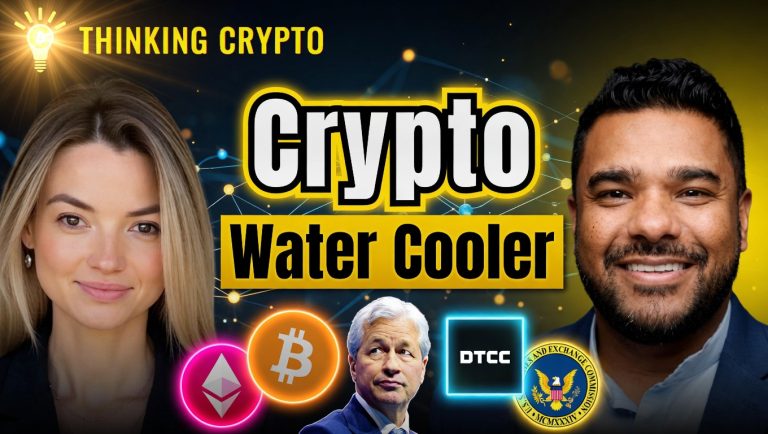
BlackRock Sells Bitcoin, DTCC Stellar Tokenization & JPMorgan to Buy Crypto Companies?

In this episode, Amanda and Tony discuss Bitcoin’s recent pullback, the BlackRock Bitcoin ETF selloff, Ethereum maxi capitulation, DTCC’s tokenization efforts on Stellar, the SEC’s delay on tokenization guidance, the new Bitcoin Reserve bill, the Clarity Act, and reports that JPMorgan may acquire crypto companies.

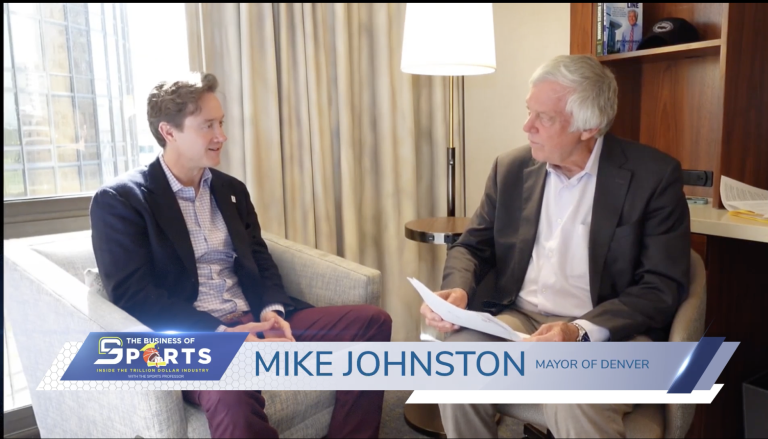
Denver’s $2 Billion Stadium Plan: The Future of Sports, Business & Economic Growth

On this episode of Inside the $2.6 Trillion Business of Sports, Professor Rick Horrow sits down with Denver Mayor Mike Johnston to discuss the future of sports, infrastructure, and economic development in one of America’s fastest-growing cities. Fresh from the United States Conference of Mayors Winter Leadership Meeting, the conversation explores how public-private partnerships are reshaping the landscape of stadiums, arenas, airports, convention centers, and community infrastructure in the post-pandemic era.

Mayor Johnston shares his remarkable journey from teaching high school English in the Mississippi Delta to serving as a school principal, education advisor under Barack Obama, Colorado State Senator, and ultimately Denver’s 46th mayor. The discussion highlights his leadership on critical issues such as education, affordable housing, homelessness, and economic growth, while focusing on one of Denver’s most ambitious projects: the new $2 billion Broncos stadium set to open in 2031.

The mayor explains how the partnership between the city, the ownership group led by the Walton-Penner family, and major corporate partners will create far more than just a stadium. The project includes a state-of-the-art retractable roof venue capable of hosting Super Bowls, NCAA Final Fours, major concerts, and year-round events, while transforming surrounding land into a vibrant mixed-use district featuring housing, retail, entertainment, and public transit connections. Johnston discusses how sports serve as a catalyst for economic development, tourism, job creation, and community pride.

The conversation also explores the evolution of stadium financing, the growing importance of adjacent entertainment districts, the role of youth sports and education, and why Denver is positioning itself as one of the premier sports and entertainment destinations in the United States. From keeping professional franchises anchored in the city to creating memorable experiences for future generations, Mayor Johnston outlines a vision for Denver that blends sports, culture, business, and community development into a long-term strategy for growth and prosperity.

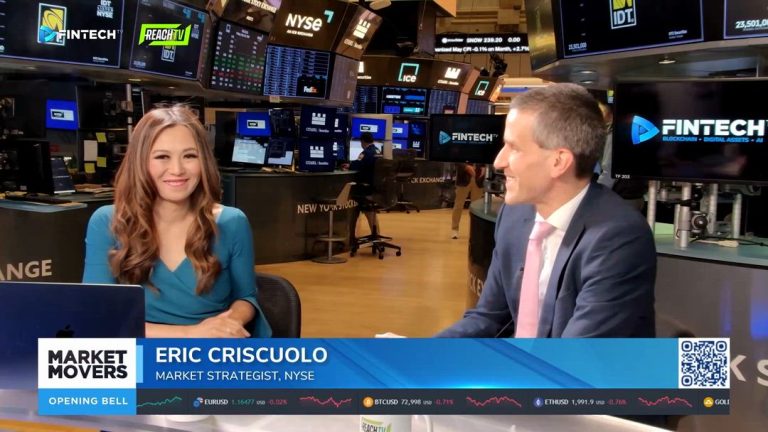
AI Trade Continues to Power Wall Street Rally: A Conversation with Eric Criscuolo

Eric Criscuolo, a market strategist at the NYSE, joins Remy Blaire to dive into developments in the U.S. stock market. The markets are buoyed by reports of a tentative 60-day ceasefire agreement between U.S. and Iranian negotiators. They also discuss the latest economic data, including the Fed’s preferred inflation gauge, the PCE, which indicates persistent inflation, and downward revisions to GDP that suggest the U.S. consumer may be facing challenges.

Eric shares insights on the ongoing AI trade that continues to drive momentum in the market. They talk about the impressive performance of companies like Dell and Snowflake, with Dell seeing a remarkable 30% rally. Eric highlights how the AI narrative is influencing tech spending and the resilience of software companies amid uncertainties.

As they look ahead to next week, they anticipate the jobs report and earnings from key tech players like Palo Alto Networks and Broadcom. Eric provides his expectations for the labor market, noting its strength and the potential implications for Fed policy.

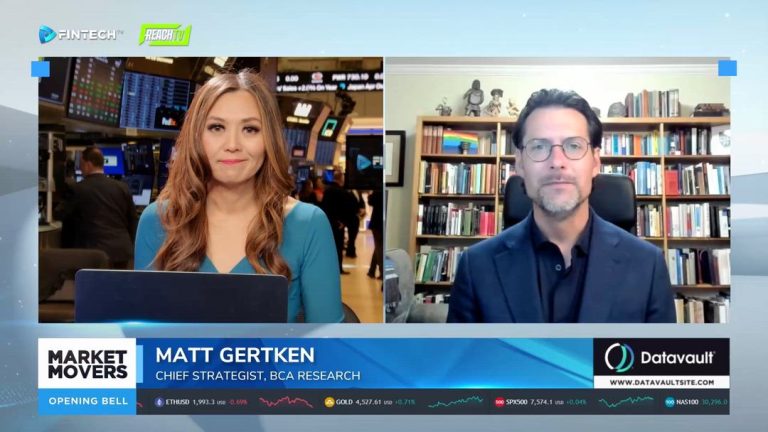
Matt Gertken Warns Long-Term U.S. Goals on Iran Remain Difficult Despite Ceasefire Progress

Matt Gertken, Chief Strategist, Geopolitical and U.S. Political Strategy at BCA Research, joins Remy Blaire to delve into the evolving situation between the U.S. and Iran, as reports suggest that both nations are nearing a 60-day agreement aimed at de-escalating their ongoing conflict. The war has significantly impacted the Strait of Hormuz, leading to soaring global energy prices. Treasury Secretary Scott Bessent has outlined a phased plan that includes unwinding maritime blockades and addressing Iran’s highly enriched uranium.

Matt provides insights into the current negotiations and the implications for U.S. politics, particularly in light of the upcoming midterm elections. He emphasizes that while there may be short-term compromises to achieve a ceasefire and allow some shipping to resume, the long-term strategic goals—such as ensuring free passage in the Strait of Hormuz and containing Iran’s nuclear program—remain challenging.

They discuss the delicate balance between ongoing military tensions, such as recent missile strikes from Tehran, and the fragile peace negotiations. Matt highlights the importance of understanding the different timeframes at play, especially as the election approaches. He anticipates that while an extension of the ceasefire may be on the horizon, the real test will come after the elections when the U.S. must reassert its national security interests.

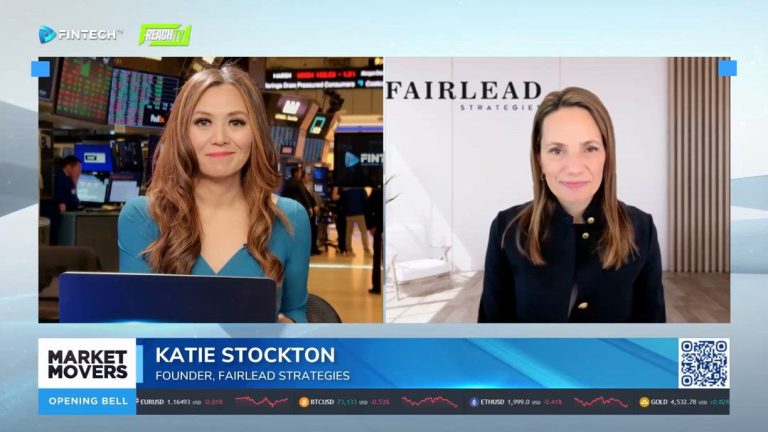
Wall Street Optimism Builds as S&P 500 Hits Record Highs Amid Washington-Tehran Ceasefire Hopes

Katie Stockton, founder of Fairlead Strategies, joins Remy Blaire to dive into the current state of the financial markets. They discuss the recent surge in optimism on Wall Street, highlighted by the S&P 500 reaching new record highs and a tentative ceasefire agreement between Washington and Tehran. Despite these positive developments, they discuss the complexities in the macroeconomic landscape, including a sluggish first-quarter GDP and persistent inflation that complicates the Federal Reserve’s decision-making.

Katie provides insights into the technical long-term outlook for the S&P 500, noting its remarkable nine-week upward trend and the positive momentum indicators. They explore the performance of the technology sector, particularly semiconductors, which continue to lead the rally. Katie emphasizes that while there are no immediate sell signals, investors should remain vigilant for any shifts in market sentiment.

They also touch on the energy market, where oil prices are experiencing volatility. Katie explains that while there may be a temporary dip, the long-term trend for crude oil seems to be stabilizing at higher price levels, which could pose risks for the broader equity market.

Finally, they discuss the bond market, where both 10-year Treasury yields and the U.S. dollar index are showing signs of upward movement. Katie suggests that we may be on the verge of a breakout in Treasury yields, indicating higher rates in the coming months.

Markets May Be Too Optimistic About Federal Reserve Rate Cuts Under Kevin Warsh: Insights From Elias Haddad

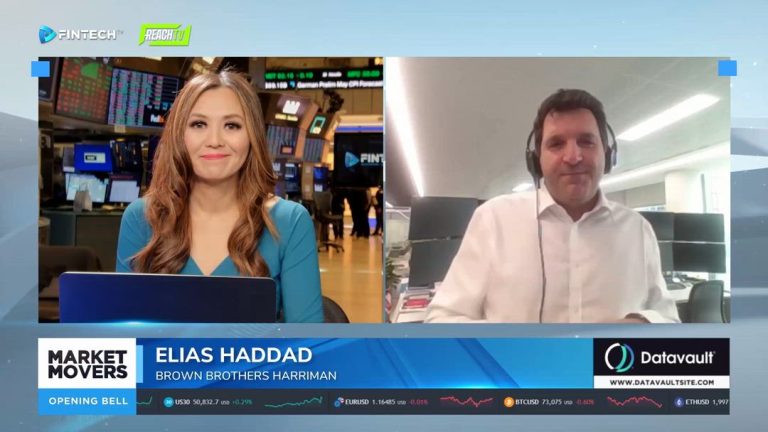
Elias Haddad, VP, Global Head of Market Strategy at Brown Brothers Harriman, joins Remy Blaire to delve into the current state of the U.S. dollar index, which remains nearly unchanged around the 99 level despite some easing of geopolitical tensions. They discuss the recent U.S. economic data, including the PCE and revised Q1 GDP figures, with the Atlanta Fed’s GDPNow model indicating a robust 3.8% growth rate for Q2.

Elias provides insights into the FX market, emphasizing that while the U.S. dollar is currently within a one-year range, there is potential for a short-term overshoot due to resilient economic activity. However, he remains bearish on the dollar in the long term due to structural issues such as fading confidence in U.S. trade policies and the politicization of the Fed.

They also discuss the upcoming Fed meeting and the expectations surrounding newly sworn-in Fed Chair Kevin Warsh. Elias highlights that while many anticipate a dovish pivot, there are significant constraints that could lead to market disappointment. He points out the need for consensus among FOMC members and the limitations on the Fed’s ability to shrink its balance sheet without causing market instability.

Finally, they touch on rate differentials and the near-term outlook for the euro, yen, and pound against the U.S. dollar. Elias notes that while rate expectations have risen across the board, the sluggish growth in the Eurozone and the UK limits the potential for a bullish upswing in their currencies.

Tokenizing Real-World Assets Could Transform Global Banking

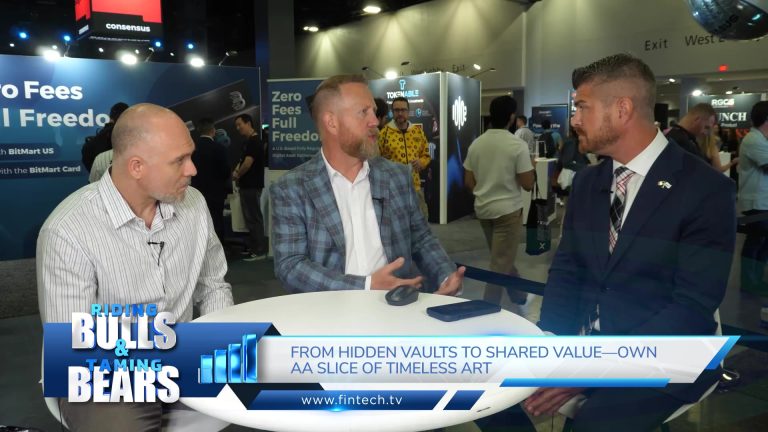
On this episode of Riding Bulls and Taming Bears, the conversation dives deep into the future of real-world asset tokenization with Tom Senenfelder, a pioneer who began tokenizing carbon credits and digital assets nearly a year before Bitcoin was launched. Drawing from more than two decades of experience, Tom explains how his early work focused on transforming carbon credits into tradable and bankable assets, laying the groundwork for today’s rapidly growing discussion around tokenization, real-world assets, and digital finance. He shares how traditional tokenization models often rely on special purpose vehicles (SPVs), where investors only own a share of a company structure rather than the actual underlying asset itself.
Tom explains how his approach differs by directly connecting tokens to physical assets through custodial banking systems, giving investors ownership rights tied to the actual asset rather than a derivative wrapper. Using examples like car titles, gold reserves, real estate, oil in the ground, and even artwork, he describes how tokenization can create “smart titles” that improve transparency, reduce risk, and make previously illiquid assets easier for banks and institutions to lend against. The discussion also explores how governments could potentially unlock hidden value from natural resources through resource-based treasury obligations (RBTOs), creating new mechanisms for reducing debt while expanding access to capital.
The interview expands into broader discussions around banking innovation, digital asset infrastructure, and the future of lending. Tom and Vanward Global COO Emon Ashfar explain how their firm helps clients validate, quantify, and tokenize assets ranging from mineral reserves and commercial real estate to fine art collections and carbon credits. They also discuss how blockchain technology and tokenization can modernize outdated systems like deed registries, eliminate fraud, improve transaction speeds, and create institutional-grade digital ownership records recognized by banks worldwide.

A 360 View of Crypto Tax Policy with Sulolit “Raj” Mukherjee, CEO of Bodin Advisory

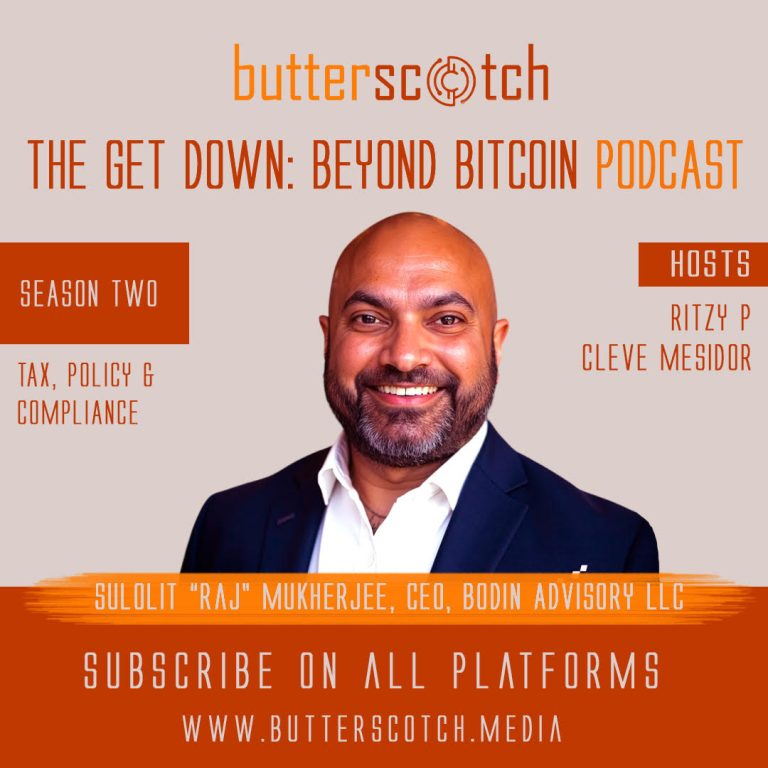
In this episode, Co-Host Marisa Estrada Rivera nerds out about crypto tax policy with Sulolit “Raj” Mukherjee, co-author of the U.S. Department of Treasury’s Digital Asset Broker Regulations and former Head of the IRS Office of Digital Assets. The engaging discussion focuses on the complexities of developing taxation architecture for digital assets. Tax will be the next crypto legislative package that Congress and the White House will deliberate.