[stock-market-ticker symbols=" ^NYA;CRYPTO:BTC;CRYPTO:ETH;CRYPTO:USDT;CRYPTO:USDC;CRYPTO:BNB;CRYPTO:ADA;CRYPTO:XRP;CRYPTO:SOL;CRYPTO:DOGE " stockExchange="NYSENASDAQ" width="100%" transparentbackground=1 palette="financial-light"]

Home Blog Page 16

Unlocking Institutional Adoption: Kaiko’s Strategic Acquisition of Amberdata

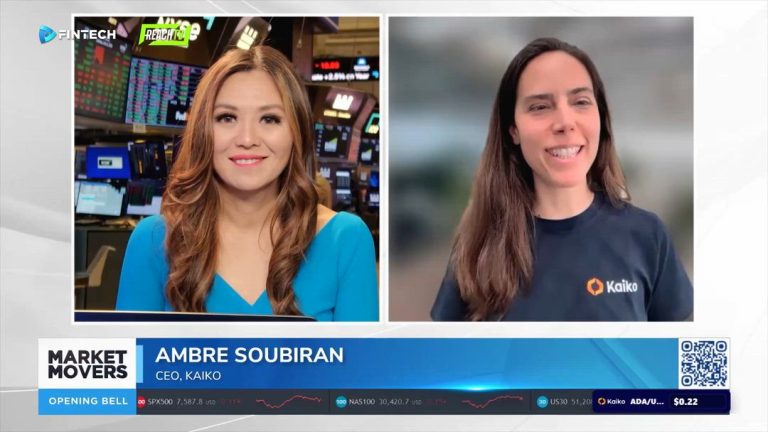
Ambre Soubiran, the CEO of Kaiko, joins Remy Blaire to discuss Kaiko’s acquisition of Amberdata, a move that marks a pivotal moment in the digital asset data landscape. Ambre shares insights on how this strategic consolidation aims to enhance data and analytics capabilities for institutional finance.

Ambre highlights that the acquisition is crucial as digital assets evolve from crypto into broader tokenized and real-world assets. By merging their offerings, Kaiko is now positioned as the only independent and regulated data solutions provider in the sector, serving over 250 institutional clients globally.

They discuss how Amberdata’s strong client base, particularly among active crypto investors, complements Kaiko’s focus on financial institutions and regulators. This integration will enhance their analytics and derivatives data offerings, providing clients with comprehensive market intelligence.

Ambre emphasizes the importance of regulatory standing in building trust with institutional clients, noting that Kaiko operates under strict regulations and has recently expanded its capabilities with the acquisition of a MiCA-regulated DeFi engineering company.
MicroStrategy’s First Bitcoin Sale in Four Years Sparks Debate Over Treasury Strategy

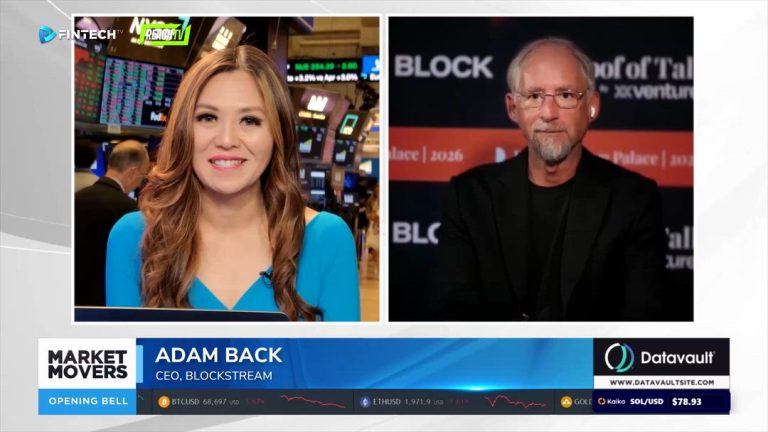
Adam Back, co-founder & CEO of Blockstream, joins Remy Blaire to discuss the current state of Bitcoin, which is holding below $69,000, while also keeping an eye on the 200-week moving average. They discuss evolving corporate treasury strategies, highlighted by MicroStrategy’s recent SEC filing, which revealed its first Bitcoin sale in four years, in which it sold 32 Bitcoin to fund preferred stock distributions.

Adam shares insights on the market’s reaction to this news and the implications of using Bitcoin for dividend payments. They explore the concept of dollar-cost averaging and why many investors struggle to accumulate in such a volatile market. Adam emphasizes the importance of the 200-week moving average as a strategic buying point for those who believe in Bitcoin’s long-term value.

Finally, they touch on the governance debate surrounding BIP 110 and the risks associated with using consensus rules to police transactions. Adam believes that significant changes to Bitcoin require widespread technical and market consensus, and he predicts that the activation date for BIP 110 will likely pass without major events.

How Climate Risk Is Reshaping Real Estate, Mortgages & Investing

0

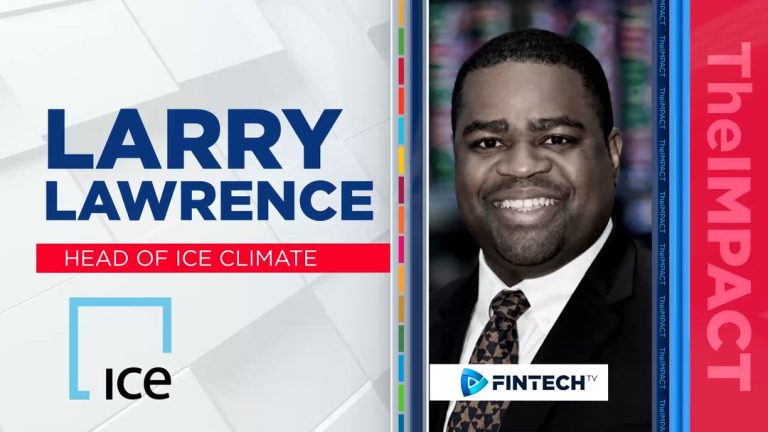
On this episode of The Impact, host Jeff Gitterman sits down with Larry Lawrence, Head of ICE Climate, to discuss how climate risk, extreme weather, and geospatial intelligence are reshaping financial markets, real estate, and investment decisions. Lawrence explains how ICE Climate uses advanced data analytics, climate science, and geospatial technology to map physical assets from homes and commercial properties to manufacturing facilities and municipal issuers and assess their exposure to climate-related risks.

The conversation explores ICE Climate’s latest research on the impact of extreme weather events on mortgage performance, revealing that hurricanes, floods, wildfires, and other climate-related disasters are driving higher mortgage delinquency rates in both the short and long term. Lawrence highlights how rising insurance costs, increasing property taxes, and growing utility expenses are becoming major affordability challenges for homeowners, while investors and lenders are paying closer attention to climate exposure across mortgage-backed securities and real estate portfolios.

Gitterman and Lawrence also examine the rapid growth of data centers driven by artificial intelligence and the complex risks associated with their development, including power demand, water usage, biodiversity concerns, and community opposition. The discussion expands into how corporations, municipalities, lenders, and institutional investors are using climate and location-based data to make more informed decisions about infrastructure, real estate development, and capital allocation.

The interview further explores the growing importance of climate adaptation and resilience strategies, the impact of flood risk on home appreciation, and the increasing demand for transparency in climate-related financial disclosures. Lawrence explains how ICE Climate is helping investors and businesses better understand physical climate risks while identifying opportunities created by the transition toward more resilient infrastructure and sustainable growth. As climate risk becomes an increasingly material financial consideration, this conversation provides valuable insights into how data, technology, and AI are transforming the way markets evaluate risk and opportunity.

Why AI Is Bigger Than Just Nvidia and Chip Stocks

0

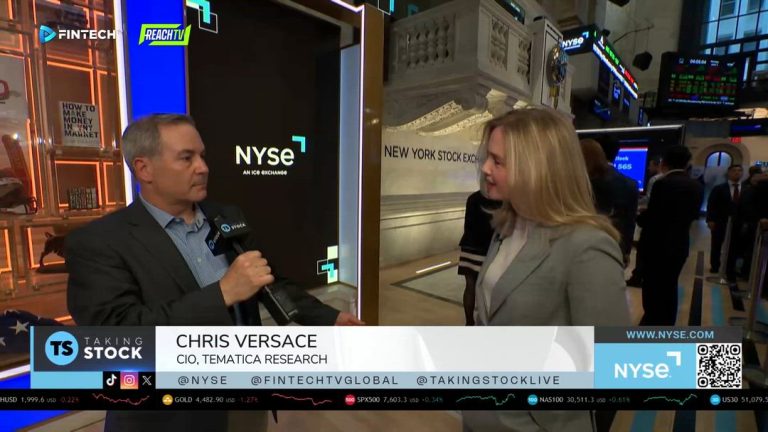
Chris Versace, Chief Investment Officer at Tematica Research, joined J.D. Durkin to discuss the key market catalysts investors should be watching as June gets underway. With a Federal Reserve meeting, critical economic data releases, inflation reports, employment numbers, and Apple’s highly anticipated developer conference all on the calendar, Versace expects markets to remain extremely active despite the start of the summer season. He highlighted upcoming ISM manufacturing and services data, the May jobs report, and next week’s CPI and PPI releases as crucial indicators that will help investors assess the direction of inflation and the broader economy.

The discussion also focused on the Federal Reserve’s challenges as inflation remains above target while the labor market continues to show resilience. Versace noted that while markets have been focused on potential rate cuts, persistently strong inflation data could force policymakers to consider a more hawkish stance. With attention turning to the Fed’s leadership and voting committee, investors will be closely monitoring comments from central bank officials for clues about future monetary policy decisions and the path of interest rates.

Technology and artificial intelligence remain at the center of the market narrative, with Versace arguing that the AI revolution is still in its early stages. He compared today’s AI boom to the internet expansion of the late 1990s, suggesting that the full range of AI applications has yet to be realized. While semiconductor companies have dominated headlines, he emphasized that the AI ecosystem extends far beyond chipmakers to include data centers, energy providers, construction firms, and materials suppliers that support the industry’s rapid growth. Looking ahead, all eyes are on Apple’s Worldwide Developers Conference (WWDC), where the company is expected to unveil major AI enhancements, including a next-generation Siri that could help spark a new iPhone upgrade cycle and reignite growth for one of the world’s most valuable technology companies.

The Future of Private Credit and Asset-Backed Lending

0

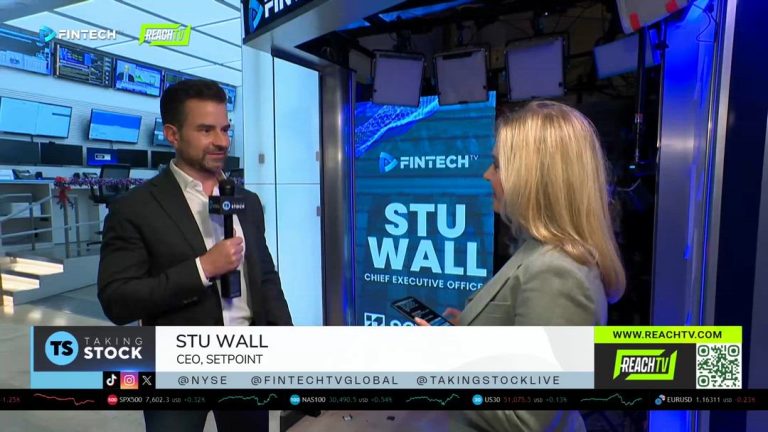
Stu Wall, CEO of Setpoint, joined J.D. Durkin from the floor of the New York Stock Exchange to discuss the explosive growth of private credit and its role in financing one of the largest capital expenditure booms in modern history. Wall explained that with trillions of dollars being invested across sectors ranging from hyperscale technology infrastructure to industrial and manufacturing projects, demand for capital is exceeding the supply available through traditional banking channels. As a result, private credit has emerged as a flexible and long-term funding solution that is helping businesses and investors capitalize on major economic opportunities while supporting productivity growth and expansion across the economy.

Wall also outlined Setpoint’s mission to modernize the infrastructure behind private credit and asset-backed finance. While the industry has grown into a multi-trillion-dollar market, much of it still relies on outdated systems such as spreadsheets, emails, and manual reporting processes. Setpoint is building an operating system designed to organize, verify, and monitor asset data in real time, improving transparency, reducing fraud risk, and providing investors with greater visibility into their portfolios. By combining artificial intelligence, automation, expert oversight, and advanced workflow orchestration, Setpoint aims to create a more efficient and reliable framework for lenders and borrowers alike.

Looking ahead, Wall believes private credit will continue to expand as retirement savers and institutional investors seek attractive risk-adjusted returns outside traditional public markets. He argues that the next phase of the industry will be driven by greater transparency, improved liquidity, standardized reporting, and technology-enabled trust between capital providers and borrowers. Through partnerships with leading financial institutions and investors, Setpoint is working to establish a new industry standard that makes private credit more accessible, scalable, and resilient for the future.

Kalshi ‘perps’, VPN blocked?, ECB Stablecoins, Coinbase India

0

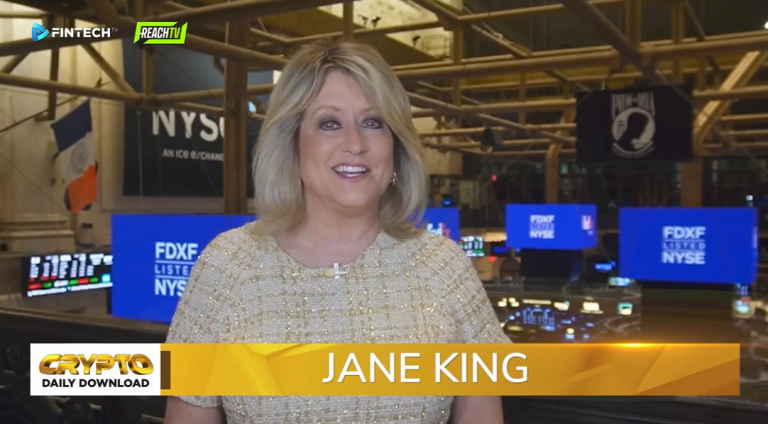
In today’s episode of the Crypto Daily Download, Jane King covers developments in the cryptocurrency space.

First, Jane discusses Kalshi’s announcement to begin offering perpetual futures contracts, which will allow for more complex trading options beyond simple yes or no bets. This move is set to expand their offerings to over a dozen cryptocurrencies, pending regulatory approval.

Next, she highlights PolyMarket’s new measures to block IP addresses from VPNs and require user identification. This change comes in response to regional regulations and international sanctions, as PolyMarket is currently blocked in 33 countries.

She also touches on the concerns raised by Isabel Schnabel from the European Central Bank regarding the risks that stablecoins pose to financial stability and monetary policy. She emphasizes the need for central banks and regulators to adapt their approaches to safeguard financial stability.

Finally, Jane reports on Coinbase’s strategic push into the Indian market with the introduction of INR Rails, making their platform more accessible to Indian retail traders. This marks a significant step in their efforts to rebuild their presence in the region.

Jane King with the latest from the NYSE.

AI Shifts From Cost Saver to Revenue Engine as Agentic Trading Reshapes Financial Markets

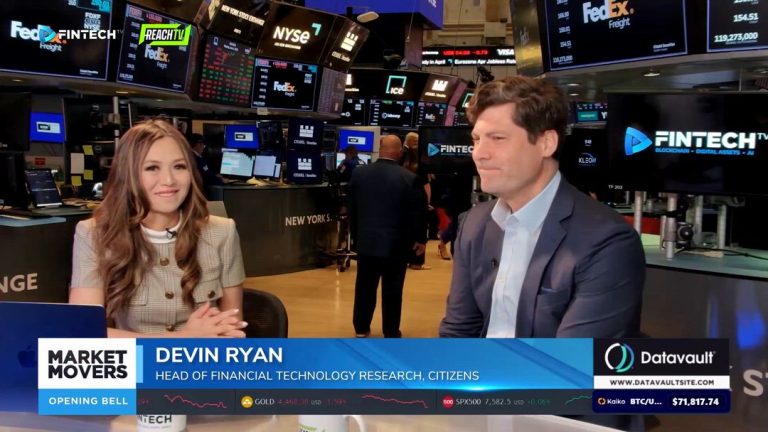
Devin Ryan, Head of Financial Technology Research at Citizens, joins Remy Blaire to dive deep into the evolving landscape of artificial intelligence in finance. As Nvidia unveils its new PC superchip and partners with major companies like Dell, Microsoft, and Lenovo, the conversation shifts to the potential of AI as a structural multiplier in the financial system.

Devin shares insights from his Agentic Economy Report, discussing how AI is transitioning from a tool for efficiency to a driver of revenue through agentic trading and payments. He highlights the significant volume multiplier that AI agents could bring to trading activities and the implications for brokerage firms like Robinhood and eToro.

The episode also explores the regulatory landscape surrounding AI in finance, the total addressable market for decentralized finance (DeFi), and the enduring value of human advisors in a world increasingly influenced by AI. Devin addresses the risks associated with agentic AI and the current state of the crypto market, emphasizing the importance of regulatory clarity for future adoption.

Finally, the discussion touches on the burgeoning field of prediction markets and their potential to provide valuable signals for investors.

Bitcoin Falls Below $72K as ETF Outflows Top $2.5 Billion and Capital Shifts to AI Boom

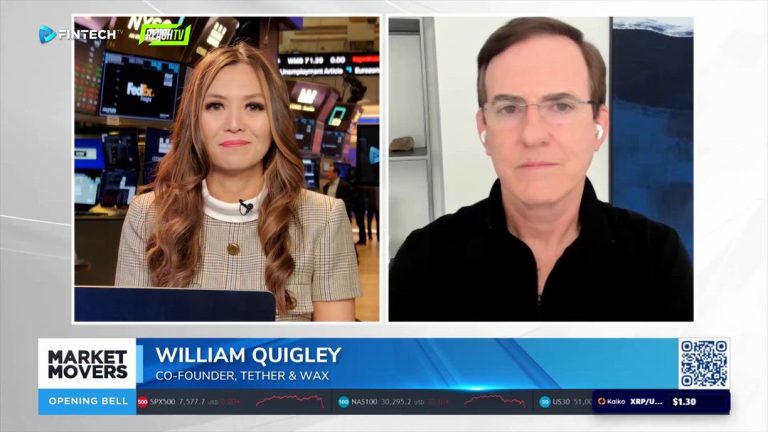
William Quigley, co-founder of Tether & WAX and Managing Director of Magnetic, joins Remy Blaire to dive into the current state of the crypto market, which faces significant challenges amid geopolitical tensions and regulatory changes. Bitcoin has seen a decline, dropping below $72,000, despite a strong rally in the broader equity markets. Notably, Bitcoin ETFs have experienced substantial outflows, totaling over $2.5 billion since mid-May.

William highlights that Bitcoin’s recent performance aligns with its historical post-halving trends, during which capital tends to exit the crypto space for extended periods. William points out that the allure of high returns in sectors like AI and semiconductor companies has drawn investment away from crypto.

They also discuss the role of stablecoins in the crypto ecosystem, emphasizing their importance for trading and decentralized finance, even as the overall market struggles. Quigley notes a significant shift in the trading landscape with the CFTC’s recent guidance on regulated crypto futures trading, which could position the U.S. as a leader in global crypto markets.

Shifting gears, they explore the contrasting dynamics of AI compared to the early internet days. William explains that unlike the skepticism surrounding internet companies in the 90s, there is now a massive influx of institutional capital into AI infrastructure, indicating a strong market interest.

As they look ahead, William shares insights on the long-term build-out plans for AI data centers and the potential challenges for unicorns like OpenAI and Anthropic as they consider going public. He cautions that entering the public market without a solid revenue model could pose significant risks, especially given the high valuations these companies are likely to command.

OpenAI, SpaceX and Anthropic IPOs Could Trigger Wall Street Shake-Up at Trillion-Dollar Valuations

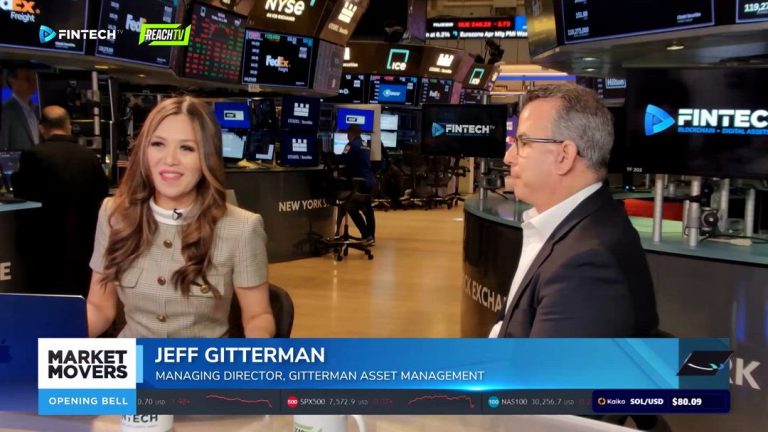
Jeff Gitterman, Managing Director of Gitterman Asset Management, joins Remy Blaire to discuss the upcoming mega IPOs from companies like OpenAI, SpaceX and Anthropic. These companies are set to shake up Wall Street and potentially enter the market at trillion-dollar valuations. With the Nasdaq and S&P 500 working on rule changes to fast-track their inclusion into benchmark indexes, they discuss how this could lead to significant selling pressure on existing top tech stocks, particularly the Mag 7.

They explore the performance differences between market-weighted and equal-weighted indexes, noting that the former has significantly outperformed the latter. Jeff highlights the potential for retail investors to shift their focus from established tech giants to these new entrants, raising concerns about volatility in the indexes.

They also touch on the valuation challenges these companies face, given their size and the competitive landscape, particularly between OpenAI and Anthropic. Jeff emphasizes that SpaceX’s performance will be a key determinant for the success of these IPOs.

As they wrap up, they discuss the current state of the U.S. economy, with Jeff predicting slow growth and persistent inflation, which could lead to stagflation. He warns that the ongoing geopolitical tensions and energy prices may further complicate the economic outlook.

Arsenal’s Historic Title Win & The Business of Sports

0

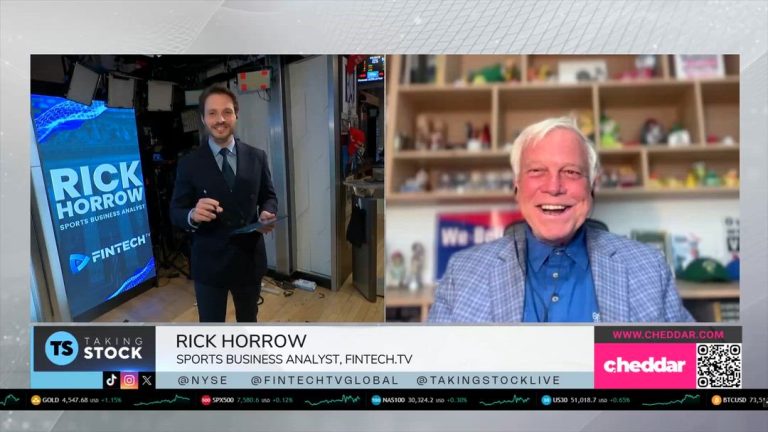
Sports business analyst Rick Horrow joined J.D. Durkin to break down the massive commercial impact of Arsenal’s long-awaited Premier League title victory, ending a 22-year championship drought. Horrow highlighted Arsenal’s position as one of the world’s most valuable football clubs, generating hundreds of millions in revenue from broadcasting, commercial partnerships, and matchday income. He also pointed to the success of owner Stan Kroenke, whose sports empire includes Arsenal, the Los Angeles Rams, Denver Nuggets, Colorado Avalanche, and SoFi Stadium, making him one of the most influential figures in global sports ownership. Looking ahead, Horrow explained that a Champions League victory could significantly boost Arsenal’s brand value, sponsorship opportunities, and overall revenue growth, further cementing the club’s position among the elite organizations in world football.

The conversation then shifted to the NBA, where the New York Knicks’ deep playoff run has reignited excitement across the city and created major financial opportunities for Madison Square Garden. Horrow discussed soaring ticket demand, rising franchise valuations, and the broader strength of the NBA as a business. With average NBA franchise values now approaching $5 billion and future expansion markets like Seattle and Las Vegas expected to drive valuations even higher, Horrow believes the league remains one of the strongest growth stories in professional sports. While acknowledging the excitement surrounding the Knicks, he ultimately favored the Oklahoma City Thunder to capture the championship, emphasizing that regardless of the outcome, the NBA continues to be one of the most valuable and dynamic properties in global sports.