[stock-market-ticker symbols=" ^NYA;CRYPTO:BTC;CRYPTO:ETH;CRYPTO:USDT;CRYPTO:USDC;CRYPTO:BNB;CRYPTO:ADA;CRYPTO:XRP;CRYPTO:SOL;CRYPTO:DOGE " stockExchange="NYSENASDAQ" width="100%" transparentbackground=1 palette="financial-light"]

Home Blog Page 14

The U.S.-China Trade Stalemate: What It Means for Global Markets

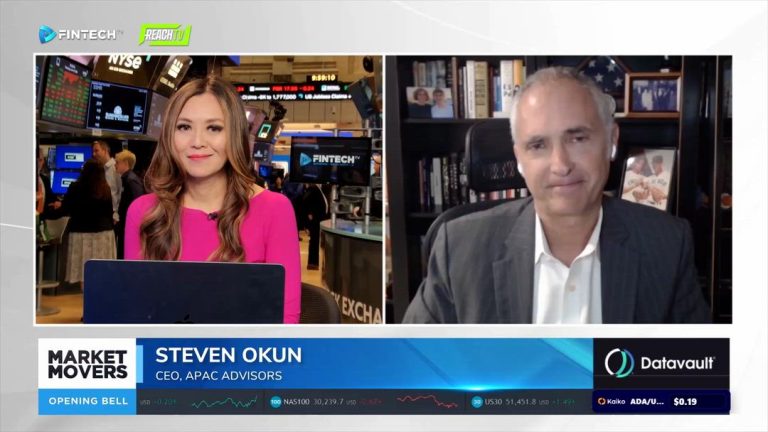
Steven Okun, CEO of APAC Advisors, joins Remy Blaire to dive into the implications of the Trump administration’s recent tariff policies following a Supreme Court ruling. They discuss the proposed new levies of up to 12.5% on trading partners, driven by concerns over forced labor and industrial overcapacity. They explore how these tariffs are likely to persist, impacting consumer prices in the U.S. and reshaping trade policy in the long term.

Steven emphasizes that the trade stalemate between the U.S. and China remains unresolved, with both countries continuing to exert leverage over each other. He highlights the emerging trend of countries diversifying away from reliance on the U.S. and China, referencing recent agreements like the EU-India pact and potential collaborations with ASEAN nations.

They also touch on the broader implications for global economic policy, particularly concerning rate differentials and the potential for inflation due to supply and price shocks stemming from geopolitical tensions, including the situation in Iran and the ongoing effects of covid-19 and the Russian invasion of Ukraine.
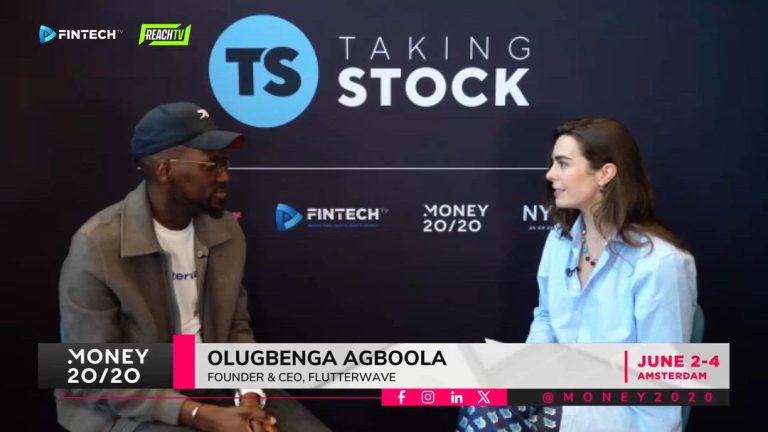
Building Africa’s Payment Infrastructure: How Flutterwave Is Empowering Businesses Beyond Money Transfers

Olugbenga Agboola, the CEO and founder of Flutterwave, joins FINTECH.TV’s Contributor Anastasia Kinsky on the final day of Money20/20 Europe to discuss the company’s journey over the past 10 years.

Flutterwave, Africa’s leading payments technology company aims to simplify money movement across Africa. With a recent microfinance banking license in Nigeria, Flutterwave is transitioning from a money-in-transit company to a more robust infrastructure provider, aiming to empower merchants and clients to manage their finances independently.

They also discuss the growing trend of stablecoins and how Flutterwave is positioning itself in this space. Olugbenga explains that many small and medium-sized businesses are now seeking to pay suppliers using stablecoins for faster transactions, which can significantly reduce settlement times compared to traditional methods like SWIFT transfers.

Flutterwave’s partnership with Nuvion aims to create a comprehensive stablecoin infrastructure for Africa, enabling businesses to easily access and utilize stablecoin wallets.

How Netomi Is Bringing Agentic AI to the Fortune 500

0

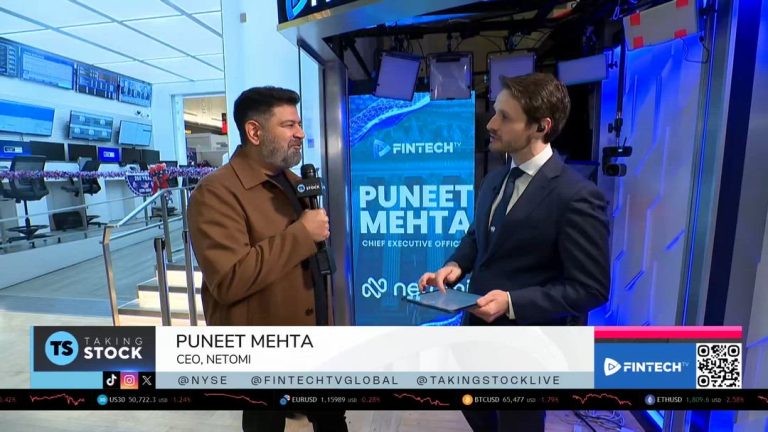
Artificial intelligence has promised to transform the enterprise, but according to Netomi CEO Puneet Mehta, the real value of AI isn’t in generating more tokens, it’s in delivering measurable business outcomes. Speaking to J.D. Durkin from the floor of the New York Stock Exchange, Mehta explained how Netomi is building what he calls the “autonomous front office,” using agentic AI to automate customer service, streamline business processes, and improve customer experiences for some of the world’s largest companies.

Fresh off a $110 million funding round, Netomi is expanding its AI-powered platform across the Fortune 500, helping organizations such as Delta, United Airlines, MetLife, Rockwell Automation, and DraftKings drive efficiency and reduce costs. Mehta argues that the future of enterprise AI lies in outcome-based solutions that rewire how businesses operate, rather than simply deploying large language models. He also addressed one of AI’s biggest challenges trust and reliability highlighting Netomi’s proprietary “Sanctioned AI” framework, designed to make AI systems more predictable and enterprise-ready. As businesses race to adopt agentic AI, Mehta shares his vision for how autonomous customer service and intelligent workflows could reshape the future of enterprise operations.

Big Tech, Inflation & The Fed: What’s Next for Stocks?

0

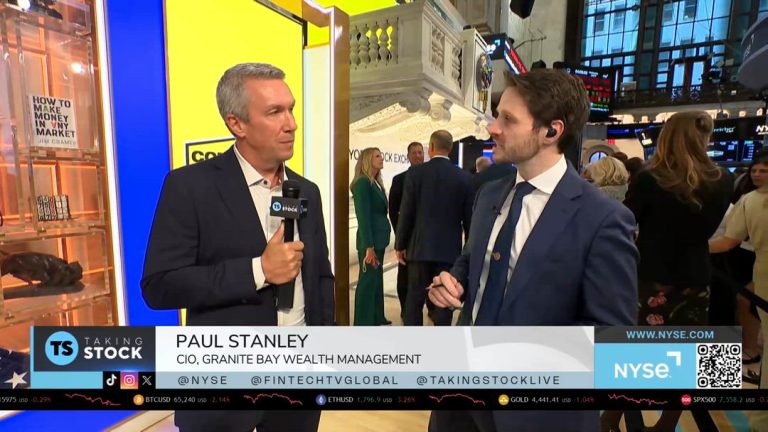
Markets may have paused just short of another record close, but according to Granite Bay Wealth Management CIO Paul Stanley, the broader bull market story remains intact. Speaking to J.D. Durkin after the closing bell, Stanley explained that investors are simply reassessing risk after an extended rally fueled by AI, strong corporate earnings, and resilient economic data. While concerns around inflation and interest rates have resurfaced, he believes much of the recent market anxiety is tied to higher oil prices and geopolitical tensions in Iran rather than a fundamental deterioration in the economy.

Stanley noted that Big Tech will likely remain a key driver of market performance due to its heavy weighting in major indexes, but he expects the next phase of the rally to broaden into sectors such as industrials, mid-cap companies, and small-cap stocks as AI investment begins to create benefits across the wider economy. He also emphasized the importance of maintaining a long-term investment strategy, warning investors against making major portfolio changes based on short-term market moves. Looking ahead, Stanley is closely watching inflation data, upcoming jobs reports, and the Federal Reserve’s next policy decision. While markets are beginning to price in the possibility of a rate hike later in the year, he believes inflation pressures tied to energy prices could ease once geopolitical tensions subside. From AI-driven growth to Fed policy and market diversification, Stanley shares his outlook on what investors should expect during the second half of 2026.

How Strut Is Using AI to Revolutionize Accounts Receivable

0

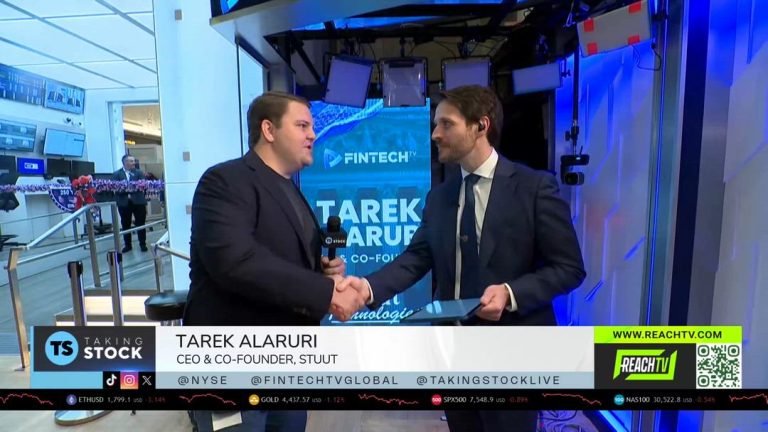
Artificial intelligence is transforming finance, and one company leading that shift is Strut. In this conversation, Strut CEO and Co-Founder Tarek Alaruri explains how the company is using AI agents to automate accounts receivable processes for major enterprises, helping businesses reduce overdue invoices, improve cash flow, resolve disputes, and streamline payment collections. Serving customers ranging from Honeywell to DirecTV, Strut has rapidly grown in just two years, surpassing 150 customers while delivering measurable results across finance operations.

Tarek discusses why accounts receivable remained largely untouched by automation until recent advances in AI technology made it possible to integrate directly with ERP systems, CRMs, and banking platforms. Unlike traditional chatbots, Strut’s AI agents understand context, automate workflows, and take action, helping customers reduce Days Sales Outstanding (DSO) by as much as 40% within six months while significantly increasing operational efficiency. He also addresses the broader debate around AI and jobs, arguing that AI is not replacing workers but empowering them to focus on higher-value strategic work instead of repetitive administrative tasks.

The conversation also explores customer success stories, the origin of the Strut name, and the future of AI-driven finance operations as businesses increasingly adopt intelligent automation to improve productivity, customer experience, and financial performance.

Bitcoin falls, Moneygram stablecoin, Polymarket trade, Hyperliquid activity

0

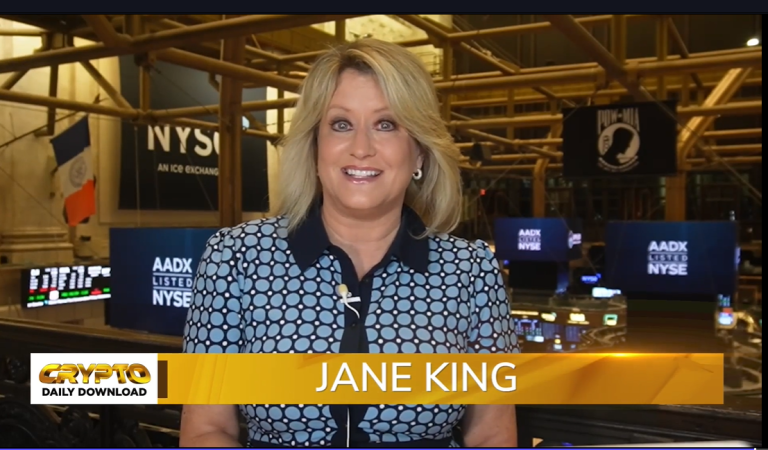
In this episode of the Crypto Daily Download, Jane King dives into the latest developments in the cryptocurrency market. Bitcoin has reached its lowest price since February, raising concerns among investors who may be shifting their focus to equities and IPOs, including notable launches from SpaceX and Anthropic.

Jane discusses critical price levels to watch, particularly the mid $60,000 range, and what could happen if Bitcoin breaks that support.

Additionally, Jane covers MoneyGram’s exciting announcement of the MGUSD dollar stablecoin on the Stellar blockchain, which will enhance cross-border transfers and self-custody wallet capabilities for users.

Jane also highlights PolyMarket’s first block trade related to AI compute prices, involving FalconX and Enero Labs, and the competitive landscape with Kalshi.

Lastly, she explores how platforms like Hyperliquid are revolutionizing trading, with perpetual futures expanding beyond crypto and outperforming traditional Wall Street exchanges. Hyperliquid’s native token, HYPE, has seen a remarkable 130% increase this year.

Jane King with the latestt from the NYSE.

Beyond Crypto: Fun Bets on Stablecoins and Tokenization to Transform Global Finance

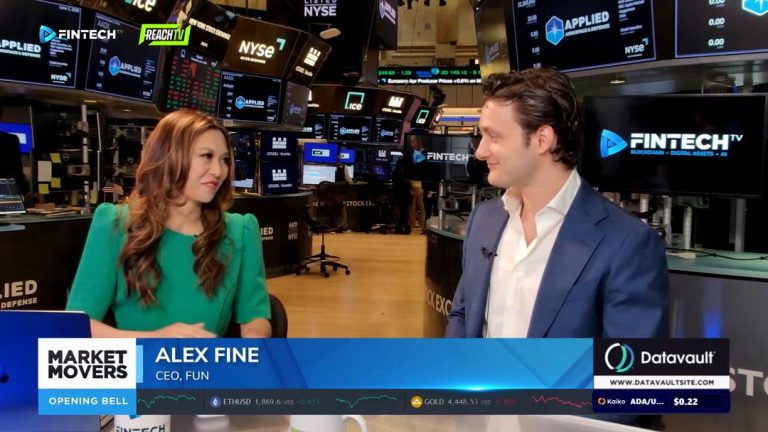
Alex Fine, co-founder and CEO of Fun, joins Remy Blaire to discuss the New York-based startup that is revolutionizing global payments infrastructure. Fun recently secured a $72 million Series A funding round, which will help them scale their operations and enhance their capabilities in connecting traditional bank accounts to the blockchain.

Alex explains that Fun is focused on being the highest converting method for moving money on a blockchain, emphasizing the importance of separating the concept of cryptocurrencies from the underlying blockchain technology. He highlights that while the crypto market is experiencing a downturn, the adoption of stablecoins, tokenized equities, and global payments continues to grow.

They delve into the technical aspects of tokenizing assets, discussing how it allows individuals in developing economies to access Western markets and participate in global capitalism. Alex shares his vision for the future, where tokenized assets will play a crucial role on blockchains, positioning Fun as a key player in facilitating access to this new financial landscape.

Finally, they touch on the regulatory environment in the U.S., with Alex advocating for clearer guidelines to help startups navigate the complexities of compliance.

Transforming Payments: TransferMate and BVNK’s Leap into Stablecoins

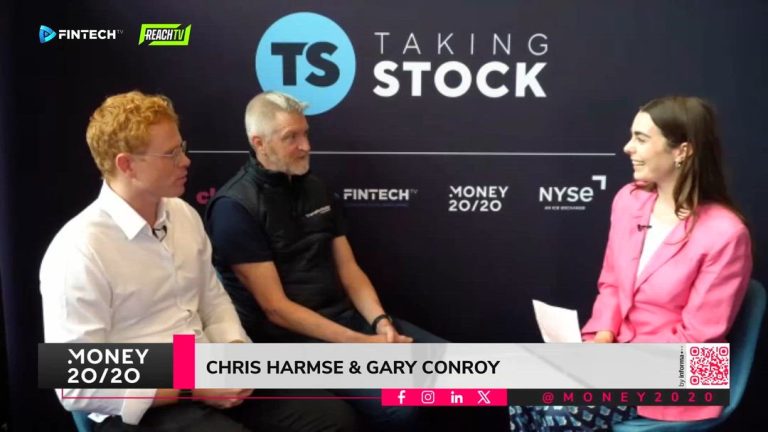
Gary Conroy, the CEO of TransferMate, and Chris Harmse, the co-founder and Chief Business Officer of BVNK, joins Anastasia Kinsky on the sidelines of Money20/20 Europe to dive into developments in the fintech space, specifically focusing on the integration of stablecoins by TransferMate.

Gary explains that TransferMate, a global fintech company established in 2010, aims to simplify cross-border payments for corporates and enterprises. With the integration of stablecoins, they are enhancing their offerings, providing businesses with more options for payments. This move is not just about solving specific problems in remittances but also about giving users the flexibility to choose their preferred payment method, whether it be fiat, stablecoin, or traditional bank transfers.

They also discuss the importance of their partnership with BVNK, which boasts a strong regulatory framework and a significant number of licenses. This collaboration allows TransferMate to offer a comprehensive solution for clients worldwide, enabling them to transact seamlessly in both fiat and stablecoins.

Chris highlights the recent regulatory clarity and increased liquidity in the stablecoin market as key factors driving the adoption of stablecoins by large enterprises. He anticipates that stablecoins will play a crucial role in the future of global payments, potentially increasing their share from 1% to 5% in the coming years.

As they look ahead, both Gary and Chris express excitement about the potential for stablecoins to transform payment infrastructures and create new financial experiences.

Transparency and Trust Will Drive Stablecoin Adoption: Insights From Glendy Kam

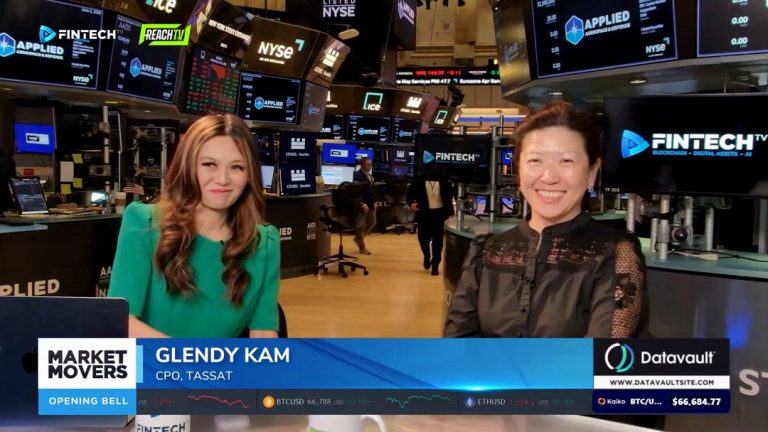
Glendy Kam, Chief Product Officer of Tassat, joins Remy Blaire to dive into the latest developments in the stablecoin industry, starting with the Clarity Act’s placement on the Senate legislative calendar, making it eligible for full Senate consideration before the July recess. They also discuss MoneyGram’s recent launch of its digital dollar on the Stellar blockchain, following SoFi’s groundbreaking move as the first U.S. national bank to offer a stablecoin in a consumer banking app. Notably, Western Union’s introduction of its stablecoin, USDPT, marks a significant shift from traditional banking methods to blockchain-based solutions for cross-border payments.

Glendy shares insights on the implications of Western Union’s stablecoin launch. Glendy emphasizes that this move addresses long-standing challenges in cross-border payments, particularly issues related to cutoff times and settlement delays. They also explore the regulatory landscape surrounding stablecoins, highlighting the importance of compliance and reserve management as foundational elements for adoption.

As they discuss the role of enterprises in bridging liquidity and risk management, Glendy points out that successful stablecoin initiatives require collaboration with technology partners and industry participants. They also touch on the sectors likely to see rapid adoption of on-chain payment systems, with payroll being a key area due to the efficiency of stablecoins in facilitating cross-border payments.

Finally, they address the critical nature of real-time accounting and reserve transparency in gaining the trust of skeptical revenue officers. Glendy underscores that transparency in reserve management and the quality of underlying assets are vital for fostering confidence in stablecoin adoption.

The Trillion Dollar AI Market: How Compute is Becoming a Commodity

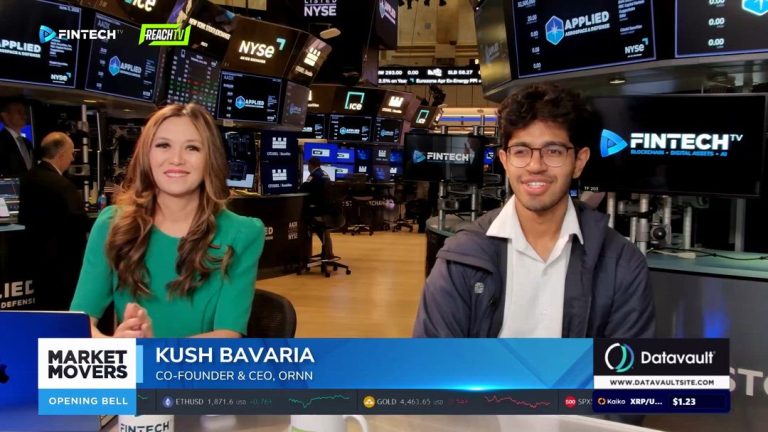
Kush Bavaria, co-founder & CEO of ORNN, joins Remy Blaire to dive into the rapidly evolving landscape of AI and its burgeoning market, now valued at trillions of dollars. Kush shares insights on the innovative financial tools emerging to commoditize computing power, particularly through the launch of U.S. Dollar Denominated Compute Futures in partnership with ICE.

Kush explains how ORNN has developed indices that track the price of compute, likening it to traditional commodities like oil and natural gas. He highlights the current insatiable demand for GPUs, driven by AI companies and startups, which has led to skyrocketing prices as supply has not kept pace.

They also discuss the recent announcement that futures markets are set to go live soon and the growing interest in prediction markets, which are becoming more institutionalized. Kush emphasizes the strong liquidity in the compute market, with significant month-over-month growth.

Looking ahead, they explore ORNN’s long-term vision of building a robust market in the U.S., aiming to support the AI race against global competitors like China. With projections suggesting the AI market could reach $7 to $10 trillion by 2030, Kush believes that a futures market for compute is essential for hedging costs associated with data centers.

Finally, they touched on ORNN’s impressive growth trajectory, with plans to expand their team significantly in the coming year.