
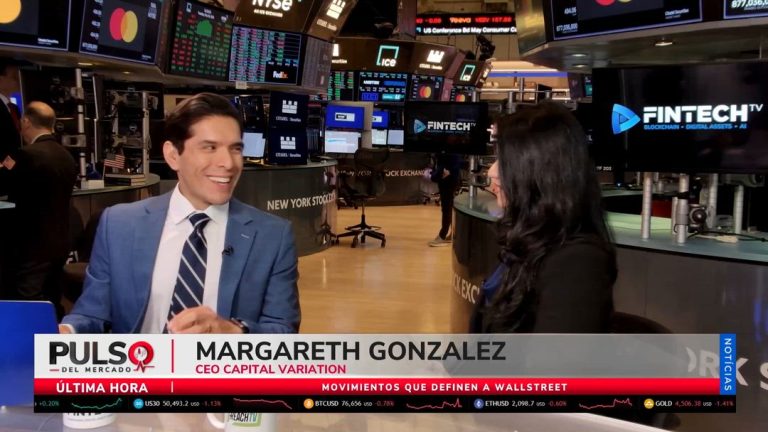
Margaret González, directora ejecutiva de Capital Variations, comparte los principios clave para invertir de forma inteligente en un mercado inestable. Desde la diversificación entre ETFs, acciones, criptomonedas e infraestructura fintech, hasta la importancia de mantener una visión a largo plazo y no tomar decisiones emocionales, González ofrece una guía práctica para inversionistas que quieren proteger y hacer crecer su patrimonio en cualquier entorno de mercado.
Plan 529: Cómo preparar el futuro educativo de tus hijos
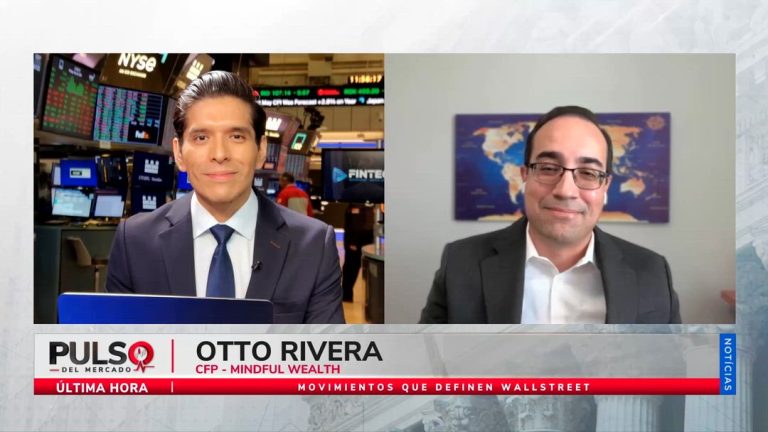
El Plan 529 es una de las herramientas de ahorro más poderosas y con mayores ventajas fiscales disponibles para las familias en Estados Unidos. En este segmento, exploramos cómo funciona esta cuenta de ahorro educativo, quiénes son sus beneficiarios, y por qué el crecimiento libre de impuestos lo convierte en una opción inteligente para padres que quieren prepararse desde temprano para los gastos universitarios de sus hijos. También analizamos la flexibilidad del plan: desde educación primaria y secundaria hasta certificaciones profesionales, y qué opciones existen si los fondos no se usan para educación.
Mercados en máximos, tasas de la Fed y oportunidades en América Latina
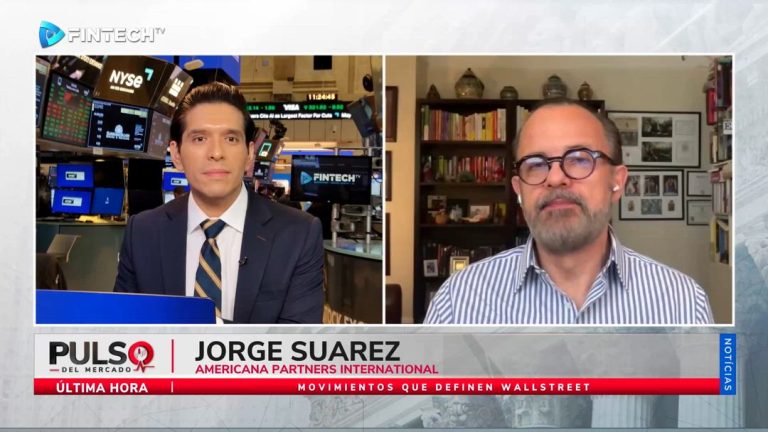
Jorge Suárez, director y socio de America Partners International, analiza el estado actual de los mercados estadounidenses, que siguen marcando nuevos máximos impulsados por el entusiasmo en torno a la inteligencia artificial. Discute si esta racha refleja una economía sólida o un exceso de optimismo, el impacto de las decisiones de la Reserva Federal sobre el dólar y los flujos de capital, y qué significa todo esto para las economías de América Latina.
Leandro Davo – Ava Labs impulsa la inclusión financiera en América Latina
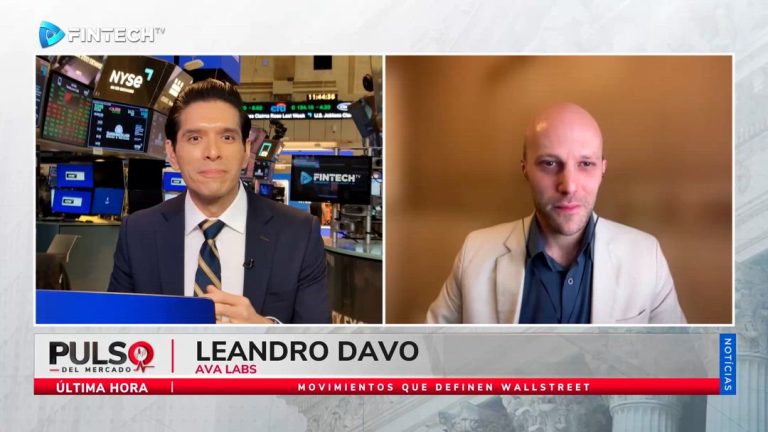
Leandro, responsable de la expansión de Ava Labs en América Latina, explica cómo la empresa conecta a fintechs y neo-bancos con productos financieros del mercado estadounidense desde fondos del mercado monetario hasta acciones públicas — a través de una API, sin necesidad de licencia de broker. Analizamos casos concretos y el panorama regulatorio en mercados clave.
DeFi Regulation & Risk: A Masterclass with TuongVy Le, General Counsel, Veda

In this episode, Co-Host Cleve Mesidor has a timely discussion with TuongVy “Vy” Le about her journey from working at the SEC to the front lines of crypto infrastructure. During the eye-opening chat, Vy demystifies conversations about risk in DeFi, an issue at the heart of current crypto policy debates.
How AI Is Transforming the Future of Banking
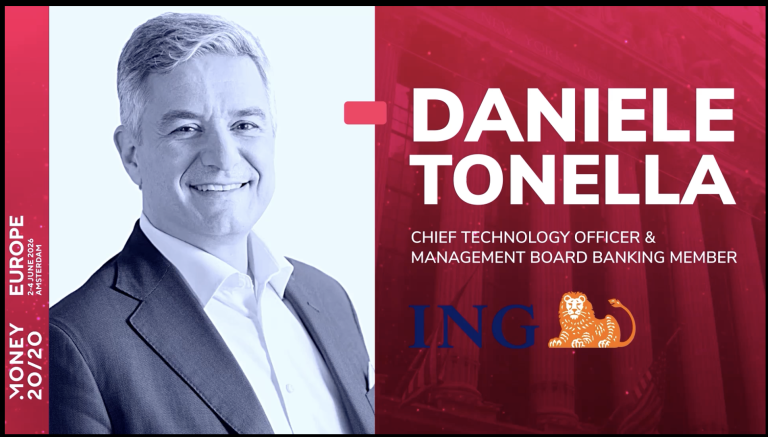
At Money20/20 Europe in Amsterdam, Anastasia Kinsky sat down with Daniele Tonella, CTO and Management Board Member at ING, to discuss how one of Europe’s largest banks is approaching technology transformation, AI adoption, and digital scalability.
Tonella explained that having technology leadership represented directly at the board level allows ING to make technology decisions that are closely aligned with business strategy. Rather than treating technology as a support function, ING has embedded technological expertise into executive decision-making, creating a culture where innovation, risk management, scalability, and customer needs are balanced together.
The conversation explored what Tonella calls the “feng shui of technology” the idea that successful digital transformation is not about constantly adding new tools, but about simplifying complexity, consolidating systems, and creating a technology foundation that supports long-term innovation. He emphasized that true transformation requires continuous investment, organizational alignment, and a clear strategy to reduce friction across both technology and customer experiences.
Tonella also highlighted ING’s long-term commitment to agile development, platform engineering, and customer-centric innovation. By listening closely to customer feedback and leveraging AI across the organization, ING is working to create more personalized, scalable, and efficient banking experiences. Looking ahead, he believes the industry is moving beyond the AI hype cycle and into a phase where organizations will focus on practical applications that reinvent value chains and transform how businesses operate. The discussion also touched on emerging trends such as stablecoins, digital assets, and the future of financial services innovation.
The Infrastructure Powering Modern Investing: GTN’s Partnership-Driven Growth Strategy
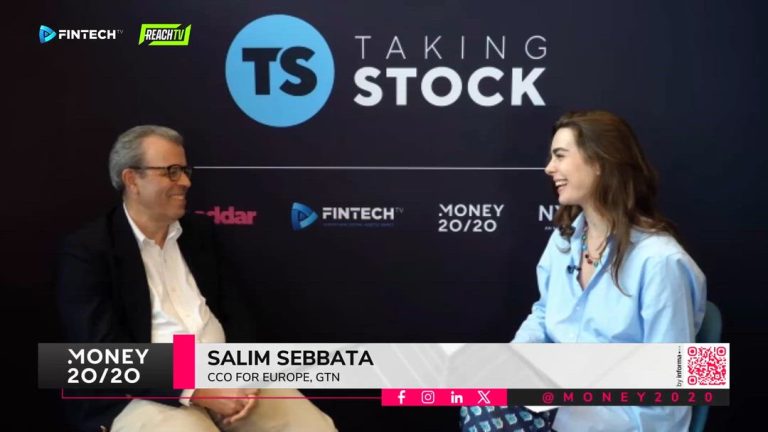
Salim Sebbata, CCO for Europe at GTN, joins FINTECH.TV’s Contributor Anastasia Kinsky at Money 20/20 Europe to discuss what sets GTN apart as a brokerage and investing infrastructure provider. With an API-first approach, GTN offers access to 90 global markets, including fixed income, stocks, options, ETFs, and funds, and is licensed in multiple regions such as the U.K., U.S., Singapore and Dubai.
They discuss the current landscape in Europe, particularly how the younger generation is becoming more aware of the need to invest for their future, given the changing dynamics of pension systems. Salim emphasizes GTN’s role in enabling fintech companies to launch investment solutions seamlessly, whether through apps or web platforms.
A key highlight of the conversation was the importance of partnerships. Salim explains that successful collaborations allow partners, like Revolut, to provide a user-friendly experience while GTN handles the complex backend processes. This approach not only enhances customer experience but also drives innovation in the financial services space.
The Future of Buy Now, Pay Later Is Just Beginning
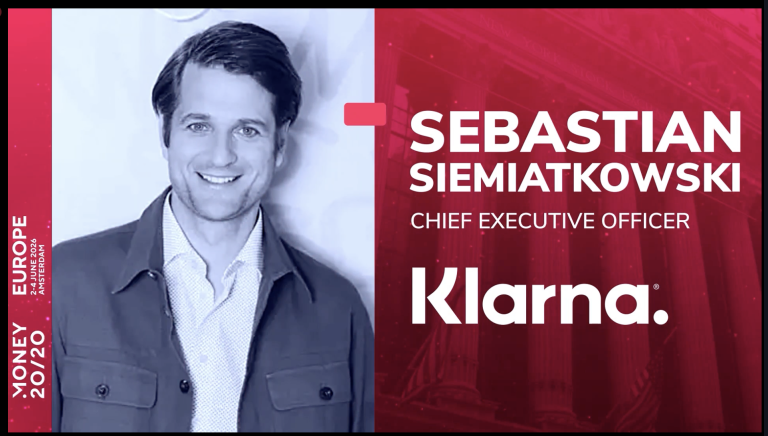
At Money20/20, Klarna CEO Sebastian Siemiatkowski joined Scarlett Sieber to discuss the evolution of Buy Now, Pay Later (BNPL), the future of consumer lending, and Klarna’s rapid global expansion. Once viewed as a disruptive alternative payment method, BNPL has now become a mainstream payment option, with major partners such as Stripe, Adyen, and JPMorgan integrating Klarna alongside traditional networks like Visa and Mastercard.
Sebastian explained that Klarna is entering a new growth phase as its payment solutions become more widely available across merchants, enabling consumers to finance both everyday purchases and larger-ticket items. He also highlighted how fixed-term, interest-free installment payments offer consumers a healthier alternative to revolving credit card debt, especially as transparency and comparison tools make it easier for shoppers to evaluate their options.
The conversation also explored the rise of agentic commerce and how lending could become increasingly embedded into everyday purchasing experiences. Sebastian shared his perspective on the differences between European and U.S. markets, noting that Klarna’s roots in Europe helped the company build a highly efficient platform that now serves more than 120 million consumers globally. While Europe remains a strong foundation, the United States has become Klarna’s largest and fastest-growing market, presenting significant opportunities for future growth.
Looking ahead, Sebastian emphasized Klarna’s mission to achieve the same level of ubiquity as Visa and Mastercard while continuing to build a trusted consumer brand for everyday spending. As digital payments continue to evolve, Klarna aims to remain at the forefront of innovation in consumer finance and commerce.
From Grid Dependency to Independence: The Rise of Distributed Power Systems
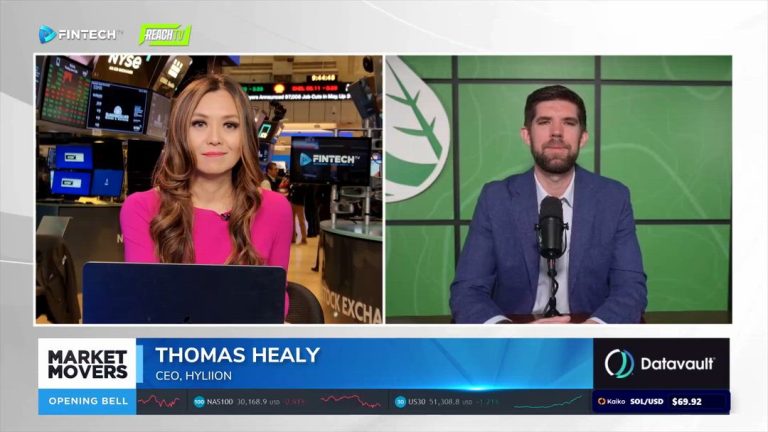
Thomas Healy, CEO of Hyliion, joins Remy Blaire to dive into the challenges facing Big Tech as their capital expenditures are projected to exceed $670 billion this year. A recent JP Morgan report highlights that over 60% of planned data centers for 2027 are stalled due to power supply bottlenecks, particularly as new AI facilities require vast amounts of energy.
Thomas shares insights on how their innovative on-site power generation systems could bridge the gap between capital investment and physical deployment. Thomas explains the shift from traditional grid reliance to distributed power generation, where businesses can produce their own electricity on-site using modular systems powered by various fuels like natural gas, hydrogen, and propane.
They discuss the economic and operational trade-offs for enterprises considering self-generated power versus grid electricity. Thomas emphasizes the importance of providing electricity that is both faster and cheaper than utility options, showcasing their systems’ scalability and efficiency.
Additionally, Thomas elaborates on the technical advantages of Hyliion’s Stirling engine-based technology compared to legacy systems like turbines and fuel cells. He highlights their low maintenance requirements, making them particularly appealing for military applications, such as their recent contract for the USX-1 Defiant unmanned ship.
Finally, they touch on how Hyliion is managing investor expectations and their progress in converting letters of intent into commercial sales, with a strong backlog of interest and plans for scaling manufacturing in the coming years.
Bitcoin Slips Below $64K as Investors Chase AI Stocks and New IPOs
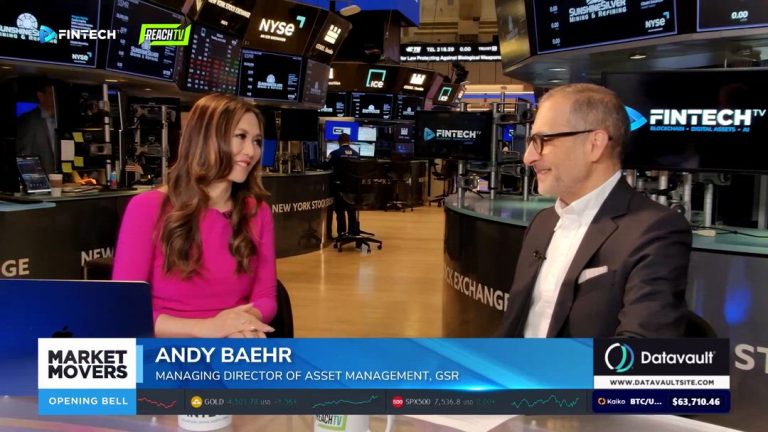
Andy Baehr, Managing Director of Asset Management at GSR, joins Remy Blaire to dive into the current state of the cryptocurrency market, focusing on Bitcoin’s recent decline below the $64,000 mark. As everyday investors shift their attention to fresh IPOs and AI stocks, they explore the implications of this trend on crypto, particularly with the return of trading volatility.
Andy expresses a mix of concern and optimism regarding the recent volatility, noting that while it can be painful for long-term investors, it is a necessary ingredient for future growth. Andy highlights that the market had been stagnant for too long, and this shake-up could pave the way for a new upward trend.
They also discuss the distractions facing short-term traders, including volatility in equities and commodities, which have drawn attention away from crypto. Andy emphasizes the importance of blockchain adoption for long-term growth, despite the current focus on newer, shinier investment opportunities.
One of the standout topics is Hyperliquid, a decentralized exchange that is gaining traction. Andy explains how it represents the evolution of crypto trading and the potential it holds for investors. He encourages investors to consider how they evaluate such platforms in relation to traditional cryptocurrencies like Bitcoin and Ether.
Finally, they touch on the concept of seasonality in the crypto market, noting that buying and selling patterns often shift with each quarter. Andy suggests that while the current downturn may be sharp, the increased volume and volatility could signal a turning point.