
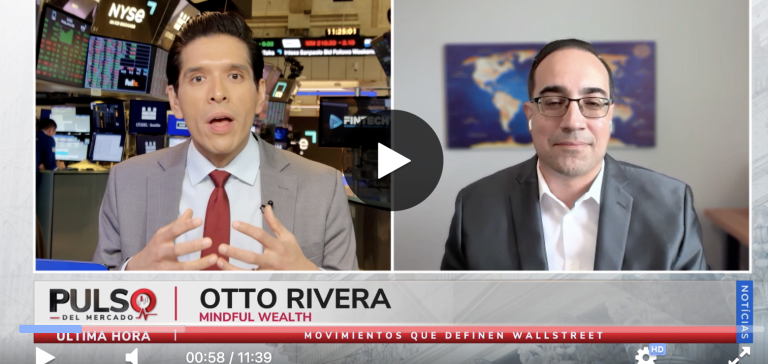
Las Trump Accounts son una nueva herramienta de ahorro diseñada para niños ciudadanos estadounidenses funcionan similar a una cuenta IRA, con un bono inicial del gobierno y la posibilidad de crecer libre de impuestos a largo plazo. Otto Rivera, asesor financiero de Mindful Wealth, explica cómo funcionan, quién califica, cómo se complementan con el Plan 529 y las cuentas UTMA, y por qué las familias latinas deberían prestar atención a esta oportunidad desde ahora.
Venezuela en el radar de Wall Street: ¿una nueva oportunidad de inversión?
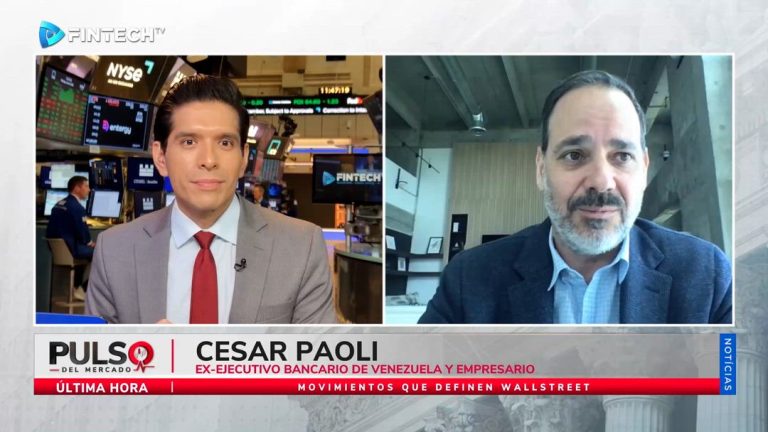
Venezuela estuvo prácticamente fuera del radar de los grandes inversionistas internacionales por años — pero eso podría estar cambiando. Bancos como JP Morgan y Jefferies están mirando a Caracas con renovado interés. César Paoli, ex ejecutivo del sector bancario venezolano, analiza qué está impulsando este cambio, las tres etapas que Venezuela necesita completar para recuperar la confianza del mercado, el potencial petrolero y de materias primas del país, y qué significa una posible apertura económica venezolana para el resto de América Latina.
From Rate Cuts to Rate Hikes: Strong Jobs Data Reshapes Market Expectations
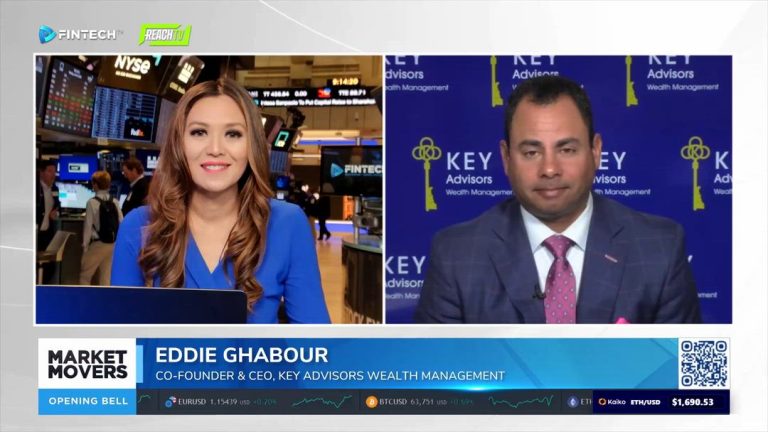
Eddie Ghabour, co-founder and CEO of Key Advisors Wealth Management, joins Remy Blaire to dive into the current state of the U.S. stock market following a tumultuous earnings season driven by AI infrastructure spending. While bottom-up analysts are optimistic about the S&P 500 reaching new records, top-down macro strategists paint a more cautious picture. After a strong May jobs report, traders are adjusting their expectations, now considering the possibility of the Federal Reserve hiking rates by the end of the year.
Eddie shares insights on the recent volatility in the market, particularly following a significant sell-off in chip stocks. Eddie emphasizes that while the market may experience corrections, especially in the tech sector, there are still growth opportunities, particularly as companies invest heavily in AI.
They also discuss the implications of rising bond yields and the impact on borrowing costs for consumers. Eddie suggests that investors should consider defensive positions, such as healthcare, while being prepared to re-enter the semiconductor and software markets during potential summer corrections.
A key highlight of the conversation was the upcoming SpaceX IPO, which Eddie anticipates will be one of the most subscribed in history. He cautions investors to approach it with caution, as initial excitement may lead to volatility.
Finally, they touch on the geopolitical landscape, particularly the ongoing conflict in the Middle East and its effects on oil prices and inflation. Eddie believes that the market is signaling that the worst may be behind us in terms of geopolitical risks, as oil prices remain below critical thresholds.
Tech Rally Faces New Test as Markets Grow More Selective on Earnings
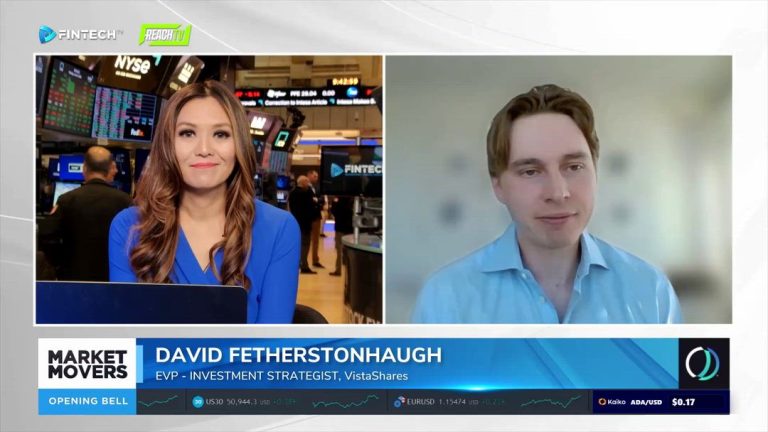
David Fetherstonhaugh, EVP, Investment Strategist at VistaShares, joins Remy Blaire to discuss the current economic landscape. They discuss the recent jobs report, which showed a 172,000 job gain, significantly exceeding expectations. With the Federal Reserve meeting approaching, they explore how sticky inflation, energy volatility, and geopolitical tensions, particularly in the Middle East, are influencing market dynamics.
David highlights the shift in market sentiment from a focus on rate easing to potential rate hikes, particularly in light of the strong jobs data. They also examine the tech sector’s performance, noting that while growth remains favored, the market is becoming more selective, leading to sell-offs even after decent earnings reports.
They touch on the implications of foreign exchange volatility, especially with a stronger U.S. dollar, and how it affects earnings translations and capital flows in the global semiconductor market. David emphasizes the importance of monitoring these factors as they relate to the AI super cycle and the supply chain dynamics in countries like South Korea and Taiwan.
Finally, they discuss potential investment opportunities amid the current volatility, particularly as the market digests upcoming CPI numbers and the implications of major upcoming IPOs.
Institutional Investors Now Hold 20% of Bitcoin, Driving Major Market Swings
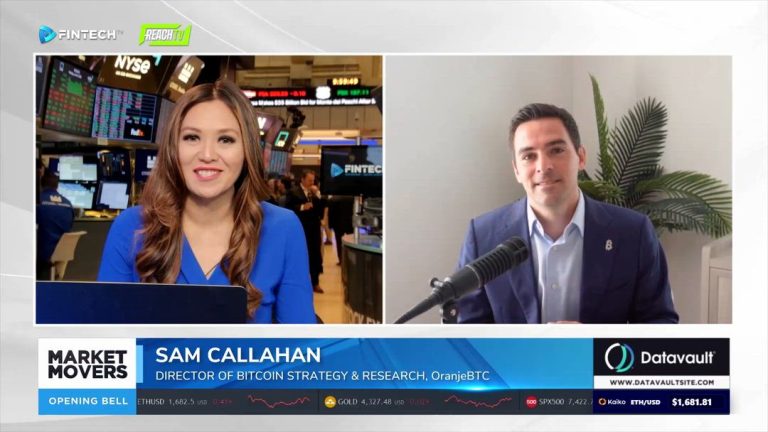
Sam Callahan, Director of Bitcoin Strategy & Research at OranjeBTC, joins Remy Blaire to discuss the recent fluctuations in Bitcoin prices, which have seen a bounce back above the $63,000 level after a significant drop last week.
Sam explains that the recent sell-off was expected, given the heavy pressure on Bitcoin, and that the bounce we observed was a necessary relief. He highlights a capital rotation towards AI companies and upcoming IPOs, which has shifted investor focus away from crypto. Notably, he mentions that institutional investors now hold 20% of Bitcoin, and their rebalancing activities can lead to significant market movements.
They also touch on the impact of geopolitical uncertainties on oil prices and inflation, which in turn affect monetary policy and risk assets like Bitcoin. Despite the volatility, Sam emphasizes the strong fundamentals supporting Bitcoin as a long-term hold.
Towards the end of the conversation, they address the recent headlines about companies selling Bitcoin and the strategic decisions behind these moves. Sam points out that while some companies are selling from a position of weakness, others are still actively buying and managing their Bitcoin reserves effectively.
Empowering the Future: Experian’s Vision for “Self-Driving Money”
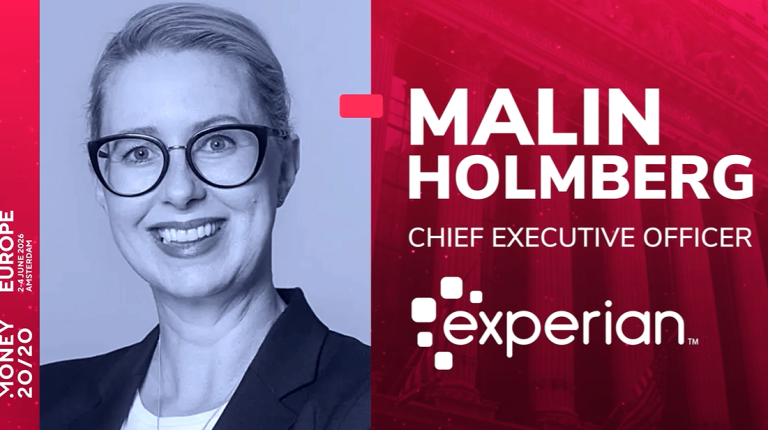
Malin Holmberg, the CEO of Experian U.K. and Ireland, joins Anastasia Kinsky to discuss the role that Money20/20 plays in the FinTech landscape, serving as a hub for innovation and collaboration among clients, partners and industry leaders.
Malin highlights the significant shift towards AI in the financial services sector, emphasizing Experian’s commitment to empowering the era of “self-driving money.” They explore the challenges of deploying AI safely and effectively, with Malin sharing insights on Experian’s recent launches, including the Experian Agent Operating System, which aims to enhance the lending journey and facilitate payments.
They also delve into the broader FinTech environment, where Malin identifies three key trends: the transition from growth to profitability for FinTechs, the increasing complexity of fraud and the movement towards autonomous banking systems.
Looking ahead, Malin expresses a vision for Experian’s success in 2026, focusing on improving outcomes for clients and customers through effective AI scaling.
Going Public Strengthens Trust as Digital Asset Infrastructure Matures: Insights From Jody Mettler
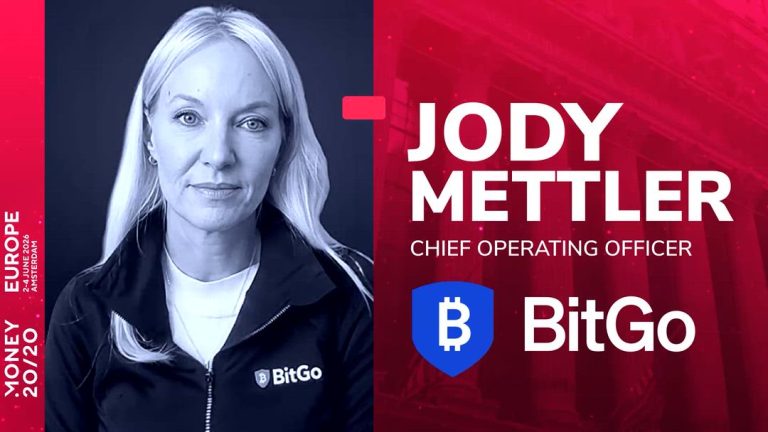
Jody Mettler, Chief Operating Officer at BitGo, joins Anastasia Kinsky at Money20/20 Europe in Amsterdam to discuss BitGo’s recent milestone as one of the first crypto IPOs of the year. Jody shares insights on how this transition to a public company enhances BitGo’s credibility and its ability to engage with clients in the digital asset infrastructure space.
They explore the current landscape of innovation in both the U.S. and Europe, noting that while there is a race to establish regulatory frameworks, the focus should be on enabling clients within those jurisdictions. Jody highlights the EU’s proactive approach with the MiCA regulation, contrasting it with the U.S., which is still working towards clarity.
As they delve into the role of stablecoins and tokenized assets, Jody explains how BitGo is positioned as an infrastructure provider, offering services like stablecoin issuance. She emphasizes the importance of proving the viability of these assets before moving towards tokenizing real-world assets.
They also discuss the challenges that lie ahead, particularly the need for interoperability between traditional financial institutions and the new digital frameworks. Jody points out that consumer adoption hinges on creating familiar experiences that align with existing financial systems.
Looking ahead to next year, Jody expresses optimism about the rapid technological advancements and the potential for significant developments in the payment space.
From USDC Payments to Stablecoin Settlements: Checkout.com Unveils New Merchant Options at Money20/20 Europe
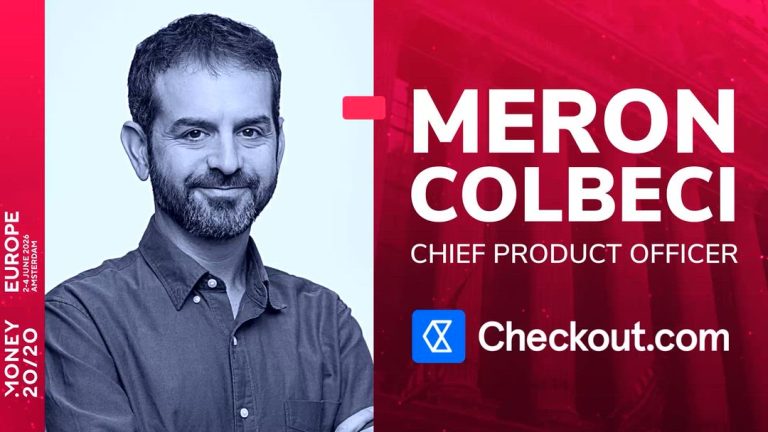
Meron Colbeci, Chief Product Officer at Checkout.com, joins Anastasia Kinsky to delve into developments at Checkout.com, a global payments provider that has been operating for over a decade, supporting major enterprises like Uber, Pinterest and Spotify in optimizing their payment performance.
Meron shares insights about their recent announcements at the Money20/20 Europe event, starting with a partnership with Coinbase to enable global acceptance of stablecoins on their platform. This initiative aims to address the friction points in the adoption of stablecoins, allowing consumers to pay with stablecoins like USDC while merchants can continue to receive fiat currency seamlessly.
On the second day of Money20/20 Europe, Checkout.com announced a new feature for merchants to settle payments in stablecoins, facilitated through a partnership with Fireblocks. This allows merchants to choose stablecoin settlements on demand, further enhancing their payment options.
Throughout the conversation, Meron emphasizes Checkout.com’s commitment to customer choice, highlighting their goal of providing multiple payment methods rather than steering merchants toward a single solution. They also discuss the evolving landscape of stablecoins and the potential for increased adoption in the coming years, especially as regulatory clarity emerges in the U.S. and Europe.
Robinhood’s Vlad Tenev Claps Back: From Memecoins to Real Assets – The Chopping Block

Robinhood’s Vlad Tenev on Tokenized Privates, 24/7 Stocks & AI-Verified Code – The Chopping Block Altcoin froth meets real-asset rails. Vlad explains why Robinhood built an L2, how tokenized stocks—and even private shares like OpenAI/SpaceX—could trade on-chain, and what that means for accreditation, access, and the public/private wall. Plus: DATs, DTCC in a tokenized world, and AI that formally proves smart contracts.
Show highlights
🔹 Robinhood Chain L2 vs. L1 – Why Vlad Tenev chose a Layer 2 over a Layer 1 for tokenized stocks and real-world assets.
🔹 Tokenized Stocks & Private Shares – How Robinhood could put U.S. equities and private company equity (OpenAI, SpaceX) on-chain via SPVs and secondaries.
🔹 OpenAI/SpaceX Tokenization Debate – Issuer consent vs. permissionless exposure: what the kerfuffle reveals about private markets on-chain.
🔹 Retail Access & Accreditation Reform – Moving from wealth-gated accreditation to disclosure + self-certification so more investors can participate.
🔹 Ex-US Rollout for Tokenized Equities – Stablecoin-style playbook with KYC/geofencing and permissionless assets where allowed.
🔹 24/7 Trading for Stocks – From 24/5 to 24/7 markets; what this means for DTCC, transfer agents, and market plumbing.
🔹 Wallet + Chain + Custody Stack – Vertical integration advantages: pricing, UX, and liquidity when Robinhood owns more of the rails.
🔹 Digital Asset Treasuries (DATs) – Yield dynamics, mNAV compression, and how DATs stack up against staking ETFs.
🔹 Memecoins vs. Real Assets – “You can buy memes but not OpenAI” paradox and why investor-protection rules feel backward.
🔹 AI-Verified Smart Contracts – Lean proofs, formal verification, and reducing smart-contract risk beyond manual audits.
🔹 Harmonic’s “Aristotle” – Vlad’s AI hitting IMO gold-medal-level math performance and what that means for code safety.
🔹 Robinhood’s Next Decade – Retail super app → B2B/institutional rails and ex-US expansion for tokenized finance. Hosts ⭐️Haseeb Qureshi, Managing Partner at Dragonfly ⭐️Robert Leshner, CEO & Co-founder of Superstate ⭐️Tarun Chitra, Managing Partner at Robot Ventures ⭐️Tom Schmidt, General Partner at Dragonfly Guest: ⭐️Vlad Tenev, CEO & Co-founder of Robinhood
How Hyper-liquid Quietly Killed Every DeFi Competitor – The Chopping Block

Crypto’s Onchain Takeover: Hyperliquid’s $1B Airdrop, SPAC-Style Mania, and CZ’s Losing Battle –
The Chopping Block Highlights
🔹 Jeff’s $1B Airdrop Playbook – How Hyperliquid bootstrapped dominance with no VC, no marketing, and the most beloved founder in crypto
🔹 75% of Onchain Perps? – Hyperliquid now controls 3/4 of all perp volume across chains—Jeff explains how they did it
🔹 Cancel Wars & Toxic Flow – The inside logic behind prioritizing cancels over taker orders—and why HFTs are mad about it
🔹 CZ vs. Jeff – JellyJelly drama, transparency debates, and a subtle protocol war with Binance
🔹 HIP-3 and the Future of Markets – Perps on anything? Jeff breaks down why HIP-3 is the biggest unlock yet for Hyperliquid
🔹 “We Don’t Track KPIs” – Jeff’s radical philosophy on metrics, token price, and building products without back-propping for growth
🔹 Real Users vs. Predators – Who Jeff thinks actually matters onchain—and why some flow shouldn’t be welcome
🔹 Crypto SPAC Mania Begins – Tron, Tether, and Trump-adjacent vehicles bring public market chaos to token land
🔹 Genius Act Passes, Stocks Explode – Coinbase +20%, Circle +40%—but crypto tokens barely move: Why is Wall Street frothier than DeFi?
🔹 Are Perps the New Casino? – The crew debates why people love zero-DTE options, and if perps can replicate the lottery thrill Hosts ⭐️Haseeb Qureshi, Managing Partner at Dragonfly ⭐️Tarun Chitra, Managing Partner at Robot Ventures ⭐️Tom Schmidt, General Partner at Dragonfly Guest ⭐️ Jeff Yan, CEO and co-founder of Hyperliquid