[stock-market-ticker symbols=" ^NYA;CRYPTO:BTC;CRYPTO:ETH;CRYPTO:USDT;CRYPTO:USDC;CRYPTO:BNB;CRYPTO:ADA;CRYPTO:XRP;CRYPTO:SOL;CRYPTO:DOGE " stockExchange="NYSENASDAQ" width="100%" transparentbackground=1 palette="financial-light"]

Home Blog Page 57

Bitcoin, Stablecoins & the Future of Crypto

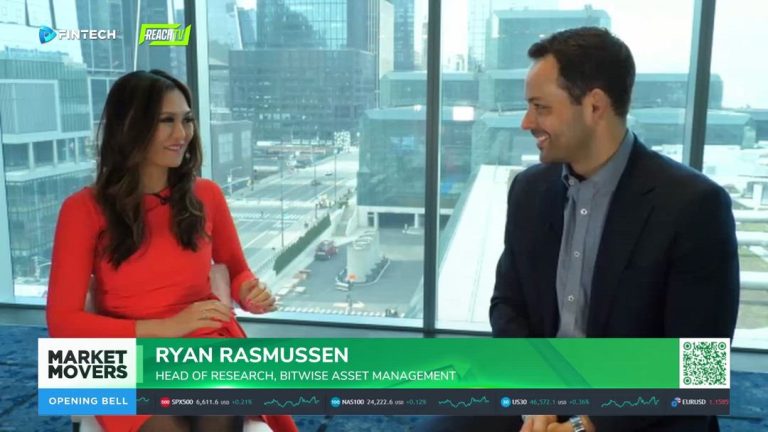
On this episode, Ryan Rasmussen, Head of Research at Bitwise Asset Management, explores how digital assets are responding in real time to a market environment shaped by geopolitical uncertainty, shifting regulation, and accelerating institutional adoption. As volatility continues across crypto, equities, and commodities, Ryan breaks down what’s behind the recent price action in Bitcoin and why Bitwise still sees the current drawdown and sideways movement as a compelling long-term opportunity for investors. He explains how Bitcoin’s role is evolving beyond short-term market swings, especially as it increasingly behaves like a 24/7 macro signal during periods when traditional markets are closed.

The discussion also dives into the structural trends Ryan believes will define the next decade of crypto growth: stablecoins, tokenization, regulatory clarity, and institutional capital flows. He explains why these three forces remain the clearest signals in an otherwise noisy market and why they could play a major role in shaping the future of financial infrastructure. The interview takes a closer look at Circle Internet Group and why Bitwise views it as one of the strongest public market plays on the stablecoin boom, even as policy debates around the Clarity Act and stablecoin yield continue to evolve. Ryan shares why regulated, institution-friendly stablecoin issuers may be especially well-positioned as governments and financial institutions move toward compliant blockchain-based payment systems.

The conversation also touches on where institutional money could flow next if regulatory momentum continues, with a strong focus on tokenized assets, stablecoin payments, and crypto investment vehicles like ETFs. Finally, Ryan walks through Bitwise’s bold long-term view on Bitcoin and why the firm believes it could reach $1 million over the next decade. From ETF adoption and fiat debasement concerns to Bitcoin’s expanding role as a store of value, this interview offers a clear look at the macro forces driving digital assets forward and why some of the biggest opportunities in crypto may still be ahead.
Self-Driving Money: How AI & Stablecoins Could Transform Finance

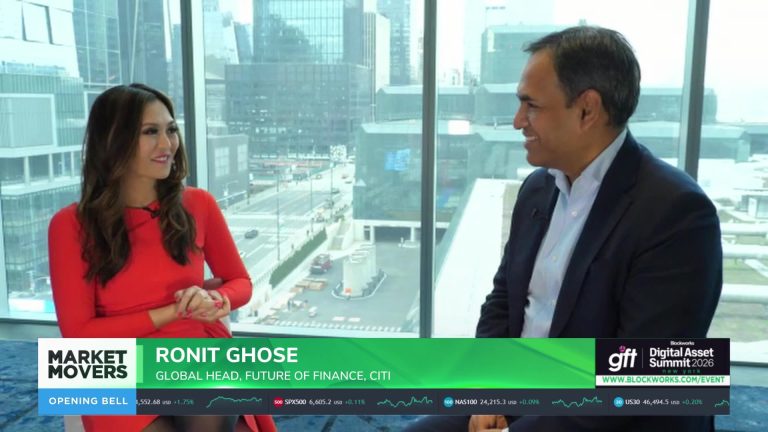
At Digital Asset Summit 2026 in New York City, the conversation is shifting from self-driving cars to something potentially even more transformative: self-driving money. In this episode, Ronit Ghose, Global Head of Future of Finance at Citi and author of Future Money, explains how the next evolution of finance could be powered by a combination of AI, stablecoins, and programmable money. Imagine a world where your money automatically pays your mortgage, rebalances your savings, orders groceries through connected devices, or even embeds compliance rules directly into every transaction. From everyday purchases to more complex financial decisions, Ronit outlines how AI agents and digital dollars could quietly take over many of the financial tasks people deal with today—making money movement more seamless, intelligent, and automated.

The discussion also dives into why this moment may represent the “ChatGPT moment” for institutional blockchain adoption. Ronit reflects on Citi’s influential Digital Dollars research and why the shift from experimentation to real-world production is accelerating. He explains how institutional interest is being driven by three major forces: client demand for more digital asset solutions, the growing opportunity to bring traditional financial assets like bonds and money market funds on-chain, and a more constructive regulatory tone emerging since late 2024. As lawmakers continue to shape the future of digital asset legislation, Ronit highlights the balancing act between innovation, compliance, and long-term infrastructure development, emphasizing that this is no longer just about hype, it’s about building the next generation of financial rails.

Looking further ahead, the conversation explores Citi’s vision for a more borderless financial system by 2030, where tokenized assets, on-chain cash, and AI-powered financial interactions become increasingly common across both consumer and institutional markets. Ronit shares why he believes this shift is not only about efficiency, but also about creating entirely new market opportunities and profit pools for banks, corporates, governments, and investors alike. Recorded live from one of the most important gatherings in digital finance, this interview offers a powerful look at where the future of money is heading and why the world of finance may soon become far more automated, connected, and intelligent than ever before.

Jargon Translator: Tokenization

0

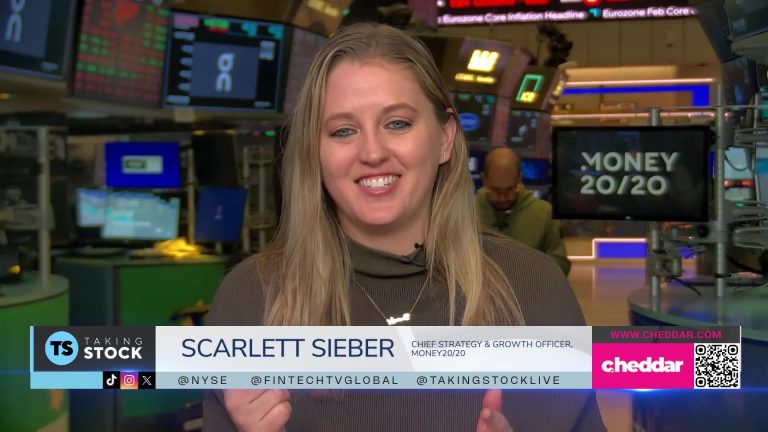
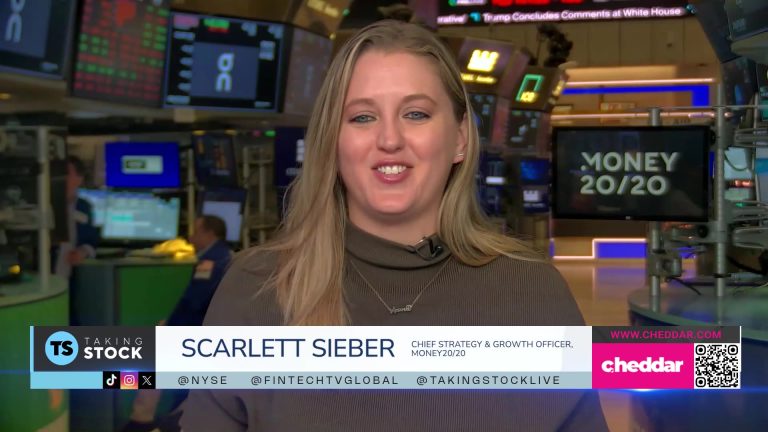
Jargon Translator, Money20/20, breaks down the finance buzzwords that sound complicated but are actually transforming the industry. In this episode, Scarlett Sieber explains tokenization and no, it’s not about arcade tokens. In finance, tokenization refers to the process of turning real-world assets like real estate, artwork, or even stocks into digital tokens on the blockchain. That means instead of needing millions to buy an entire building or masterpiece, investors can own a small fraction for a much lower amount, making high-value assets more accessible to everyday people.

Tokenization is a game changer because it opens the door to fractional ownership, faster trading, and greater transparency. By using blockchain technology, transactions can happen more efficiently with fewer intermediaries, less paperwork, and a clearer record of ownership. It’s essentially a new way of democratizing access to assets that were once reserved for institutions or the ultra-wealthy. However, while the technology is moving quickly, regulation is still catching up, which means the legal and compliance side of tokenized finance is still evolving. If you’ve been hearing more about tokenization lately, this is why it matters, it’s not just a trend, it could reshape how ownership works in the future of finance.

Bitcoin Bottom, ETF Flows & Institutional Adoption

0

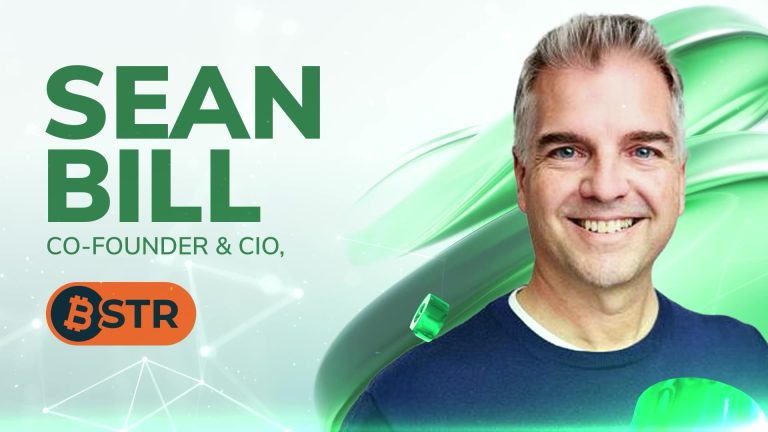
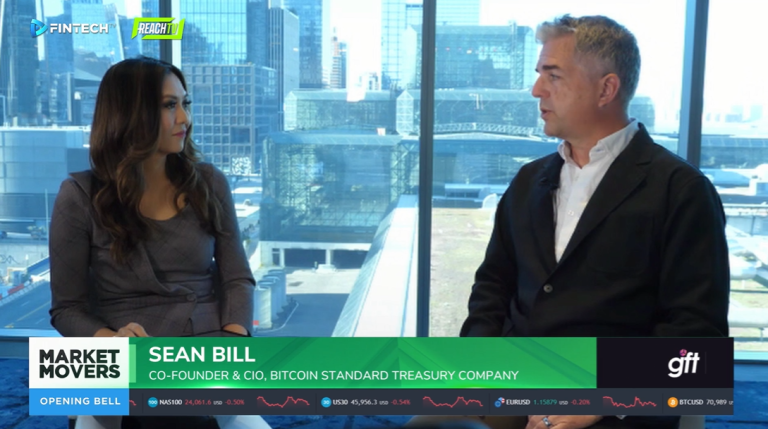
This episode features an in-depth conversation with Sean Bill, CIO and co-founder of the Bitcoin Standard Treasury Company. Against a backdrop of global market volatility impacting crypto, equities, and commodities alike, Sean breaks down the current environment shaping Bitcoin and explains how its traditional four-year cycle has influenced recent price movements from highs near $126K to lows around the $60K range. He shares insights on market behavior, including ETF outflows, retail selling pressure, and why Bitcoin may now be entering a key “bottoming zone,” with strong support levels forming and a notable divergence emerging between Bitcoin and Gold.

The discussion also dives into the growing momentum behind institutional adoption, with major players like BlackRock, Morgan Stanley, Fidelity Investments, and Charles Schwab increasingly entering the space. Sean highlights how Bitcoin ETFs are lowering barriers to entry and expanding access for both institutional and retail investors, despite ongoing debates around “paper Bitcoin.” He also reflects on his early role in institutional Bitcoin adoption and why he believes broader participation could serve as a major catalyst for long-term price appreciation.

Looking ahead, Sean offers a behind-the-scenes look at the company’s ambitious plans, including its groundbreaking Bitcoin-backed fundraising strategy raising approximately $1.4 billion through a mix of Bitcoin contributions and traditional capital markets. With roots tied to pioneers like Adam Back, the inventor of Hashcash, the firm is focused on accelerating the financialization and global adoption of Bitcoin.

The Future of Digital Assets: Adoption, Stablecoins, and M&A Trends

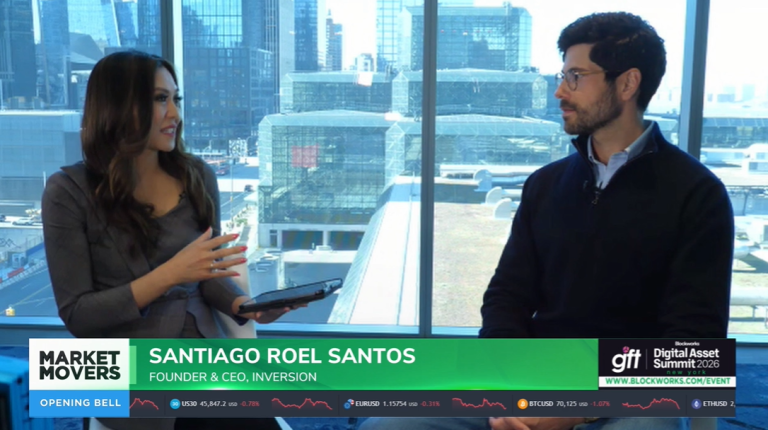
Santiago Roel Santos, the founder and CEO of Inversion, joins Remy Blaire to delve into the current state of the crypto cycle, highlighting a significant divergence in the market. While public companies like Visa, MasterCard, and Coinbase are increasingly adopting crypto technologies, token prices remain volatile and often uninvestable.

Santiago emphasizes that the real opportunity lies in investing in public companies that are embracing blockchain technology rather than in individual tokens, which he believes are overvalued. We also discuss the impact of geopolitical tensions on trading volumes, particularly with the rise of Hyperliquid and the interest in tokenized commodities.

Santiago predicts that stablecoins would become a crucial tool for businesses, especially those engaged in international trade. He notes that the adoption of stablecoins is a secular trend that will continue regardless of external factors like interest rates or geopolitical issues.

Finally, we touch on the anticipated M&A activity in the crypto space, with larger companies seeking to acquire innovative engineering teams to bolster their crypto strategies. Santiago concludes by reassuring American retail consumers that while the apps they use may not change drastically, the benefits of these technologies will manifest in lower rates and faster transactions.

Shifting Tides: The Rise of U.S. Crypto Markets and Institutional Adoption

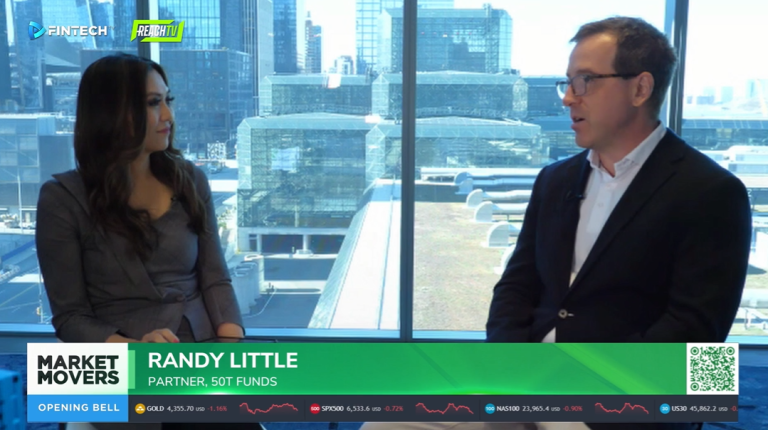
In this episode of Market Movers, we explore the shifting balance of power in the global cryptocurrency landscape. With surging institutional adoption and a more favorable regulatory environment under SEC Chair Paul Atkins, U.S. exchanges have significantly increased their spot market share, now accounting for 15% of the market. Randy Little, partner at 50T Funds, joins Remy Blaire to discuss the current state of the adoption cycle in the digital asset space.

Randy emphasizes that we are still in the early stages of adoption, despite years of anticipation regarding institutional interest. He notes that the initial phase of experimentation is yielding valuable insights into what works in the crypto space. As regulations begin to solidify, we can expect a transformative impact on traditional markets.

We also delve into the current IPO landscape for crypto companies, which has faced challenges, with many trading down significantly. However, Randy believes that Bitcoin and the broader crypto market could lead a recovery as traditional markets stabilize.

The conversation shifts to Bitcoin liquidity, which Randy describes as deeper than ever, with a growing recognition of Bitcoin as a valuable collateral asset. He anticipates that as regulatory clarity improves, financial institutions will increasingly adopt Bitcoin for various financial services.

We touch on the institutional appetite for digital assets, highlighting a focus on efficiency and liquidity, particularly through the integration of real-world assets on blockchain. Randy predicts that this foundational change will take time but will ultimately lead to significant cost reductions and the removal of intermediaries.

As we look ahead to innovations in digital assets, Randy expresses excitement about the incremental evolution of blockchain technology and stablecoins, emphasizing that while progress may be slow, the long-term impact will be profound.

Finally, we discuss the role of AI in the crypto space, with Randy noting that the technical nature of cryptocurrency makes it well-suited for AI applications. He believes we will see rapid adoption of AI within the industry, particularly in automating processes on the blockchain.

Securing the Future: How Ledger is Revolutionizing Institutional Crypto Infrastructure

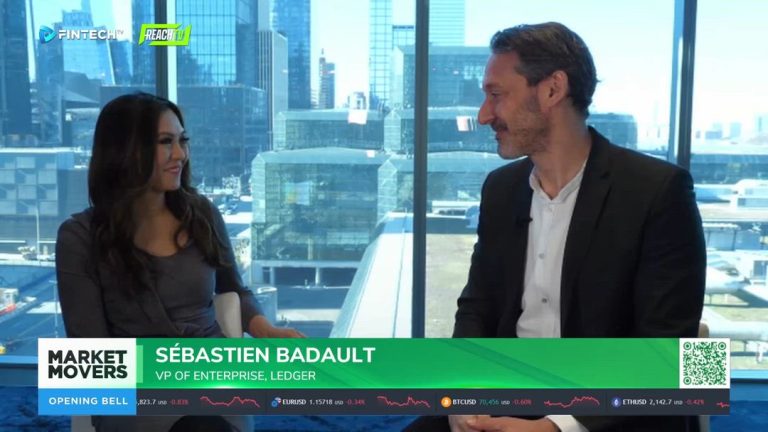
Sebastien Badault, VP of Enterprise at Ledger, joins Remy Blaire to share insights on the company’s recent opening of a New York office and the appointment of John Andrews as CFO. We dive into the exciting developments at Ledger, a leading player in crypto security, as they make significant strides on Wall Street. This move is part of Ledger’s strategy to engage more deeply with institutional investors, especially as they explore a potential U.S. IPO that could value the company at over $4 billion.

Sebastien highlights the growing demand for secure enterprise-grade infrastructure in the crypto space, particularly as traditional financial institutions are increasingly recognizing the importance of blockchain and crypto technologies. He emphasizes that many banks are now actively working on projects related to tokenization, stable coins, and custody solutions, all while waiting for clearer regulatory guidance.

We also discuss Ledger’s competitive advantage in the market, particularly in the context of emerging technologies like AI. Sebastien points out that hardware security is becoming increasingly vital, as software solutions alone cannot guarantee transaction security. He references a recent piece by Ledger’s CEO, Pascal Gauthier, which underscores the importance of hardware in securing digital transactions.

Institutional Adoption of Digital Assets: Insights from KPMG’s Greg Genega at the Digital Asset Summit 2026

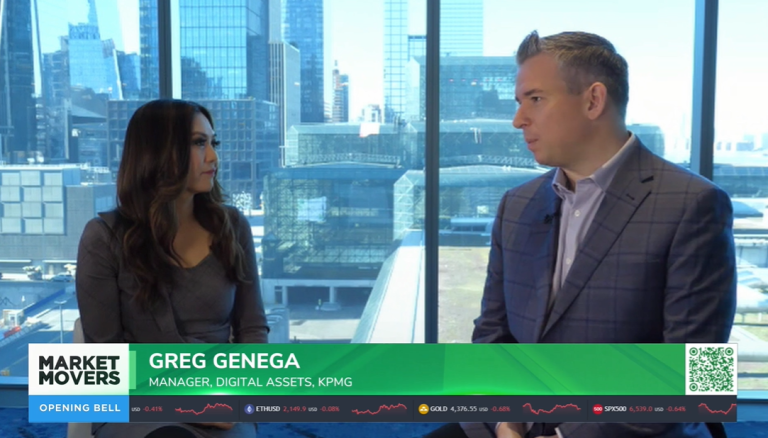
Greg Genega, Manager, Digital Assets at KPMG, joins Remy Blaire to dive into the evolving landscape of digital assets and the significant institutional adoption taking place in the crypto and blockchain space.

Greg highlights that we are currently experiencing an “institutional super cycle,” with major financial institutions actively exploring strategies around tokenization, stablecoins, and digital asset integration. He emphasizes the maturity of blockchain technology, particularly smart contracts, which have proven to be robust over the past decade. Regulatory developments, such as the passing of the Genius Act and the anticipated Clarity Act, are also encouraging financial institutions to experiment with blockchain solutions.

We discuss the importance of governance, risk management, and compliance as institutions navigate this new landscape. Greg points out that KPMG has been supporting the digital asset industry for ten years, employing experts and proprietary technology to help clients manage security and custody risks effectively.

Additionally, we touch on the role of artificial intelligence in agentic commerce. He notes the advancements in generative AI and the need for improved security measures before fully trusting these systems for autonomous transactions.

Finally, we explore how blockchain serves as a permissionless settlement layer, allowing anyone with internet access to participate in the global financial system without intermediaries. This aspect makes blockchain particularly appealing for agentic commerce, where traditional KYC requirements may not apply.

Bitcoin’s Resilience: Analyzing the Recent Rally and Market Dynamics

In this episode of Market Movers, we dive into the recent Bitcoin rally, which saw prices surge above $71,700 amidst geopolitical tensions, particularly regarding U.S. strikes on Iran. Despite reports of potential diplomatic progress, Iran’s foreign ministry denied any such claims, yet Bitcoin managed to reach a weekly high near $71,800. Sean Bill, CIO and co-founder of the Bitcoin Standard Treasury Company, joins Remy Blaire to provide valuable insights into the current market environment, emphasizing that the recent price spike was likely driven by short positions being forced out rather than new investments.

Sean discusses the cyclical nature of Bitcoin, noting that we might be in a bottoming phase around $60,000, with a divergence between Bitcoin and gold prices. He highlights the growing institutional interest in Bitcoin, noting his 2019 pioneering efforts to recommend Bitcoin allocations for public pension funds, which have since been echoed by major firms like BlackRock and Morgan Stanley.

We also explore the implications of Bitcoin ETFs for retail investors, with Sean explaining how these financial products could broaden access to Bitcoin for those who may be hesitant to hold it directly. As we look ahead, Sean shares exciting developments regarding his organization’s plans to go public and the significant fundraising efforts they’ve undertaken.

Finally, we address common myths surrounding corporate Bitcoin adoption, with Sean advocating for Bitcoin as a hedge against inflation and the devaluation of the dollar.

How Fintechs Make Money: Stax

0

In this episode, we take a closer look at Stax, the payments processor that flipped the traditional model on its head. Instead of charging a percentage on every transaction, Stax offers a subscription-based approach where businesses pay a flat monthly fee and get 0% markup on interchange, plus a small per-transaction cost. Alongside this pricing model, merchants gain access to a full suite of tools including invoicing, payment links, hosted checkout, and analytics making it especially attractive for high-volume businesses. So how does Stax generate revenue? Primarily through tiered monthly subscriptions based on processing volume, per-transaction fees, and additional services like ACH processing, chargeback protection, surcharging programs, and hardware solutions. The company has strengthened its position through strategic acquisitions like Payment Depot and CardX, expanding both distribution and compliance capabilities. Its competitive edge lies in transparency and predictability offering merchants a clear cost structure and scalable pricing without hidden percentage fees. By combining software, payments, and compliance into one platform, Stax turns payment processing into a more predictable and cost-efficient experience, building long-term loyalty in the process.