[stock-market-ticker symbols=" ^NYA;CRYPTO:BTC;CRYPTO:ETH;CRYPTO:USDT;CRYPTO:USDC;CRYPTO:BNB;CRYPTO:ADA;CRYPTO:XRP;CRYPTO:SOL;CRYPTO:DOGE " stockExchange="NYSENASDAQ" width="100%" transparentbackground=1 palette="financial-light"]

Home Blog Page 5

Policy as Infrastructure: How The UAE’s Regulatory Framework is Fueling Fintech Innovation

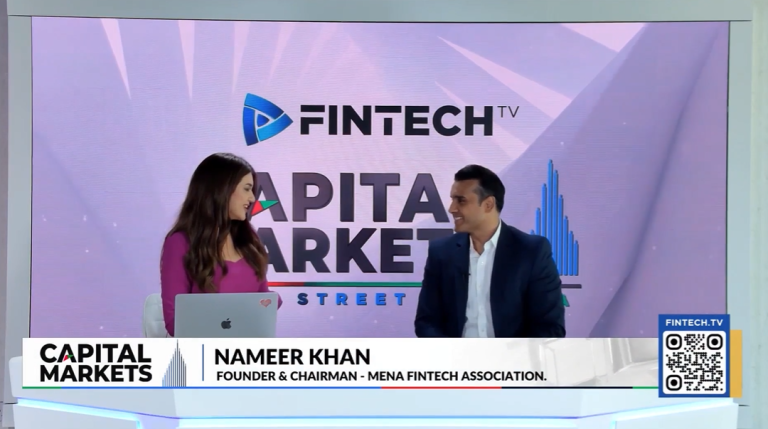
Nameer Khan, founder & Chairman of the MENA Fintech Association, joins Ragdha Ibraheem to have conversation on the origins of the association, which was established around eight years ago to create an unbiased platform that fosters collaboration among regulators, policymakers, and fintech founders. Nameer emphasizes the importance of aligning these stakeholders to drive growth in the sector.

They also discuss the exciting partnership between FINTECH.TV and the MENA Fintech Association, highlighting the region’s current fintech market valuation of approximately $6.35 billion, with projections to reach over $11 billion by 2031. Nameer points out that while the region has made significant strides, there is still untapped potential, and a strong narrative is essential to communicate the opportunities available.

The conversation shifts to fintech investment trends, noting that while initial capital was directed towards consumer-facing platforms, there is now a noticeable shift towards investing in infrastructure. Nameer stresses the importance of understanding revenue generation for young fintechs and the competitive advantage that the UAE’s regulatory framework provides, particularly its openness to feedback from innovators.

Finally, Nameer offers valuable advice for fintech leaders and policymakers: to truly understand the market, one must engage deeply with its operations. He acknowledges the sophistication of investors in the region and the critical role they play in enhancing the quality of founders.
Inteligencia artificial: entre las advertencias de Anthropic y los miles de millones de Wall Street

0

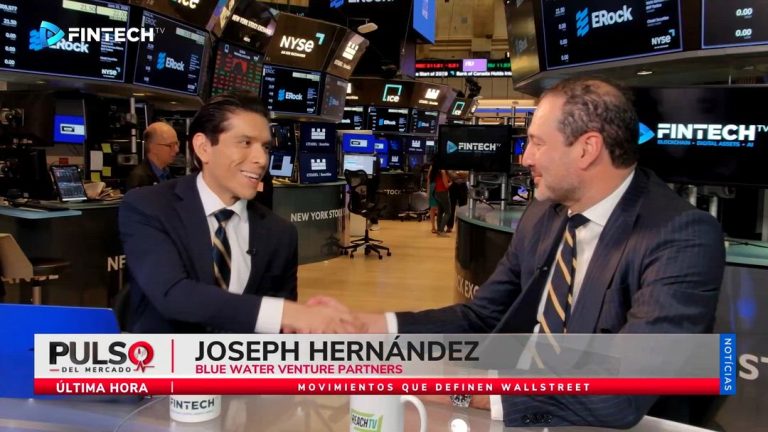
Anthropic advirtió esta semana que los modelos de inteligencia artificial están evolucionando a un ritmo que podría superar las expectativas de muchos expertos — incluyendo los riesgos de sistemas capaces de mejorarse a sí mismos. Al mismo tiempo, Wall Street se prepara para una nueva ola de IPOs relacionados con IA, con OpenAI y potencialmente Anthropic entre los candidatos. ¿Cómo se explica esa combinación de advertencias y miles de millones de dólares? Joseph Hernández, de Blue Water Venture Partners, analiza la paradoja.

How Stablecoins Could Cut Remittance Costs and Expand Financial Access Worldwide

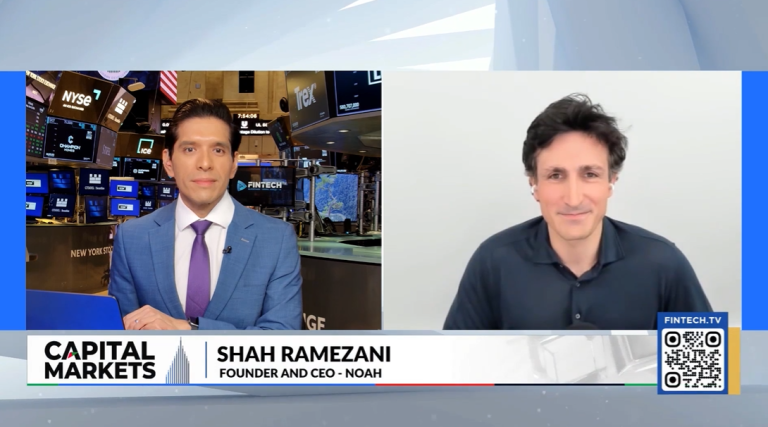
Shah Ramezani, the founder and CEO of Noah, joins Johny Fernandez to dive into the world of stablecoins and their transformative potential for payment infrastructures, particularly in the UAE. Noah provides stablecoin payment solutions to businesses in over 70 countries.

Shah explains that stablecoins are essentially digital dollars that operate on a digital asset rail, allowing for quick and cost-effective transactions. This is especially relevant in the UAE, which has a high concentration of expat workers sending money back home to regions like South Asia and Africa. The adoption of stablecoins in emerging markets is on the rise, driven by the need for a more stable currency in countries with inflationary currencies.

They also discuss the UAE’s proactive approach to crypto regulation, which has created a clearer risk profile for users and facilitated international banking partnerships. This regulatory clarity is crucial for increasing adoption and trust in stablecoins.

Shah shared Noah’s vision of making dollar access easier and more affordable for users worldwide, aiming to reduce the high costs associated with cross-border payments. With predictions that the stablecoin market cap will grow significantly in the coming years, Noah is well positioned to play a key role in enhancing financial freedom and efficiency in remittances.

Bitcoin Faces ‘Silent Bear Market’ as Fed Risks and Treasury Pressures Weigh on Crypto

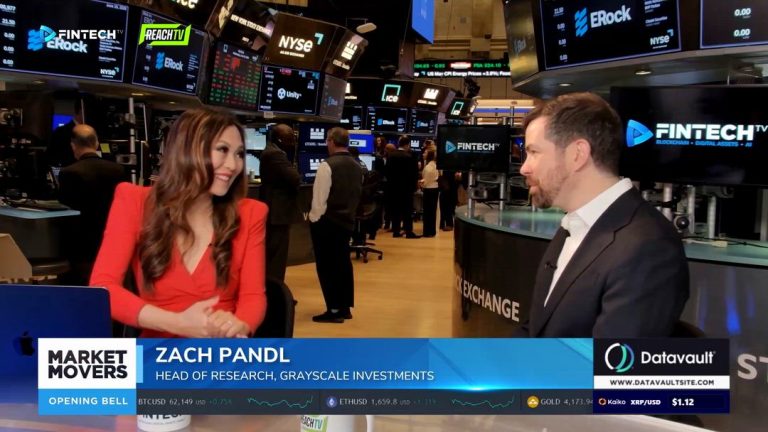
Zach Pandl, Head of Research at Grayscale Investments, joins Remy Blaire to dive into the current state of Bitcoin and the broader cryptocurrency market. They discuss Bitcoin’s recent struggles, including its drop below the $60,000 mark and its 200-week moving average, which some analysts are interpreting as signs of a “silent bear market.”

Zach highlights two main challenges facing Bitcoin: macroeconomic factors, particularly the Federal Reserve’s potential interest rate hikes, and the pressures on digital asset treasuries, such as those held by companies like MicroStrategy. They also touch on the recent consumer price inflation figures and the geopolitical situation in the Middle East, both of which are influencing market sentiment.

A significant part of the conversation revolves around the importance of regulatory clarity in the digital asset space. Zach expresses optimism about the Clarity Act making progress in the U.S. Senate, which could unlock new use cases for blockchain technology. They also explore the growing interest in tokenization and how it is transforming capital markets, with institutional investors beginning to engage more seriously in this space.

As they look ahead, they discuss the upcoming SpaceX IPO and its implications for Bitcoin as a corporate treasury asset. Zach emphasizes the innovative nature of Hyperliquid and its potential impact on the financial landscape, particularly with the introduction of perpetual futures.

Finally, they compare the technological advancements of Ethereum and Solana, noting their differing priorities in terms of performance and security. Zach concludes that both types of blockchains are essential for a diversified crypto portfolio.

Investors Brace for CPI Report as SpaceX IPO Fuels Portfolio Repositioning: Insights From Melissa Otto

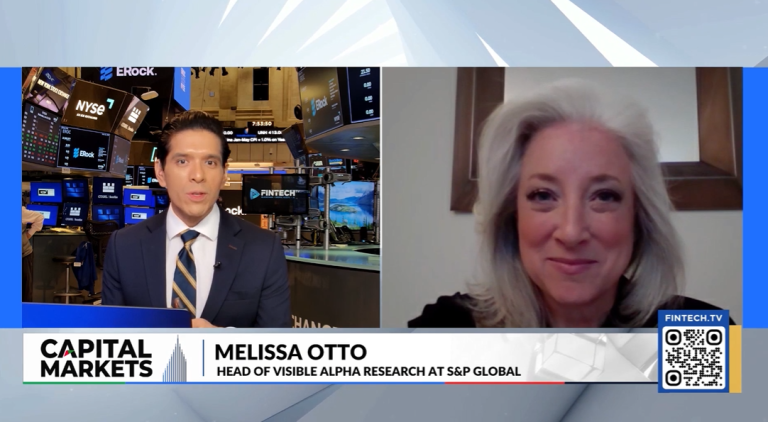
Melissa Otto, Head of Visible Alpha Research at S&P Global, joins Johny Fernandez to discuss the current state of the markets. They explore the various factors influencing investor sentiment, including economic data, earnings expectations, interest rates, and geopolitical risks.

Melissa highlights the significant liquidity event surrounding the upcoming SpaceX IPO, which is expected to have a substantial impact on the market, with $75 billion in play. This event is causing investors to reallocate their portfolios, leading to potential volatility. They also touch on the ongoing conflict in the Middle East, which continues to create uncertainty and mixed signals regarding ceasefires, further complicating the market landscape.

With the Consumer Price Index (CPI) data to be released, Melissa emphasizes the persistent inflationary pressures that could influence Federal Reserve policy and interest rates. They discuss how these economic factors, alongside the SpaceX IPO, are shaping investor behavior and risk appetite.

Do Centralized Real World Assets on DeFi Break Ethereum? – Bits + Bips

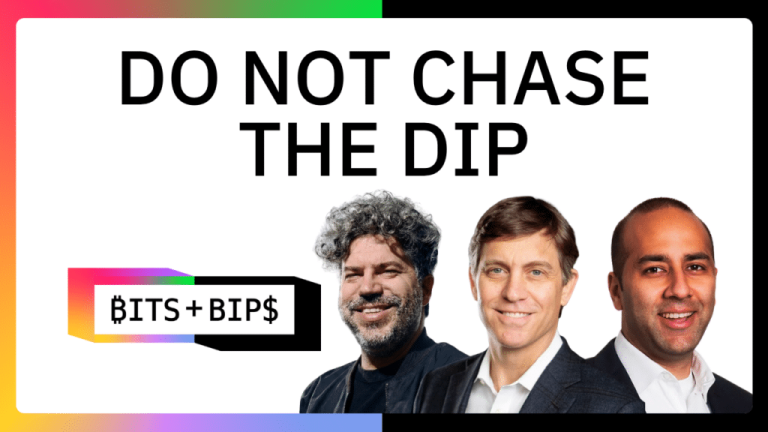
Bond market tightening has become the invisible hand constraining every policy decision, from Iran talks to stimulus spending. With Brent crude at $107 and the 10-year yield climbing, asset prices face a cascade of headwinds: inflationary supply shocks, tightening financial conditions, and no clear off-ramp for a conflict that the IRGC shows no appetite to negotiate. Yet within crypto, a sharper debate is emerging: does institutional adoption demand Canton’s permissioned structure, or can Ethereum survive with real-world assets on a permissionless layer? Austin, Ram, and Chris dig into the structural fault lines that the macro backdrop is now exposing, and why market-timing in a conflict where you don’t know who the endgame negotiator is may be the wrong frame entirely.

Unlocking Africa: How Digital Finance Can Empower Egyptian MSMEs

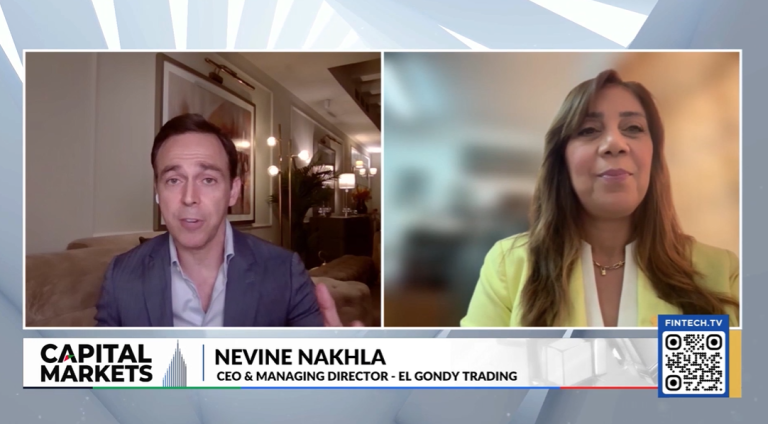
Dr. Nevine Nakhla, CEO and Managing Director at El Gondy Trading, joins Bassel Sabri to discuss the evolving landscape of Egypt-Africa trade relations, particularly in the context of digital finance and its potential to transform small Egyptian businesses into regional exporters.

Dr. Nakhla highlights the significance of the African Continental Free Trade Area (AfCFTA), which aims to create the world’s largest free trade zone, encompassing 54 countries. They explore the various challenges that MSMEs face when attempting to export, including credibility, market access, logistics, and financing. Dr. Nakhla emphasizes the importance of capacity building, product readiness, and understanding market specifications to ensure that Egyptian businesses are export-ready.

They also delve into the role of digital trade platforms and cross-border payment systems, such as the Pan-African Payments and Settlement System (PAPSS), in facilitating smoother transactions and reducing reliance on hard currency. Dr. Nakhla explains how initiatives under the AfCFTA are addressing the trade finance gap and providing support for MSMEs to navigate the complexities of international trade.

Why Wrapped Energy or Compute Will Be the New Store of Value: Bits + Bips

Iranian cruise missiles struck commercial vessels in the Strait of Hormuz, Brent jumped 5%, and Bitcoin broke through $80 — all in the same day. The Bits + Bips crew unpacks what the escalation means for crypto and macro positioning, why Ram stays bullish, and whether Paul Tudor Jones is right that Bitcoin is now the best inflation hedge. They also break down the Clarity Act’s yield compromise — with Circle up 16% — and why Austin argues banks may have handed asset managers a structural win. Finally, a U.S. court filing targeting Arbitrum’s frozen North Korean funds raises a bigger question: can you serve legal papers on code, and what does that mean for DAO governance? Austin Campbell, Ram Ahluwalia, and Chris Perkins break it all down.

Uneasy Money: How the Increasingly Better AI Agents Are Being Used Onchain

Vitalik Buterin just dropped a bombshell: the L2 vision no longer makes sense. Meanwhile, AI coding agents are going parabolic. In this monster episode of Uneasy Money, Ethereum Foundation Head of Developer Growth Austin Griffith and Optimism co-founder Karl Floersch join hosts Kain Warwick and Taylor Monahan to unpack the reasoning behind Vitalik’s remarks and debate whether Ethereum needs L2s to pull institutions. They also take a deep dive into the OpenClaw and Moltbook craze and Austin shares how he has different agents running on different machines, including one that texts his wife good morning everyday. Is “AI the new UI?”

Bits + Bips: How Bitcoin Is Both a Risk Asset and a Hedge Against Debasement

Charles Schwab recently hired Jim Ferraioli to build a dedicated crypto research team, a signal that institutions are moving beyond narrative-driven investing and are taking this asset class seriously. In this episode, Steven Ehrlich sits down with Jim to explore how traditional finance valuation frameworks apply to crypto. They discuss Bitcoin’s role as a hedge against monetary debasement (not a safe haven), Jim’s cost-of-production model for valuing Bitcoin, and why Ethereum’s dominance in tokenization matters far more than short-term price action. Most compellingly, Jim argues that today’s Bitcoin prices sit at historical support levels used by the most efficient miners, and that Ethereum’s position as the tokenization standard is nearly unshakeable. If you’ve been waiting for crypto analysis grounded in fundamentals rather than hype, this is the conversation to hear.