[stock-market-ticker symbols=" ^NYA;CRYPTO:BTC;CRYPTO:ETH;CRYPTO:USDT;CRYPTO:USDC;CRYPTO:BNB;CRYPTO:ADA;CRYPTO:XRP;CRYPTO:SOL;CRYPTO:DOGE " stockExchange="NYSENASDAQ" width="100%" transparentbackground=1 palette="financial-light"]

Home Blog Page 44

Market Resilience: Analyzing Wall Street’s Response to Geopolitical Tensions and Earnings Season

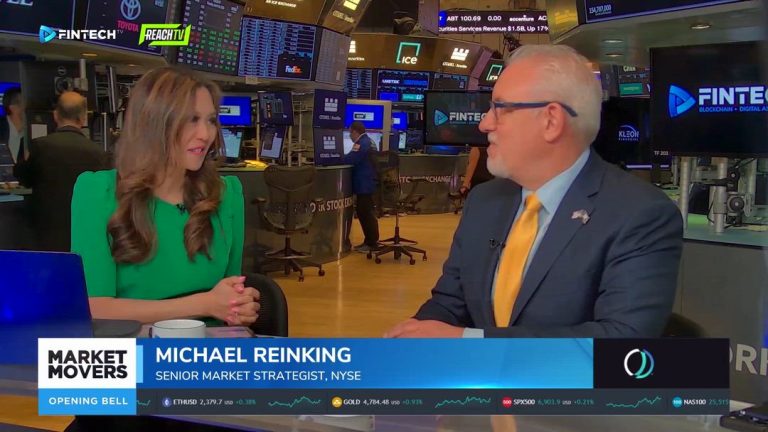
Michael Reinking, Senior Market Strategist at the New York Stock Exchange, joins Remy Blaire to discuss the recent uptick in U.S. equities, which are set to open higher, following positive news regarding potential peace talks with Iran. This is despite ongoing geopolitical tensions and a naval blockade in the Strait of Hormuz.

They explore the latest wholesale inflation figures, which came in better than expected, and how the market is responding to these numbers amid concerns about rising energy prices. Michael emphasizes the importance of monitoring the situation in the Middle East, particularly regarding the ceasefire and its impact on oil prices.

As we kick off earnings season, they focus on the key takeaways from major banks like Goldman Sachs. Michael notes that S&P 500 earnings are expected to grow by 12-13% year-over-year, marking the sixth consecutive quarter of double-digit growth. He highlights the resilience of the consumer and business spending, while also addressing some disappointments in fixed income and commodities trading.

They also discuss the recent recovery of the S&P 500 and the factors contributing to this rebound, including the reset of market positioning and ongoing hopes for a diplomatic resolution to geopolitical tensions.

Finally, they turn their attention to the tech sector, where we see contrasting performances between hardware and software companies. While hardware has driven earnings increases, software firms are grappling with AI-related anxieties. Michael shares insights on what to watch for in upcoming earnings reports, particularly regarding spending and investment in technology.
Rewiring Financial Markets: Transforming Wall Street with Blockchain Technology

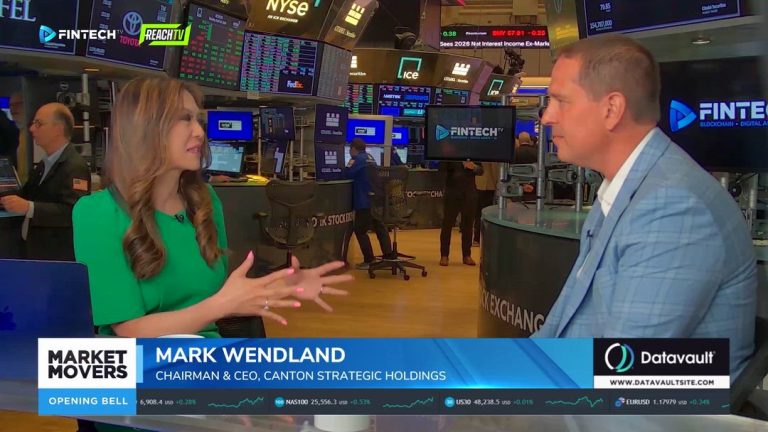
Mark Wendland, Chairman and CEO of Canton Strategic Holdings, joins Remy Blaire to discuss the evolving landscape of financial markets. They discuss the challenges posed by the fragmented financial plumbing that has long plagued Wall Street, leading to settlement delays and the need for institutions to lock up significant capital to manage counterparty risk.

Mark emphasizes the importance of adapting blockchain technology to meet the regulatory requirements of traditional finance (TradFi) while also integrating decentralized finance (DeFi). He highlights the need for configurable privacy within blockchain systems to protect sensitive information while still allowing regulators access to necessary data.

They explore the concept of “walled gardens” in banking, where institutions create siloed networks to maintain control. Mark explains that while this is a step forward, true innovation will come from interoperability across these networks, allowing for a more connected financial ecosystem.

The conversation also touches on the tokenization of real-world assets, with Mark predicting faster adoption than previously anticipated. He notes recent developments, such as the New York Stock Exchange and DTC’s initiatives to tokenize treasuries, as key milestones in this journey.

Finally, they discuss the delicate balance between regulation and innovation in the U.S. financial markets. Mark believes that while the groundwork has been laid, further coordination across jurisdictions is essential for the next phase of innovation.

Accuracy in Prediction Markets: A Game Changer for Polling and Forecasting

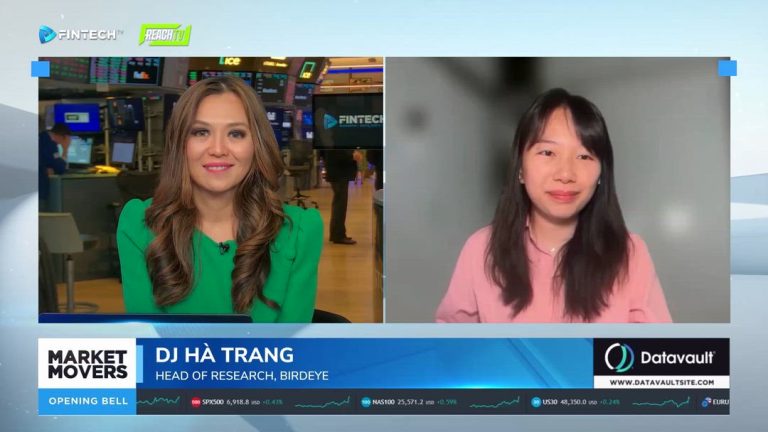
In this episode of Market Movers, Remy Blaire and DJ Hà Trang, the Head of Research at Birdeye discuss the growth of prediction markets, despite facing some legal challenges. DJ Hà Trang discusses the impressive growth metrics, including an all-time notional volume exceeding $150 billion and a 13-fold increase in volume over the past six months.

DJ Hà Trang highlights two key drivers of this growth: increased institutional adoption and the superior accuracy of prediction markets compared to traditional polling methods. They also explore the significant roles of major players like PolyMarket and Kalshi, which account for 79% of total market volume, and the emerging activities in blockchain ecosystems such as BASE and BNB Chain.

A crucial part of the discussion centers on the infrastructure supporting these markets, particularly the role of decentralized oracles like Chainlink. DJ Hà Trang explains how these oracles enhance the resolution mechanisms of prediction events, ensuring accuracy and reliability.

They also touch on the impressive accuracy rates of prediction markets, with an average of 90.8% of markets reaching the correct resolution well before the event concludes. DJ Hà Trang emphasizes that as liquidity increases, prediction accuracy also rises, making these markets increasingly valuable for institutional risk management.

Rising Inflation and Gas Prices Put U.S. Economy Under Pressure Amid U.S.-Iran Tensions

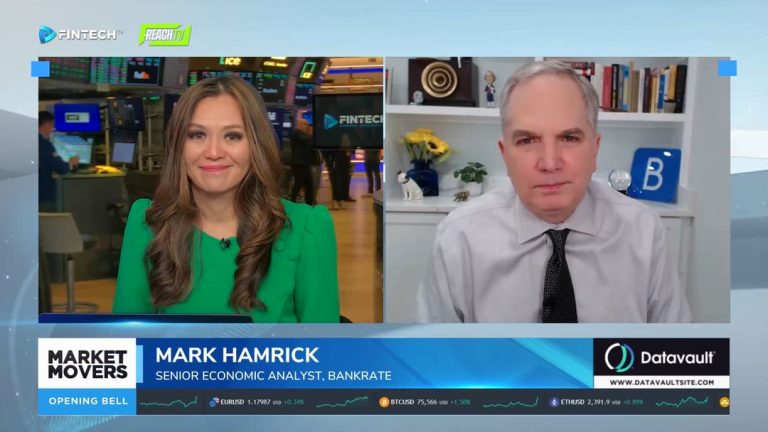
Mark Hamrick, Senior Economic Analyst at Bankrate, joins Remy Blaire to discuss the current state of the U.S. economy, which is undergoing a significant stress test due to rising consumer inflation and surging gasoline prices, largely influenced by the ongoing war in Iran. They discuss the latest data on wholesale inflation, with the Producer Price Index (PPI) reaching its highest level in three years, and the implications of these economic shifts on consumer sentiment and the housing market.

Mark provides valuable insights into how the geopolitical situation is affecting economic growth in the U.S. He emphasizes the uncertainty surrounding the war’s impact and the potential for inflation to persist as supply chain disruptions continue. While recession risks have increased, Mark notes that the U.S. economy has shown resilience, with varying effects across different consumer segments.

They also explore the housing market, where home sales have dropped despite record-high home prices. Mark highlights the need for more inventory to unfreeze the market and discusses the factors influencing home sales, including life cycle changes and the current mortgage rate environment.

Bitcoin Stability, Altcoin Growth & Institutional Moves 

0

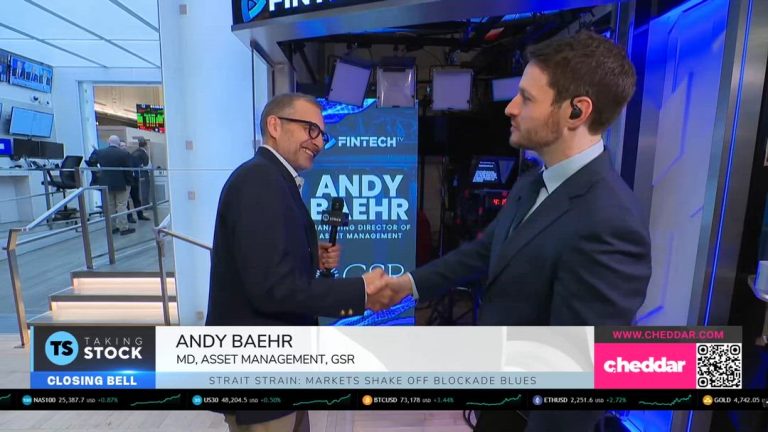
Andy Baehr, now Managing Director of Asset Management at GSR, joins the show to break down the latest moves in both equities and crypto following a strong market rally. He highlights how Bitcoin is currently testing the top of its recent range after weeks of sideways movement, with notable strength also seen in Ethereum and Solana. Despite recent volatility, Andy points out that crypto markets have remained resilient, even as broader macro conditions and geopolitical concerns continue to weigh on investor sentiment.

A key theme in the conversation is Bitcoin’s evolving role as a macro asset, increasingly behaving as a “safe haven” within the crypto space. Andy explains that during uncertain periods, investors tend to rotate into Bitcoin, while assets like Ethereum and Solana act more like growth plays benefiting when market sentiment shifts toward risk-on. He also emphasizes that major trends like tokenization and stablecoins are more closely tied to layer-one blockchains, reinforcing their importance in driving future innovation and adoption within the ecosystem.

The discussion also touches on growing institutional interest, including new ETF developments from Morgan Stanley, which signal a shift toward long-term crypto allocation rather than short-term trading. Andy views this as a major milestone for the industry, highlighting how large asset managers are increasingly treating crypto as a core portfolio component. He also shares insights into GSR’s evolution from early market-making for projects like XRP to building a full-service crypto platform and his excitement about leading its asset management division as the space continues to mature.

Markets Bounce Back: Expert Strategy for Volatility & Earnings Season 

0

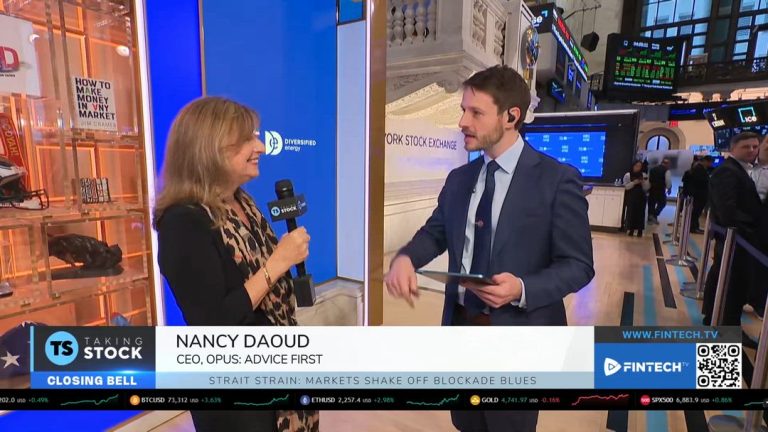
Nancy Daoud, Private Wealth Advisor at Ameriprise Financial, joins the conversation to break down a surprisingly strong day on Wall Street, where markets closed up despite early uncertainty. She describes the current environment as “topsy-turvy,” driven largely by geopolitical tensions, but emphasizes a consistent message to clients: stay the course. Drawing from recent market swings, Nancy highlights how missing even a single strong trading day can significantly impact long-term returns, reinforcing the importance of patience and disciplined investing during volatile periods.

She also shares insight into what investors are most concerned about right now, security and stability. Whether clients are building wealth or already in retirement, their biggest question is whether they’ll be okay. Nancy advises that those relying on income should keep at least three years’ worth of cash or money market funds set aside to weather market volatility, ensuring stability regardless of short-term fluctuations. This approach helps investors avoid making emotional decisions in uncertain times.

Looking ahead, all eyes are on earnings season, kicked off by major players like Goldman Sachs, with more reports expected from companies such as Netflix and PepsiCo. Nancy notes that while expectations for Q1 earnings are strong, market reactions will depend heavily on whether companies meet or exceed those expectations. She also points to a healthier, more diversified market beyond just tech giants, with growing momentum in sectors like AI. Despite ongoing uncertainty, she remains optimistic about long-term growth, especially once geopolitical tensions ease.

Rising Oil Prices Push U.S. Inflation Higher as Energy Costs Surge 21%

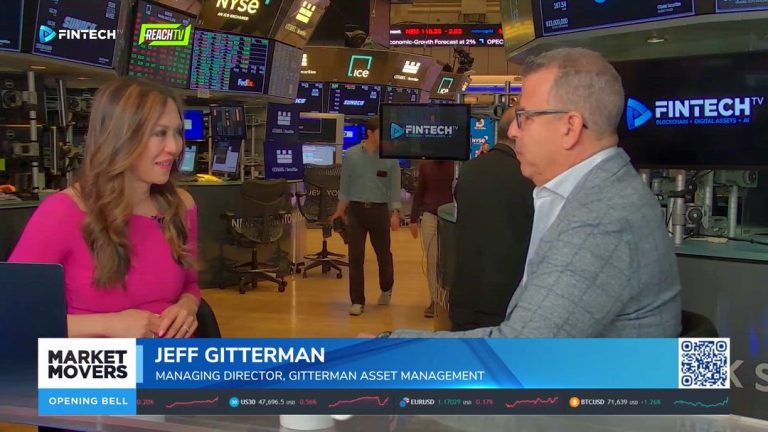
Jeff Gitterman, Managing Director of Gitterman Asset Management, joins Remy Blaire to discuss the impact of rising oil prices on consumer inflation in the U.S., with March’s Consumer Price Index (CPI) hitting 3.3% year-over-year. They discuss the ongoing conflict in the Middle East, which the International Energy Agency (IEA) has labeled the greatest global energy security challenge in history, and its implications for oil supply and prices.

Jeff provides insights into how these rising costs are affecting various sectors, including travel and agriculture. He highlights the critical role of the Strait of Hormuz in global supply chains, particularly for essential resources like fertilizer and helium, and warns of potential food shortages if the situation persists.

They also touch on the expected extreme hurricane season and its potential effects on crop yields and insurance costs, predicting a possible inflation increase of 5-6% by early next year. Jeff shares his thoughts on the Federal Reserve’s position amid these inflationary pressures and the risk of stagflation, where we could see rising prices alongside stagnant economic growth.

Finally, they discuss investment strategies in light of current market volatility. Jeff recommends focusing on hard assets, such as rare earth metals and sustainable infrastructure, while advising caution with technology investments due to ongoing challenges in chip manufacturing.

Navigating the SaaS-pocalypse: Winners and Losers in the AI Revolution

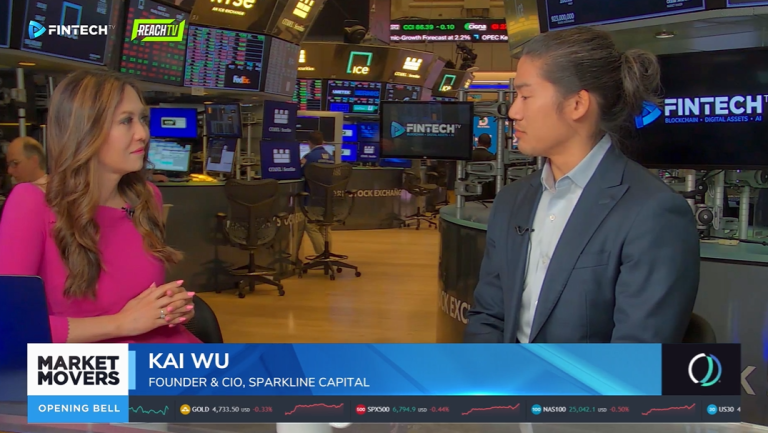
Kai Wu, founder and Chief Investment Officer of Sparkline Capital, joins Remy Blaire to discuss the state of the tech market in 2026. Kai provides valuable insights into the ongoing “SaaS-pocalypse” affecting legacy software stocks, which have seen dramatic declines due to fears of AI disruption.

Kai discusses the recent shift in market sentiment, highlighting how the Magnificent Seven tech stocks have underperformed while smaller-cap names have fared better. Kai explains that the sell-off in traditional software stocks can be viewed as a normalization of expectations after a period of elevated valuations. Despite the challenges, he believes there are still opportunities to identify strong companies that can adapt to the changing landscape.

They also explore the implications of the AI revolution, comparing it to past technological shifts like the advent of the internet and railroads. Kai emphasizes the importance of understanding the AI value chain and how companies are leveraging AI to drive returns on investment. Kai raises critical questions about which companies are poised to succeed in this new environment and which may struggle to adapt.

With earnings season, they discuss the key metrics and guidance to watch for, particularly regarding AI adoption and its impact on company performance. Kai advises investors to focus on company-level stories and the potential for AI to enhance productivity across various sectors.

The conversation ends on a positive note, with Kai expressing his bullish outlook on AI’s transformative potential for the economy and society. He shares his personal experiences with AI tools that have significantly boosted productivity in his work.

Stablecoins Gain Momentum as Key Tool for Global Payments and Financial Inclusion

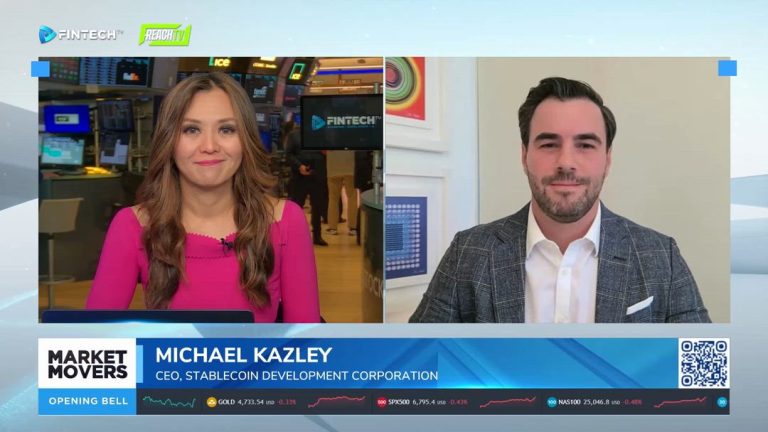
Michael Kazley, CEO of Stablecoin Development Corporation, joins Remy Blaire to dive into the current state of the crypto market. With the equity markets closed over the weekend, crypto reacted quickly, following announcements from key political figures. Bitcoin has remained below the $80,000 mark for over two months.

Mike shares his insights on how the macroeconomic environment, including inflation and regulatory developments, is influencing digital assets. He emphasizes the shift in the crypto market from speculation to more sustainable business models, highlighting the importance of institutional adoption.

They also discuss the growing significance of stablecoins, particularly in facilitating cross-border payments and remittances in developing countries. Mike points out the Genius Act, which aims to regulate stablecoins in the U.S., signaling their potential role in the broader digital financial infrastructure.

Mike notes the ongoing battle for control over digital money among nations and banks. He believes that stablecoins are here to stay and will evolve to serve various financial services, including trading and payments.

Finally, they touch on the future of digital asset businesses, particularly those focused on yield-bearing stablecoins. Mike highlights the potential for growth in this niche, as only a small portion of stablecoins currently offer yield.

Markets Defy Geopolitical Tensions as the S&P 500 Rebounds and Nasdaq Surges Past Pre-Conflict Levels

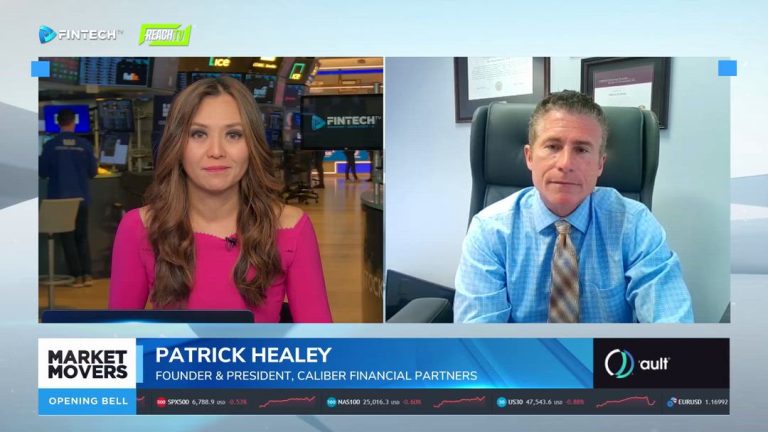
Patrick Healey, founder and President of Caliber Financial Partners, joins Remy Blaire to discuss the current state of the U.S. stock market. Despite lower stock futures, the S&P 500 has shown resilience, recovering nearly all its losses since the conflict began, while the Nasdaq has surpassed its pre-conflict levels. They discuss the looming risks, including elevated oil prices, persistent inflation, and the delayed Federal Reserve interest rate pivot as we enter earnings season, where corporate profits are expected to rise by about 14%.

They explore the strong earnings reports from major banks and the impact of the ongoing conflict on market volatility. Patrick expresses surprise at the market’s resilience, especially in light of recent announcements regarding a blockade that could drive oil prices higher.

They also take a closer look at the tech sector, particularly the Mag 7 companies, which have been pivotal in the bull market. Patrick believes that concerns about heavy spending and debt are overblown, as these companies possess strong balance sheets and significant free cash flow.

As we navigate a 24-hour geopolitical news cycle, they discuss the potential of tokenized stocks and round-the-clock trading to mitigate volatility in traditional markets. Patrick highlights the importance of upcoming legislation, particularly the Clarity Act, and its implications for the crypto sector, noting that failure to pass this legislation could lead to a sell-off in the crypto market.

Finally, they touch on the upcoming IMF-World Bank spring meeting and the need for clarity from the Federal Reserve, especially given the confirmation of incoming Fed Chair Kevin Warsh.