[stock-market-ticker symbols=" ^NYA;CRYPTO:BTC;CRYPTO:ETH;CRYPTO:USDT;CRYPTO:USDC;CRYPTO:BNB;CRYPTO:ADA;CRYPTO:XRP;CRYPTO:SOL;CRYPTO:DOGE " stockExchange="NYSENASDAQ" width="100%" transparentbackground=1 palette="financial-light"]

Home Blog Page 35

Wall Street Surges to 6-Year High as $700B AI Boom Fuels Market Rally

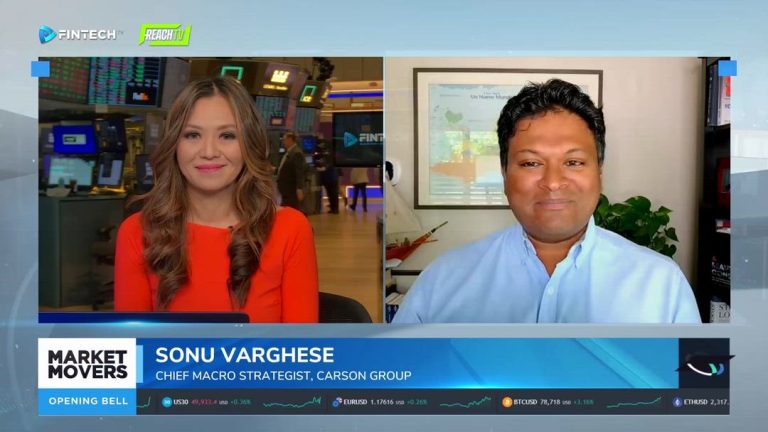
Sonu Varghese, Chief Macro Strategist at Carson Group, joins Remy Blaire to discuss the recent performance of Wall Street, which just experienced its best month in six years despite challenges such as a divided Federal Reserve, persistent inflation, and ongoing geopolitical tensions in the Middle East. A significant factor driving this performance is a massive $700 billion AI spending spree by big tech companies, which is reshaping the U.S. economy.

However, they also note that not all tech giants are benefiting equally, with companies like Microsoft and Meta facing stock declines due to their data center investments. Sonu and Remy explore the dynamics of the stock market, highlighting that while the S&P 500 is up nearly 6% year-to-date, profit growth is the primary driver behind this rise, despite a contraction in earnings multiples.

They delve into the latest GDP figures, which show a strong annualized growth rate of 5.6% in Q1, indicating a robust economy. Additionally, they discuss the implications of the Federal Reserve’s recent decisions, particularly with Jerome Powell’s term ending soon and the potential for interest rates to remain unchanged for the rest of the year. Powell’s decision to stay on the committee is seen as a move to maintain the Fed’s independence amid political pressures.

As they wrap up, they acknowledge the complexities of inflation, which is being influenced not only by energy prices but also by AI-related bottlenecks.
Revolutionizing Brain Cancer Treatment: Insights from Dr. Marc Hedrick of Plus Therapeutics

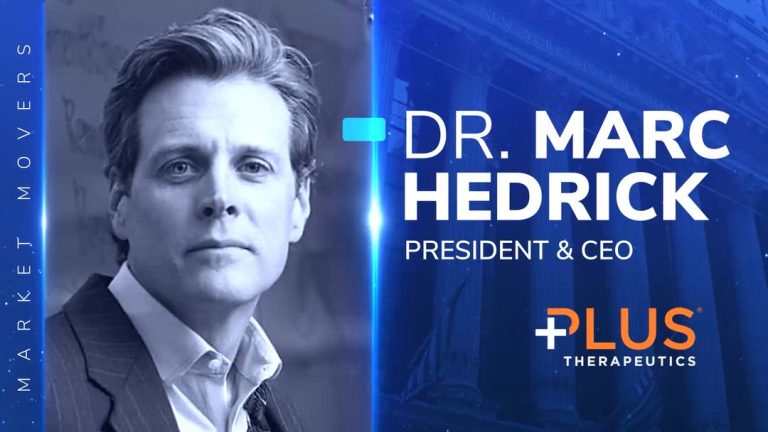
Dr. Marc Hedrick, the President & CEO of Plus Therapeutics, a company dedicated to improving outcomes for patients with brain cancer, joins Johny Fernandez to discuss their innovative drug, Reyobiq, which delivers high doses of radiation directly to brain tumors while sparing healthy tissue.

This approach has recently been bolstered by the receipt of a CPT-3 code from the American Medical Association, which facilitates billing and tracking for the convection-enhanced delivery method essential for the drug’s effectiveness.

Dr. Hedrick highlights the urgent need for advancements in this field, noting that there has been little progress in survival rates over the past 50 years.

He also shares insights from a recent meeting with the FDA regarding the clinical development of Reyobiq for leptomeningeal cancer, a serious complication of other cancers. This meeting provided a clear roadmap for the approval process, allowing the company to streamline its clinical trials.

In addition to their therapeutic efforts, Plus Therapeutics is also focused on diagnostics. Dr. Hedrick explains how their diagnostic platform, licensed in 49 states, aims to improve early detection of brain cancer, which is crucial for timely treatment decisions. Their test, CNSide, can identify a single cancer cell in cerebrospinal fluid, significantly enhancing diagnostic accuracy.

They also touch on the economic impact of their innovations, with Dr. Hedrick revealing that their diagnostic test could reduce patient care costs by approximately 40%. This is particularly significant given the high expenses associated with metastatic brain cancer treatment.

Looking ahead, Dr. Hedrick outlines the company’s goals for the remainder of 2026, including advancing Reyobiq into pivotal trials and expanding market access for their diagnostic tests. He emphasizes the importance of building a robust data analytics platform to leverage the unique data they are collecting.

Stagflation Concerns: Balancing Growth and Inflation in Today’s Economy

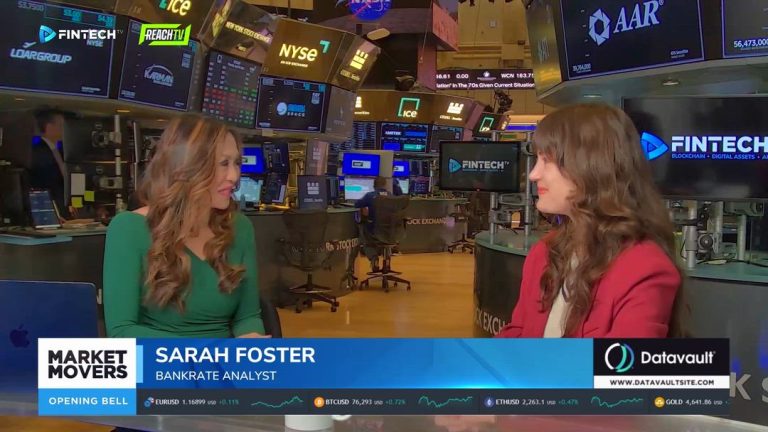
Sarah Foster, a Bankrate Analyst, joins Remy Blaire to discuss the current state of the economy, particularly in light of rising energy prices and their implications for inflation and growth.

Sarah highlights that the Fed is navigating a challenging landscape, caught between the pressures of stagflation—where higher energy prices contribute to both weaker growth and increased inflation. She suggests that this meeting was particularly significant, as it marked the end of Jerome Powell’s tenure as Fed chair, with a notable level of dissent among committee members, the highest since 1992. This indicates a shift in the Fed’s approach, as many members are seeking more flexibility regarding interest rates.

They also examine the impact of increased energy prices on American households, especially those in lower and middle-income brackets, who are feeling the strain of increased costs. This situation complicates the outlook for potential homebuyers, as mortgage rates remain uncertain.

Additionally, they touch on the labor market, which is showing signs of stabilization but still presents challenges for job seekers. The Fed’s dilemma lies in balancing the need to support the labor market while managing inflation through interest rate policies.

Jerome Powell’s Final Press Conference Highlights Energy Strain on Economy

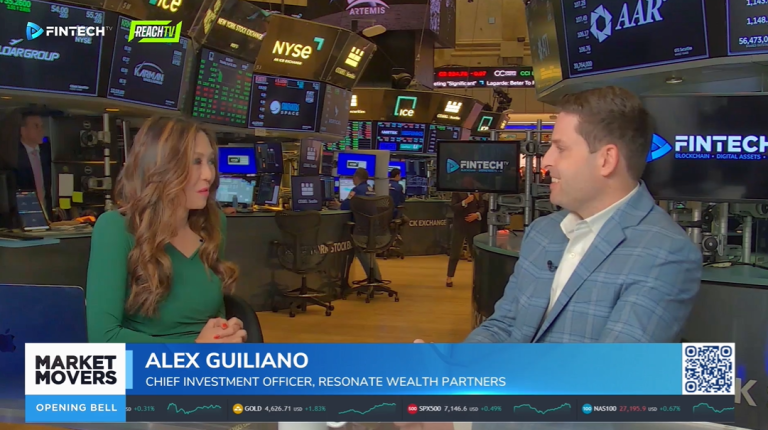
Alex Guiliano, Chief Investment Officer at Resonate Wealth Partners, joins Remy Blaire to dive into the current economic landscape following Jerome Powell’s final press conference as the chair of the Federal Reserve. The outgoing Fed Chair highlighted the impact of rising gas prices on disposable income and GDP.

They explore the contrasting experiences of Wall Street and Main Street, particularly in light of the military conflict in Iran and its influence on energy prices. Despite these challenges, they discuss the recent earnings reports from major tech companies, particularly the Mag 7, and how their capital expenditures are shaping investor sentiment.

Alex emphasizes the importance of understanding the “perception market” and the need for investors to reassess their positions based on current interest rates. They also touch on the evolving landscape of AI investments, focusing on who will benefit from the infrastructure being built.

As they wrap up, they reflect on the latest economic data, including PCE figures and GDP growth, and identify potential blind spots for investors. Alex encourages investors to be mindful of the risks and opportunities in this environment, reminding us that now is a crucial time for strategic positioning in the market.

Tokenization Gaining Momentum as Wall Street Deepens Crypto Push

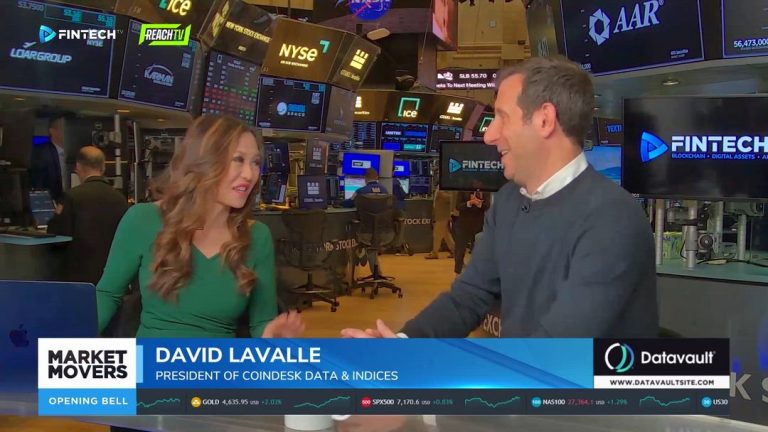
David LaValle, President of CoinDesk Data & Indices, joins Remy Blaire to share insights on Bitcoin’s range-bound activity and the growing institutional interest in tokenization. They dive into the current state of Bitcoin, which remains elevated above $76,000 following recent volatility triggered by the FOMC rate announcement and Jerome Powell’s speech.

They discuss the shifting institutional landscape in crypto, particularly with the Clarity Act making its way through Congress and major financial institutions like Goldman Sachs and Morgan Stanley enhancing their crypto wealth distribution channels.

Finally, they highlight the upcoming Consensus 2026 event in Miami, where over 20,000 attendees and 450 speakers will gather to explore the intersection of traditional finance and crypto. Dave emphasizes the importance of tokenization and how traditional finance players are adapting to this new reality.

Legal Pressure on the Fed Sparks Fears Over Central Bank Independence

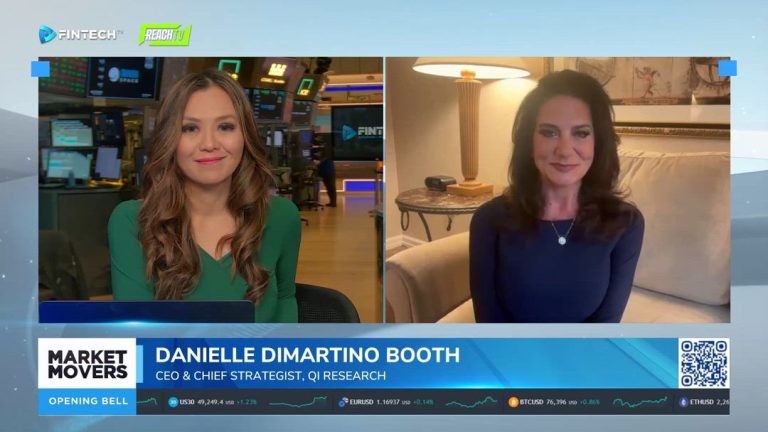
Danielle DiMartino Booth, CEO & Chief Strategist for QI Research, joins Remy Blaire to discuss the recent legal actions taken by the administration against the Federal Reserve, which have raised concerns about the institution’s independence and its ability to conduct monetary policy free from political influence. They discuss the Fed’s decision to keep interest rates unchanged amid economic uncertainty, particularly due to developments in the Middle East, and the internal fractures within the central bank, highlighted by dissenting opinions from several officials.

Danielle shares insights on the implications of the latest economic data, including PCE and GDP figures, as well as jobless claims. She argues that the Fed is failing its labor mandate and emphasizes the importance of looking beyond surface-level jobless claims to understand the true state of the labor market.

They also explore the impact of rising energy costs on consumer spending, particularly in essential areas like groceries, and how this is affecting service inflation. Danielle highlights the challenges households face as they navigate rising prices at the gas pump while trying to maintain their budgets.

As they look ahead, they discuss the upcoming transition to Kevin Warsh as the new Fed chair and how he might build consensus within a fractured FOMC. Danielle believes that Jerome Powell will play a crucial role in supporting Warsh as he takes on this challenge.

SoundHound AI’s Innovations: Revolutionizing Voice Technology in Everyday Life

Michael Zagorsek, COO of SoundHound AI, joins Remy Blaire to discuss the exciting advancements in voice and conversational AI. They kick off the discussion by highlighting SoundHound’s recent partnership with Peet’s Coffee and their participation in major tech events like Nvidia’s GTC and CES. Michael emphasizes that 2026 could be a pivotal year for AI, as we transition from passive tools to action-oriented agents capable of completing tasks and interacting seamlessly across devices.

Michael provides insights into the evolution of SoundHound AI, which has been at the forefront of voice technology since its founding in 2005. He explains how generative AI is revolutionizing the conversational landscape, making it possible for consumers to engage in natural dialogues with AI systems. This shift is particularly significant in sectors like customer service, where traditional IVR systems are being replaced by more intuitive AI interactions.

They also discuss SoundHound’s innovative Employee Assist product, designed to support restaurant staff by providing instant access to vital information, thereby enhancing operational efficiency. As they explore the concept of “SaaSpocalypse,” Michael shares his thoughts on how agentic AI is disrupting traditional software and the importance of adaptation in this rapidly changing environment.

In addressing the deployment of AI in highly regulated industries such as healthcare and finance, Michael stresses the need for balancing generative and deterministic approaches to ensure compliance and maintain brand trust. He highlights the real-world ROI that clients are experiencing, such as a healthcare client that doubled its transaction capacity with AI support, allowing human staff to focus on more complex issues.

From NBA Star to Entrepreneur: Baron Davis on Building a Legacy Beyond Basketball

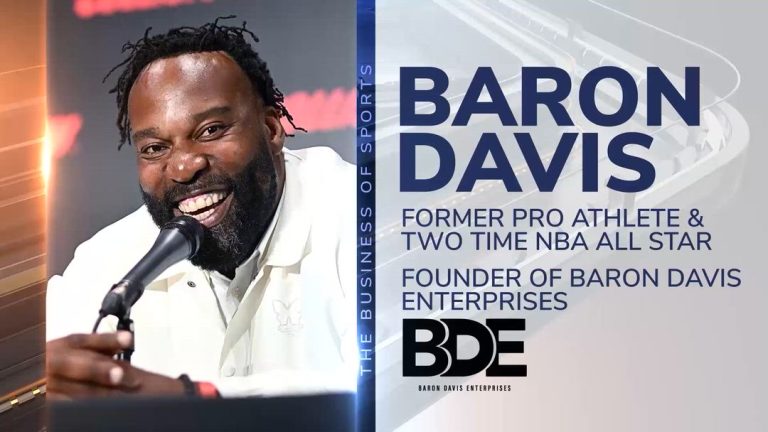
Baron Davis, a two-time NBA All-Star and successful entrepreneur, joins FINTECH.TV’s sports business analyst Rick Horrow to delve into the growth of the sports industry, which has doubled to a staggering $2.6 trillion. They discuss how athletes like Baron are leading the charge in this investment boom.

Baron shares his journey, from his upbringing in South Central Los Angeles to his time at UCLA, where he honed his basketball skills and built a network that would serve him well in his post-NBA career. He emphasizes the importance of learning and listening during his early years in the league, which laid the groundwork for his entrepreneurial ventures.

They explore his transition from basketball to business, highlighting his strategy of immersing himself in various industries, attending conferences, and building a community of like-minded individuals. Baron discusses his platform, “Business Inside the Game,” which aims to connect entrepreneurs and business leaders across different sectors, fostering collaboration and innovation.

Throughout the conversation, Baron reflects on the evolution of taking control of their financial futures. He also shares his vision for the future, focusing on mentorship and supporting the next generation of athletes and entrepreneurs.

As they wrap up, Baron expresses his aspirations for the next five years, emphasizing the importance of family, community, and continued investment in emerging talent.

Why Central Banks Are Driving Demand & Royalty Growth Explodes

0

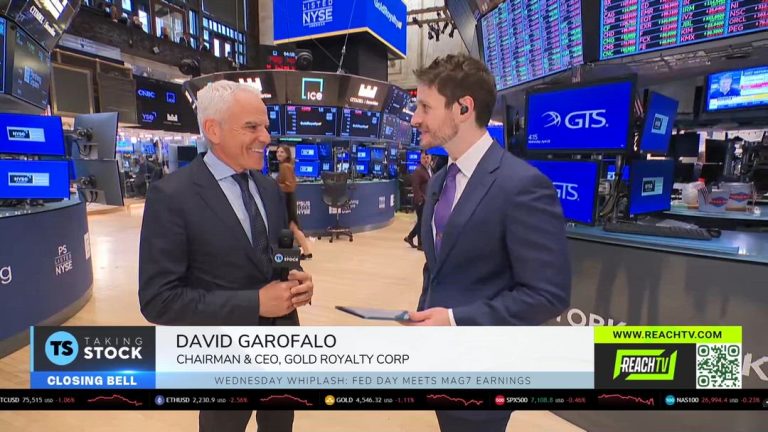
David Garofalo, Chairman and CEO of Gold Royalty Corp, joins us after ringing the closing bell to mark the company’s 5-year milestone since going public. Over that period, he highlights a major transformation from a $200 million market cap to roughly $1 billion today alongside a massive expansion of its portfolio from 18 precious metal royalties at IPO to more than 250 royalties globally, setting the stage for significant long-term revenue growth.

Garofalo breaks down the company’s unique NSR (Net Smelter Return) model, explaining how Gold Royalty earns a fixed percentage of revenue from mining operations without being exposed to direct operating costs like labor or fuel. He compares it to a music royalty structure capturing top-line revenue while remaining insulated from inflation pressures at the mine level. He also emphasizes the importance of geopolitical stability, noting that roughly 80% of the company’s assets are located in the U.S. and Canada, including highly prospective regions like Nevada, Quebec, and Ontario.

Fed Holds Rates Steady: What “Higher for Longer” Means for Mortgages, Consumers & Big Tech Earnings

0

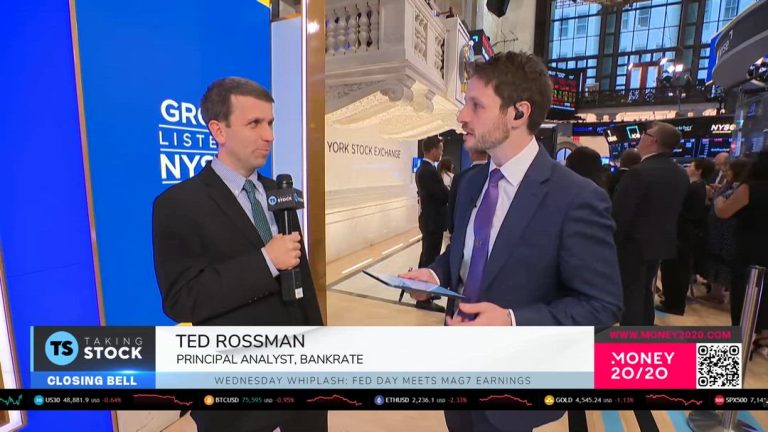
Ted Rossman, Principal Analyst at Bankrate, joins the discussion to break down a pivotal Fed Day and what it signals for markets, consumers, and interest rates going forward. With the Federal Reserve striking a clear “wait-and-see” stance, Rossman highlights how markets are now pricing in a high probability that rates remain unchanged for the rest of the year, reinforcing the narrative of “higher for longer.”

A key focus of the conversation is the evolving direction of monetary policy under Chair Jerome Powell, including internal divisions within the FOMC and what that could mean for future leadership transitions. Rossman also explains how persistent interest rates are continuing to impact consumers, with 30-year mortgage rates hovering around the mid-6% range, credit card rates near 20%, and housing affordability remaining under pressure despite strong demand.

Despite these headwinds, he notes that the consumer remains surprisingly resilient, with spending still holding up across travel, retail, and dining. As attention now shifts to major tech earnings from companies like Microsoft, Amazon, Meta, Alphabet, and Apple, Rossman emphasizes that both corporate investment and consumer activity remain stronger than expected challenging earlier fears of an economic slowdown. Looking ahead, upcoming inflation data like PCE will be key in determining whether that strength can continue.