[stock-market-ticker symbols=" ^NYA;CRYPTO:BTC;CRYPTO:ETH;CRYPTO:USDT;CRYPTO:USDC;CRYPTO:BNB;CRYPTO:ADA;CRYPTO:XRP;CRYPTO:SOL;CRYPTO:DOGE " stockExchange="NYSENASDAQ" width="100%" transparentbackground=1 palette="financial-light"]

Home Blog Page 154

Crypto Payments on the Rise: From Burgers to Airline Tickets

“We saw $19 billion in liquidations, the worst ever.” – 05:53

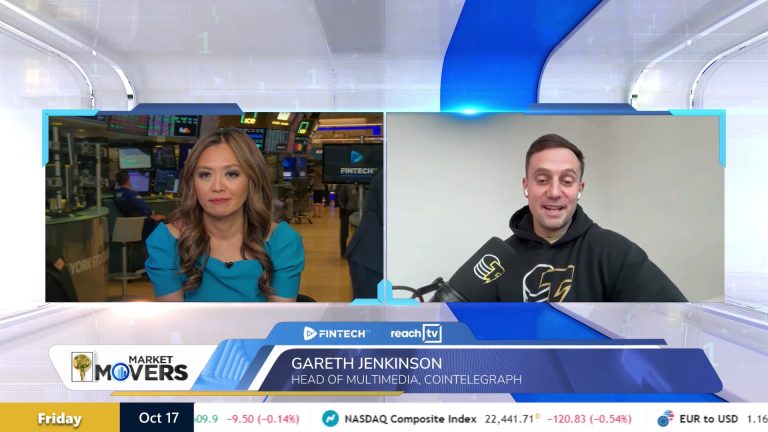
Remy Blaire welcomes Gareth Jenkinson, the Head of Multimedia at Cointelegraph, to discuss the latest developments in cryptocurrency payments and market dynamics.

The segment begins with Remy highlighting Steak and Shake’s recent achievement of accepting Bitcoin payments for five months. She emphasizes the significance of this milestone in the broader context of cryptocurrency adoption, noting that many well-known businesses, including Starbucks, Subway, Burger King, Chipotle, and Baskin Robbins, are now accepting digital asset payments. Remy also mentions a new California law that allows original owners to reclaim inactive cryptocurrency, adding an intriguing layer to the conversation about the practical applications of crypto.

Gareth shares his insights on the expanding acceptance of cryptocurrency for everyday transactions. He points out that consumers can now use Bitcoin to purchase coffee at popular chains and book travel through platforms like Travaler. He expresses enthusiasm for the growing trend of using cryptocurrency for general payments, suggesting that this shift represents the future that many in the crypto community have long envisioned.

The discussion then shifts to California’s new legislation, which permits the state to seize idle cryptocurrency on exchanges. Gareth explains the implications of this law, noting that while it may initially seem unfavorable, it allows users to reclaim their Bitcoin rather than receiving a lesser dollar amount if the state were to liquidate the assets. This nuanced perspective highlights the complexities surrounding cryptocurrency ownership and regulation.

As the conversation progresses, Remy and Gareth delve into the recent turmoil in the cryptocurrency market, marked by a significant selloff described as the worst liquidation event in history. Gareth provides context for this downturn, attributing it to a combination of technological issues and cascading liquidations that resulted in an astonishing $19 billion being wiped from the market. Despite a brief recovery, the market faces ongoing challenges, with major cryptocurrencies like Bitcoin and Ethereum experiencing notable declines.
Enhancing Fraud Detection: Thread’s OneView Solution Explained

“Total spending on third party anti-money laundering or AML systems is really projected to grow by 121% to surpass $75 billion globally up by 2030.” – 00:02:37

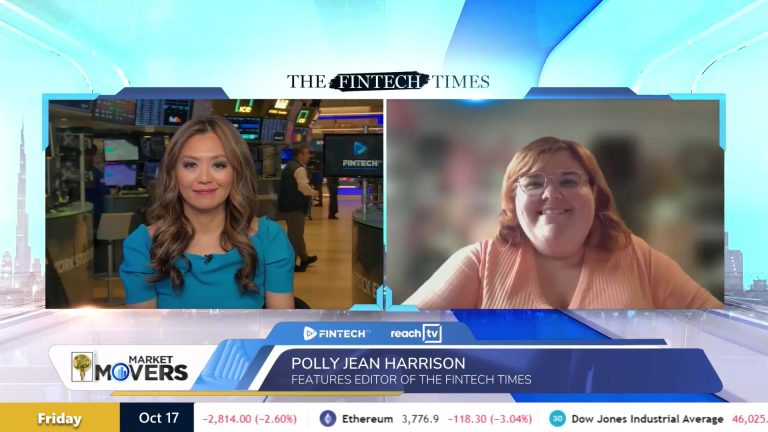
Remy Blaire welcomes Polly Jean Harrison, the Features Editor of the Fintech Times, to discuss the latest developments in the fintech landscape, particularly focusing on fraud prevention and anti-money laundering (AML) systems.

The segment begins with Remy introducing Thread, a global payments processor that has recently launched OneView, a new fraud prevention solution developed in partnership with Featurespace. Polly explains that OneView is designed to monitor both card and non-card transactions through a single, network-agnostic interface. This innovative platform consolidates various payment data, including account-to-account and person-to-person payments, into one unified interface. Polly highlights that this comprehensive approach provides a 360-degree view of customer behavior, enhancing fraud detection capabilities while reducing the operational workload for fraud teams. She emphasizes the importance of streamlining investigation processes, which allows fraud analysts to work more efficiently by minimizing the time spent switching between different systems. This unified view enables teams to spot unusual behavior patterns that may go unnoticed when transaction types are monitored in isolated systems.

The conversation then shifts to a new study by Juniper Research, which identifies significant gaps in transaction monitoring and beneficial ownership transparency. Polly shares insights from the research, revealing that global spending on third-party AML systems is projected to grow by 121%, surpassing $75 billion by 2030. She notes that banks are expected to account for 64% of all AML spending due to their ongoing exposure to complex regulatory oversight. Polly discusses how the increasingly intricate regulatory landscape is driving firms to adopt AI-driven screening and analytics to strengthen their detection capabilities and address the high rate of false positives faced by compliance teams.

The Fed’s Dovish Pivot: What It Means for the Dollar and Equity Markets

“Protectionist trade policies as the US does, I think this is a downside risk to growth and upside risk to inflation.” – 03:03

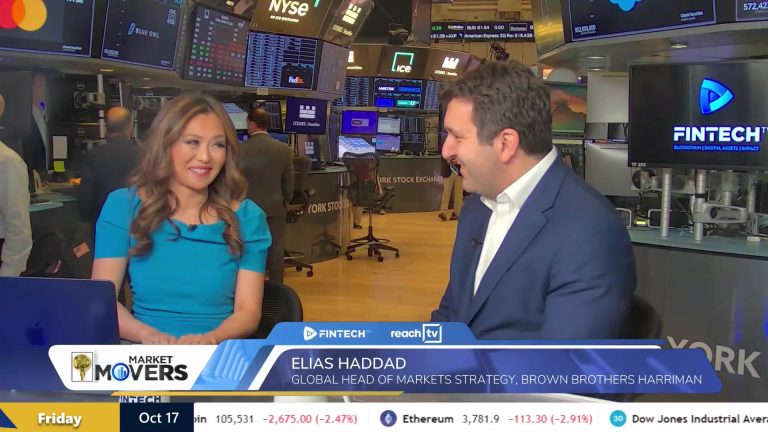
Remy Blaire welcomes Elias Haddad, the Global Head of Market Strategy at Brown Brothers Harriman, to discuss the current volatility in the financial markets as the week comes to a close. The segment opens with Remy highlighting the fluctuating equity averages, which have been swinging between red and green due to trade tensions and concerns about bad loans from regional banks. Despite the release of earnings from major banks, some bank stocks have experienced significant sell-offs, prompting investors to reassess their positions.

Elias shares his perspective on the recent credit worries, suggesting that they appear to be more of a due diligence issue rather than indicative of a systemic problem. He cautions against complacency, noting that the market is currently frothy, with both stock and corporate bond prices being expensive. Elias anticipates a potential correction but believes that this situation could lead the Federal Reserve to adopt a more dovish stance, especially given the fragile labor market and concerns about corporate profitability due to higher tariffs. He posits that such a pivot by the Fed could trigger a rally in equity markets, despite the current concerns in the credit market.

The conversation shifts to the upcoming Federal Reserve rate decision and the significance of the Consumer Price Index (CPI) figure set to be released next Friday. Remy and Elias discuss the implications of ongoing trade tensions, with Elias explaining that protectionist trade policies pose downside risks to growth and upside risks to inflation, which are detrimental to the U.S. dollar.

As the discussion progresses, the focus turns to gold, which has recently seen a remarkable surge, breaking above significant price levels. Elias expresses his enthusiasm for gold, referring to it as “God’s currency.” He attributes its rise to declining real interest rates, fiscal concerns, and central banks diversifying their reserves into gold, particularly in light of geopolitical uncertainties.

Gold’s Ascent: Why Investors Are Turning to Precious Metals

“I think in the long run, it’ll go higher because I don’t think anybody trusts the U.S. anymore.” – 04:02

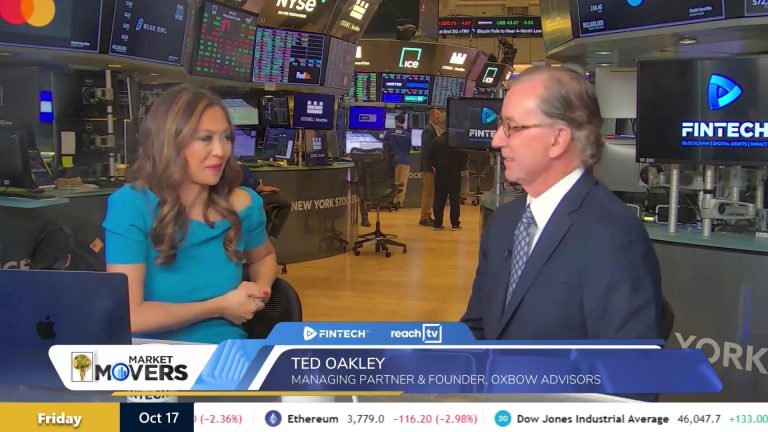
Ted Oakley, Managing Partner and Founder of Oxbow Advisors, joins Remy Blaire to discuss the current state of the U.S. equity markets and broader economic trends. The conversation begins with an overview of the recent performance of major U.S. stock averages, which have reached new records this year. Remy notes that a small group of mega-cap companies, particularly the MAG 7, has significantly driven these gains, while strong deal-making has bolstered major banks like JPMorgan Chase and Goldman Sachs.

Ted highlights the concentration of wealth within the top companies, explaining that the top 10 firms account for approximately 42-43% of the S&P 500. He cautions that this lack of diversification poses risks for investors, especially during market pullbacks. As the discussion progresses, Ted expresses his concerns about the market being overpriced and emphasizes the importance of safety in investment strategies. He reveals that Oxbow Advisors is currently holding a substantial amount of U.S. Treasury bills rather than bonds, as they aim to mitigate duration risk amid rising inflation expectations.

The conversation shifts to the performance of gold and silver, which have seen significant increases year-to-date. Ted shares his long-standing commitment to gold and mining stocks, suggesting that gold is likely to continue its upward trend over the next three to five years. He attributes this potential growth to a general lack of trust in the U.S. dollar and the use of gold as a currency hedge.

Ted also discusses the mining sector, explaining his preference for investing in larger mining companies over junior miners, which require extensive research. He mentions that Oxbow Advisors has invested in royalty companies, allowing them to benefit from mining operations without the associated risks of managing mines.

Earnings Season and Trade Tensions: A Deep Dive into Wall Street

“What that should show us is that the impact of tariffs is starting to show its weight on people’s ability to pay their bills.” – 01:09

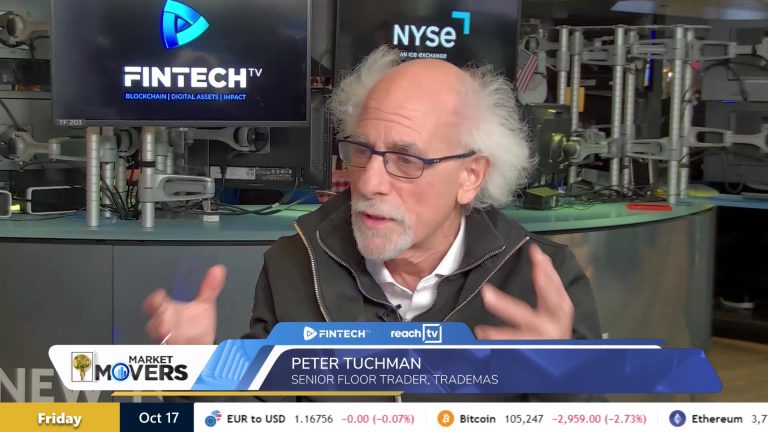
Peter Tuchman, Senior Floor Trader at TradeMas, joins Remy Blaire to discuss the tumultuous week on Wall Street. The episode opens with Remy highlighting the rollercoaster nature of the markets, driven by a mix of earnings reports, trade tensions, and emerging fears surrounding credit fraud, particularly affecting regional banks.

As they delve into the current market conditions, Peter outlines three critical factors influencing the trading landscape: ongoing trade talks, the state of regional banks, and the latest earnings reports. He emphasizes the contentious narrative between the U.S. and China, particularly regarding tariffs on commodities such as soybeans and rare earth minerals, which has created a charged atmosphere impacting investor sentiment.

Peter expresses concerns about the fragility of regional banks, drawing parallels to the recent Silicon Valley Bank crisis. He notes that the impact of tariffs is beginning to affect consumers’ ability to meet their financial obligations, leading to increased delinquencies. This situation contributes to a growing sense of unease among investors regarding the stability of regional banks.

The conversation shifts to the VIX index, which, despite a recent decline, remains elevated, indicating ongoing volatility and fear in the market. Peter explains that while larger banks may appear stable, regional banks provide a more accurate gauge of economic health in middle America. He underscores the significance of bank earnings and the guidance provided by these institutions, which can offer valuable insights into the overall economic climate.

Bitcoin’s Resilience: Insights from David Bailey on Market Volatility and Future Trends

“The whole play with Bitcoin treasury companies… is to have permanent capital.” – 04:10

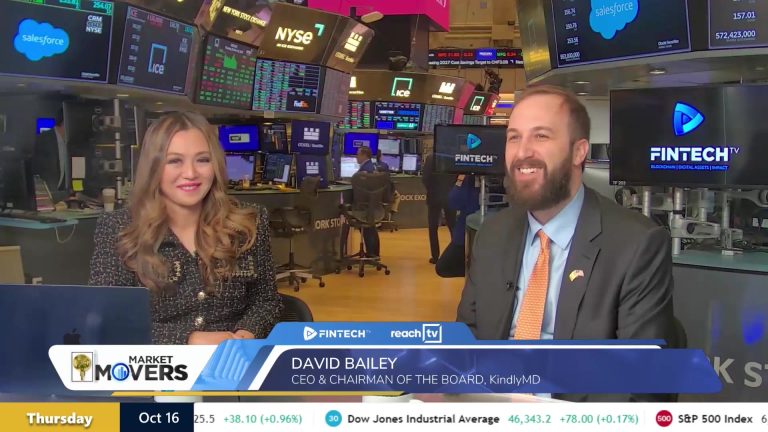
David Bailey, the CEO and Chairman of the Board at KindlyMD, joins Remy Blaire to discuss the backdrop of significant volatility in the cryptocurrency market, particularly focusing on Bitcoin, which has recently experienced a sharp decline from over $120,000 to below $105,000. This downturn is marked as one of the worst liquidation events in crypto history, yet Bitcoin enthusiasts remain largely unfazed, with the cryptocurrency stabilizing above $111,200.

Remy and David explore the current state of decentralized applications (dApps) and the evolving landscape of Bitcoin treasuries. David notes that the market is undergoing a period of consolidation, with over 180 companies having added Bitcoin to their balance sheets. He emphasizes the need for the market to differentiate between genuine players and those that may not be sustainable, suggesting that this scrutiny will lead to the emergence of a new wave of dApps.

The discussion shifts to the intersection of traditional finance (TradFi) and Bitcoin capital markets. David highlights the significance of the Bitcoin ETF and asserts that this merger is just beginning. He expresses optimism about Bitcoin’s future, predicting that its price will rise significantly in the coming years, potentially reaching several hundred thousand dollars.

As the conversation progresses, Remy raises concerns about the ongoing U.S. government shutdown and its implications for the approval of new legislation affecting both equity markets and cryptocurrency exchange-traded products (ETPs). David provides insights into the Clarity Act and its complex nature, suggesting that it may be passed before the midterms.

Crypto Exchanges: The Most Profitable Players in the Digital Economy

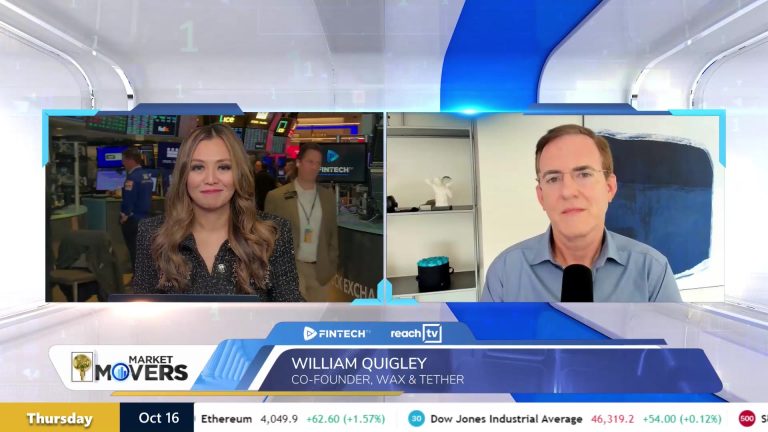
William Quigley, the Co-Founder of WAX & Tether, joins Remy Blaire to discuss the dynamic landscape of the crypto industry, focusing on recent developments in exchanges, stablecoins, and digital asset treasuries.

The conversation begins with the recent rebranding of Hong Kong’s Prestige Wealth to Aurelian Treasury, which has launched as a Tether gold-backed treasury, successfully raising $150 million in financing. Quigley shares his perspective on this development, describing it as a natural progression in the tokenization of assets. He explains that the evolution from tokenizing fiat currencies to commodities like gold is a logical step, given the efficiency of blockchain technology in facilitating cross-border transactions and the persistent demand for globally traded assets.

Remy then shifts the discussion to the profitability of crypto exchanges. Quigley asserts that crypto exchanges are among the most profitable businesses in the crypto space, second only to stablecoins and decentralized finance (DeFi). He elaborates on the simplicity and scalability of exchanges, which allow them to generate billions in free cash flow. Quigley also highlights the role of exchanges in contributing to market volatility, noting that many engage in proprietary trading, making them a powerful force in the crypto ecosystem.

The segment takes a turn as they discuss the struggles faced by digital asset treasuries, particularly Metaplanet, which has fallen below its market net asset value. Quigley expresses skepticism towards digital asset treasury companies (DApps), arguing that investing in these intermediaries adds unnecessary risk to an already volatile asset class. He advocates for direct investment in cryptocurrencies rather than through companies that hold crypto on behalf of investors, suggesting that this approach mitigates additional uncertainties.

Navigating Trade Tensions: Insights on U.S.-China Relations and Global Supply Chains

“Goldman Sachs had stated that up to 50% of the tariffs are going to be absorbed by consumers.” – 03:18

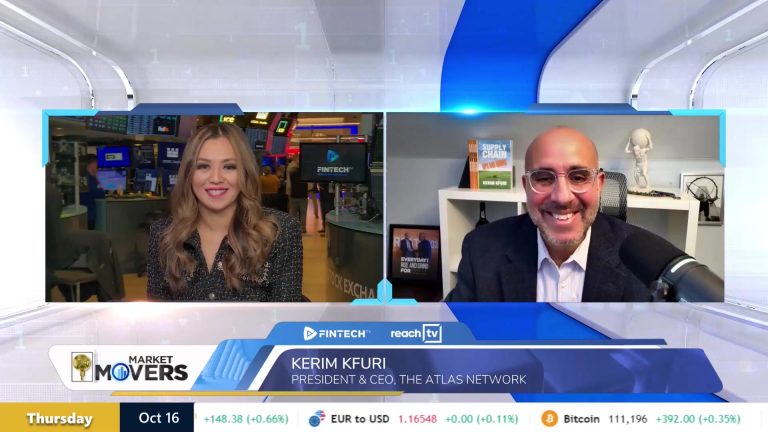
Kerim Kfuri, the President and CEO of The Atlas Network, joins Remy Blaire to discuss the current state of global trade amid escalating tensions between the U.S. and China, which have led to significant fluctuations in the stock market.

Remy begins by highlighting the resilience of global supply chains, which continue to hold steady despite the challenges posed by tariffs, geopolitical friction, and the concept of de-globalization. She references the DHL and NYU Stern’s global connectedness tracker, which indicates that companies and countries are managing risks effectively and not retreating from international business. Kerim emphasizes the importance of trade diversification as a critical strategy for mitigating risks in a turbulent economic environment.

As the discussion unfolds, Remy and Kerim delve into the implications of recent market pullbacks, particularly in light of the ongoing government shutdown and the potential for new tariffs. Kerim explains how businesses are responding to this uncertainty, noting that many are stockpiling inventory to prepare for the impact of tariffs. He advises consumers to be strategic in their shopping, as some businesses may have overstocked and could offer discounts.

The conversation shifts to the broader implications for American companies, including small businesses that make up a significant portion of the economy. Kerim, a self-proclaimed supply chain optimist, encourages businesses to seek opportunities within disruptions. He advocates for cost engineering and agility, urging companies to adapt their supply chains to offset increased tariffs and enhance profitability.

As the segment nears its conclusion, Remy asks Kerim about the concerns of stakeholders regarding global trade. Kerim highlights the need for negotiation and resolution, cautioning against overly punitive measures that could ultimately burden consumers. He stresses the importance of communication and collaboration in navigating the complexities of international trade.

Banking on Gold: Gabriela Berrospi Analyzes Earnings Season and Investment Trends

“BlackRock, of course, the king of investment banks.” – 03:10

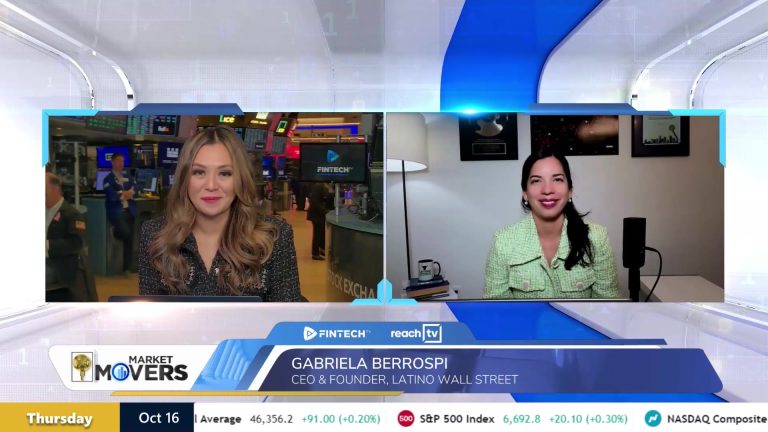
Gabriela Berrospi, CEO & Founder of Latino Wall St, joins Remy Blaire to discuss the current state of the U.S. stock market, which is experiencing positive movement despite recent volatility driven by trade tensions.

Remy introduces the topic by referencing former President Trump’s comments about the trade war with China, setting the stage for a deeper exploration of market dynamics. Gabriela explains that the volatility in the markets is largely due to mixed messages from U.S. leaders regarding China. She notes the confusion surrounding the government’s fluctuating stance, which has led to uncertainty among investors. This uncertainty is reflected in the markets, resulting in increased volatility and a heightened interest in commodities as safe-haven assets.

As the conversation shifts to the ongoing earnings season, Gabriela shares her insights on the performance of major banks. She highlights BlackRock and JPMorgan Chase as key players in the banking industry, emphasizing their dominance in both consumer and investment sectors. Gabriela expresses her belief that these two institutions will continue to lead the market, particularly as interest rates are expected to decline further. This decline is likely to encourage more borrowing and investment, which could benefit these banks significantly.

Gabriela also discusses the rising interest in gold, referencing comments made by Jamie Dimon, CEO of JPMorgan Chase, who suggests that gold could reach $10,000. This perspective indicates a growing recognition among Wall Street leaders of the importance of including gold in investment portfolios, especially in light of current market conditions.

U.S.-China Trade Tensions: Impact on Crypto Markets and Investor Sentiment

“Bitcoin’s correlation to equities is higher than normal and its correlation to gold is lower than normal.” – 03:03

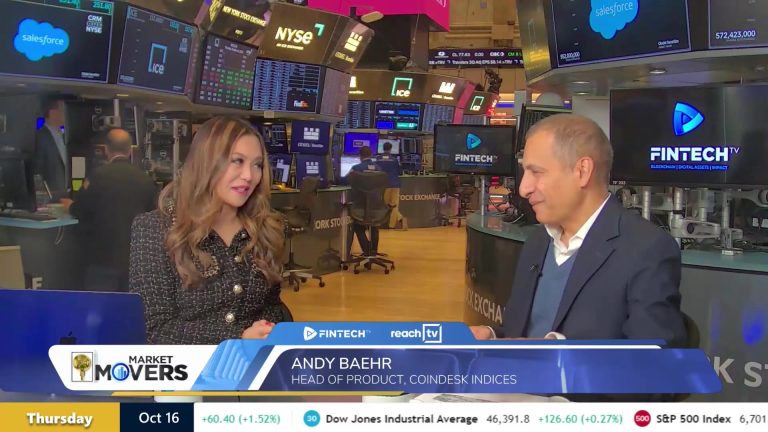
Andy Baehr, Head of Product at Coindesk Indices, joins Remy Blaire at the New York Stock Exchange to discuss the recent upheaval in the cryptocurrency market, triggered by rising U.S.-China trade tensions. The discussion begins with a significant sell-off in Bitcoin and altcoins that occurred last Friday, resulting in over $19 billion in leveraged crypto bets being liquidated within a 24-hour period. This event affects approximately 1.6 million traders, although the actual number may be even higher. Remy highlights the unique operational challenges of the crypto market, such as limited liquidity and a rush of traders attempting to exit, which intensified the selling pressure and led to rapid declines in coin prices across various trading platforms.

Andy shares his recent experiences from a trip across six cities in four countries in Europe, where he engaged with a diverse array of investors, including long-term investors, family offices, and asset managers. He notes that the investment case for Bitcoin is becoming increasingly solidified, with many investors already allocating a portion of Bitcoin into their portfolios. The conversation also touches on the growing interest in stablecoins and tokenization, as investors seek to understand how Layer 1 blockchains like Ethereum and Solana can enhance their investment strategies.

Remy and Andy discuss the differences in the crypto landscape between Western Europe and the UK. While most of Europe has had exchange-traded products (ETPs) for years, UK retail investors have only recently gained the opportunity to invest in Bitcoin and Ether ETPs following the lifting of a ban. This timing, coinciding with the recent market sell-off, could present a unique entry point for UK investors looking to add these assets to their portfolios.

As they analyze the market action from last Friday, they note that Bitcoin’s correlation to equities has increased, while its correlation to gold has decreased. This shift raises concerns for Bitcoin, as it has been following equities down as a risk asset. The unexpected decline in the equity market contributes to the fragility of the crypto market, leading to the significant liquidation event. Despite the chaos, Andy points out that the market managed to recover somewhat, although the $20 billion in liquidations has left it feeling precarious.

Remy and Andy discuss the lessons learned from this liquidation event, emphasizing that such occurrences are not uncommon in both equities and crypto markets. After a period of positive news and adoption, the market can experience pullbacks, which may present buying opportunities for those willing to take the risk. Currently, Bitcoin is hovering around $110,000, down from its recent all-time high of $126,000, while Ether and other Layer 1s have seen a 20% decline. Andy advises listeners to prepare for potential volatility in the coming weeks and highlights the need for a new catalyst to restore positive momentum in the market.