[stock-market-ticker symbols=" ^NYA;CRYPTO:BTC;CRYPTO:ETH;CRYPTO:USDT;CRYPTO:USDC;CRYPTO:BNB;CRYPTO:ADA;CRYPTO:XRP;CRYPTO:SOL;CRYPTO:DOGE " stockExchange="NYSENASDAQ" width="100%" transparentbackground=1 palette="financial-light"]

Home Blog Page 84

Market Structure at a Crossroads: Bipartisan Hurdles, CFTC Tensions, and the Rise of Crypto Voters

Following the second White House summit on stablecoin yield, no formal compromise was reached. However, the power dynamics are clearly shifting. Major financial institutions are coming to the table with detailed principles and concrete proposals, while crypto executives are asserting their leverage and demanding a permanent seat in shaping long-term digital asset policy.

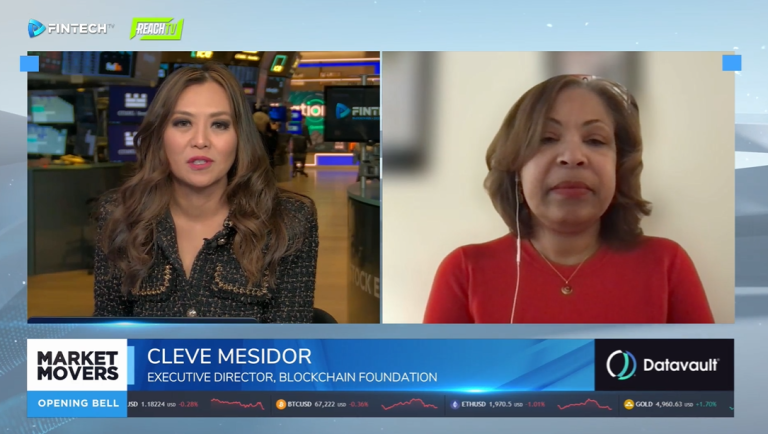
Cleve Mesidor, Executive Director of the Blockchain Foundation joins Remy Blaire, to break down what really happened behind closed doors — and what it means for crypto market structure legislation.

Cleve shares the relationship between Wall Street CEOs and crypto-native leaders, why banks are presenting more specific yield frameworks, how the White House appears to be listening — and preparing to negotiate, why the crypto industry must respond with detailed counterproposals.

With the Senate Banking Committee’s digital assets markup falling apart, they also discuss: why bipartisan support is essential — especially in a midterm election year, how political gridlock and regulatory turf battles (including the CFTC’s recent moves) could complicate progres and why both Democrats and Republicans may see crypto legislation as a potential bipartisan “win”.

They also discuss the need for stronger consumer data in shaping policy, the growing influence of crypto voters in midterm elections and why policymakers must listen beyond CEOs — including CFOs and community financial leaders.
Blockchain Meets Wall Street: 200+ Stocks Now On-Chain

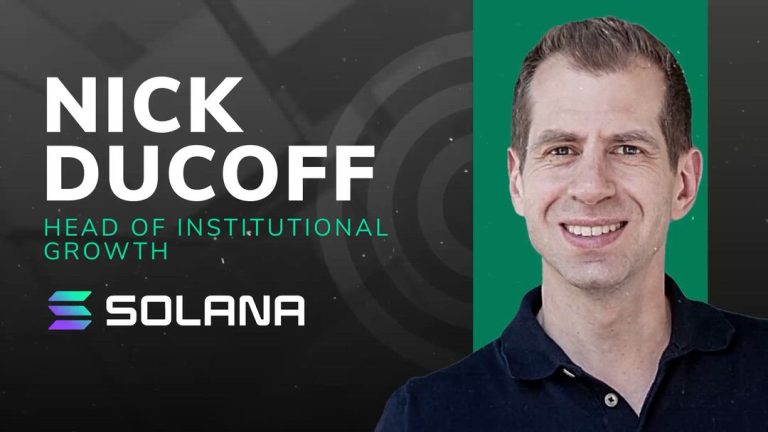
At the 2026 summit in New York City, FINTECH.TV speaks with Nick Ducoff, the Head of Institutional Growth at Solana Foundation about the rapid expansion of tokenized markets and what it means for investors worldwide. With more than 200 tokenized U.S. stocks and ETFs now live on Solana through Ondo Finance, global users can access traditional securities on public blockchain rails while maintaining price parity with traditional exchanges like the New York Stock Exchange.

The conversation explores explosive network growth metrics, the rise of “internet capital markets,” and how blockchain infrastructure could unlock investing for millions of people who have crypto wallets but no brokerage accounts. We also dive into institutional adoption, with major financial players such as JPMorgan and BlackRock increasingly entering the tokenization space, and discuss evolving regulation from the U.S. Securities and Exchange Commission.

24/7 Tokenized Stocks? How On-Chain Markets Are Expanding Global Access

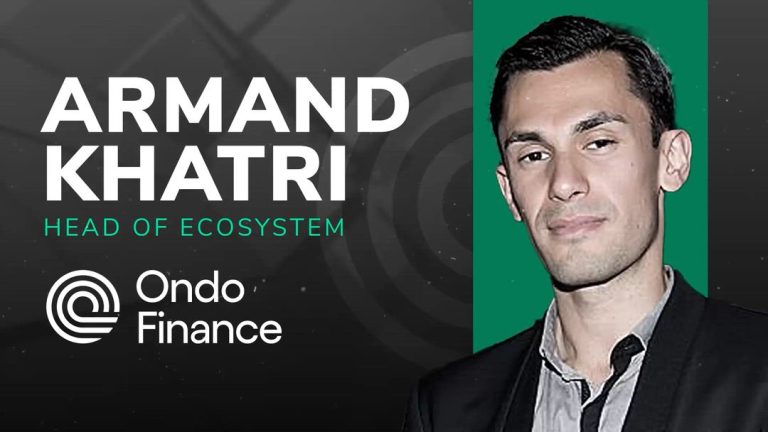
At the New York summit, FINTECH.TV sits down with Armand Khatri, the Head of Ecosystem at Ondo Finance to discuss the rapid evolution of tokenized securities and what 2026 could mean for global investors. With products now live across networks like Ethereum and Solana, the firm is rolling out new tools designed to let users outside the United States trade perpetual futures tied to major U.S. stocks around the clock.

The conversation explores how real-world assets on blockchain rails could reshape access to financial markets, why liquidity and deep order books are critical for adoption, and how tokenized equities may replicate or even improve traditional trading infrastructure. We also cover regulatory momentum, including developments involving the U.S. Securities and Exchange Commission and Commodity Futures Trading Commission, and what bipartisan legislation could mean for the future of digital assets.

Oil, Gold & Global Markets: Why Energy and Metals Could Lead the Next Investment Cycle

Markets are flashing signals across commodities and global equities as oil prices climb and precious metals consolidate. In this interview, the Co-founder & CEO of Azuria Capital, Otavio Costa breaks down why rising crude, strong performance from Chevron and ExxonMobil, and constrained supply in gold and silver could signal the start of a long-term commodities up cycle. We discuss how geopolitical developments involving United States and Iran are influencing energy markets, why metals may stay historically elevated, and what this means for investors seeking opportunities beyond big tech.

The Future of Tokenized Securities

The U.S. Securities and Exchange Commission has issued pivotal new guidance defining how tokenized securities will be structured, from native on-chain issuance to synthetic exposure models, signaling that regulatory clarity is beginning to emerge. Speaking from the New York Stock Exchange, Thomas Cowan, Head of Tokenization at Galaxy Digital, explains why tokenization is increasingly separating from crypto market volatility and why traditional financial institutions are continuing to invest in blockchain infrastructure regardless of price cycles. He shares insights on the growing demand for tokenized assets such as money market funds, equities, and private credit, discusses how emerging tools like vaults could transform asset management through greater transparency and efficiency, and outlines why global collaboration and regulatory progress could make the coming years pivotal for both institutional and retail adoption of on-chain finance.

The Rise of Stablecoins: How Global Payroll & Payments Are Changing

Global payments are entering a new era — and stablecoins are at the center of the transformation.

Chris Harmse, the Managing Director at BVNK joins Remy Blaire, to break down new research which surveyed 4,500 people across 15 countries. The research revealed that nearly 40% of users now receive income in stablecoins — including salaries and freelance pay. What was once considered niche is rapidly becoming a practical, everyday financial tool.

They explore: why enterprises are rethinking payroll and liquidity strategies, how stablecoins are reducing cross-border payment friction, why infrastructure — not consumer trust — may be the biggest adoption hurdle, the growing demand for stablecoin wallets from traditional banks, why Africa & APAC are leading adoption and how payment choice, including stablecoin checkout, is becoming a competitive advantage in retail.

From faster settlement and lower fees to real-time transparency and global reach, stablecoins are reshaping how businesses operate and how workers choose to be paid.

Jargon Translator with Scarlett Sieber: Yield Farming

0

In this episode of Jargon Translator from Money20/20, Scarlett Sieber breaks down the crypto term yield farming — a DeFi strategy where investors earn rewards by lending or staking their crypto through smart contracts on the blockchain.

Often compared to a high-yield savings account, yield farming can offer eye-catching, double-digit APYs that far exceed traditional bank returns. During the DeFi boom of 2020, investors rushed in, chasing outsized gains and stacking tokens at record pace.

But the rewards come with serious risks. Smart contract bugs, platform hacks, extreme token volatility, and “impermanent loss” can quickly wipe out gains. An investor might earn high APYs in tokens — only to see the token’s value collapse.

While yield farming remains part of the crypto landscape today, the hype has cooled as regulators increase scrutiny and investors better understand the risks behind the returns.

Structured Credit Goes Retail: Inside Reckoner Capital’s New ETF Strategy

0

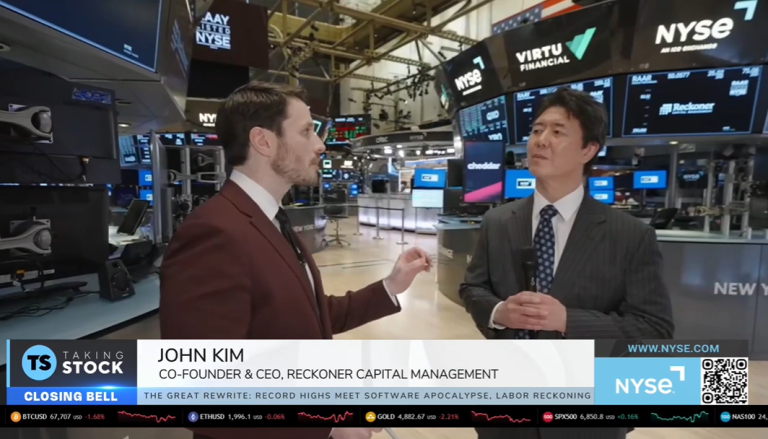
John Kim, Co-Founder and CEO of Reckoner Capital Management joins JD Durkin at the New York Stock Exchange to discuss the firm’s latest ETF launches and the growing demand for alternative credit in retail portfolios. Reckoner specializes in structured credit — historically an institutional-only asset class — and is now bringing it to everyday investors through newly launched CLO-focused ETFs listed on the NYSE.

In this conversation, John breaks down the launch of four new CLO bond portfolio ETFs, strategies ranging from AAA-rated exposure to higher-yield B-rated allocations, innovative dividend frequency options that allow investors to choose how often they receive payouts, tax efficiency considerations, including alternatives to traditional monthly 1099 dividend structures and why structured credit may offer attractive risk-adjusted yields.

John explains how investor feedback — particularly from retail investors and financial advisors — is shaping product development, with a focus on access, ease, and solving real portfolio pain points rather than launching “me too” funds.

They also explore the broader ETF boom. According to John, ETFs provide targeted market exposure in a flexible, cost-effective wrapper — and the innovation is just getting started. Looking ahead to 2026, Reckoner plans to expand access to additional structured credit asset classes, continuing its mission to make alternative investments more accessible in an easy-to-consume ETF format.

Underwater Wi-Fi? Meet the Company Digitizing the Ocean

0

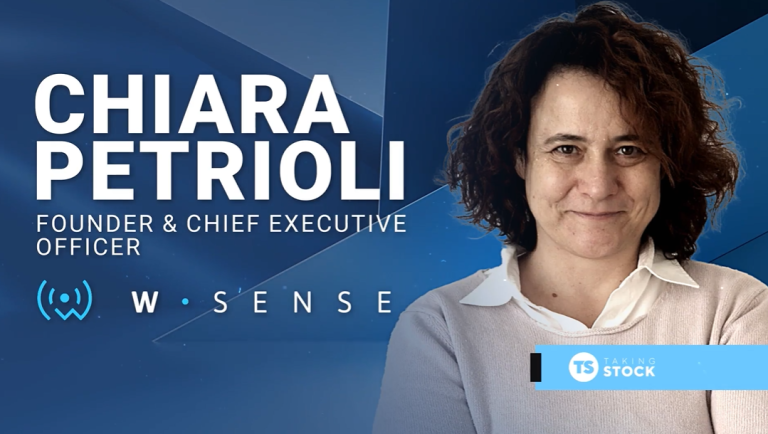
Endeavor describes itself as a global network for high-impact entrepreneurs — selecting, supporting, and investing in category-defining companies transforming economies worldwide. One of those companies is Europe’s WSense — a deep-tech innovator that is pioneering underwater ocean Wi-Fi.

In this exclusive interview from the New York Stock Exchange, CEO Chiara Petrioli joins Ashley Mastronardi to explain how WSense is solving one of the biggest technological gaps on the planet: underwater connectivity. WSense is building what it calls the “Internet of Underwater Things,” enabling real-time communication between distributed underwater sensors, autonomous drones, energy infrastructure (including offshore oil & gas), subsea telecom cables and maritime construction sites.

They also discuss the role of Endeavor, the global entrepreneurship network supporting WSense’s hyper-growth journey — providing mentorship, investor access, and a trusted community of unicorn founders helping scale breakthrough companies worldwide.

Moment of Truth for AI: A Conversation With Kai Wu

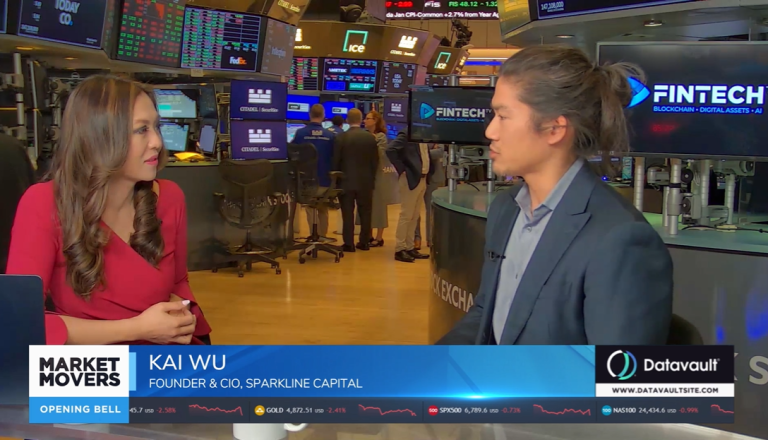
Kai Wu, the founder & CIO of Sparkline Capital, joins Remy Blaire to discuss how AI is facing volatility amid disruption and sell offs. They also have a conversation on the reaction of investors and how the industry is facing underlying overvaluation concerns.

Finally, they have a conversation on the speed of AI adoption and how business ventures can benefit from Sparkline Capital’s research.