[stock-market-ticker symbols=" ^NYA;CRYPTO:BTC;CRYPTO:ETH;CRYPTO:USDT;CRYPTO:USDC;CRYPTO:BNB;CRYPTO:ADA;CRYPTO:XRP;CRYPTO:SOL;CRYPTO:DOGE " stockExchange="NYSENASDAQ" width="100%" transparentbackground=1 palette="financial-light"]

Home Blog Page 82

Navigating the D-Gen Economy: Insights from Stocktwits CEO Howard Lindzon

Howard Lindzon, co-founder and CEO of Stocktwits joins Remy Blaire to discuss the concept of the “D-Gen economy,” a term Howard coined to describe the evolving landscape of retail investing, where younger generations are increasingly engaging in stock trading and betting, often blurring the lines between the two.

Howard highlights the significant shift in retail investor participation, noting that they now account for 25% of all stock market trading volume. We discuss how the gamification of investing has transformed over the years, moving from the confetti celebrations of platforms like Robinhood to a more integrated experience where users can bet on sports and trade stocks seamlessly.

As we explore the broader economic landscape, Howard points out the trend of de-globalization and its implications for investors. He emphasizes the importance of mentorship for younger generations navigating this complex environment, especially as they face challenges stemming from the Covid-19 pandemic and shifting societal norms.

We also touch on the role of prediction markets as a new form of media, allowing individuals to gauge public sentiment and market trends without the biases often found in traditional news outlets. Howard encourages young investors to seek mentorship, start investing early, and maintain a journal to track their thoughts and decisions.
Navigating the Liquidity Crunch: Insights from Key Advisors Wealth Management

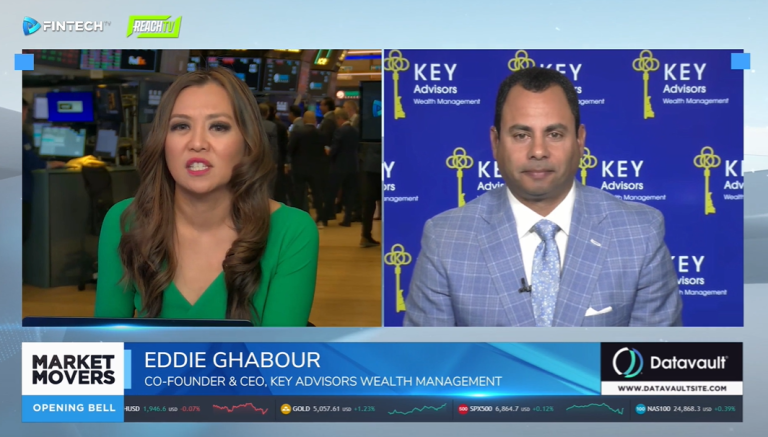
Eddie Ghabour, co-founder and CEO of Key Advisors Wealth Management joins Remy Blaire to discuss the recent turmoil in the $1.8 trillion private credit market, highlighted by a significant drop in shares of Blue Owl Capital, which fell 10% to their lowest level in over two years. The company has restricted withdrawals from one of its key funds, prompting concerns about a liquidity crunch and the underlying risks associated with the tech sector’s massive debt.

Eddie, who had previously predicted a 20% correction in tech stocks for the first half of the year, shares his insights on whether Blue Owl’s situation is an isolated incident or indicative of broader issues in private credit. He emphasizes the importance of caution, especially if funding becomes more difficult for companies in the AI sector.

We also explore the outlook for the second quarter, with Eddie predicting that earnings growth for major tech companies, particularly in software, will continue to decelerate. He believes this trend will extend to semiconductors and the broader Nasdaq, suggesting that the best time to re-enter tech trades may be late in the second quarter or early in the third quarter.

As we approach Nvidia’s earnings report, Eddie highlights its significance as a potential turning point for the tech market. A negative market reaction, even to strong earnings, could signal trouble for the semiconductor sector and the broader tech landscape.

In light of these challenges, Eddie is rotating into value sectors such as energy, homebuilders, and international exposure. He advises that investors should look for signs of stabilization in earnings growth before considering a return to technology investments.

Launching into the Future: Starfighters Space Role in the New U.S. Space Race Market

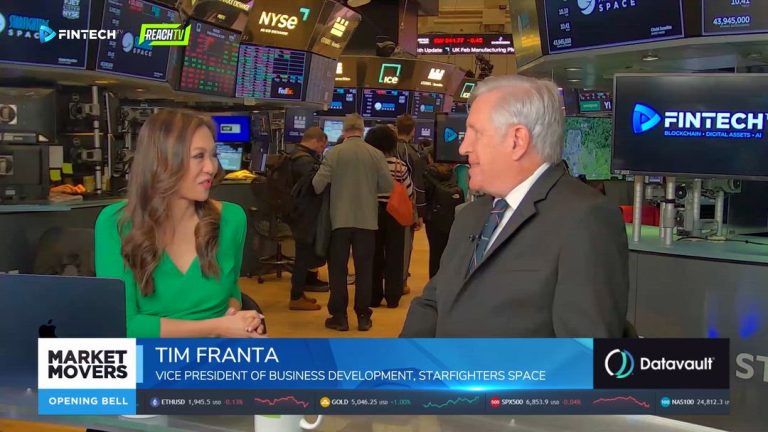
Tim Franta, Vice President of Business Development at Starfighters Space joins Remy Blaire to discuss the current U.S. space race, highlighting the competition between NASA, private companies like SpaceX and Blue Origin, and China’s rapidly advancing space programs.

Tim explains that Starfighters Space focuses on two main areas: conducting high-altitude, high-speed research using supersonic jets and launching small payloads into suborbital space, with plans to eventually reach orbital launches. He likens their operations to an “Uber for space,” emphasizing their role in the commercial space sector, which is becoming increasingly important as the industry evolves.

We discuss the company’s mission and goals, particularly in light of the upcoming IPOs in 2026 and the broader implications for the space industry over the next decade. Tim expresses excitement about the potential for inexpensive space flights to revolutionize research and commercial development, similar to the impact of mobile apps.

Addressing national security concerns, Tim notes that the U.S. is currently behind China and Russia in hypersonic technology but remains optimistic about recent government initiatives aimed at advancing research in this area. He highlights the shift from government contracts to commercial procurement, indicating a significant change in how the space sector operates.

Finally, we touch on the growth potential within the commercial space sector, with Tim predicting that upcoming developments, particularly with SpaceX, could significantly elevate the entire industry.

Market Volatility: Analyzing Economic Data and Geopolitical Tensions

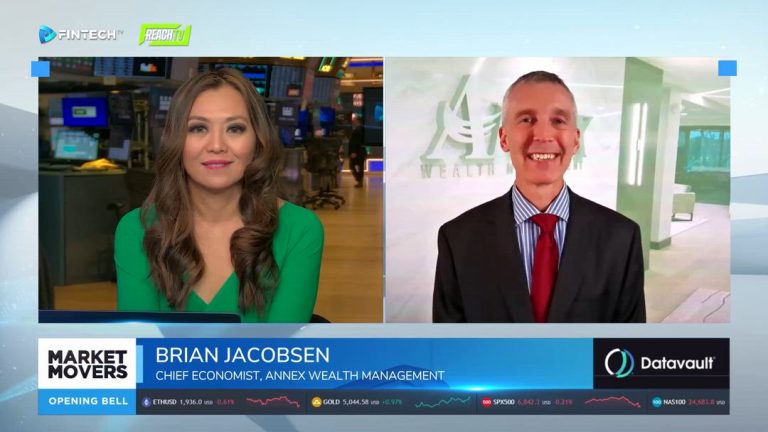
Brian Jacobsen, the Chief Economist for Annex Wealth Management joins Remy Blaire to provide insights on the recent GDP and inflation figures. We dive into the latest economic data and its implications for the markets as major stock averages experience a pullback, particularly in private credit stocks, amid concerns over private loans. We also discuss the recent surge in crude oil prices, with Brent and WTI reaching their highest levels since last year, fueled by geopolitical tensions, particularly regarding Iran.

Brian notes that while inflation had been trending down, recent tariff impositions have caused a shift, leading to concerns from the Federal Reserve. We also explore the potential impact of the Supreme Court’s ruling on Trump’s tariffs, which could have significant ramifications for the markets and consumer refunds.

Brian shares his thoughts on the energy sector, highlighting the recent rise in oil prices and the performance of energy stocks, while cautioning that this may not be sustainable in the long term. We also touch on the private credit market, discussing the challenges and risks associated with investing in this area, particularly in light of recent asset sales by firms like Blue Owl.

Finally, we look ahead to Nvidia’s upcoming earnings report, which is anticipated to be a major market mover given the company’s pivotal role in the AI and data center sectors.

Economic Insights: Analyzing Q4 2025 Growth and Inflation Trends

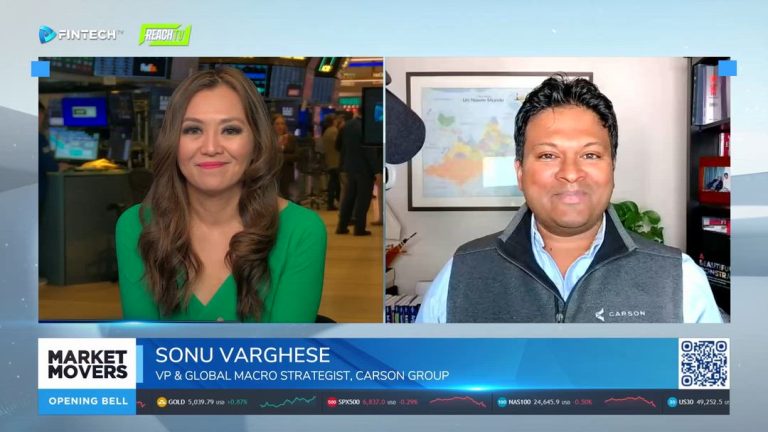
Sonu Varghese, VP and Global Macro Strategist at Carson Group joins Remy Blaire to provide insights into the economic landscape. In this episode, we dive into the latest U.S. economic data, which reveals a 1.4% annualized growth rate for Q4 2025, alongside a PCE inflation gauge of 2.9%. We discuss the implications of rising oil prices, particularly in light of potential military actions in Iran, and how these tensions could impact the economy.

Sonu highlights that while GDP growth has eased due to government shutdowns, real private final demand remains relatively strong at 2.4%.

They explore the Federal Reserve’s position, noting that with inflation above their target, further rate cuts may not be on the horizon. They also touch on the disconnect between Wall Street and Main Street, emphasizing how rising corporate margins are boosting stock prices while affordability concerns, especially in the housing market, persist. Sonu explains the current labor market dynamics, where despite stagnant hiring, the employment rate for prime-age workers is at a historic high.

Finally, ahead of Nvidia’s earnings next week, Sonu anticipates that the company’s performance will reflect the broader trend of AI-related investments driving economic growth.

The “AI Disruption” Sell-Off: Is the Worst Finally Over?

0

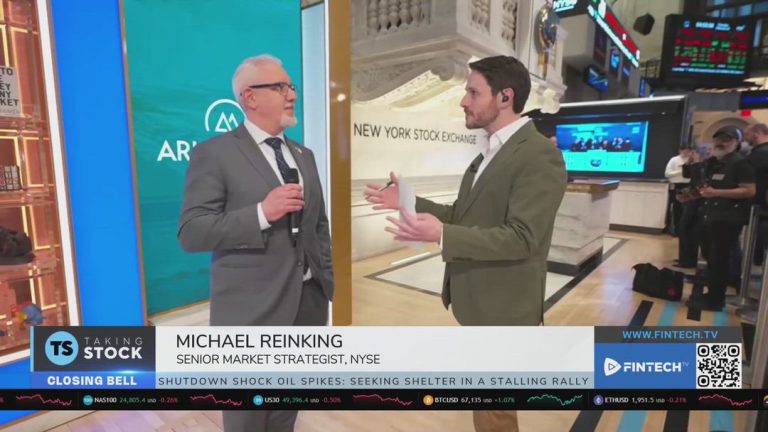
Senior market strategist Michael Reinking joins the show from the New York Stock Exchange to break down the latest market action, highlighting rising intraday volatility, sector rotation trends, and key technical levels investors are watching. He explains how options expiration, geopolitical tensions, and shifting sentiment have driven recent market swings, with defensive sectors like utilities, energy, and industrials gaining while tech and consumer discretionary lag on risk-off days. Reinking also discusses how last week’s “AI disruption” sell-off across industries from software to financials has begun to stabilize, though markets remain sensitive to incoming data, particularly the closely watched PCE inflation report favored by the Fed. He notes that traders are also focused on potential headlines from the Supreme Court of the United States regarding tariff-related cases tied to the Donald Trump administration and companies such as Costco. Technically, he points to a tight trading range that has defined markets this year, with downside support near recent lows and the much-anticipated 7000 level on the S&P 500 serving as the major upside milestone investors are eager to see breached.

How to Launch Your Biggest News at Money20/20 Asia in Bangkok

0

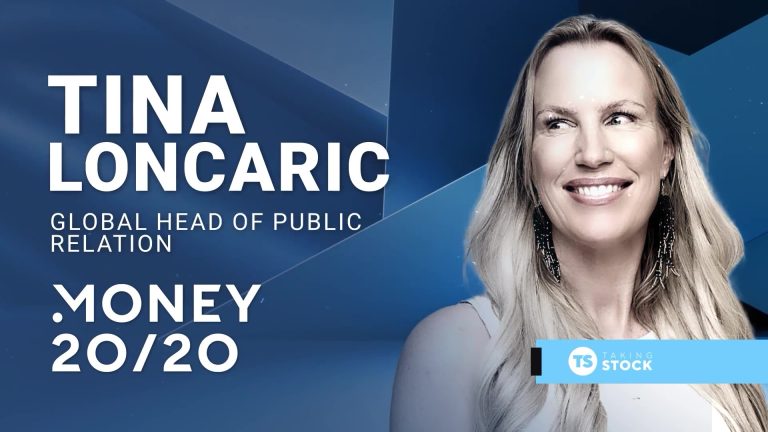
In this exclusive one-on-one interview, Tina Loncaric, Global Head of Public Relations at Money20/20, shares key insights on how companies can prepare impactful announcements for Money20/20 Asia, taking place in Bangkok from April 21–23. She explains how delegates, sponsors, and exhibitors can submit their biggest announcements ranging from product launches and partnerships to mergers, acquisitions, and research reports for the event’s “Call for Breaking News,” a unique opportunity to unveil exclusive stories live on stage before global media. Loncaric emphasizes that submissions must be completely original, under embargo, and presented by senior leaders directly involved in the news, with partners included on stage for joint announcements. She also highlights how selected companies benefit from pre-event promotion, on-site media interviews, and worldwide exposure, making the showcase a powerful platform to launch major industry news to an international audience.

The Evolution of Hospitality: Profitability, Inflation, and Season 10 of Bar Rescue

0

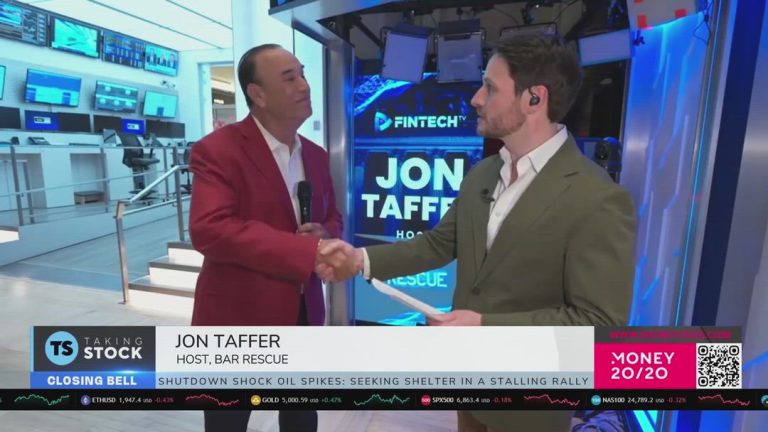
Host J.D. Durkin hospitality expert and TV personality John Taffer to the New York Stock Exchange for a lively conversation about the evolution of the bar and restaurant industry and the success of his hit show Bar Rescue, now in its 10th season after more than a decade on air. Taffer shares insights on how the industry has shifted from rapid expansion to profitability-focused strategies, leading many operators to close marginal locations while adapting to post-pandemic consumer habits, labor challenges, inflation pressures, and even the impact of GLP-1 medications on dining behavior. He explains why some restaurateurs see these trends as opportunities, such as offering smaller portions at adjusted prices to maintain margins while meeting changing demand. Taffer also offers candid advice for aspiring hospitality entrepreneurs, stressing that most bars don’t fail they simply run out of money so having sufficient startup capital is critical. The interview wraps with fun rapid-fire questions, where Taffer reveals his least favorite drink to order, his pick for a favorite NYC bar employees Only and why he believes banning cell phones could bring back the social magic that makes bars thrive.

Navigating Volatility: Economic Insights for 2026 with Paul Gruenwald

0

On this episode Remy Blaire speaks with Paul Gruenwald, Global Chief Economist at S&P Global Ratings, from the New York Stock Exchange to break down the 2026 market outlook. As bond yields return alongside heightened volatility, markets are adjusting to a new era shaped by geopolitical fragmentation and persistently elevated terminal rates, shifting the focus from timing rate moves to identifying where the new neutral level lies. Gruenwald explains that despite earlier concerns about tariffs, the economy entered the year in solid shape, supported by labor market resilience and a surge in investment tied to data centers and AI. He points to potential upside driven by productivity gains from artificial intelligence, echoing historic skepticism like that of Robert Solow, while noting early signs that AI may already be boosting growth. Still, risks remain, including narrow growth concentration, possible labor market weakness, or financial volatility. On policy, he expects the Federal Reserve to hold rates steady in early 2026 before cutting later in the year, while the European Central Bank is likely finished tightening, the Bank of Canada may have one move left, and the Reserve Bank of Australia has recently raised rates. Overall, he notes that relatively strong U.S. growth and higher rates could continue supporting the dollar, as markets balance lingering risks against the transformative potential of AI-driven productivity.

Navigating Market Rotation: Trends in U.S. Equity and Indexing

Tim Edwards, Managing Director and Head of Index Investment Strategy at S&P Global joins Remy Blaire to explore the evolving landscape of capital markets. They examine the significant structural shifts anticipated in the next decade, particularly the potential rotation in U.S. equity market strength beyond the dominant “Magnificent Seven” companies.

Tim highlights the early signs of increased market breadth in 2026, with better performance from equal-weight indices and smaller-cap stocks. They also celebrate the 50-year anniversary of the first index fund tracking the S&P 500, created by Vanguard’s Jack Bogle, and discuss how indexing has transformed investing, saving investors billions in fees compared to traditional actively managed funds.

As they delve deeper, they explore the evolution of indexing beyond core indices, touching on the growing interest in bond markets, cryptocurrencies, and private markets. Tim emphasizes the importance of transparency and benchmarking in these areas, which are still developing.

Finally, they discuss the future of dynamic benchmarks and the increasing availability of tools for investors to manage risk and express market views. Tim notes a shift in how investors are approaching risk management, moving away from a binary “risk on or risk off” mentality to a more nuanced strategy that focuses on specific sectors and industries.