[stock-market-ticker symbols=" ^NYA;CRYPTO:BTC;CRYPTO:ETH;CRYPTO:USDT;CRYPTO:USDC;CRYPTO:BNB;CRYPTO:ADA;CRYPTO:XRP;CRYPTO:SOL;CRYPTO:DOGE " stockExchange="NYSENASDAQ" width="100%" transparentbackground=1 palette="financial-light"]

Home Blog Page 46

Crypto vs Banks: The Stablecoin Battle Heats Up

0

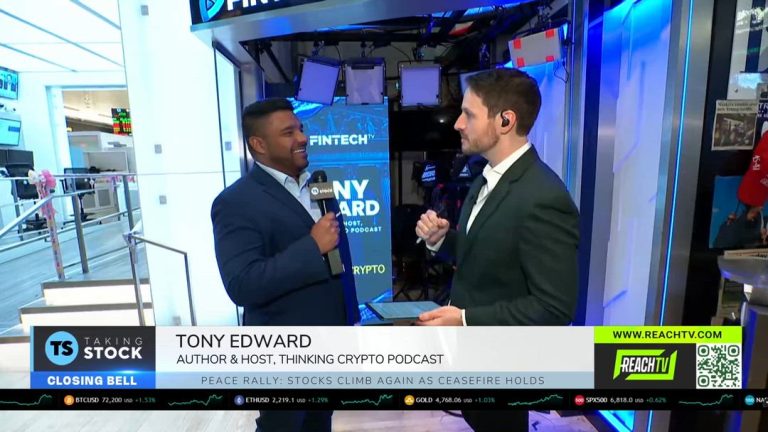
Crypto markets are back in focus as institutional adoption accelerates and regulatory battles heat up in Washington. In this interview, Thinking Crypto podcast host Tony Edward breaks down the significance of Morgan Stanley launching its Bitcoin ETF, highlighting the firm’s massive advisor network and the potential to bring substantial new capital into the crypto space. He also dives into the growing trend of Wall Street embracing crypto through ETFs, tokenization, and broader digital asset integration.

The conversation also explores the ongoing debate around stablecoins and regulation, including the implications of the proposed Clarity Act and why banks are pushing back against yield-bearing crypto products. Tony shares his outlook on Bitcoin, noting a recent relief rally tied to easing geopolitical tensions but warning of potential volatility ahead. From institutional flows to policy shifts, this discussion unpacks the key catalysts shaping the next phase of the crypto market.
Stocks Climb as Geopolitics Weighs on Mood

0

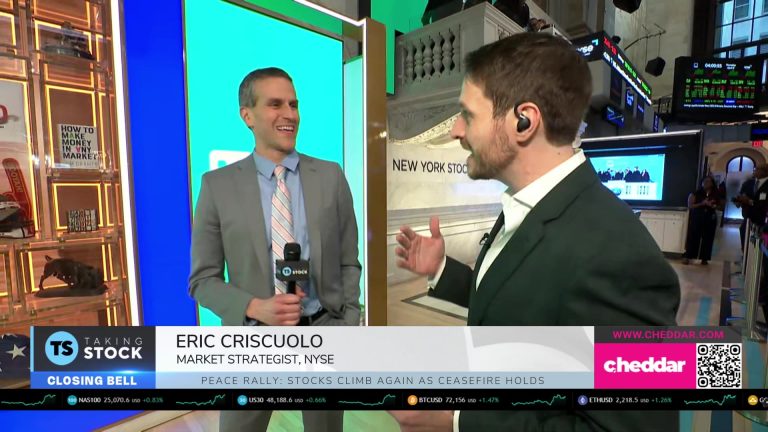
Stocks are extending their winning streak, with both the S&P 500 and Nasdaq logging a seventh straight day of gains even as overall market sentiment feels far more cautious. Speaking from the New York Stock Exchange, market strategist Eric Criscuolo explains why geopolitical tensions, particularly ongoing conflict headlines, are weighing on investor psychology despite the rally. He highlights how markets are reacting less to fear-driven narratives and more to the potential for de-escalation, with recent price action signaling optimism around a possible ceasefire and reduced disruptions to global trade routes.

The discussion also turns to what’s next for investors as attention shifts toward key economic data, including CPI, which could offer the first real look at inflation pressures following the Iran conflict. Criscuolo breaks down the interplay between rising goods inflation, easing housing costs, and the Federal Reserve’s 2% target, while also touching on volatility in tech. As AI-driven momentum continues to favor semiconductors over software with names like Snowflake and Cloudflare taking hits the conversation explores whether upcoming earnings could shift the narrative.

Investing in Stability: How Listed Infrastructure Outperforms in Turbulent Times

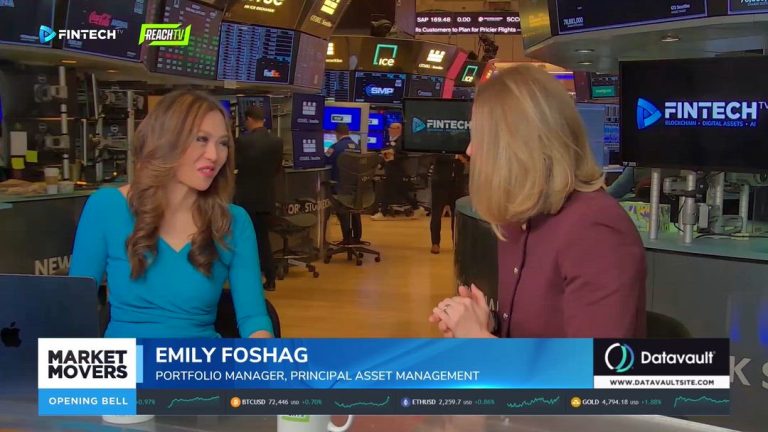
Emily Foshag, a Portfolio Manager at Principal Asset Management Equity Team, joins Remy Blaire to dive into the complexities of the 2026 economic landscape, marked by uneven economic signals and geopolitical tensions, particularly the ongoing Iran war. As investors seek stability, we explore the standout performance of global listed infrastructure, which has outperformed global equities by over 15% during the stagflation years of 2022.

We discuss how listed infrastructure serves as a ballast in volatile times, thanks to its regulated and contracted cash flow streams. Emily highlights the significant growth in regulated utilities, driven by factors such as AI power demand, electrification, and energy transition.

We also touch on the impact of geopolitical events on LNG export infrastructure and the increasing demand for U.S. LNG exports due to the conflict in the Middle East. Additionally, we explore the rising demand for energy from data centers, particularly in relation to artificial intelligence, and how select utilities are well-positioned to benefit from this trend.

Finally, we discuss the transportation sector, specifically railroads, noting a more positive outlook compared to 12-18 months ago, driven by potential M&A opportunities and positive manufacturing data.

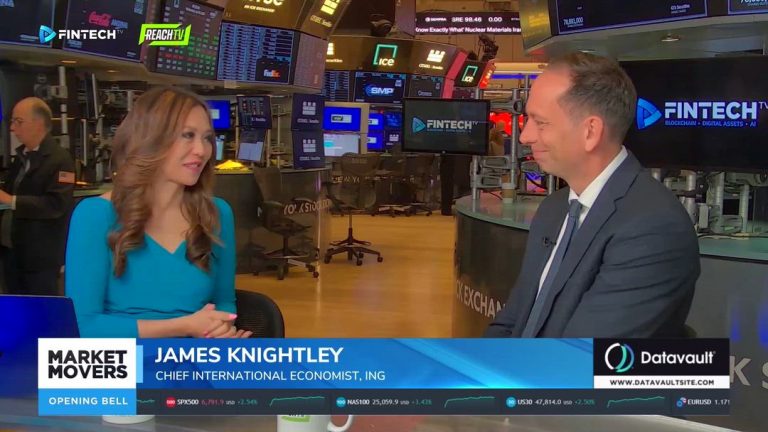
A Cautious Optimism: Analyzing the Impact of Geopolitical Developments on Financial Markets

In this episode of Market Movers, we dive into the significant developments surrounding the recent ceasefire between the U.S. and Iran, brokered with the help of Pakistan’s Prime Minister Shehbaz Sharif. With President Trump suspending military attacks for two weeks, we explore the implications of this temporary agreement and the cautious optimism it brings to the equity markets, both in the U.S. and overseas.

James Knightley, ING’s Chief International Economist, joins Remy Blaire to provide insights into the current economic landscape. We discuss the sharp decline in oil prices, which have dropped below $100 a barrel, and how this impacts inflation and consumer spending. James highlights the uncertainty surrounding oil supply and the lag between oil and gasoline prices, suggesting that while we may see some relief, inflation remains a concern.

We also touch on the recent jobs report, which showed better-than-expected nonfarm payrolls but raised questions about wage growth and the balance between job vacancies and unemployment. James emphasizes the challenges the Federal Reserve faces in navigating these mixed signals.

As we look at global economies, particularly in Europe and Asia, we consider the vulnerabilities they face due to the ongoing situation in the Middle East. James notes that the de-escalation could provide a boost to growth in these regions, while also discussing the importance of diversification in investment strategies.

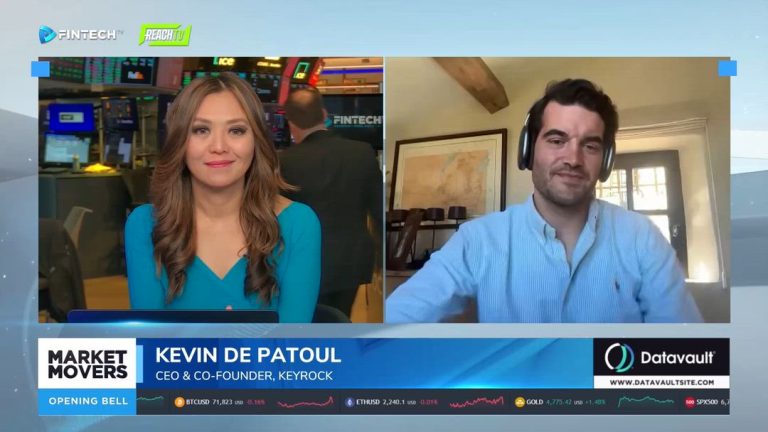
From Crypto to Mainstream: The Role of Banks in Digital Asset Adoption

Kevin de Patoul, CEO and co-founder of Keyrock, joins Remy Blaire to discuss the recent crypto rally. Bitcoin and Ethereum are seeing significant gains, coinciding with a two-week ceasefire in the Middle East conflict. We discuss the FDIC’s approval of a proposal that legitimizes digital assets and provides regulatory clarity for banks issuing stablecoins. This development is part of a broader trend where traditional financial institutions are increasingly partnering with crypto firms, signaling a shift in how digital assets are perceived and utilized in the financial markets.

We have a conversation about the recent $1.1 billion valuation of his company, backed by Standard Chartered and SE Ventures. Kevin emphasizes that we are at a tipping point for institutional adoption of digital assets, moving beyond viewing crypto as an exotic asset class to recognizing it as a technology that can reshape financial markets.

We also explore the infrastructure needs of banks for blockchain adoption, highlighting the efficiency and cost benefits of digital value transfer. Kevin discusses the growth of the Real World Asset (RWA) tokenization market and the importance of unlocking utility for tokenized assets to enhance their value.

As we look ahead to the rest of 2026, we touch on the role of AI in facilitating value exchanges, suggesting a future where autonomous agents may handle most transactions on digital rails.

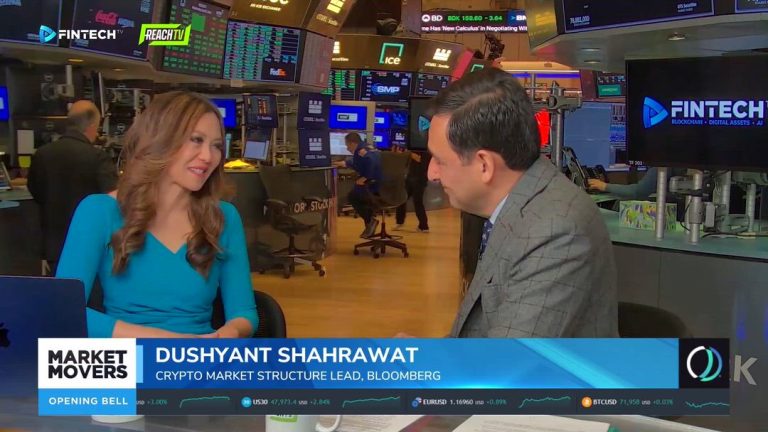
Crypto Relief Rally: Analyzing Bitcoin’s Q1 Struggles and Future Prospects

Dushyant Shahrawat, Bloomberg’s Crypto Market Structure Lead, joins Remy Blaire to discuss the crypto market and the broader financial landscape as we enter Q2 2026. We discuss the recent relief rally in the U.S. and global markets. However, we also highlight that Bitcoin has just experienced its weakest Q1 since 2018, dropping about 22% due to escalating tensions and selling pressure.

Dushyant outlines four key areas of activity: the significant movement towards stablecoins, the tokenization of equities, the growth of decentralized finance (DeFi), and the intersection of blockchain and AI.

We also explore the U.S. regulatory environment, where progress has been made, but challenges remain. Dushyant likens the U.S. crypto industry to a recovering patient, noting that while there have been advancements, particularly with the passage of the Genius Act, more work is needed to achieve regulatory clarity.

Furthermore, we examine how different regions are attracting capital and fostering innovation in the crypto space. The U.S. leads with $4.2 trillion in new capital, despite regulatory uncertainties, while Europe and Singapore are making strides with their regulatory frameworks. The UAE is highlighted as a beacon of hope for crypto regulation, with its proactive approach through the Virtual Assets Regulatory Authority.

Finally, we touch on the recent launch of Morgan Stanley’s Bitcoin ETF, marking a significant milestone for U.S. banks entering the crypto market. This development is seen as a transformative step that could encourage more institutional players to engage with digital assets.

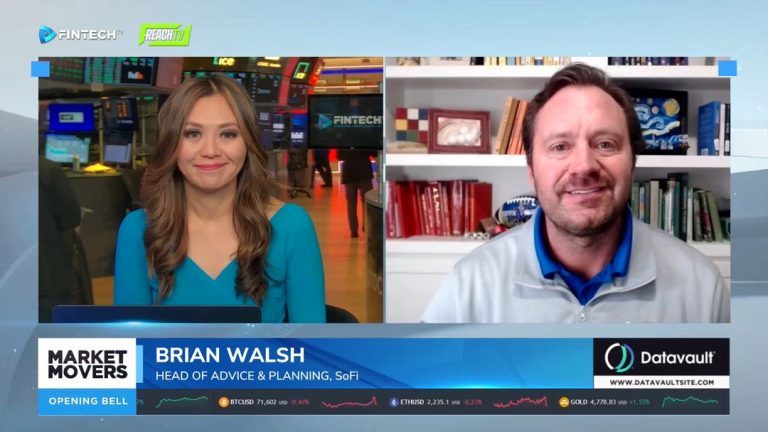
Record Inflows and Shifting Strategies: The Future of ETFs in 2026

In this episode of Market Movers, we dive into the ETF market, which experienced a 32% increase in inflows in 2025, culminating in a record-breaking January 2026. Brian Walsh, Head of Advice and Planning at SoFi, joins Remy Blaire to share his insights on the evolving landscape of ETFs.

Brian highlights the shift from passive to actively managed funds, as investors seek more tailored solutions for their portfolios. Thematic ETFs are gaining traction, but with this opportunity comes significant risks, particularly due to the extreme dispersion in returns. He emphasizes the importance of due diligence, whether the fund is actively managed or passively indexed, and how understanding the fund’s focus can impact performance.

We also discuss the current market dynamics, including a risk-off sentiment among investors driven by geopolitical tensions and inflation concerns. As a result, many are turning to dividend and income-focused ETFs as safer alternatives to traditional bonds. Brian explains how these funds can provide higher income levels but also come with increased risk, making it crucial for investors to consider their overall portfolio strategy.

Fed Signals Possible 2026 Rate Cut as Inflation Outlook Remains Uncertain

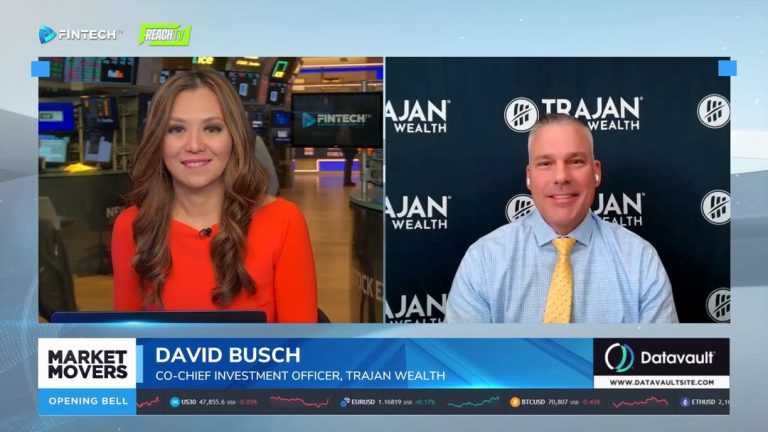
In this episode of Market Movers, we dive into the latest insights from the March Fed Minutes, which indicate that the Federal Reserve still sees a potential rate cut in 2026, with one cut expected this year if inflation aligns with their forecasts. David Busch, Co-Chief Investment Officer for Trajan Wealth, joins Remy Blaire to discuss the mixed signals from the Fed regarding inflation and the labor market.

We explore the implications of the upcoming CPI figures, particularly in light of the recent surge in oil prices due to geopolitical tensions. David highlights that the CPI may rise by one percentage point due to these oil price shocks, which could impact consumer demand, given that the U.S. economy is heavily driven by consumer spending.

Additionally, we touch on the performance of major tech stocks, particularly the Mag 7. While Meta has seen a significant spike, Tesla’s recent downturn raises questions about demand for electric vehicles. David emphasizes the importance of large-cap tech and the evolving landscape influenced by AI advancements, suggesting that traditional sectors will play a crucial role in supporting this growth.

“Tale of Two Markets”: IPO Boom Surges While Main Street Stays Resilient

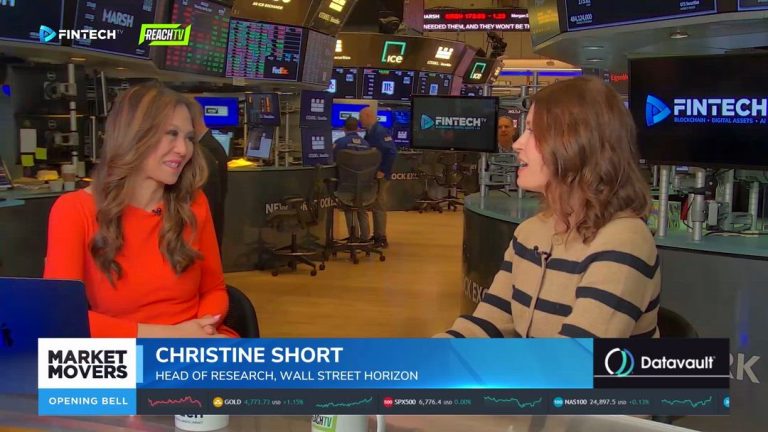
In this episode of Market Movers, we dive into the upcoming Q1 2026 earnings season, which kicks off next week with major banks like JPMorgan, Citi and Wells Fargo reporting their results. Christine Short, Head of Research at Wall Street Horizon, joins Remy Blaire to discuss the state of the markets, highlighting a “tale of two markets” where Wall Street is buzzing with IPO activity, including SpaceX’s confidential filing, while Main Street shows resilience through strong consumer spending, particularly in the movie theater sector.

Christine emphasizes the importance of earnings reports as a reality check for the economy, noting that financials are expected to perform well with significant year-over-year growth. We also explore the implications of the recent IPO momentum, with several tech companies potentially going public this year, including OpenAI and Anthropic.

Shifting our focus to consumer behavior, we discuss how the middle and lower-income consumers are increasingly turning to affordable experiences like movie outings, despite rising costs in other areas. Christine provides insights into the labor market and inflation, indicating that consumers have adapted to higher prices, particularly for essentials like gasoline.

As we approach Tax Day on April 15, we touch on the potential impact of increased tax refunds on consumer spending, which could provide some relief amid rising costs.

Inflation Insights: What the Latest Data Means for Consumers and Corporations

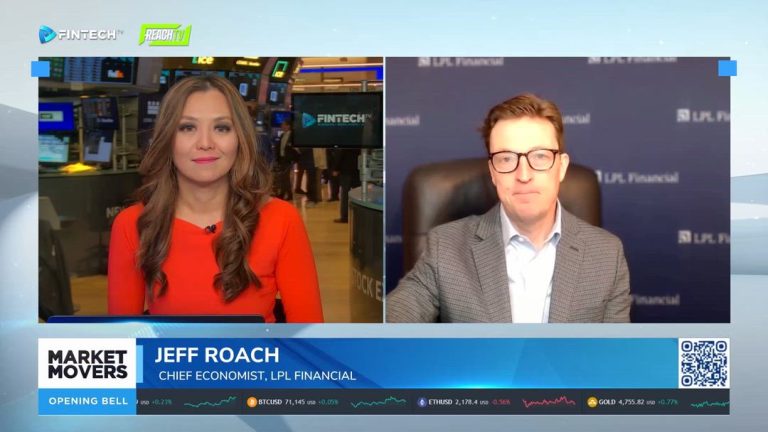
Jeff Roach, Chief Economist at LPL Financial, joins Remy Blaire to discuss the current state of the U.S. economy and the markets, particularly in light of recent geopolitical events and economic data. We discuss the latest economic indicators, including the Fed’s preferred inflation gauge, which remains elevated, and the March ISM services report that shows continued expansion but at a slower pace.

Jeff highlights that economic growth was softer in the fourth quarter and anticipates a weaker figure for Q1, projecting growth around 2%. Jeff emphasizes that inflation is likely to remain sticky, particularly in the services sector, and we may not see significant improvement until late Q3 or Q4.

As we look ahead to tomorrow’s CPI figures, Jeff notes the importance of understanding consumer behavior, especially regarding rising gas prices. We also touch on the upcoming earnings season and the potential impacts of the ceasefire with Iran, particularly on global energy markets. Jeff believes that while the U.S. economy may be somewhat insulated, Europe and Asia will feel the effects more acutely.