[stock-market-ticker symbols=" ^NYA;CRYPTO:BTC;CRYPTO:ETH;CRYPTO:USDT;CRYPTO:USDC;CRYPTO:BNB;CRYPTO:ADA;CRYPTO:XRP;CRYPTO:SOL;CRYPTO:DOGE " stockExchange="NYSENASDAQ" width="100%" transparentbackground=1 palette="financial-light"]

Home Blog Page 192

Empowering the Unbanked: Orange Money and Jumo’s Partnership for Financial Inclusion

Polly Jean Harrison, Features Editor of the Fintech Times, joins Remy Blaire to discuss some exciting developments in the financial technology sector, particularly in Europe and the Middle East.

The discussion begins with the announcement of a partnership between Orange Money Group and Jumo, a banking as a service FinTech provider. This collaboration aims to enhance financial inclusion by introducing new microcredit solutions for unbanked communities in the Middle East and Africa. Polly explains how this partnership leverages data analytics and AI to optimize credit allocation, allowing customers to securely request credit via their mobile devices without needing a bank account or collateral. This initiative is set to create a new microfinance marketplace, which is particularly promising for emerging markets.

Analyzing the July Jobs Report: A Weakening U.S. Labor Market

“You don’t have much demand growth in the labor market going on.” – 01:54

Satyam Panday, Chief U.S. & Canada Economist at S&P Global Ratings, joins Remy Blaire to discuss the current state of the U.S. labor market and the implications of recent economic data, particularly focusing on the July jobs report. 

The pair explore the broader implications of the employment report, noting that the labor market has shown signs of significant weakening over the past several months. Factors contributing to this trend include both demand and supply slowdowns, influenced by immigration policies and cyclical economic factors. 

As the implementation of new tariffs are approaching, Satyam examines the potential market reactions and long-term implications of these trade policies. With an effective tariff rate nearing 18% on imports, we anticipate further inflationary pressures as negotiations continue.

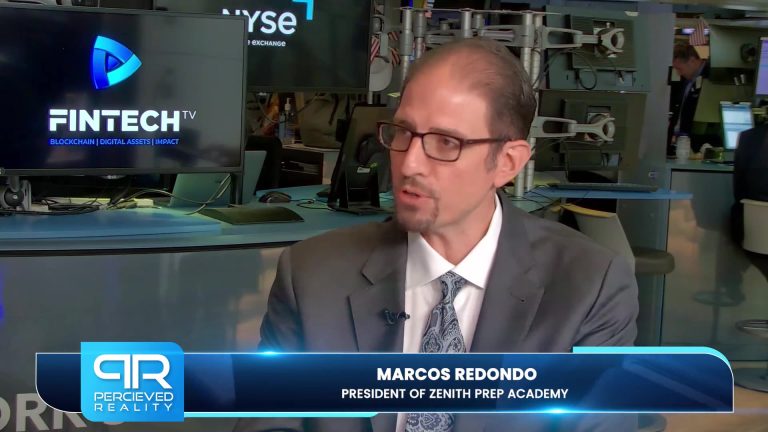
The College Prep Industry Is Broken—Zenith Prep Academy Is Rebuilding It

0

Marcos Redondo, President of Zenith Prep Academy, is redefining college prep by starting earlier, prioritizing EQ, and preparing students for life, not just admissions. With a data-driven, multi-specialist approach, his firm is helping families navigate the shifting education system while building confident, capable young adults ready for success beyond college.

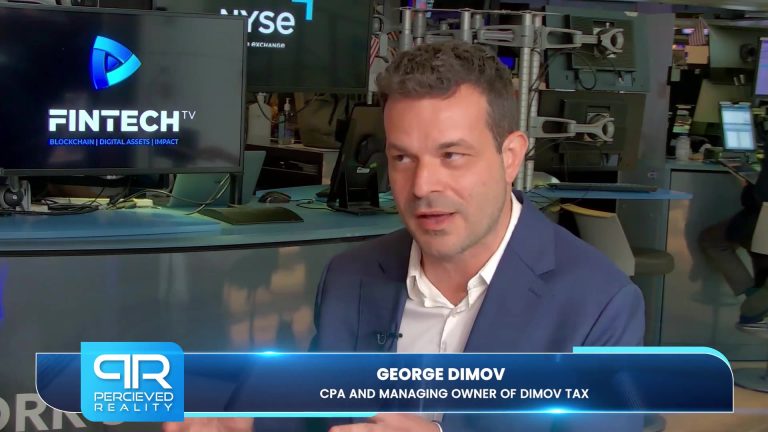
Why Most DIY Tax Filers Overpay and What George Dimov Wants You to Know

0

George Dimov helps professionals and business owners avoid costly tax surprises through proactive planning, customized structures, and hands-on strategy. From crypto gains to equity compensation, his firm simplifies complex tax laws, ensuring clients don’t just file on time, but win long-term with every decision.

Market Reactions: Analyzing the Impact of the Weaker Jobs Report

“When I looked at a year-to-date performance of the Mag 7, you have Nvidia, Meta, Microsoft knocking the cover off the ball.” – :03:31

Steve Sosnick, Chief Strategist at Interactive Brokers, joins Remy Blaire at the New York Stock Exchange to discuss the recent turmoil in U.S. stocks, which are deep in the red following a weaker-than-expected jobs report for July. Nonfarm payrolls increased by just 73,000, and the unemployment rate rose to 4.2%. This disappointing data comes on the heels of a hotter-than-expected P.C. and a Q2 GDP that exceeded forecasts after earlier contractions.

The pair also discussed the mixed economic data from the week, including a better-than-expected GDP reading of 3% and the implications of a hotter Core P.C. on the Fed’s dual mandate. Steve emphasizes the importance of monitoring the yield curve as a key economic indicator, especially in light of the current labor market concerns.

Lastly, Steve touches on the upcoming implications of tariffs and the potential for negotiations as the deadline approaches. With the S&P 500 down about 100 points, Remy & Steve discussed key moving averages to watch as traders navigate this uncertain market environment.

Market Reactions: Analyzing the Latest Jobs Report and MAG 7 Earnings

“You can have good earnings, good guidance, and good revenues, and the stock will sell off.” – 01:56

Peter Tuchman, Senior Floor Trader at TradeMas, joins Remy Blaire at the New York Stock Exchange to discuss the latest economic developments and earnings reports that are shaping the market landscape.

The pair focus on the MAG 7 companies—Microsoft, Meta, Amazon, and Apple—who recently reported their earnings. Microsoft made headlines by joining the four trillion dollar club, driven by a surge in demand for cloud services and AI. Meta saw a significant rebound, with shares jumping 12% as its core advertising business showed signs of recovery. In contrast, Amazon’s shares fell despite beating revenue expectations, primarily due to disappointing results from Amazon Web Services. Apple also exceeded third-quarter expectations, bolstered by strong iPhone sales as consumers rushed to purchase devices ahead of potential tariff-induced price hikes.

Lastly, Peter analyzes the current state of the S&P 500, which remains elevated despite recent pullbacks. Peter emphasizes the importance of buyer conviction in the market, with significant capital still on the sidelines, ready to invest. He anticipates that fresh money will flow into the market as we enter a new month, despite the complexities and uncertainties that lie ahead.

Coinbase growth, ‘Project crypto’, Strategy IPO, Conviction overturned

0

Coinbase envisions becoming an “everything” app. SEC debuts project crypto, goal is to bring financial markets on chain. Michael Saylor’s Strategy has largest IPO of 2025, and former OpenSea employee Nathaniel Chastain successfully appeals conviction. Jane King with the latest from the NYSE

JPMorgan Coinbase, Bitcoin cooling?, Crypto regulations, Indonesia crypto 

0

JPMorgan will allow crypto purchases with Coinbase. Coinbase premium on bitcoin turns lower after Fed meeting. Crypto working group calls for regulatory clarity, and Indonesia hikes crypto tax sales. Jane King with the latest from the NYSE.

Understanding Ethereum’s Yield: What It Means for Investors

Andy Baehr, Head of Product and Research at Coindesk Indices, joins Remy Blaire at the New York Stock Exchange to discuss Ethereum, which has grown to become the second largest blockchain in the crypto space since its launch in 2015.

The pair explore Ethereum’s transition from a mining mechanism to a staking mechanism, which allows users to secure the network by committing their ETH in exchange for a yield of around 3%. This democratized approach has led to about 25-30% of all Ethereum being staked, providing a steady yield for participants.

Andy also sheds light on the recent performance of ETH, which has more than doubled since its low in April, and the implications of the validator queue. The time to unbond from validator networks has increased, raising concerns about potential selling pressure. However, the pair broke down how recent changes in the validator framework might indicate a technical effect rather than a bearish signal.

Navigating Interest Rates: The Fed’s Dilemma Amidst Inflation and Tariffs

Sonu Varghese, Global Macro Strategist at Carson Group, joins Remy Blaire to discuss the recent decision by the Federal Reserve to keep interest rates unchanged following their July meeting. While two members of the FOMC advocated for a 25 basis point rate cut, Chair Powell expressed concerns about inflation, particularly in light of the impact of tariffs. 

Sonu highlights that Powell’s hawkish tone reflects a labor market close to maximum employment, but persistent inflation remains a concern. We also examined the latest core inflation data, which showed an annualized increase of 3.1% in June, indicating that inflation issues are far from resolved.

As we approach the end of July, the pair discuss the recent Q2 GDP report, which, despite topping expectations, revealed a slowdown in core economic activity. Sonu points out that real final demand is growing at just 1.2%, a significant drop from previous years.