[stock-market-ticker symbols=" ^NYA;CRYPTO:BTC;CRYPTO:ETH;CRYPTO:USDT;CRYPTO:USDC;CRYPTO:BNB;CRYPTO:ADA;CRYPTO:XRP;CRYPTO:SOL;CRYPTO:DOGE " stockExchange="NYSENASDAQ" width="100%" transparentbackground=1 palette="financial-light"]

Home Blog Page 112

Markets Close 2025 Strong as Tech Leads and Fed Succession Fuels 2026 Bets


It is the penultimate trading day of 2025, a term that seldom comes into play, but today, it serves as an apt description of the market scenario. The information technology sector of the S&P 500 leads the market, demonstrating a remarkable growth of 25% throughout the year. As we approach the end of December, speculation about a potential interest rate cut from the Federal Reserve remains the subject of much debate, with odds barely surpassing 20%. Furthermore, with only a few months left of Jay Powell’s tenure as Fed Chair, the financial world is paying close attention. The President has hinted that he might announce Powell’s replacement soon, with Kevin Hassett and Kevin Warsh emerging as the leading candidates.

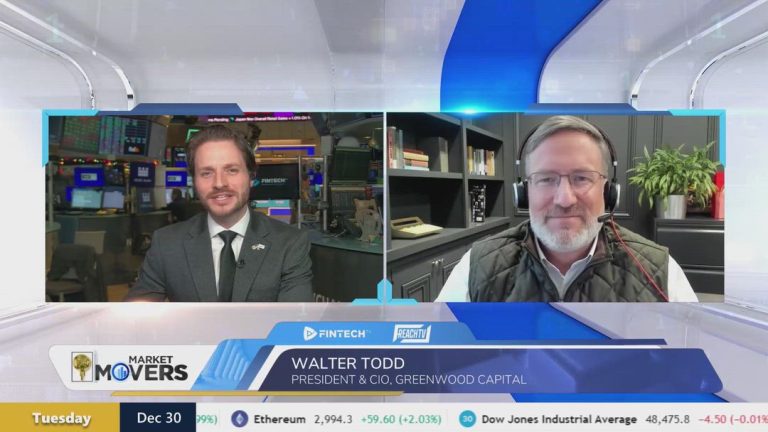
In this context, Walter Todd, the president and chief investment officer of Greenwood Capital, joins the conversation. The S&P 500, having surged more than 40% from the lows experienced earlier in the year, is the focus of speculation concerning its capability to maintain momentum into 2026. Walter Todd expresses an optimistic outlook for January and emphasizes the significance of the first five trading days of the year as indicators of future trends. As critical labor data and news regarding the new Fed Chair are anticipated in the first weeks of 2026, there is much at stake.

Speaking on historical market trends, Todd acknowledges that midterm election years might induce volatility, with a typical pattern of weakness leading into the fall. Still, post-election periods have historically yielded gains, making the 12 months following a midterm election highly suitable for investors. With political dynamics rapidly evolving, and the potential for a Democratic-controlled House and Senate based on current trends, investors should brace for fluctuations while also looking ahead to an environment rich with investment opportunities.

When discussing specific sectors that could outperform, Todd notes that technology and communication services have thrived in 2025. However, there are also promising sectors that lagged but are beginning to show signs of recovery—particularly healthcare and energy—which may outperform in the subsequent year. As fiscal policy shifts and new government programs take root, Todd highlights that healthcare typically performs well during midterm elections, suggesting a potential rebound.

An interesting factor to consider is the looming changes within the Federal Reserve. The eventual replacement of Jerome Powell with either Kevin Warsh or Kevin Hassett could dramatically shift not just policy but market sentiment as well. Todd leans towards Warsh, pointing to his established credibility within the market, in contrast to Hassett, whose influence could lead to higher inflationary risks. The timing of this Fed leadership change could be pivotal in shaping market trends moving forward into 2026.

Diving deeper into the volatility of individual stocks, Todd emphasizes that earnings season is where significant action occurs. He reflects on how markets react differently across individual stocks compared to broader indices. For instance, the fluctuations observed in stocks like Oracle and Marvel Technologies could indeed provide strategic opportunities for investor maneuvering. As the earnings season looms, Todd suggests attention should be directed towards the potential for significant movements based on individual company performances.

As we march into the new year, Todd advocates for a cautious approach towards overvaluation. While the current market sentiment leans towards optimism, he stresses the importance of assessing potential downside risks. Given the extraordinary highs of the market relative to historical averages, he warns investors to be prepared for corrections that could disrupt the prevailing narrative of continual growth.

In recapping the discussion, Todd reflects on the cyclical nature of the market, reminding viewers that while historical patterns can serve as useful guides, they are not infallible predictors. The interplay of evolving political landscapes, economic indicators, and the ever-changing marketplace prompted Todd to reinforce the notion of balancing optimism with caution. With much at stake in 2026, it’s critical for investors to remain vigilant, leveraging understanding and strategic insights derived from past performances while being attuned to the unpredictable nature of financial markets.

As we close the chapter on 2025, the convergence of technology, finance, and strategic investment becomes ever more paramount. The ongoing narrative of sustainable investing, amplified by the increasing intertwining of AI, blockchain, and responsible financial practices, paves an exciting pathway ahead for entrepreneurs and investors aiming to make a meaningful impact. The prospects for 2026 remain vibrant, but it is essential that investors remain grounded and prepared for the complexities that lie ahead.
Upexi Bets Big on Solana as Altcoin Treasury Strategy Gains Momentum

0

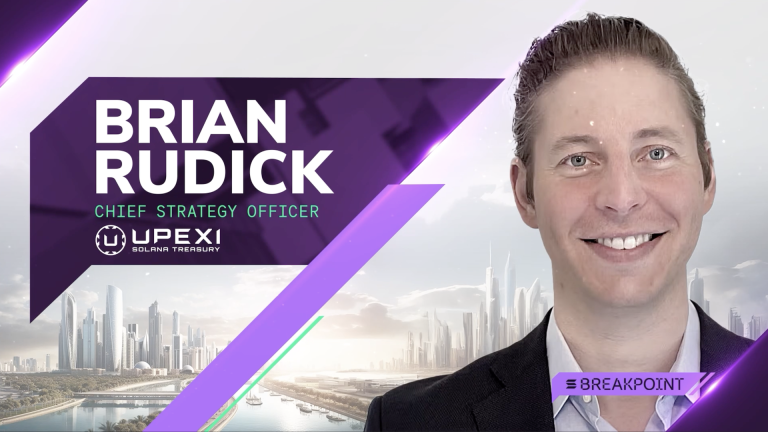
In the vibrant landscape of cryptocurrencies, few voices resonate with the vision of innovation and disruption like Brian Rudick, chief strategy officer at Upexi. Recently at Solana Breakpoint in Abu Dhabi, Rudick shared insights into Upexi’s trailblazing journey in the blockchain industry, highlighted by its strategic engagement with Solana and innovative financial mechanisms that position the company as a leader in the altcoin treasury space.

Upexi, known for its diverse consumer brands and direct-to-consumer sales strategies, has adopted a distinctive approach to harnessing the potential of blockchain technology. The company made headlines earlier this year by successfully executing the first large-scale equity private placement for an altcoin treasury, raising a staggering $100 million in April, followed by an additional $200 million in July. This remarkable capital infusion underscores the steadfast belief in the future of finance moving on-chain, particularly within the Solana ecosystem, which is recognized for its scalability and lower transaction costs.

As Rudick articulated, Upexi’s unique position in the market is driven by its commitment to value accrual mechanisms, leveraging strategies akin to MicroStrategy’s approach. This includes purchasing discounted locked SOL, which provides significant gains while building a productive asset treasury. As of now, Upexi holds approximately $2 million in SOL, positioning the company to benefit from both price appreciation and yield generation through innovative staking mechanisms.

However, the cryptocurrency landscape is not without its challenges. Rudick acknowledged the shifting market dynamics, notably the emergence of an oversupply of treasury companies, which has impacted valuations. With approximately 200 treasury firms vying for attention, the competitive landscape has intensified. Yet, Rudick remains optimistic, attributing this confidence to three key factors: anticipated price appreciation of Solana, potential for multiple expansion with a transitioning bull market, and additional value-generating strategies that exist in parallel to their core operations.

One of the most compelling aspects of Upexi’s strategy is its focus on continuous innovation in capital markets, a point Rudick emphasized during the conversation. Upexi pioneered the first in-kind convertible note, allowing investors to use SOL as consideration. This novel approach offers a distinct risk profile, enhancing appeal for investors while ensuring mutual benefits. As Upexi continues to explore new avenues in yield enhancement through off-chain derivatives, its ability to navigate market volatility while maintaining a risk-averse posture sets a precedent for treasury companies in the space.

Looking ahead, Rudick expressed a bullish outlook on the short to medium-term horizon for cryptocurrencies. Despite a recent market pullback, he noted an upward trend in fundamentals with growing user bases and an influx of developers. Major tech and financial institutions are increasingly experimenting with blockchain technology, fostering optimism. Particularly significant is the upcoming Clarity Act, expected to catalyze institutional investment in the crypto sphere. As Rudick highlighted, historical patterns suggest that when market prices lag while fundamentals thrive, a corrective alignment is inevitable; this assertion opens a world of possibilities for investors navigating the crypto landscape.

In conclusion, Upexi’s journey exemplifies the synergy between consumer branding and blockchain technology, paving the way for a new era of investing influenced by cryptocurrencies. By leveraging unique financial mechanisms and a commitment to innovation, Brian Rudick and his team are not only responding to market demands but actively shaping the future of finance with strategies aligned with sustainability, entrepreneurship, and the ethos of decentralized finance.

As interest in cryptocurrencies continues to surge, companies like Upexi exemplify the potential impact of smart investment strategies and forward-thinking financial frameworks, reaffirming the narrative that digital currencies and blockchain are set to redefine the financial landscape for sustainable investing and beyond.

Crypto Enters Pivotal Phase as Institutional Adoption Accelerates

0

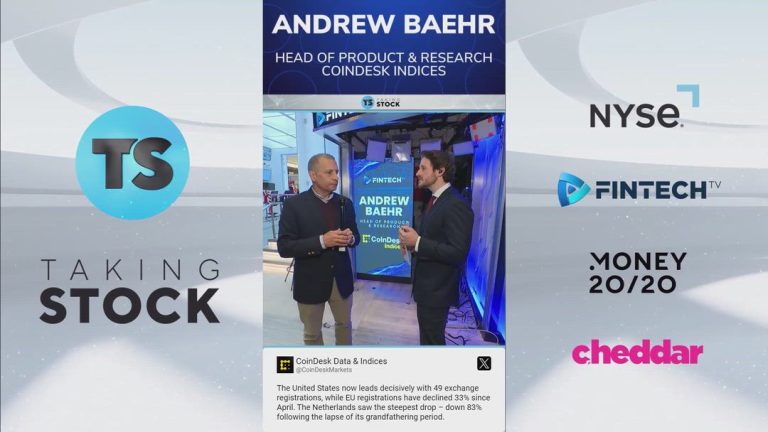
The crypto market is ever-evolving, and insights from experts are crucial to navigating this transformational landscape. In a recent discussion, Andy Baehr, the head of product and research at CoinDesk Indices, provided a thoughtful analysis of the current state of the crypto market as we transition into 2026. His insights touch on various aspects of cryptocurrency, institutional adoption, market trends, and potential future developments within the blockchain ecosystem. Let’s delve into these insights to glean a clearer understanding of the crypto-not just as an investment opportunity, but as a pivotal force in the global financial landscape.

As we bid farewell to the last quarter of 2025, Baehr reflects on a year marked by significant advancements in the cryptocurrency sector. Major companies like Coinbase have made headlines with mergers and acquisitions, stablecoin integrations, and partnerships with payment giants like Visa and Mastercard. These developments signal a slow but steady integration of blockchain technology into traditional financial systems. The term “plumbing of Wall Street” captures this shift, where even banks are beginning to engage in settlement processes related to cryptocurrencies, albeit slowly on the yield side of stablecoins.

However, the recent market fluctuations pose an interesting narrative despite these positive developments. Bitcoin, for instance, saw a drop from $126 to $87, raising questions about its stability and market sentiment. The market’s current state showcases the dichotomy between institutional adoption and retail trading pressures. Baehr mentions that the crypto market has a tendency to be volatile and can shift focus rapidly, reflecting the challenges of the space. This volatility is intensified by external factors, including liquidity events that can cause significant downturns in trading volume and investor confidence.

To make sense of these market trends, Baehr emphasizes the importance of data from CoinDesk Indices, particularly in understanding retail trading patterns and the significant role of derivatives in the market. Approximately two-thirds of all crypto trading is concentrated in derivatives, highlighting a landscape where futures and options play a crucial role. Anticipating the launch of new futures in the United States early next year, he expresses hope that these developments can rekindle institutional interest and trading activity.

Ethereum (ETH) is positioned as a key player moving into 2026, with Baehr asserting it could lead the next rally, similar to previous patterns. Its relationship with decentralized finance (DeFi), stablecoins, and tokenization places Ethereum at the center of the anticipated market evolution. Layer-one solutions and infrastructure developments, including powerful entities like Solana, will also be pivotal as the market matures and adapts to the demands of both institutional and retail investors.

Baehr offers valuable advice as we enter the new year. He recommends patience and a broader perspective, reminding investors to look beyond individual assets. In his words, the mantra is “time in the market, not timing the market.” Employing index products could provide diversification benefits, protecting investors from the pitfalls of attempting to pick individual cryptocurrency winners amidst the noisy and turbulent market conditions.

The overarching message from Andy Baehr remains optimistic about the future of blockchain and cryptocurrency, suggesting that continued regulatory advancements and broader adoption will play significant roles in shaping the sector in 2026. As the landscape changes, understanding the interplay between innovation and regulation will be essential for both seasoned and novice investors interested in capturing the full potential of cryptocurrencies and the underlying blockchain technology.

In summary, as we close the chapter on 2025 and prepare for the upcoming year, staying informed about the latest trends and being adaptable in strategy will be paramount. Cryptocurrency is more than a speculative asset; it represents an ongoing revolution in finance, sustainability, and technological innovation. By aligning with expert insights and market analysis, investors can navigate this dynamic environment with greater confidence and clarity.

Wall Street Sets Its Sights on 2026 as Rate Cuts and Stimulus Fuel Bullish Bets

0

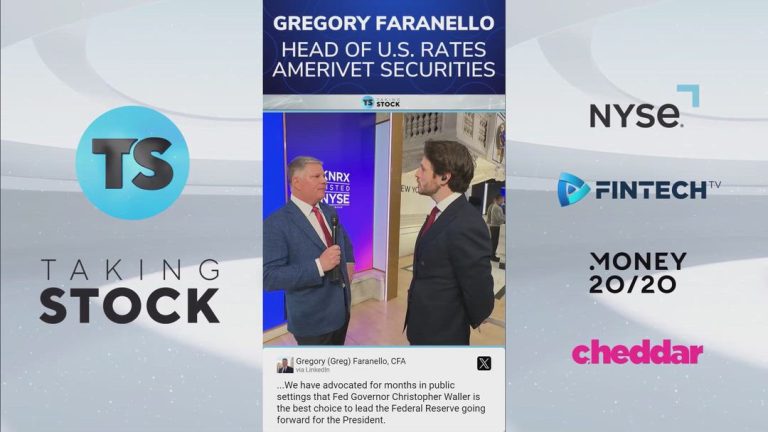
In a recent discussion, Gregory Faranello, the head of US rates at AmeriVet Securities, shared his insights on the current state of the markets and his predictions for 2026. As the year wraps up, there’s a palpable sense of optimism, despite recent market fluctuations characterized by lower volume and year-end adjustments like profit-taking and tax-loss harvesting. So, what does 2026 hold for investors and the economy?

Faranello’s confidence stems from a combination of favorable indicators. He believes that upcoming fiscal stimulus from the reconciliation bill will provide necessary momentum as we enter the new year, accompanied by an anticipated shift in the Federal Open Market Committee (FOMC) towards dovish policies. This change is expected to lower interest rates, which could foster a more conducive environment for growth across various sectors.

Among the key catalysts Faranello identifies for the forthcoming year are evolving policies initiated in 2025 that are set to materialize in 2026. As these policies come into effect, investors can expect positive impacts on market growth. Notably, the anticipated reduction in interest rates — projected to drop by 50 to 75 basis points — could enhance market liquidity and provide fresh opportunities for investment.

On the topic of commodities, specifically precious metals like gold and silver, Faranello revealed a cautious stance. While there has been a notable rally in the prices of these metals, he expressed reluctance to invest at current levels, suggesting that their peaks may have been reached for now. Instead, his focus remains on the broader market trends, particularly the underlying strength of the U.S. economy. The upcoming growth is expected to originate from diverse sectors, indicating a shift toward a more geographically and economically expansive market landscape.

Another significant event on the horizon is the highly anticipated Supreme Court ruling regarding tariff policy, which could alter the landscape for U.S. markets. Faranello indicated that the current administration has shown an “open mindset” regarding tariffs, which may allow for adjustments that could encourage growth. The president’s approach suggests a balance between nurturing economic expansion and controlling the deficit — a philosophy that Faranello believes resonates positively within market circles.

The talk of inflation was also evident in the discussion, with Faranello noting its necessity for managing national deficits effectively. A little inflation, when balanced with growth, can be beneficial; it is a signal of a healthy, expanding economy. This sentiment aligns with broader trends observed in sectors like blockchain technology, cryptocurrencies, and sustainable investing, all of which are integral to current financial discussions.

As we look forward to 2026, Faranello’s insights serve as a reminder that while there may be short-term uncertainties, the long-term prospects remain bright. Investors would do well to keep a close eye on policy developments, economic indicators, and the evolving landscape of fiscal strategies. With the right mindset and strategies, there’s potential for significant opportunities in the years ahead.

To sum it up, Gregory Faranello emphasizes that 2026 could be a defining year brimming with possibilities for investors and entrepreneurs alike. With the right adaptations to evolving policies, market participants could see new avenues for growth, especially within sectors driven by technology, sustainability, and innovative finance.

As we navigate these complex dynamics, keeping abreast of macroeconomic trends and the market’s response will be crucial in making informed investment decisions. The intersection of economic policy, market sentiment, and strategic investing will shape the narrative as we usher in a new year.

Overall, Gregory Faranello’s predictions illuminate a path forward amid market fluctuations. With a careful approach toward identifying trends and opportunities, investors can optimally position themselves for success in 2026 and beyond.

BVR Group Asia Targets Blockchain Growth by Tokenizing Real World Assets

0

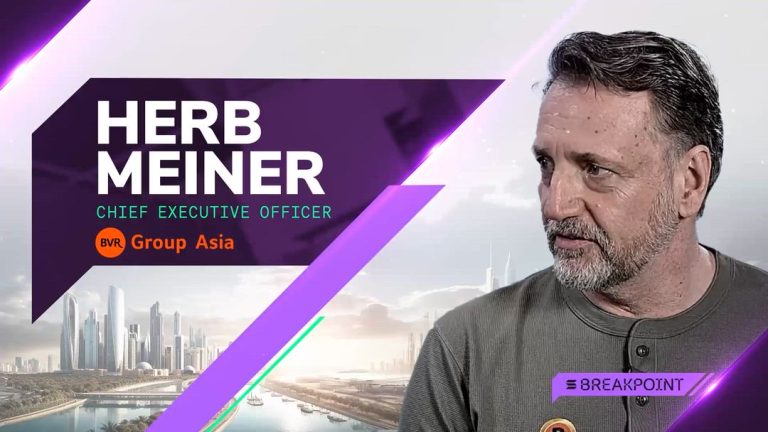
Herb Meiner, co-founder and CEO of BVR Group Asia, shared insights into his company’s evolution at Solana Breakpoint in Abu Dhabi. Based in Bali with several offices across Indonesia and a recent expansion into Japan, BVR Group Asia operates with a broad scope, including 16 divisions in various service industries and approximately 700 employees. Given this strong foundation, BVR Group Asia is looking to innovate within the digital asset space by integrating real-world assets into the growing world of cryptocurrency and blockchain technology.

Meiner’s journey into the crypto realm stems from a keen observation of the market’s evolution. His assertion that the digital asset space is the future aligns with the growing trend of traditional businesses integrating blockchain technology into their operations. While many companies have limited their tokenization efforts to existing financial instruments, BVR Group Asia aims to take a pioneering approach by tokenizing its core businesses and services.

The company is in the process of developing APIs that will integrate with its Point of Sale (POS) systems, which are crucial for its diverse operations. This initiative will serve as the first step towards creating a comprehensive ecosystem where BVR Group Asia’s services can interact seamlessly with blockchain technology. The company plans to launch this integration in the food and beverage sector, as well as within its hospitality and medical divisions, which emphasize longevity and anti-aging services.

By prioritizing internal developments, BVR Group Asia is laying the groundwork for broader implications within the blockchain space. The company envisions a future where all operational businesses are on-chain, allowing them to facilitate transactions through their proprietary BVR token. This token will serve as a multifunctional asset within the company’s ecosystem, thereby enhancing customer engagement and increasing the operational efficiency of its various divisions.

The integration of real-world assets into blockchain networks provides numerous benefits. It enhances transparency, enables quicker transactions, and can significantly lower operational costs. Moreover, by leveraging blockchain technology, businesses can attract a new demographic of tech-savvy consumers who are increasingly investing in cryptocurrencies and appreciating the benefits of decentralized finance (DeFi).

This innovative approach exemplifies how established businesses can redefine their operational models in a rapidly changing economic landscape. By focusing on sustainability investing and aligning with Sustainable Development Goals (SDGs), BVR Group Asia also embodies a commitment to responsible entrepreneurship. Their focus on integrating AI and blockchain within their existing business model highlights the convergence of technology and sustainable development, emphasizing the importance of adaptability in today’s economy.

In conclusion, Meiner’s vision for BVR Group Asia is not just a step into cryptocurrency; it signifies a broader trend where businesses are recognizing the potential of blockchain technology and cryptocurrency. Entrepreneurs who embrace this disruption can redefine their industries and contribute to a more sustainable future through innovation and investment in digital assets.

Worldpay Expands Crypto Payments Push as Merchants Eye Stablecoins

0

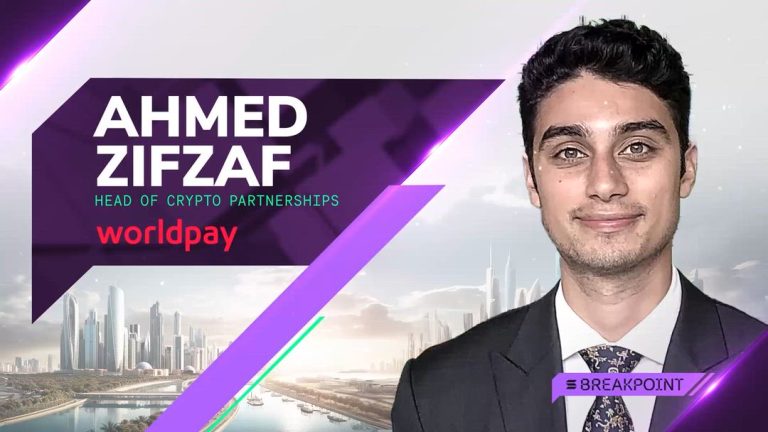
Ahmed Zifzaf, head of crypto payments at Worldpay, recently shared insights on the growing convergence of cryptocurrency and traditional finance during a conference in Abu Dhabi. His remarks offered a detailed look at how large-scale payment processors are adapting to blockchain-based innovations as global commerce evolves.

Worldpay is one of the world’s largest payment processors, handling approximately $2.5 trillion in transactions annually. Historically, the company has supported cryptocurrency firms primarily through traditional payment rails. However, as demand for blockchain-native solutions accelerates, Zifzaf’s role has expanded to include advancing on-chain payment capabilities. His team is actively exploring ways to integrate stablecoins and other blockchain tools into the payment workflows of global merchants, with the goal of delivering faster and more efficient transaction settlement.

Despite strong interest from merchants, Zifzaf pointed to several friction points slowing adoption. One of the most significant challenges is education. Many businesses continue to rely heavily on established payment systems and remain uncertain about how to integrate cryptocurrency without disrupting existing revenue streams. While demand for crypto payments is clear, scaling these solutions into production environments requires careful alignment with operational, compliance, and risk management frameworks.

Regional adoption trends also featured prominently in the discussion. Zifzaf highlighted the United Arab Emirates as one of the most receptive markets for digital asset payments and investments. Regulatory flexibility and a proactive policy environment have positioned the UAE as a global hub for crypto innovation. In regions experiencing high inflation or currency volatility, businesses are increasingly turning to digital assets to support international expansion and improve transaction efficiency.

Zifzaf attributed much of the UAE’s momentum to its long-standing commitment to innovation. Having lived and worked in the country since the 1990s, he has observed its strategic push to become a leader in advanced technologies. Initiatives such as the Ministry of AI, along with progress on Central Bank Digital Currencies and regulatory frameworks that accommodate major players like Circle and Tether, reflect this forward-looking approach.

Looking ahead to 2026, Zifzaf described the coming period as transformational for Worldpay’s crypto strategy. The company plans to scale existing pilot programs and introduce new blockchain-based payment solutions to meet rising merchant demand. Expanding networks, faster settlement, and the integration of new digital assets are expected to play a central role in reshaping payment infrastructure. Zifzaf emphasized particular enthusiasm around seamless crypto payouts, noting that Worldpay is positioned to become a key enabler in this emerging ecosystem.

As financial technology continues to evolve, Worldpay’s efforts illustrate how traditional payment giants are moving beyond experimentation toward practical crypto integration. Leaders like Ahmed Zifzaf are helping bridge the gap between legacy finance and blockchain innovation, creating pathways for merchants to adopt digital assets responsibly. With regulatory frameworks advancing and merchant interest increasing, crypto payments are poised to become a more integral component of the global financial system, supporting greater efficiency, inclusion, and alignment with broader Sustainable Development Goals.

Wall Street Eyes Santa Claus Rally as Silver Soars, Retail Traders Reshape Markets

Today, we dive into the anticipated year-end performance of Wall Street and key market trends, marked by festive excitement and investor anticipation. With Christmas behind us and the New Year approaching, many investors are eager to know if a traditional “Santa Claus rally” will accompany this holiday season. The recent surges in precious metals, particularly silver, reveal underlying market dynamics that deserve a closer examination.

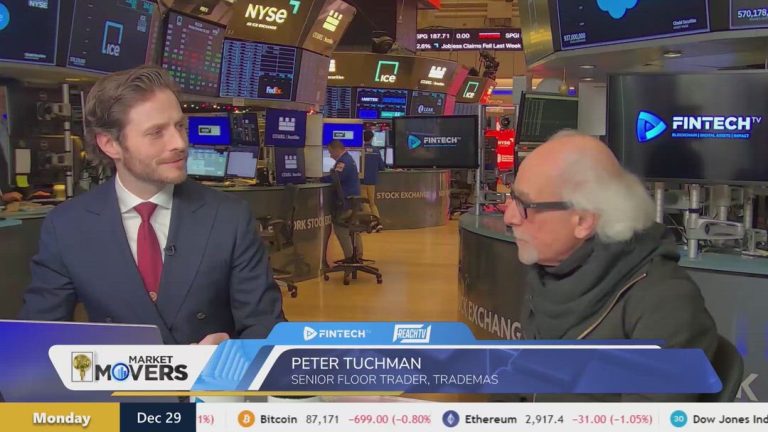
This analysis features insights from Peter Tuchman, a senior floor trader at TradeMas, famously known as the “Einstein of Wall Street.” With his extensive experience and analytical prowess, Tuchman shares his perspective on market behaviors, retail investor trends, and the influences shaping our financial landscape. As we reflect on the events of 2025, his commentary helps decode this year’s remarkable resilience and volatility.

2025 has been a year of unprecedented market fluctuations fueled by various dynamics—government changes, the ongoing impacts of COVID-19, and evolving investor profiles. Despite these challenges, markets have displayed extraordinary strength, with the S&P 500 showing gains of approximately 17% and the Nasdaq seeing growth upward of 22%. This resilience reflects a broader trend of increasing participation from retail investors who are reshaping the financial ecosystem.

A significant aspect of this year’s financial activity is the surge in precious metals, particularly silver, which has skyrocketed over 170%. Tuchman attributes this trend to a broader investor strategy focusing on quick returns and alternative assets. The rising popularity of metals among retail investors indicates a pivot towards commodities typically seen as safe havens during times of uncertainty, setting the stage for an intriguing battle between conventional stock reliance and alternative investments.

One of the most important aspects of this evolving market landscape is the shift in investor demographics. Retail investors, once considered the underdogs in the investment world, are now influencing major market outcomes. Their willingness to navigate turbulence reflects a newfound sophistication and understanding of market trends. Tuchman emphasizes that these investors often exhibit a degree of emotional investment, choosing assets based on current trends rather than mere historical performance.

Moreover, Tuchman notes retail investors’ distinct preference for technology stocks, discretionary spending, and precious metals, illustrating an evolving investment mentality. This enthusiastic participation has propelled markets sustained by speculation and investment in alternatives to traditional stocks, such as ETFs, gold, silver, and even cryptocurrencies like Bitcoin.

Despite the allure of precious metals, the performance of cryptocurrencies remains a hot topic. Bitcoin, which is often perceived as the frontier of modern finance, has seen considerable volatility, constraining its appeal among certain investor cohorts. Tuchman discusses the recent downturn in Bitcoin prices, which were caused by significant margin calls stemming from investor positions established at its peak. Despite this, interest in cryptocurrencies remains high, especially among younger investors seeking opportunities in emerging technologies and fintech solutions.

Investors are increasingly looking for avenues that support sustainability and ethical investment—a core tenet of the United Nations’ Sustainable Development Goals (SDGs). The prevailing trend highlights a commitment to responsible investing principles that intertwine financial goals with societal impact, showcasing the growing interdependence of finance and sustainability.

Navigating the complexities of today’s market requires a keen understanding of historical trends, but Tuchman notes that traditional seasonal indicators may no longer hold the same predictive power they once did. Current market dynamics, defined by an influx of emotionally driven retail investors and the rapid evolution of market conditions, require a fresh perspective. In short, investors must be willing to adapt to a changing landscape shaped by technology, policy shifts, and a collective move towards more holistic investment strategies.

As we look toward the close of 2025, Tuchman’s expert insights remind us of the resilience found in diversity among investors and investment philosophies. The upcoming weeks could be pivotal for shaping investor sentiment into 2026. Whether it’s the anticipated Santa Claus rally or continued engagement from retail investors, it’s clear that the market is primed for continued evolution in terms of investment behavior and commodity focus.

Stocks End 2025 Strong as Gold Surges and Markets Brace for 2026 Shifts

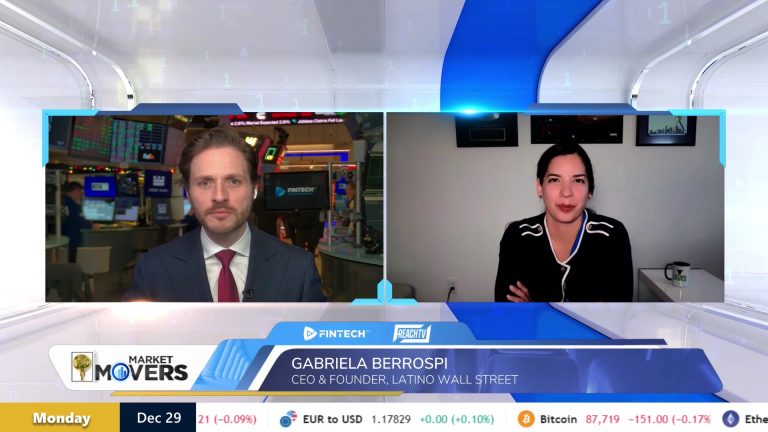
Trading for the final week of 2025 is well underway, and the financial markets have shown notable performance throughout the year. Gabriela Berrospi, the CEO and founder of Latino Wall Street, joins FintechTV to share her insights on the current state of the markets, discussing potential trends as we approach 2026.

The Dow 30 components have achieved an impressive gain of 14.5%, while the tech-reliant Nasdaq has surged by 22%. The S&P 500 stands strong with an approximate 18% rise this year. However, the real spotlight shines on precious metals; gold has skyrocketed by a remarkable 70%, and silver is not far behind with a gain of over 10.50%. These surges are often perceived as warning signals for upcoming market trends.

Berrospi notes that while the historical trend suggests a ‘Santa Claus rally’ at the year’s end, recent days have shown a disappointing downturn. The anticipated rally has not materialized despite reaching record highs, leaving many to speculate what this could mean for the future.

At this juncture, Berrospi highlights the relationship between rises in precious metals and underlying economic worries. Their performance typically indicates investor uncertainty, and with supply issues, especially concerning silver and geopolitical tensions affecting oil prices, there’s a palpable sense of caution in the air. The previous euphoria related to the stock market appears muted as the commodities market captures investor focus.

Discussion then shifts to potential catalysts for 2026. Berrospi emphasizes the importance of upcoming fiscal stimulus measures and a possible more dovish Federal Reserve, which aims to lower interest rates dramatically. However, she also warns about the inflationary effects these measures could have on the market, potentially leading to a surge in prices reminiscent of previous economic cycles.

The cryptocurrency sector faces its own challenges. Berrospi points out that while easing regulations have initially sparked optimism among investors, the price action for digital assets has been mostly negative. Uncertainties surrounding monetary policy, particularly regarding the Federal Reserve’s stance, continue to dampen investor sentiment towards cryptocurrencies, shifting focus back to traditional safe-haven assets like gold and silver.

This behavior reflects a larger trend in investor psychology: during times of economic volatility and uncertainty, many turn towards assets with historical stability. While the cryptocurrencies continue to promise a brighter future, the immediate market sentiment favors commodities—especially given the risks and volatility that characterize digital assets.

Berrospi’s insights underline the complex interplay of market trends, economic policy, and investor behavior as we move into 2026. Industry experts will be keenly observing how these factors shape the financial landscape in the coming year. As entrepreneurship and innovation continue to evolve, financial professionals should prepare to navigate this environment with keen strategic foresight.

In conclusion, the financial markets are set to face key challenges and opportunities as 2025 draws to a close. With precious metals drawing increased attention amid geopolitical tensions and monetary policy uncertainties, investors must stay informed and agile to make the most of potential shifts. Gabriela Berrospi of Latino Wall Street emphasizes that while the future may look volatile, it also presents a significant opportunity for informed investment and strategic planning.

Crypto Institutional Adoption Gains Momentum as DeFi, Stablecoins Expand


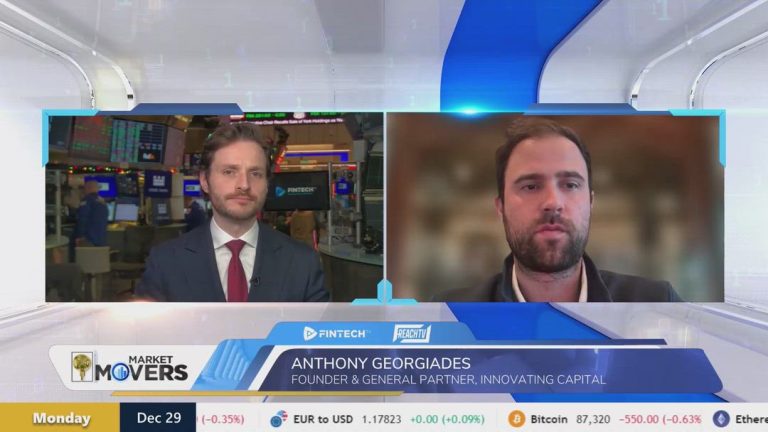
The landscape of cryptocurrency continues to evolve, reflecting a world increasingly leaning towards innovation in finance and technology. With increasing trends in decentralized finance (DeFi) and tokenization, particularly stablecoins, the trajectory towards a transformative financial infrastructure is more evident than ever. The founder and general partner at Innovating Capital, Anthony Georgiades, shared valuable insights about what we can expect from the crypto market as we advance into 2026.

As we turn the page into the new year, analysts observe that both DeFi and stablecoin industries are poised to grow significantly, potentially reaching trillions in market capitalization in the next decade. Despite the sharp downturn in prices of major cryptocurrencies over the recent months, the underlying momentum towards institutional adoption remains robust. Georgiades emphasized that the year 2026 is likely to witness an acceleration in institutions embracing cryptocurrency as a mainstream financial infrastructure.

A pivotal factor driving this shift is the institutional adoption of cryptocurrencies. Georgiades noted that, with the expected approval of Exchange-Traded Funds (ETFs), corporate treasury allocations will likely continue to gain traction. Moreover, as regulatory frameworks become clearer, traditional financial institutions will increasingly recognize stablecoins as legitimate financial rails. This backdrop, shaped by regulations such as the Genius Act, signals a move towards deeper integration of stablecoins and traditional payment systems, presenting prospects for innovation in cross-border settlements and corporate finance.

Despite the promising regulatory landscape, the recent performance of major cryptocurrencies has raised eyebrows. Georgiades pointed out several components contributing to the adverse price action observed in the market. As regulatory clarity emerges with new legislation like the Clarity Act, which codifies registration and disclosure requirements, the market shifted from speculative trading to a more balanced approach where smart money plays a crucial role.

Georgiades explained the phenomenon of “selling the news,” where the initial euphoria surrounding developments—like the anticipated approval of ETFs—resulted in significant liquidations in the derivatives market. Over $150 billion in derivatives were liquidated in 2025, showcasing the volatile nature of crypto trading. This volatility was compounded by a trend of outflows from ETFs, with Bitcoin and Ethereum experiencing significant net redemptions. This underscores the ongoing correlation between crypto assets and broader market trends, reflecting a cautious sentiment among investors.

As we focus on the future, Georgiades anticipates that institutional impacts on cryptocurrency will solidify. The anticipated increase in Mergers and Acquisitions (M&A) activity in the digital asset space indicates that institutions are not merely dabbling in crypto but are making strategic moves towards building robust frameworks for integration. By 2026, we are likely to see further maturation in portfolio construction that increasingly includes cryptocurrencies as a long-term investment strategy.

Furthermore, the ongoing evaluation of crypto trading services by traditional banks hints at a broader shift from exploratory phases to actual incorporation of crypto into mainstream financial services. The conversation has shifted towards long-term investment strategies rather than short-term trading exploits. This indicates a transformative phase characterized by strategic institutional allocations that are reshaping how digital assets are perceived and utilized.

The evolution of cryptocurrency continues to unfold against the backdrop of emerging technologies like AI, which will further augment the scope of blockchain and finance. Innovations surrounding sustainability investing also marry well with the principles governing decentralized finance and cryptocurrencies. This intersection of technology, finance, and sustainable development goals (SDGs) is driving a new wave of entrepreneurs and investors keen on harnessing the potential of digital assets for impactful solutions.

In conclusion, as cryptocurrency gears up for another transformative year in 2026, the stage is set for institutional integration, regulatory clarity, and innovative financial products. Anthony Georgiades’ insights shed light on the promising future of crypto, highlighting that while the current market dynamics might seem challenging, the underlying trends and anticipated regulatory frameworks provide a solid foundation for growth in DeFi and beyond. Institutions are moving toward strategic investments in digital assets, preparing for a future where cryptocurrencies become a standard component of financial portfolios worldwide.

Crypto California, XRP warning, Bitcoin taxes, FTX early release

0

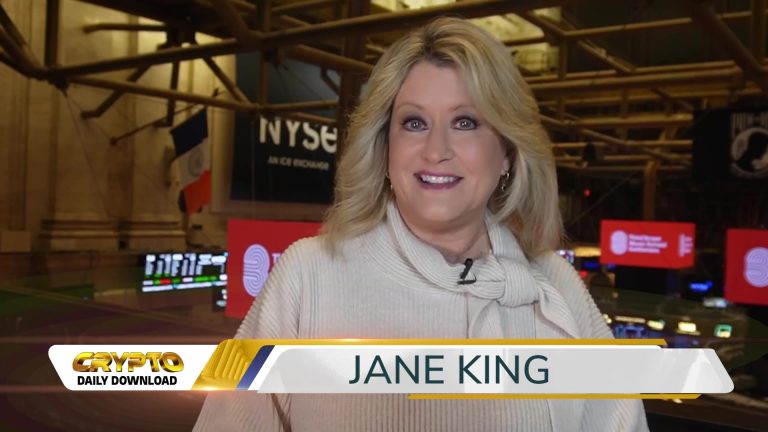
In this episode of the Crypto Daily Download, we dive into the latest developments in the cryptocurrency and tech sectors. We discuss the proposed billionaire tax on unrealized gains in California, backed by the Service Employees International Union and United Healthcare Workers West. This one-time 5% tax on Californians with assets exceeding $1 billion aims to fund healthcare and public services, but critics warn it could lead to capital flight and compel wealthy individuals to sell assets to cover tax bills. Galaxy Digital CEO Mike Novogratz shares insights on the future of XRP, emphasizing the importance of maintaining its community narrative as competition grows from tokenized real-world assets. We also explore the impact of Bitcoin’s recent 30% decline from its all-time high, which is driving increased tax-loss harvesting among cryptocurrency holders. This practice allows investors to sell assets at a loss to offset taxable income, with unique advantages for crypto transactions. Lastly, we cover the early release of Caroline Ellison, the former associate of FTX’s Sam Bankman-Fried, who is set to be freed from federal prison after serving 15 months of her two-year sentence. Jane King with the latest from the NYSE.