[stock-market-ticker symbols=" ^NYA;CRYPTO:BTC;CRYPTO:ETH;CRYPTO:USDT;CRYPTO:USDC;CRYPTO:BNB;CRYPTO:ADA;CRYPTO:XRP;CRYPTO:SOL;CRYPTO:DOGE " stockExchange="NYSENASDAQ" width="100%" transparentbackground=1 palette="financial-light"]

Home Blog Page 101

Dollar Resilience Tested by Powell Probe and Shifting Labor Data

The U.S. dollar has been navigating choppy waters amid a volatile economic backdrop, recently finding some stability after a pullback that unsettled Wall Street. The turbulence was amplified by news of a criminal investigation tied to Federal Reserve Chair Jerome Powell, alongside mounting political pressure on the central bank. Former Federal Reserve and Treasury officials have publicly criticized these developments, echoing broader concerns voiced by global central bankers. Market sentiment remains cautious, particularly with little expectation of a rate cut over the Federal Reserve’s next three meetings. Adding to the uncertainty is a pending decision from the U.S. Supreme Court on former President Donald Trump’s use of emergency tariff powers.

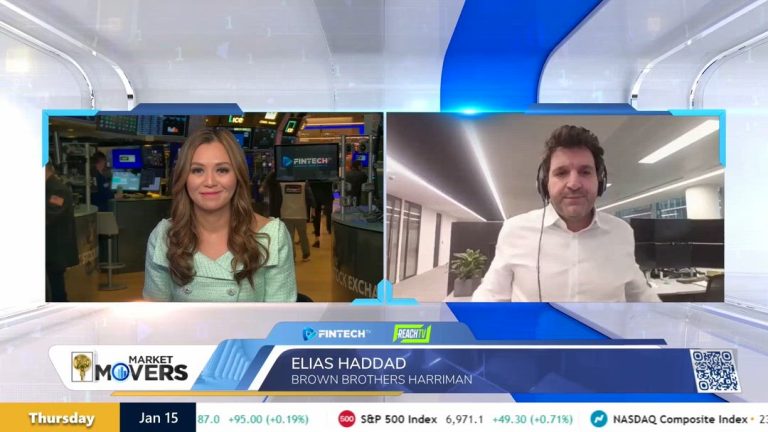
Offering perspective on the dollar’s path forward is Elias Haddad, vice president and global head of market strategy for the foreign exchange team at Brown Brothers Harriman. Haddad outlined the forces currently shaping the currency, pointing to a mix of economic data, political developments, and geopolitical risk that continues to influence market direction.

“Despite the uncertainty surrounding political interference with the Fed’s independence, the dollar receives support from recent ‘Goldilocks’ data out of the U.S.,” Haddad said. The data reflects an economy that is neither overheating nor sliding toward recession. In his view, the lack of clear signs pointing to an overly tight labor market has helped reinforce that balance.

Haddad expanded on the data underpinning the dollar’s recent resilience, suggesting that current Federal Reserve policy appears well calibrated. Recent Producer Price Index (PPI) readings show that producers are largely absorbing higher costs rather than passing them on to consumers. At the same time, the ISM prices paid index, often viewed as a leading inflation indicator, points to easing price pressures. Together, these trends suggest that inflation concerns are diminishing, giving the Fed flexibility to consider rate cuts later in the year.

Two core factors continue to shape Haddad’s outlook for the dollar: inflation trends and labor market conditions. While inflation has moderated, employment data paints a more mixed picture. Recent non-farm payrolls reports show job gains concentrated mainly in healthcare and social assistance, sectors considered non-cyclical. That concentration raises questions about the broader strength of the labor market. Haddad noted that in the three months leading up to December, nearly 20,000 jobs were lost, a development that adds to concerns about underlying momentum.

Turning to major currency pairs, Haddad outlined his expectations for the euro and the Japanese yen. He sees strong support for the euro near the 1.15 level, while dollar/yen is likely to trade north of 160. Looking further ahead, he suggested that 2026 will be heavily influenced by fiscal policy, with fiscal credibility and interest rate differentials emerging as key drivers of currency performance.

“On those two fronts—fiscal and monetary policy—the signs do not bode well for the U.S. dollar,” Haddad said, signaling potential downside risk, particularly against the yen. His view underscores the growing importance of fiscal discipline alongside central bank policy as markets reassess long-term currency valuations.

As the dollar contends with geopolitical uncertainty, easing inflation, and shifting labor market dynamics, Haddad’s analysis provides important context for investors and policymakers alike. The months ahead are likely to test how effectively policy responses can support confidence in the currency. With fiscal credibility increasingly in focus, market participants will be watching closely to see how these evolving narratives shape the dollar’s trajectory and broader investment strategies.
Alpaca Raises $150 Million to Expand Tokenized U.S. Stocks Worldwide

In a notable milestone for the fintech sector, Alpaca recently announced a $150 million funding round, lifting its valuation to $1.15 billion. The developer-first API platform, which provides brokerage infrastructure, plans to use the new capital to accelerate the expansion of its global services. Alpaca currently commands an estimated 94% market share in tokenized U.S. stocks and ETFs and reported $670 million in tokenized assets under custody as of January 12th, reinforcing its position as a dominant force in the space.

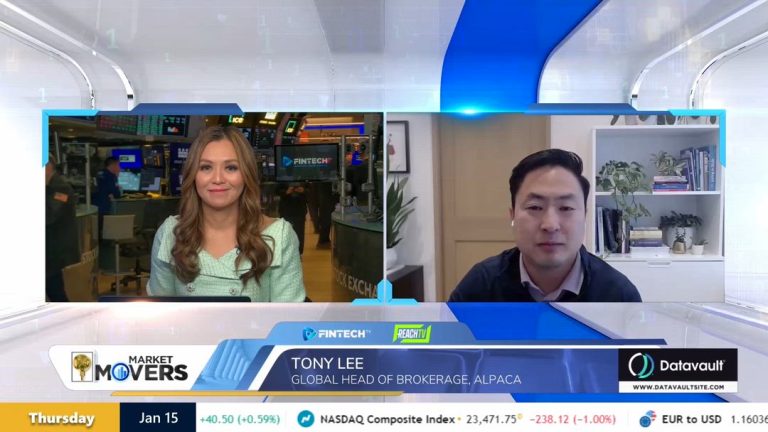
Discussing the announcement was Tony Lee, Global Head of Brokerage at Alpaca, who spoke during an interview with Remy Blaire. Lee detailed Alpaca’s rise to unicorn status and the significance of its Series D raise. The round was led by Drive Capital, whose co-founder Chris Olsen has joined Alpaca’s board, bringing additional strategic direction as the company operates at the intersection of traditional finance and cryptocurrency.

As Alpaca continues to scale, Lee highlighted partnerships with major enterprise clients including Kraken, SBI Securities, and Dime Financial. Tokenization remains central to Alpaca’s growth strategy as the company prepares for broader adoption in the years ahead. Holding the majority share of the tokenized equities market, Alpaca’s expansion reflects a broader shift in how investors are accessing and trading assets through crypto-enabled platforms.

Lee described Alpaca as an infrastructure-first business, built to offer a scalable, modern technology stack that connects traditional financial products with blockchain-based, on-chain systems. The goal is to support a multi-asset platform capable of linking financial products across borders, allowing users to transact seamlessly across asset classes and jurisdictions.

Maintaining regulatory compliance while strengthening market integrity is also a key priority, according to Lee, especially as more participants enter the digital asset ecosystem. The rapid adoption of tokenization and cryptocurrency signals a broader trend of investors committing real capital to these products, underscoring growing confidence in the long-term potential of financial technology.

Looking ahead to 2026, Lee pointed to anticipated regulatory developments that could meaningfully shape the crypto landscape. With new legislation and frameworks under discussion on Capitol Hill, he emphasized the need for thoughtful, constructive regulation. Such measures, he said, would help establish a stronger foundation for Alpaca and other firms working to expand and democratize access to financial services.

Alpaca’s latest funding round represents more than a valuation milestone. It highlights the increasing role of blockchain technology in building a more inclusive financial system. As the company continues to lead in tokenization and brokerage infrastructure, Alpaca stands as a clear example of how fintech innovation is reshaping global finance, making it easier for individuals around the world to access and participate in modern financial markets.

Humanoid Robots Step Into Daily Life as China Takes Lead at CES 2026

The 2026 Consumer Electronics Show marked a clear turning point in the evolution of humanoid robotics, signaling a shift from experimental prototypes to machines designed for real-world use. This year’s CES highlighted major technological strides from industry leaders including Nvidia, AMD, and Qualcomm, alongside partnerships aimed at accelerating progress in robotics and artificial intelligence. One of the most notable announcements came from Google DeepMind, which revealed a collaboration with Boston Dynamics, owned by Hyundai, to further enhance the capabilities of the Atlas humanoid robot. The partnership underscored how AI-driven automation is quickly moving from theory to execution.

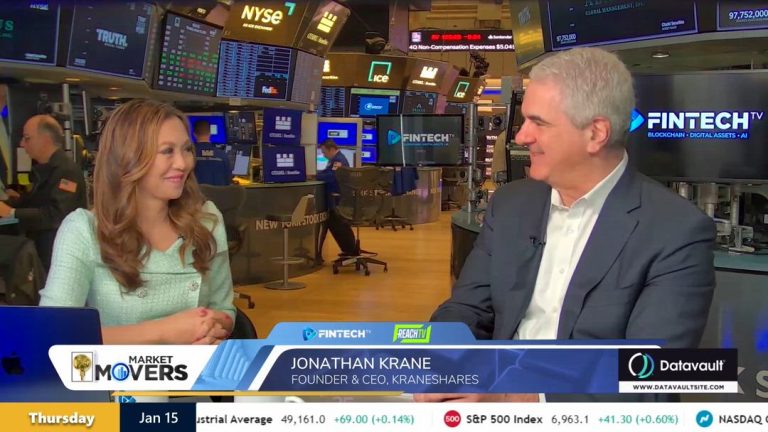
In a discussion with Jonathan Krane, founder and CEO of KraneShares, attention turned to the expanding role of robotics in the global economy, particularly China’s growing leadership in the space. Krane noted that Chinese exhibitors dominated the CES floor, presenting humanoid robots already operating in real-world settings. These machines are being deployed across education, elder care, hospitality, and manufacturing, reflecting how quickly the technology is maturing. According to Krane, some robots are even working in hotels, delivering items directly to guests, an example of how adoption is accelerating beyond industrial use cases.

From an investment standpoint, Krane sees both opportunity and complexity in the rapid rise of robotics. He described the industry as being in the early stages of deployment, with projections suggesting that billions of robots could become part of daily life over the next 20 years. Early applications may appear simple, but they are becoming increasingly sophisticated as functionality improves. Krane pointed to firefighting as a compelling example, noting that robots are beginning to operate in dangerous environments where human risk is high, a development that could significantly expand their long-term value and relevance.

Valuation considerations were also part of the conversation, particularly as earnings season unfolds and investors weigh exposure to U.S. versus Chinese companies. Krane emphasized diversification as a core strategy, referencing KraneShares’ recently launched global humanoid robot fund, which includes holdings across both Chinese and U.S. markets. As robotics advances alongside AI, investor interest is extending beyond robot manufacturers to encompass the broader ecosystem, including suppliers of sensors, batteries, and semiconductor chips that enable these systems to function.

Both the United States and China have introduced sweeping AI initiatives that could reshape the future of robotics and automation. Krane suggested that China’s innovation potential, often overshadowed by U.S. technology leaders, may be approaching an inflection point. Companies such as Alibaba and KWEB are expanding their AI efforts, developments that could materially shift investment dynamics in the sector. While U.S. technology stocks have delivered strong performance in recent years, Krane believes China’s tech industry could be on the verge of a resurgence that rewards investors willing to diversify globally.

As 2026 unfolds, the influence of humanoid robots and AI on global markets is becoming increasingly visible. For investors, understanding the interconnected nature of the robotics ecosystem is essential, spanning manufacturers, component suppliers, and software developers alike. As Jonathan Krane emphasized, maintaining a balanced and diversified approach is critical in a sector defined by rapid innovation and evolving risk. With both promise and uncertainty ahead, strategic foresight will remain essential for navigating the future of robotics and artificial intelligence.

January Effect Returns as Tech Cools and Investors Rotate Into Value

In the fast-moving world of financial markets, Thursday morning trading in New York opened with a familiar tone, as major U.S. stock indices posted a modest gain of roughly 0.5%. The move followed a week marked by noticeable portfolio rotation, with investors easing out of high-flying technology names and reallocating capital toward sectors viewed as better positioned to benefit from a potential rebound in economic growth.

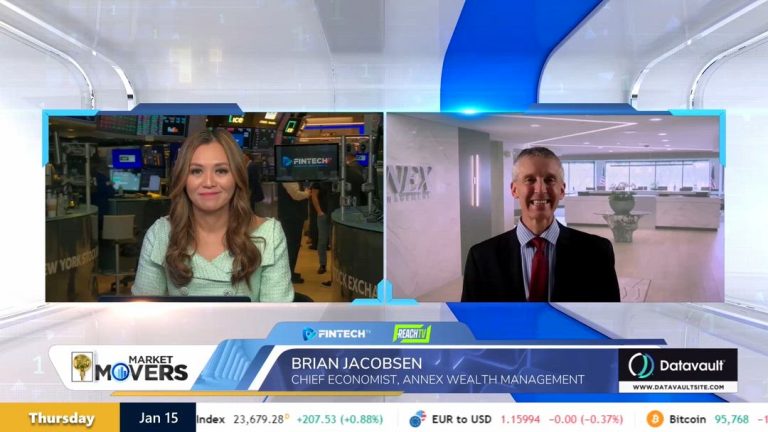
Earlier in the year, both the Dow and the S&P 500 notched record highs, signaling a strong start to the calendar. That momentum, however, began to cool as fresh data emerged, particularly from the Federal Reserve Beige Book, which suggested that many businesses were starting to pass tariff-related costs on to consumers. Speaking during a recent broadcast, Brian Jacobsen, chief economic strategist at Annex Wealth Management, explained that these early-year shifts often point to a broader seasonal pattern known as the “January effect,” where small-cap and value stocks tend to outperform the larger names that led gains the year before.

The discussion expanded to the broader financial outlook, particularly the challenges and uncertainties facing markets in 2026. Jacobsen pointed to renewed optimism around the technology sector following upbeat reports from TSMC, which helped reignite interest in growth stocks. At the same time, he questioned whether tech companies can sustain the kind of double-digit earnings growth investors have come to expect, especially as economic and geopolitical risks continue to mount.

Beyond equities, commodities have drawn increased attention, with gold and silver prices pushing to new highs amid ongoing geopolitical tensions. Jacobsen noted that while short-term pullbacks are possible as trading conditions shift, the fundamental drivers supporting precious metals remain intact. He cited rising central bank purchases and pointed to gold’s unique advantages over cryptocurrencies such as Bitcoin, particularly in regions where access to digital assets may be disrupted during periods of crisis.

Jacobsen also addressed the inflationary pressures confronting businesses across sectors. While many companies built up inventories ahead of tariff implementation, their ability to pass higher costs on to consumers has been uneven. Higher-income households continue to support retail spending, while lower-income consumers focus more narrowly on essentials, underscoring a layered and uneven consumer environment shaped by shifting inflation dynamics.

Looking ahead to earnings season, Jacobsen struck a cautiously optimistic tone regarding market performance and sector prospects through the remainder of 2026. He acknowledged that valuations remain elevated and that uncertainty around corporate earnings persists, suggesting that much of the good news may already be reflected in stock prices. That reality, he said, highlights the need for disciplined investment strategies as conditions continue to evolve.

Taken together, the interaction between technology stocks, commodity markets, and broader economic indicators paints a complex but compelling picture for investors. The current backdrop calls for a careful balance of optimism and realism, as decisions are shaped by both present-day developments and longer-term expectations. Insights from market observers like Brian Jacobsen provide valuable context, reinforcing the importance of informed and measured financial decision-making in an increasingly fluid environment.

As 2026 unfolds, managing the balance between risk and opportunity within investment portfolios is becoming more critical than ever. Investors are being urged to keep a close watch on economic data, sector trends, and geopolitical developments that will continue to influence market direction. Jacobsen’s perspective offers a useful guide for navigating these shifting conditions with a strategic and well-informed approach.

Virtu Warns Traders Face ‘Dartboard’ Markets Despite Earnings Growth

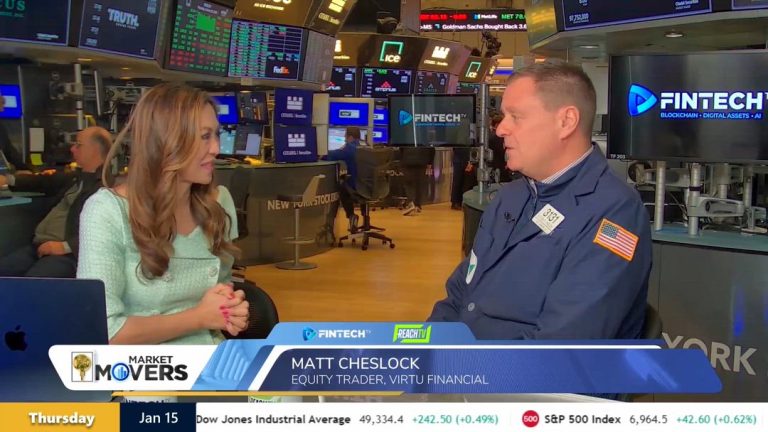
Earnings season is officially underway, and early results point to a notable acceleration in corporate profits across the S&P 500, with earnings growth projected at roughly 13% in 2025 and more than 15% in 2026. In a recent discussion with Matt Cheslock, an equity trader at Virtu Financial, attention turned to what these earnings signals mean for market direction and investor positioning. As major U.S. stock averages continue to trend higher, understanding sector dynamics has become increasingly important in navigating today’s fast-moving environment.

As markets move through the second full trading week of 2026, volatility remains a defining feature. Analysts are watching sharp swings in sectors such as energy and banking, where momentum has shifted quickly in recent sessions. Just days prior to the conversation, oil prices surged before reversing sharply, underscoring the rapid changes traders face. Cheslock compared the current setup to “throwing darts at a dartboard,” a reflection of how unpredictable short-term trading conditions have become.

Bank earnings have been a central focus, with investor attention firmly on large financial institutions. Cheslock noted that firms like Goldman Sachs often follow a pattern of underpromising and overdelivering. While initial market reactions to some earnings releases were negative, sentiment shifted quickly as confidence returned. These swift reversals highlight the importance of weighing technical signals alongside broader economic indicators when assessing market moves.

Looking ahead, the broader economic outlook for 2026 remains constructive, with key milestones such as the S&P 500 nearing the 7000 level drawing increased attention. At the same time, markets continue to respond to external pressures, including geopolitical developments, prompting investors to monitor growth trends and potential sector rotations. Cheslock stressed the importance of staying nimble and maintaining awareness of where capital is being deployed as conditions evolve.

Cheslock also emphasized the need to distinguish between Wall Street dynamics and the realities facing Main Street. For everyday investors, he suggested maintaining a long-term perspective rather than reacting to short-term market noise. With inflation and higher living costs continuing to strain household budgets, disciplined decision-making has become increasingly important. As he put it, “find something that you like and you’ve got to stay in it,” reinforcing the value of patience and conviction in investing.

The conversation extended to policy-related topics, including proposed caps on credit card interest rates and trends in the mortgage market. While a cap on credit card rates could offer relief to consumers, Cheslock noted that implementing such changes takes time. Banks rely on extensive financial modeling, making it difficult for sweeping policy shifts to materialize quickly. He cautioned investors to focus on practical outcomes rather than speculative policy discussions.

Attention also remains on the Federal Reserve, whose monetary policy decisions continue to influence markets and household finances alike. With expectations for potential rate cuts in play, Cheslock pointed out that uncertainty remains elevated. Shifts in leadership or policy direction at the Fed could have meaningful implications for borrowing costs, affecting everything from mortgages to consumer lending. Staying informed on these developments, he noted, is critical for sound investment decision-making.

As earnings season unfolds, insights from Matt Cheslock of Virtu Financial highlight the importance of adaptability and strategy in today’s market. Persistent volatility calls for a thoughtful approach grounded in research and long-term planning. As Cheslock concluded, successful investing is not about reacting to every market move, but about committing to well-considered positions that can deliver results over time.

Sparkline Warns of Policy Risk as Banks Slide, Silver Surges

0

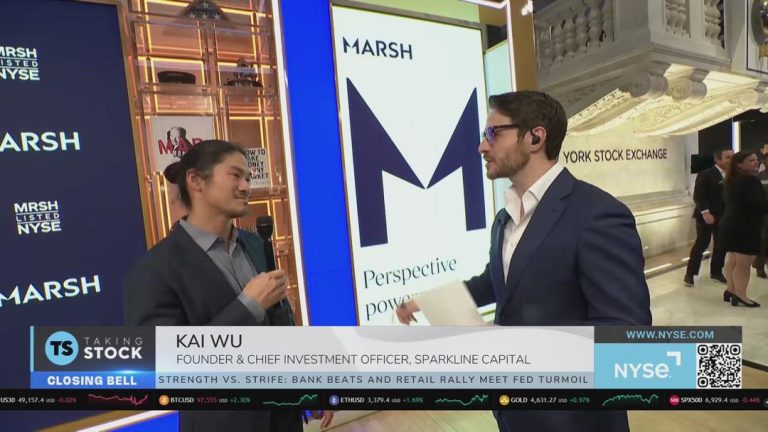
Kai Wu, founder and chief investment officer of Sparkline Capital, recently shared detailed insight into the current state of financial markets and where conditions may be heading next. With the economy navigating political pressure, geopolitical uncertainty, and shifting macro signals, the discussion explored big bank earnings, monetary policy concerns, and notable moves in precious metals. Together, these themes offer investors a clearer picture of the risks and opportunities shaping today’s market environment.

The investment backdrop remains one of cautious optimism. Several major banks, including JP Morgan, Bank of America, Wells Fargo, and Citigroup, recently reported earnings that came in mixed. Despite results that could reasonably be viewed as solid, the market response was sharply negative, with shares falling roughly 4% to 5%. Wu noted that the reaction reflects more than company-specific performance, pointing instead to broader macroeconomic unease that continues to weigh on investor sentiment.

A key concern discussed was the potential impact of regulatory shifts, including Donald Trump’s suggestion to impose a 10% cap on credit card interest rates. According to Wu, proposals like this highlight deeper economic strain and could have meaningful consequences for banks and overall financial stability. These pressures, he argued, contribute to a longer-term narrative of uncertainty that may stretch into 2026, reinforcing the need for investors to remain alert and flexible.

Wu also addressed the independence of the Federal Reserve under Chair Jerome Powell. Recent confrontations, including alleged criminal charges tied to Powell, have intensified debate around political interference in monetary policy. Wu emphasized the complexity of the situation, noting the public support Powell has received from former Fed chairs and bipartisan political leaders. As the Fed continues to resist external pressure, the implications for long-term monetary policy and investment strategy remain significant.

Adding another layer of uncertainty is the possibility of future rulings from the Supreme Court on tariffs. Any meaningful shift resulting from these cases could affect corporate profitability across multiple sectors, complicating earnings outlooks and financial planning decisions for investors and businesses alike.

One of the more striking divergences in the market has been the surge in precious metals, particularly silver, which recently reached $92 an ounce, up from roughly $30 a year earlier. This move suggests a split narrative. While equity markets continue to push toward record highs, rising demand for metals traditionally viewed as safe havens points to underlying anxiety about volatility ahead. The behavior of both gold and silver reflects the complexity of investor psychology in the current environment.

Wu noted that even as confidence in economic resilience persists, the sharp rise in precious metals signals growing caution beneath the surface. This tension highlights the contrast between aggressive positioning in risk assets and persistent concern over monetary policy, geopolitical stability, and longer-term economic durability.

In closing, Wu emphasized the importance of adapting investment strategies in an environment defined by uncertainty. For impact-focused investors, particularly those aligned with sustainable investing, shifting macro conditions present both risk and opportunity. Whether through exposure to cryptocurrencies, bitcoin, blockchain technologies, or strategies tied to Sustainable Development Goals (SDGs), Wu stressed that understanding the broader forces at play is essential.

As financial markets continue to evolve, Kai Wu’s perspective from Sparkline Capital offers a grounded framework for navigating the uncertainty ahead. By staying attuned to macro trends, political developments, and changing market signals, investors can better position themselves for what lies ahead. Engagement with sustainable investing and digital innovation will likely play a growing role as the next chapter of global finance unfolds.

Torq Bets on AI Autonomy as Cyber Threats Accelerate

0

In a fast-moving technology landscape, artificial intelligence (AI) is rapidly reshaping industries across the board. Few areas are seeing its impact as clearly as cybersecurity, where AI-driven platforms are changing how enterprises manage security operations. Ofer Smadari, CEO of Torq, recently shared insight into this shift, discussing the company’s latest funding round and the strategy fueling its next phase of growth.

Following the announcement of Torq’s new funding, Smadari explained that the added capital will support expansion into new geographic regions while strengthening go-to-market efforts, particularly within the federal sector. The growth strategy also includes potential acquisitions aimed at adding new capabilities and accelerating innovation. For Torq, AI is not a distant concept but a practical response to the urgent demands facing today’s cybersecurity teams.

Torq has positioned itself at the leading edge of AI-driven security operations, working to transform traditional Security Operations Centers (SARC) into increasingly autonomous environments. Smadari compared this evolution to vehicle automation, noting that Torq currently operates at level three and is working toward level four. At that stage, AI would handle much of the alert triage process, significantly reducing the need for constant human intervention. As cyber threats grow more complex and frequent, Smadari believes speed and efficiency are no longer optional.

A central question surrounding AI in security operations is how to strike the right balance between automation and human oversight. Smadari emphasized the importance of transparency and clearly defined guardrails, ensuring users understand what AI agents can and cannot do. As AI models continue to improve, he remains optimistic about higher accuracy rates and reduced risk of “hallucination,” the term used when AI generates incorrect or misleading information.

Looking ahead to 2026, Smadari expects the conversation around AI to mature further, with greater emphasis on tools that ensure reliability and accountability. Rising geopolitical tensions are driving heightened demand for stronger government-grade security measures. Cyberattacks are accelerating, with agencies now managing more than one billion security events each day, a number growing by roughly 20% every quarter. These figures highlight the urgency behind adopting AI-powered security solutions.

Chief Information Security Officers (CISOs) are increasingly vocal about the need for defenses that can keep pace with rapidly evolving threats. Adversaries are also adopting AI, intensifying the competition between attackers and defenders. Smadari pointed to the “velocity gap,” the widening difference between how quickly organizations must respond and how fast attackers can adapt. Closing that gap requires AI systems capable of delivering machine-speed responses to counter increasingly sophisticated threats.

The convergence of AI and cybersecurity also supports broader Sustainable Development Goals (SDGs), particularly those focused on resilient infrastructure and innovation amid global challenges. The intersection of blockchain technology, finance, and AI continues to attract investment, creating opportunities for secure and sustainable growth. As companies like Torq push forward, the environment remains fertile for entrepreneurs operating at the crossroads of finance and technology.

Through its approach to AI-driven security, Smadari and Torq are emphasizing transparency, speed, and adaptability. With a clear focus on the future, Torq is helping define how AI can reshape cybersecurity, enabling organizations to better defend against threats while supporting long-term innovation. As technology and risk evolve in tandem, one thing is clear: intelligent, proactive defense is no longer a competitive advantage, it is a necessity.

Crypto legislation, BlackRock bitcoin, Ethereum outperform?, Polymarket victory

0

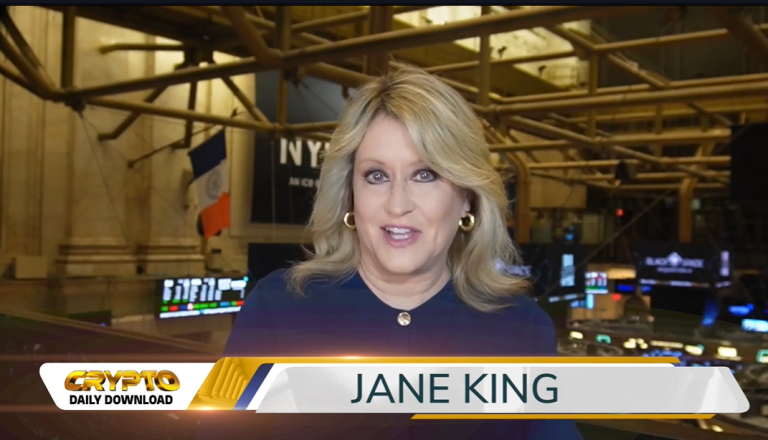
U.S. Senators pitch more than 130 amendments for a crypto bill. BlackRock moves $300 million in bitcoin to Coinbase prime. Ethereum could outperform bitcoin in 2026, and Polymarket claims victory as bettors see success on Golden Globe predictions. Jane King with the latest from the NYSE.

Marsh and Oliver Wyman Unite to Expand Strategy and Risk Advisory

0

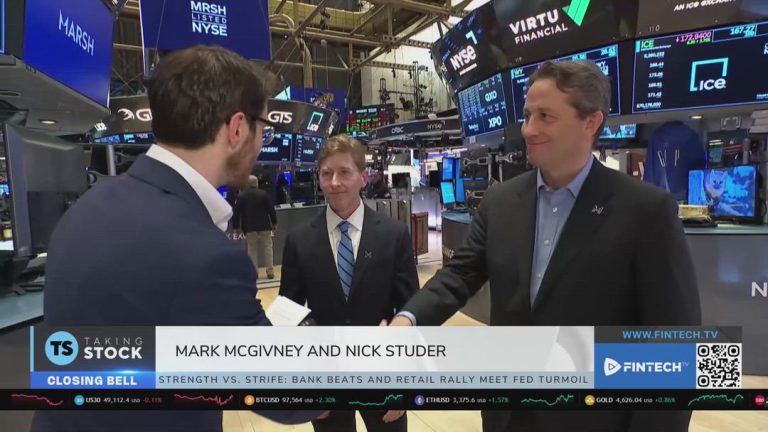
Marsh and Oliver Wyman have recently made waves in the financial services sector, marking a significant moment in their history with the ringing of the closing bell at the New York Stock Exchange. This noteworthy event not only highlights their corporate marriage but also emphasizes their commitment to strategy, innovation, and client servicing in an ever-evolving marketplace.

Mark McGivney, the chief financial officer of Marsh, and Nick Studer, the chief executive officer of Oliver Wyman, shared insights into this new partnership that aims to deliver comprehensive solutions for clients globally. As part of a 155-year-old professional services firm known primarily for its expertise in insurance and risk management, Marsh has now broadened its scope to incorporate strategy and management consulting, leveraging Oliver Wyman’s world-class advisory capabilities.

The relationship between Marsh and Oliver Wyman is more than just a simple corporate alliance; it’s a formidable union designed to navigate the complexities of today’s financial landscape. According to Studer, the formation of Marsh Management Consulting will serve as a foundational platform for Oliver Wyman’s strategic advice while integrating seamlessly with other sister companies under the Marsh umbrella.

This partnership is especially pertinent given the current economic climate, with increasing volatility and rapid technological advances impacting client behaviors and expectations. Studer emphasized the importance of adapting to changes driven by innovations such as artificial intelligence, which continues to reshape the financial services industry.

The recent rebranding, coupled with the launch of a new ticker symbol—MRSH—reflects the firms’ focused approach toward growth and investment. McGivney provided an optimistic outlook, suggesting that their unique set of capabilities not only drives corporate growth but also generates tangible value for investors.

With financial services continuously evolving, several catalysts are currently shaping the landscape. McGivney and Studer noted that growth remains their top priority, focusing on leveraging their strong financial performance to fuel high-quality acquisitions. This approach underscores the commitment to delivering impactful services, ensuring that Marsh and Oliver Wyman remain at the forefront of the industry.

The firms are strategically positioned to respond to the challenges and opportunities presented by the rapid advancements in technology and consumer behavior. The integration of advanced analytics, particularly in the realms of risk management and financial consulting, is crucial for adapting strategies that can thrive in uncertain environments.

In addition to their ambitious growth plans, Marsh and Oliver Wyman are also committed to sustainability goals that align with the United Nations Sustainable Development Goals (SDGs). Addressing issues such as climate change and promoting financial inclusion are integral to their service offerings, ensuring that their operations contribute to long-term societal value.

As the financial landscape continues to evolve, the alliance between Marsh and Oliver Wyman stands as a symbol of innovation and adaptability. With their combined efforts in strategy, consulting, and risk management, they are well-prepared to meet the demands of an increasingly complex world, focusing on making a significant impact through financial services. This partnership not only sets the stage for growth but also showcases their dedication to providing exceptional value for clients and stakeholders alike.

Coinbase Pushes Crypto-as-a-Service to Bring Institutions On-Chain

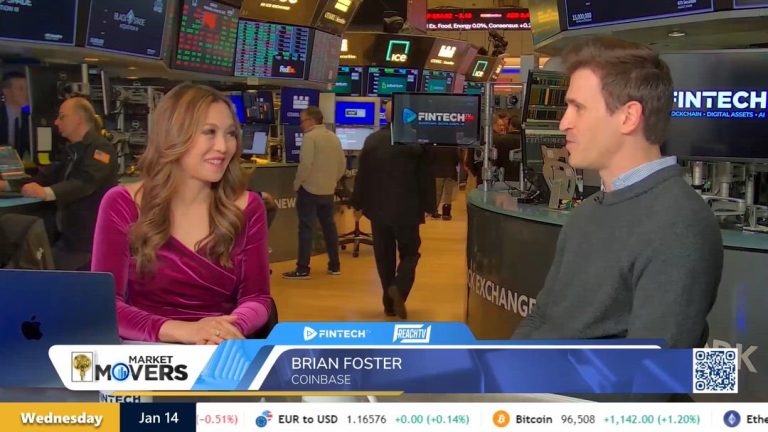
More firms are entering the crypto market, driving the development of new products and services designed to help institutions engage more effectively with digital assets. A key contributor to this shift is Coinbase, particularly through its Crypto-as-a-Service (CaaS) model, which is built to support both institutional and retail participants navigating the complexities of cryptocurrency. In a conversation with FintechTV’s Remy Blaire, Brian Foster, head of Crypto-as-a-Service, ETFs, and Government at Coinbase, shared his perspective on the infrastructure that is enabling institutions to integrate blockchain technology and digital assets into their portfolios.

At the core of Coinbase’s approach is a dual-focused service strategy that addresses the needs of both retail and institutional clients. Foster explained that the CaaS initiative allows financial institutions to build and offer their own crypto products, giving them a direct path into the expanding digital asset market. The demand for this type of support emerged as major financial institutions, including PNC, JPMorgan, and Citi, turned to Coinbase for guidance, leveraging the firm’s depth of experience in crypto infrastructure and operations.

CaaS encompasses a broad set of offerings intended to help institutional clients incorporate cryptocurrency into their businesses. Rather than simply providing access to digital assets, the program focuses on delivering the knowledge, tools, and infrastructure needed to operate effectively in a rapidly evolving market. Foster noted that the objective is to combine advisory capabilities with scalable product solutions, enabling institutions to develop offerings that meet the needs of their own customers.

According to Foster, financial institutions are currently focused on three core themes: access to native cryptocurrencies such as Bitcoin and Ethereum, the growing role of stablecoins, and tokenization. While earlier discussions centered largely on crypto as a standalone asset class, the conversation has expanded significantly. Stablecoins are increasingly viewed as a new payment rail, and tokenization is opening the door for traditional securities to be represented and managed on blockchain networks. This shift reflects a broader embrace of blockchain technology across financial services and highlights the growing momentum behind digital asset adoption.

Looking ahead, Foster indicated that these three themes are likely to become even more influential over the next decade. He pointed to the increasing mainstream acceptance of Bitcoin and other cryptocurrencies, supported by developments such as cryptocurrency ETFs and deeper involvement from large asset managers and traditional financial institutions.

At the same time, Foster emphasized that stablecoins and tokenization are still in relatively early stages of development but hold significant potential to transform financial markets. As adoption increases, payment providers, fintech firms, and other financial institutions are expected to integrate stablecoins into their operations and pursue tokenization strategies to modernize existing systems. This evolution underscores the importance of robust infrastructure as institutions seek to remain competitive.

Institutional adoption remains a central focus, particularly as the industry looks toward 2026. Foster highlighted the need for financial institutions to move beyond observing the crypto market and begin scaling their participation. The current environment represents a build-out phase, offering large institutions the opportunity to activate and expand their digital asset strategies in meaningful ways. This period, he noted, creates fertile ground for innovation and deeper collaboration between traditional finance and crypto-native firms such as Coinbase.

For retail investors, these developments signal a period of expanding opportunity. As cryptocurrency continues to mature as an asset class and new financial products emerge, retail participation is expected to grow alongside institutional engagement. Foster noted that Coinbase’s ambition to become an “everything exchange” reflects its goal of serving both retail and institutional clients with comprehensive, integrated solutions across their portfolios.

Overall, Foster’s insights illustrate how Crypto-as-a-Service is reshaping the financial landscape by enabling institutions to adopt blockchain technology while also enhancing access for retail investors. The convergence of cryptocurrencies, stablecoins, and tokenization points to a significant transformation in financial markets, laying the groundwork for digital assets to play an increasingly central role in future financial strategies and innovation.