
La inteligencia artificial está cambiando cómo accedemos a información de salud — pero más acceso no siempre significa mejor información. Samir Qamar, médico y fundador de Astrid, construyó una plataforma de salud impulsada por IA, hecha por médicos, disponible en español y diseñada para dar información confiable a quienes no tienen acceso fácil a un médico. En 90 días llegaron a 81 países. En esta entrevista habla sobre qué vio en su carrera que lo llevó a crear Astrid, por qué América Latina es clave para su crecimiento, cómo protegen a los usuarios de recibir información incorrecta, y qué sigue para la plataforma.
Liquidity Crunch: How AI and Mega IPOs Are Shaping Crypto Markets
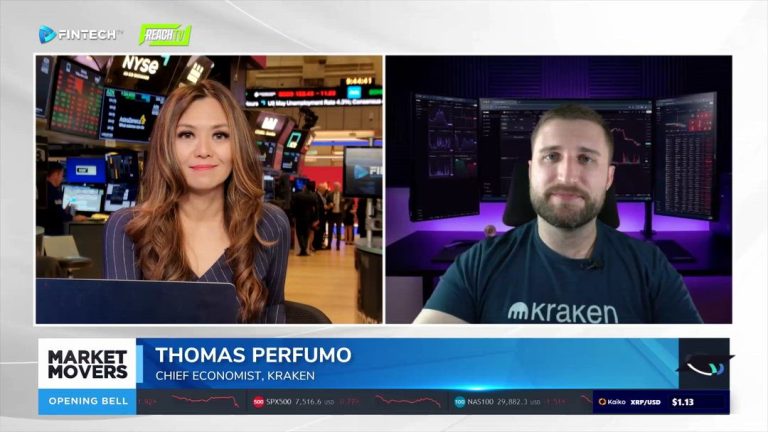
Thomas Perfumo, Chief Economist at Kraken, joins Remy Blaire to dive into the current state of the cryptocurrency market, particularly focusing on Bitcoin, which has recently fallen below its 200-day moving average and hit four-month lows. Despite a brief bounce back above $64,000, they discuss the concerning trend of half of all Bitcoin in circulation being held at a loss.
Thomas highlights a significant rotation of investor interest towards AI and upcoming mega IPOs, such as SpaceX, which has led to a notable $4 billion in net outflows from Bitcoin ETFs over the past two weeks.
Thomas explains that while Bitcoin ETFs have seen substantial net inflows since their inception, the current liquidity crunch is causing acute selling pressure. They also touch on the broader economic landscape, including the implications of the latest jobs report and the challenges faced by central banks, particularly the Federal Reserve, in navigating high inflation and a strong labor market.
As they wrap up, Thomas shares his perspective on Bitcoin’s price dynamics, emphasizing the importance of the 200-week moving average as a support level and the potential for renewed investor interest at current price levels.
Crypto and AI Are More Complementary Than Competitive: Insights From Chris Perkins
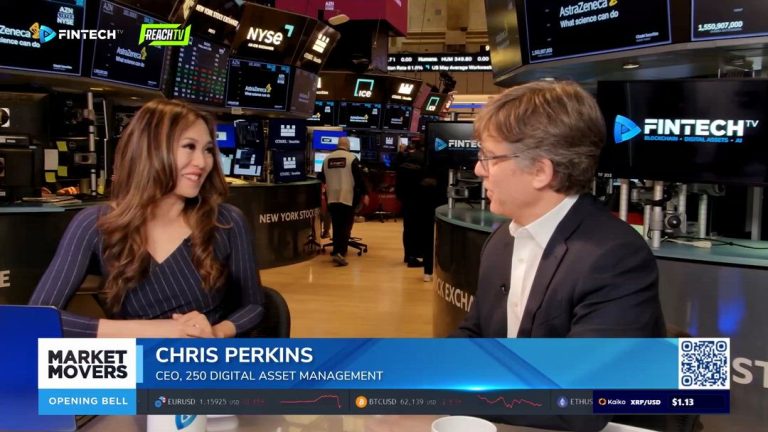
Chris Perkins, CEO of 250 Digital Asset Management, joins Remy Blaire to discuss the evolving Digital Assets landscape. They dive into the recent turbulence in the crypto market, with Bitcoin hitting its lowest level since February and dipping below $70,000. They discuss Michael Saylor’s strategy of selling 32 Bitcoin and how this has contributed to the current sell-off.
Chris highlights the ongoing volatility in the crypto market, attributing some of the recent shifts to a perceived competition between crypto and the rapidly advancing field of artificial intelligence (AI). He emphasizes that while some investors may be chasing AI as the latest trend, the two technologies are actually symbiotic and will ultimately work together to enhance decentralized finance.
They also touch on the implications of recent job reports and how the market structure is changing, particularly with the emergence of perpetual futures in the derivatives market. Chris expresses excitement about these innovations, which he believes will provide essential tools for risk management in the crypto space.
Chris shares his optimism for achieving clarity in the regulatory landscape, noting that both political parties recognize the importance of clear guidelines for the crypto industry. He also discusses his new role at Franklin Templeton’s Crypto Division, where he aims to help clients navigate the complexities of tokenized assets.
AstraZeneca Targeting $80 Billion in Revenue by 2030 as AI Accelerates Drug Discovery
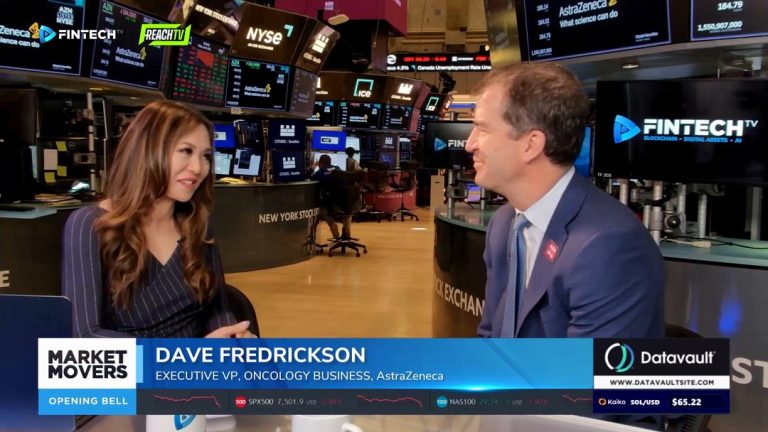
Dave Frederickson, Executive Vice-President, Oncology Business Unit at AstraZeneca, joins Remy Blaire to highlight AstraZeneca’s significant presence on the New York Stock Exchange, boasting a market cap of over $280 billion.
Dave discusses AstraZeneca’s goal of reaching $80 billion in revenue by the end of the decade, supported by advancements in artificial intelligence, recent FDA oncology approvals, and substantial investment commitments. However, he also notes the challenges posed by a looming 100% U.S. tariff rate on imported branded products, set to take effect next month.
They explore the harmonized listing structure that AstraZeneca has implemented across New York, London, and Sweden, aimed at attracting U.S. investors. Dave emphasizes the exciting developments in cancer care, including new therapies that target cancer cells more effectively and the importance of early detection in improving patient outcomes.
As they delve into the impact of artificial intelligence on drug discovery timelines, Dave shares that AstraZeneca has already achieved half of its target of 20 new medicines by 2030. He expresses optimism about the future of oncology, highlighting the company’s commitment to tailoring treatments for individual patients and the growing hope for those diagnosed with cancer.
U.S. Labor Market Holds Firm as Fed Faces Tough Decisions
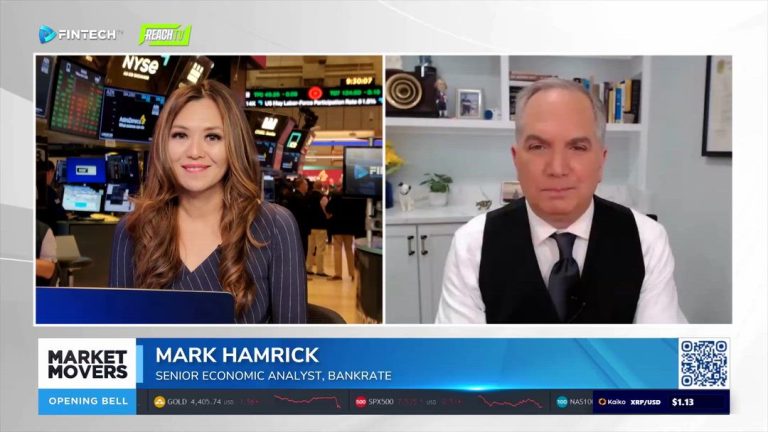
The May U.S. jobs report surprised to the upside, with nonfarm payrolls increasing by 172,000 and the unemployment rate holding steady at 4.3%, signaling continued resilience in the labor market. Joining Remy Blaire, Bankrate Senior Economic Analyst Mark Hamrick broke down the report, highlighting stronger-than-expected job growth, positive revisions to previous months, and a labor market that remains more stable than many economists anticipated.
While the headline numbers were encouraging, Hamrick noted that wage growth remains a concern. Average hourly earnings rose 3.4% year-over-year, still trailing inflation, meaning many workers continue to lose purchasing power despite a strong employment backdrop. He also pointed out that job creation remains concentrated in sectors such as healthcare, social assistance, leisure and hospitality, and local government, while financial services experienced declines.
The conversation also explored the growing divide within the U.S. economy, where higher-income consumers continue spending while lower-income households face mounting affordability pressures. From retail earnings reports to airline travel trends, signs are emerging that consumer spending is becoming increasingly uneven. Looking ahead, Hamrick discussed the Federal Reserve’s policy outlook, noting that markets are beginning to consider the possibility that rate hikes may pose a greater risk than rate cuts as inflation concerns persist. With the next Fed meeting approaching, investors will be closely watching economic data and comments from policymakers for clues on the path forward.
Jobs Report Beats Expectations: What It Means for the Economy
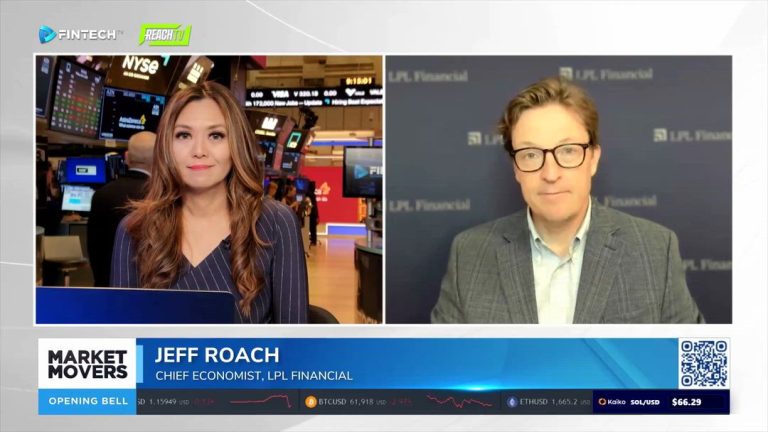
The latest U.S. jobs report delivered a surprise to the upside, with May nonfarm payrolls coming in stronger than expected while the unemployment rate held steady at 4.3%. Joining the discussion, Jeff Roach, Chief Economist at LPL Financial, breaks down what the latest labor market data reveals about the health of the U.S. economy and what it means for consumers, businesses, and policymakers.
Roach explains that despite concerns about inflation, higher energy prices, and geopolitical tensions, the labor market remains remarkably stable. Hiring continues across key sectors such as healthcare, leisure, hospitality, and retail, while consumers are still spending on travel, automobiles, and everyday purchases. The report reinforces the idea that the economy remains resilient, giving the Federal Reserve little reason to rush into cutting interest rates.
The conversation also explores the outlook for inflation, GDP growth, and the growing debate within the Federal Reserve between inflation-focused hawks and labor-focused doves. Roach discusses how AI adoption could begin impacting younger and lower-skilled workers, while consumers continue to face pressure from rising costs and interest rates. Looking ahead, all eyes remain on upcoming inflation data and future Fed meetings as investors and households search for clues about the direction of the economy and monetary policy.
How Pacsun Transformed From a Traditional Retailer to a Gen Z Lifestyle Brand
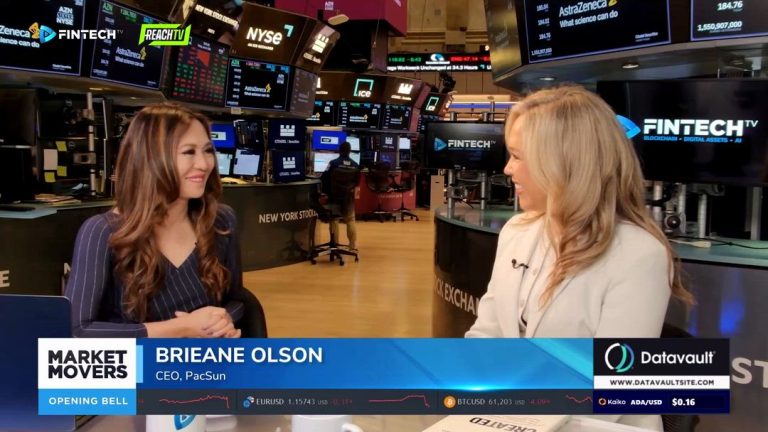
Brieane Olson, the CEO of Pacsun, joins Remy Blaire to explore the company’s transformation from a traditional retailer to a purpose-driven brand that connects with the youth through music, fashion, art and sport.
Brieane shares insights on how the brand has adapted to the digital age, emphasizing the importance of meeting Gen Z where they are—on platforms like TikTok, Snapchat, and even in their physical stores. They discuss the significance of authenticity and how Gen Z values brands that stand for a purpose, as well as the role of music in shaping their purchasing decisions.
Additionally, they touch on the current economic landscape and how Pacsun is navigating challenges by offering value and emotional connections to consumers. With over 50% of their sales coming from their own brand, Brieane highlights the success of their Pacsun denim line, particularly the viral Astro jean.
Looking ahead, Brieane outlines Pacsun’s vision to inspire the next generation by involving them in the brand’s future through initiatives like the Pacsun Youth Advisory Council.
How Tokenized Stocks Are Changing Investing Forever
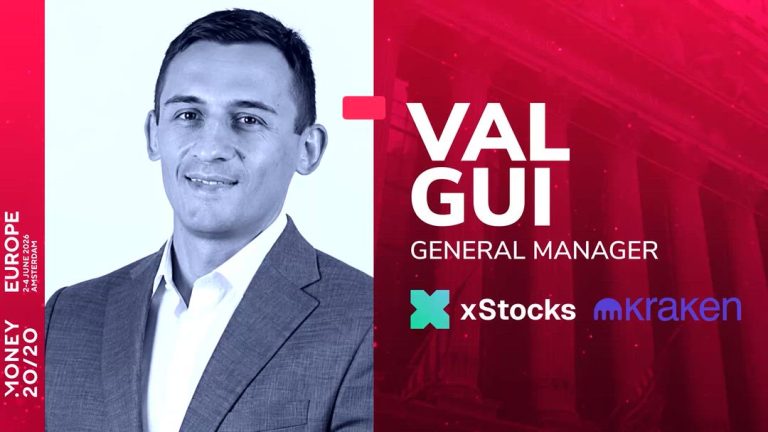
At Money20/20 Europe in Amsterdam, Anastasia Kinsky sits down with Val Gui, General Manager of X Stocks, part of Payward and Kraken, to discuss one of the hottest trends in fintech today: tokenized equities. As the worlds of decentralized finance (DeFi) and traditional finance (TradFi) continue to converge, X Stocks is helping bring real-world assets on-chain through tokenized versions of publicly traded stocks and ETFs. Gui explains how the platform works, why simplicity and transparency matter, and how tokenized equities are creating new opportunities for investors around the world.
The conversation explores the rapid growth of the tokenized asset market, the importance of regulatory clarity, and the challenges of educating investors in an increasingly complex financial landscape. With over $31 billion in transaction volume, more than 100 tokenized stocks and ETFs, and over 130,000 on-chain holders, X Stocks is seeing strong demand from Europe, Asia-Pacific, and Latin America. Gui shares insights into how younger investors are accessing global markets through digital platforms and why tokenization is becoming an increasingly attractive alternative to traditional investing infrastructure.
The discussion also covers Kraken’s acquisition of Backed, the launch of X Stocks Exchange, and the broader future of tokenized finance. From atomic settlement and 24/7 trading to interoperability across blockchain networks, Gui explains why tokenization is more than a trend, it could become a foundational technology for the next generation of financial markets. As adoption accelerates among both retail and institutional investors, the interview offers a compelling look at how tokenized equities may reshape investing in the years ahead.
The Future of Stablecoins, AI & Digital Payments
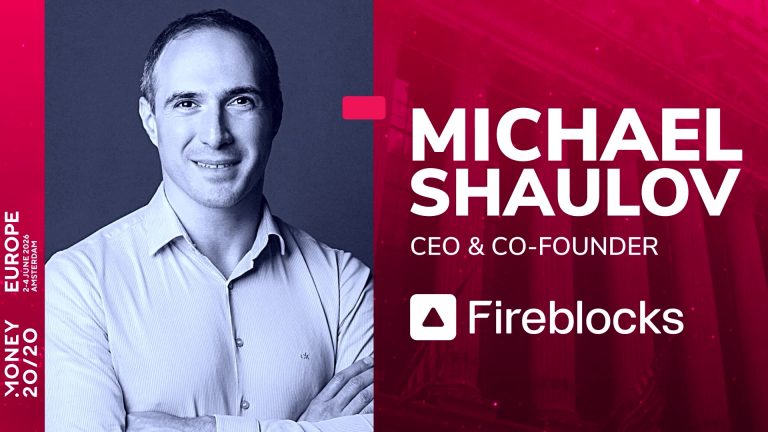
At Money20/20 Europe in Amsterdam, Fireblocks CEO and Co-Founder Michael Shaulov shares his insights on the rapid evolution of digital assets, stablecoins, and the future of programmable finance. Reflecting on how the industry has matured over the past several years, Shaulov highlights the explosive growth of stablecoin adoption, revealing that stablecoins now account for the majority of transaction volume flowing through Fireblocks’ platform. He explains how stablecoins are increasingly moving beyond crypto trading and becoming a core component of global payments, remittances, and institutional finance.
The conversation explores major regulatory developments, including the impact of the GENIUS Act in the United States, the growing role of USDC, and the emergence of stablecoin initiatives across Europe. Shaulov discusses how banks, fintechs, payment providers, and traditional financial institutions are adapting to a world where digital assets, tokenized money, and real-time settlement are becoming mainstream. He also examines the opportunities and challenges facing Visa, Mastercard, and incumbent financial networks as stablecoin adoption accelerates.
Looking ahead, Shaulov outlines Fireblocks’ vision for agentic finance and agentic payments, where AI-powered agents can autonomously manage treasury operations, optimize capital allocation, and execute payments using programmable digital assets. From stablecoins and tokenized money market funds to AI-driven financial automation, the discussion provides a deep dive into the technologies reshaping the future of global finance.
How AI and Open Finance Are Transforming Banking
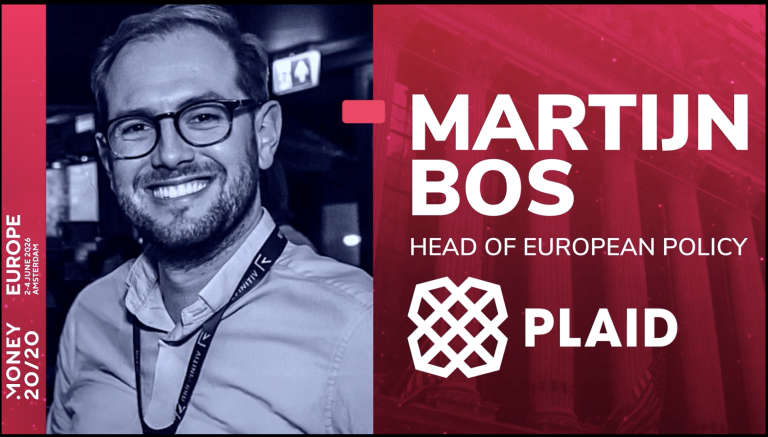
At Money20/20 Europe in Amsterdam, Plaid’s Head of European Policy, Martijn Bos, joins the conversation to discuss the future of open banking, open finance, and the growing role of AI in financial services. He explains how Europe’s regulated open banking framework differs from the U.S. market, why the UK continues to lead innovation in open banking adoption, and how upcoming regulations could unlock the next phase of financial connectivity across Europe.
The discussion also explores how AI is transforming the way consumers interact with their financial data. Martijn shares insights into Plaid’s recent collaborations with AI platforms, enabling users to connect financial accounts and receive more personalized financial guidance. He highlights how AI-powered financial insights could create a more informed consumer base while accelerating innovation for banks and fintechs alike. Looking ahead, the conversation dives into the evolution from open banking to open finance, the importance of deeper data access, and how AI, fraud prevention, and digital financial ecosystems are converging to reshape the future of financial services across Europe and beyond.